
District · Kerala
Kollam
Kollam offers a compact view of Kerala’s varied south: Arabian Sea shore, busy port city, backwaters, freshwater lake and wooded eastern hills.
Kollam district stretches from Kerala’s Arabian Sea coast through lakes and riverine islands to the wooded eastern hills. Kollam city, historically known as Quilon, developed as an important maritime trading port, while Thangasseri’s fort remains and lighthouse recall its coastal and colonial history. Ashtamudi Lake gives the district much of its backwater character; Munroe Island lies where the lake meets the Kallada River. Sasthamcotta, Kerala’s largest freshwater lake, offers a contrasting inland waterscape. Farther east, Thenmala and Palaruvi Falls draw visitors towards forested country, while Jatayu Earth’s Center stands at Chadayamangalam. Together, these places make Kollam a district of working waterfronts, settled shores and inland nature destinations.
Kollam offers a compact view of Kerala’s varied south: Arabian Sea shore, busy port city, backwaters, freshwater lake and wooded eastern hills. The city, historically known as Quilon, has long been associated with maritime trade, while Ashtamudi Lake and Munroe Island are among the district’s defining waterscapes. Inland, Sasthamcotta Lake, Thenmala and Palaruvi Falls provide a change of scene, and Jatayu Earth’s Center adds a contemporary visitor attraction. Travellers come for boat journeys, coastal heritage and nature outings, with Kollam city and Punalur serving as useful starting points. The district suits trips that combine water-based visits with short road journeys into the east.
Kollam, historically called Quilon, was an important port on the Malabar Coast and part of trading networks linking Kerala with ports across the Indian Ocean. The region was associated with the medieval kingdom of Venad, whose rulers had their political centre at Kollam before the kingdom’s influence shifted. European powers later competed for coastal trade and influence: the Portuguese established a presence in the area, followed by the Dutch, while British power expanded through the Travancore state and its changing political relationships. The port and surrounding settlements retained commercial importance into the modern period. The present district was formed in 1949, during the early years of Travancore-Cochin, and was then known as Quilon district. After the formation of Kerala state in 1956, it continued as part of the new state; the district’s name became Kollam in 1990. Its history is visible in the old port city, Thangasseri’s colonial-era remains and the longstanding communities around its lakes and waterways.
8 destination guides
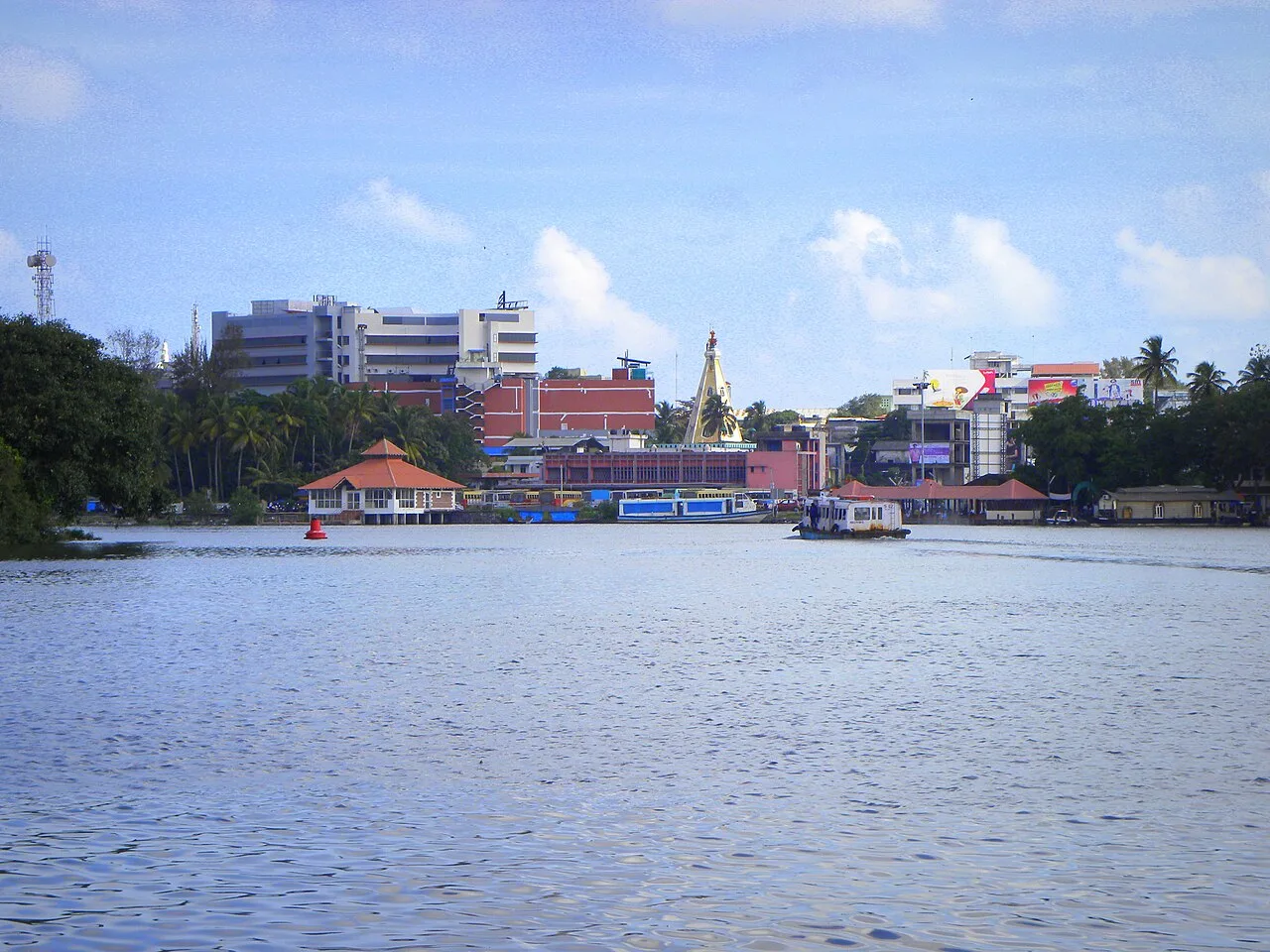
Ashtamudi Lake
Ashtamudi Lake is a branching wetland in Kerala’s Kollam district, valued for its backwater routes, local livelihoods and links to the historic port city of Kollam.
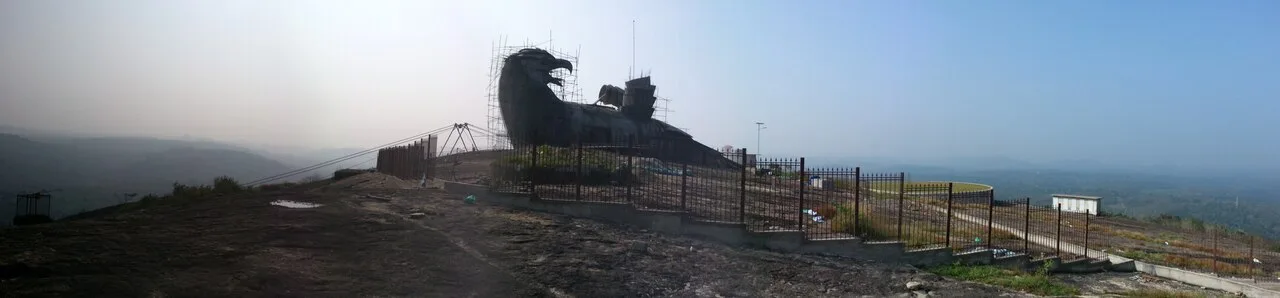
Jatayu Earth's Center
Jatayu Earth's Center is a nature and tourism complex at Chadayamangalam in Kerala’s Kollam district. Visitors come to see its monumental Jatayu sculpture and the hilltop park.
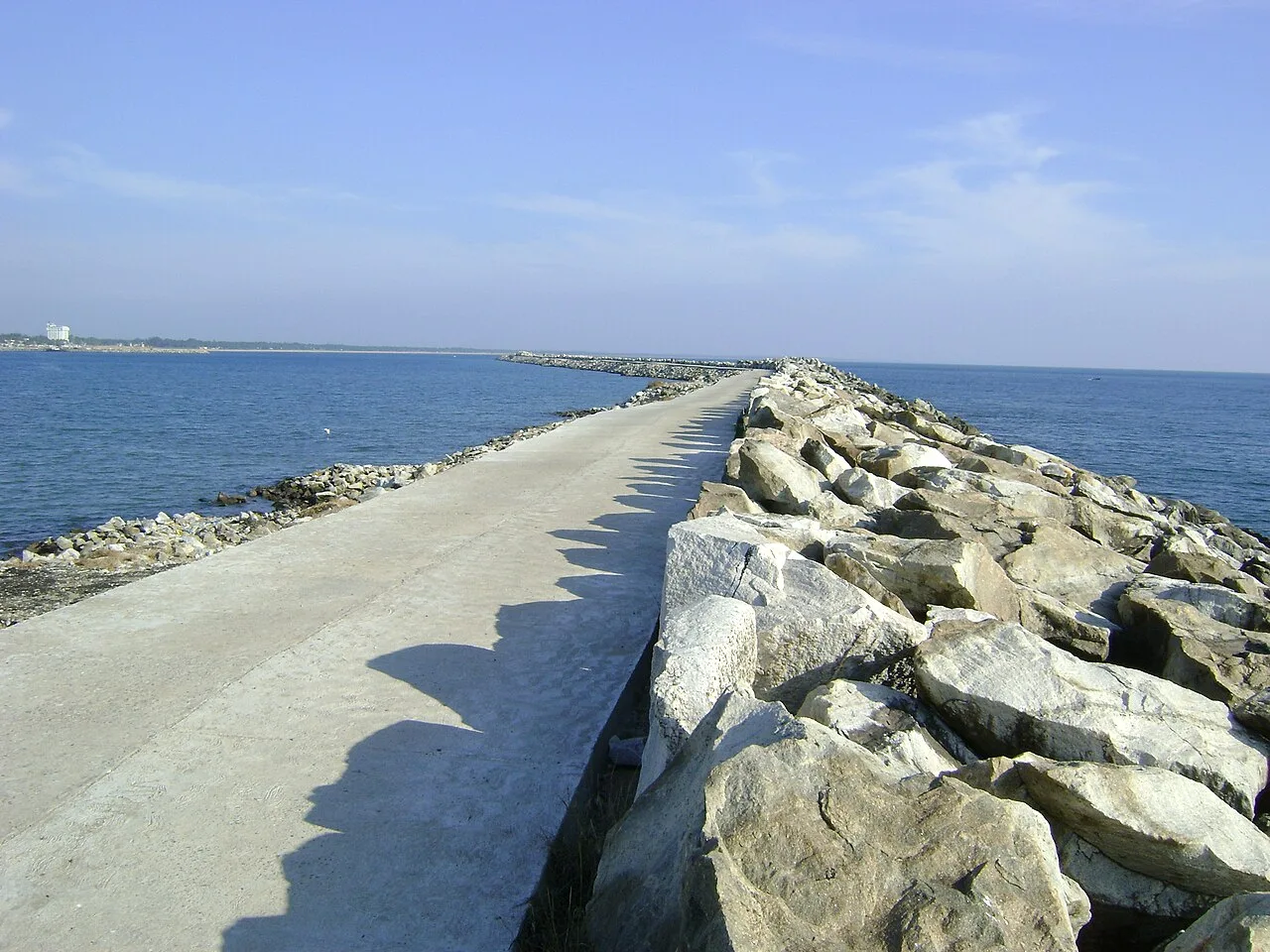
Kollam Beach
Kollam Beach, also called Mahatma Gandhi Beach, is a shoreline in Kollam, Kerala. Visitors can enjoy the beach and its associated park, with lifeguards stationed there.
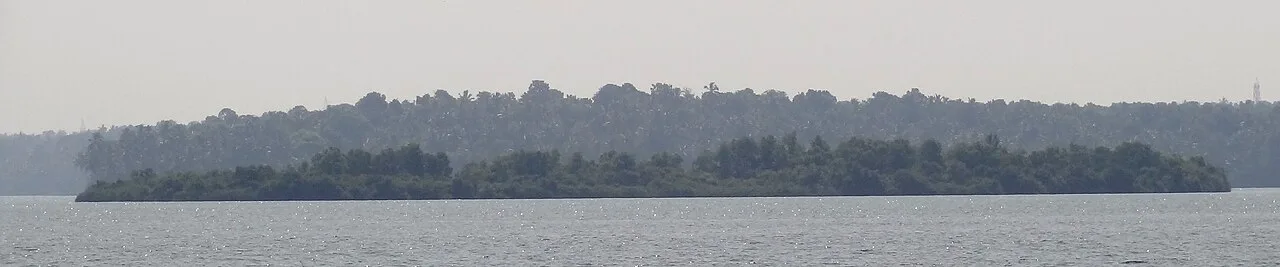
Munroe Island
Munroe Island is an eight-islet inland group in Kollam district, Kerala, where Ashtamudi Lake and the Kallada River meet. Visitors come for its setting among the lake, river and islands.
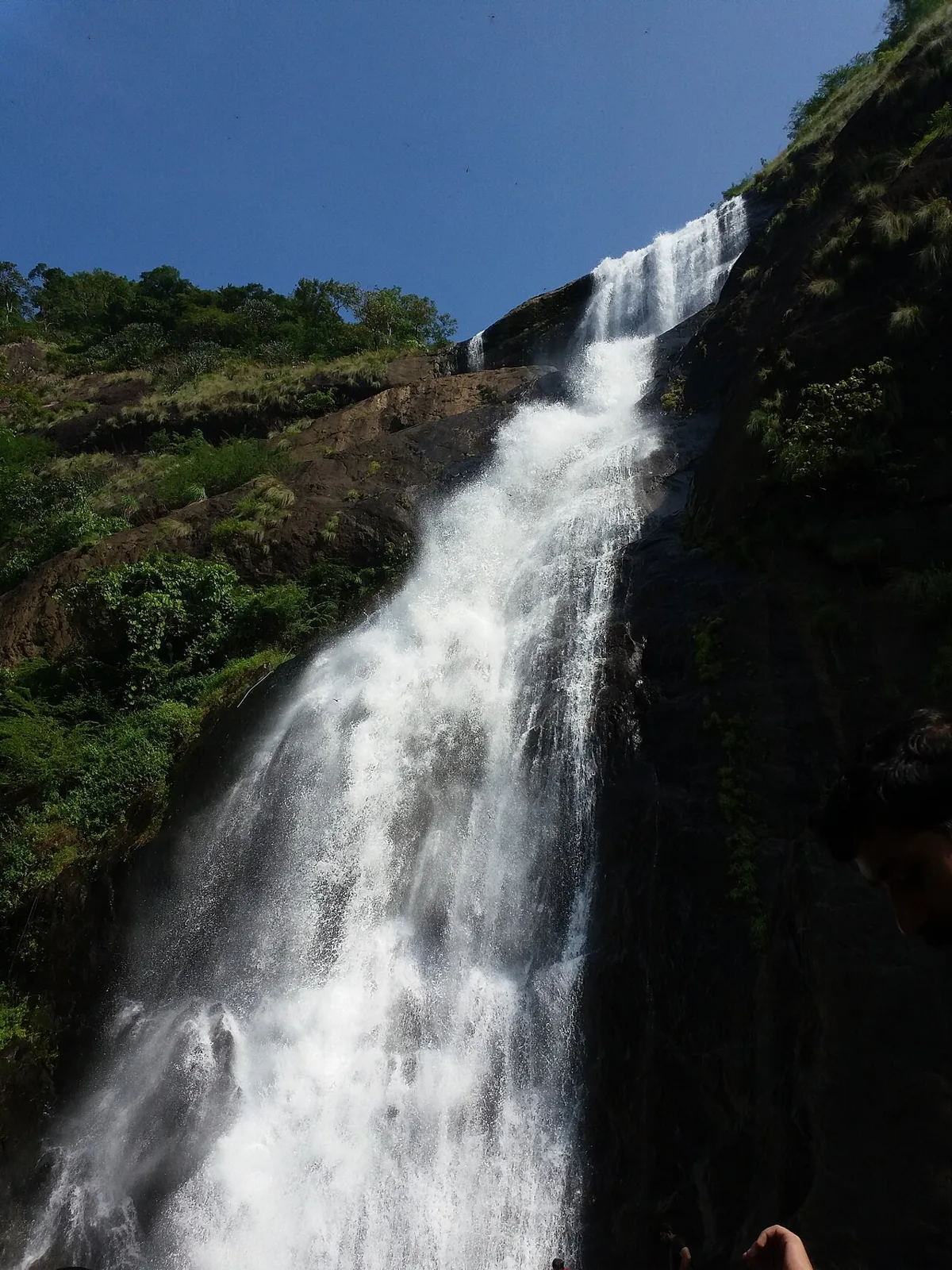
Palaruvi Falls
Palaruvi Falls is a waterfall at Aryankavu in Kerala’s Kollam district. Visitors come to see its 300-foot cascade, whose name means stream of milk.
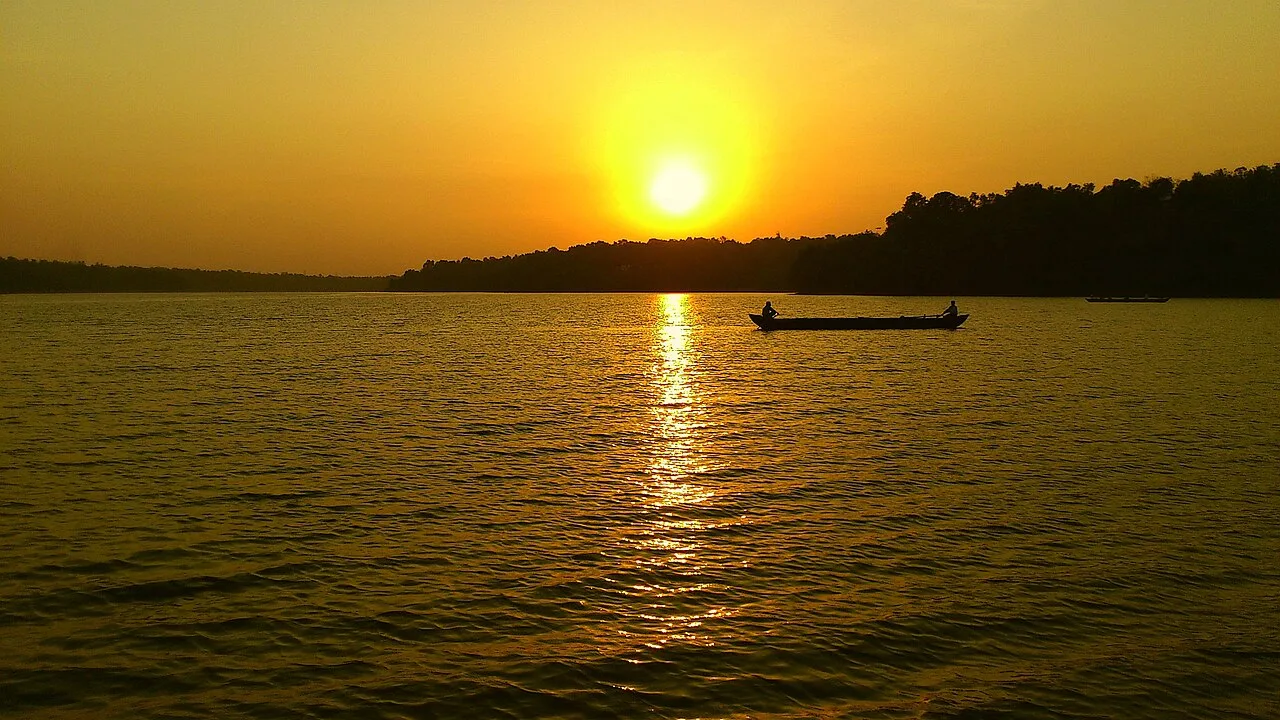
Sasthamcotta Lake
Sasthamcotta Lake is Kerala’s largest freshwater lake and a wetland in Kollam district. Its ancient Sastha temple is a pilgrimage centre, while the lake supplies drinking water and supports fishing.
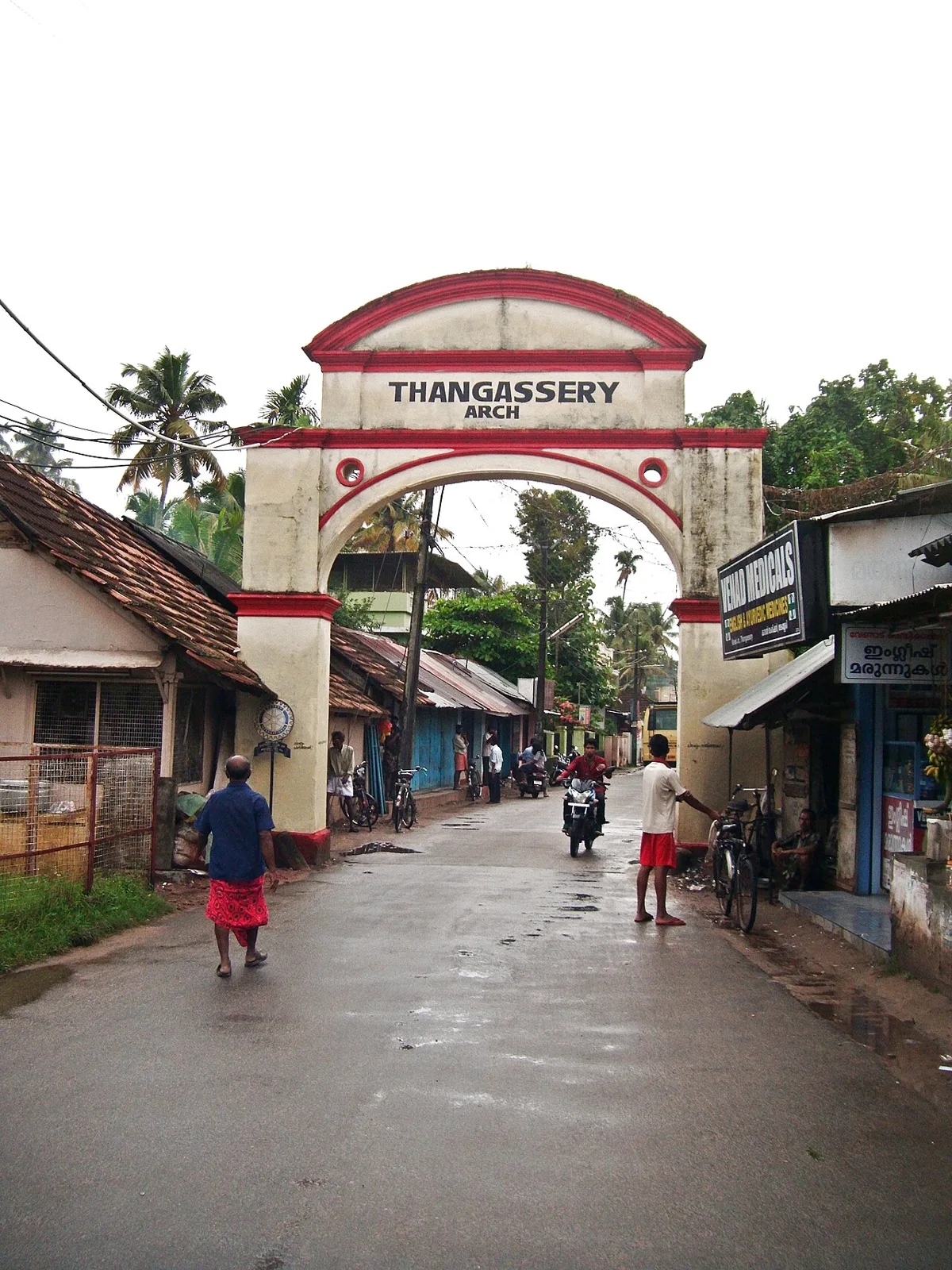
Thangasseri Fort and Lighthouse
Thangasseri Fort and Lighthouse is a visitor attraction in Kollam district, Kerala. People come to see the fort and lighthouse in Thangasseri, a densely populated coastal area of Kollam city.
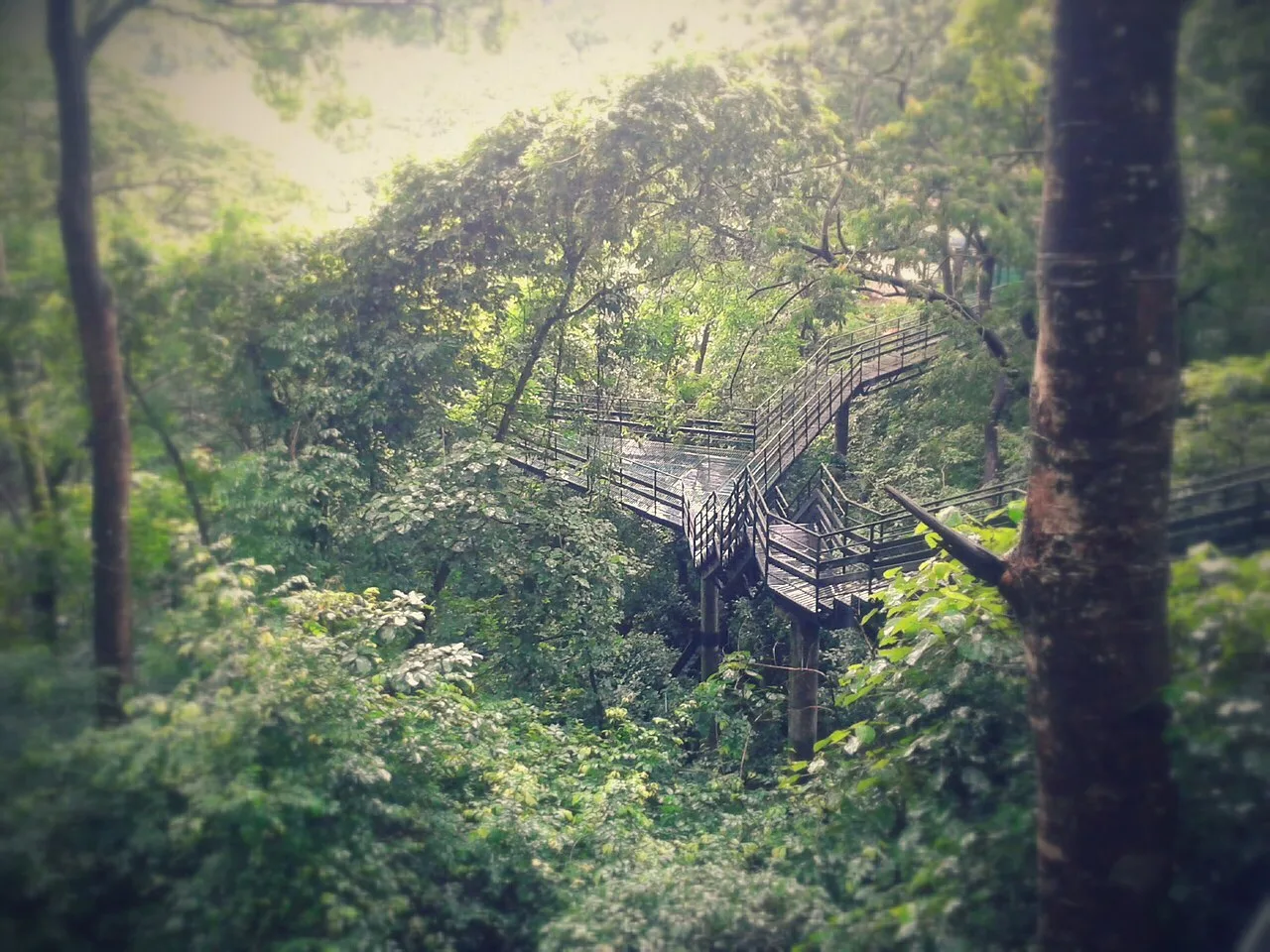
Thenmala Eco-Tourism
Thenmala is an ecotourism destination in Kerala’s Kollam district, known as the site of India’s first ecotourism centre and for its high-quality honey exports.
Food in Kollam belongs largely to the wider southern Kerala tradition, with rice, coconut and fish prominent in everyday meals. Appam with stew, puttu with kadala curry and idiyappam are familiar breakfast choices. Around the coast and backwaters, ask about the day’s fish curry or karimeen pollichathu, pearl-spot fish cooked in a banana leaf, when available. Kerala parotta with chicken or beef is another common option. The vegetarian sadya, served on a banana leaf, is associated with festivals and celebrations, often ending with payasam. Small eateries may offer only a limited daily menu; check freshness, spice levels and dietary requirements.
Coir work connects Kollam with Kerala’s wider coconut-growing coastal economy: coconut husk fibre is processed into rope, mats and other useful products. The district also shares in Kerala’s handloom tradition, including cotton fabrics and clothing with kasavu borders, though these should not be treated as exclusively Kollam-made. Across the wider state, screw-pine weaving, woodcarving and mural painting are established craft and art traditions. When buying textiles or decorative work, ask where the item was made and whether it is handmade; a Kerala-themed souvenir is not necessarily produced locally.
Onam, usually celebrated in August or September, is observed across Kerala, including Kollam, with family gatherings and local cultural events. Kollam Pooram is generally held in the spring at Asramam Maidan and can draw large local crowds. Kottankulangara Chamayavilakku, usually in March, is a distinctive regional temple festival that attracts visitors. Oachira Kali, generally held around June, is another well-known event in the district. Festival periods can make local roads busier and accommodation harder to find near event venues, so reserve rooms early if travelling then.
Elsewhere in Kerala
The district runs from the Arabian Sea coast and Kollam’s urban waterfront across the broad waters of Ashtamudi Lake to low-lying islands and settled riverbanks. The Kallada River feeds this backwater landscape, while Sasthamcotta provides an inland freshwater setting. Eastward, the land rises towards the forested foothills and hills around Thenmala and Palaruvi. Water crossings, narrow island roads and winding inland routes shape travel times; combining nearby sights by area is often more practical than making repeated journeys from the coast.
Kollam is warm and humid for much of the year. Summer, broadly from March to May, can feel hot, especially on exposed roads and beaches. The southwest monsoon usually brings frequent rain from around June into September, with further showers possible during the later rainy season. The comparatively drier months from November to February are generally the most comfortable for combining beaches, backwaters and inland excursions. Pack light breathable clothing, sun protection and insect repellent; bring a rain jacket or umbrella during wet months, and sturdy shoes for slippery paths near waterfalls or forested areas.
Trivandrum International Airport is the main nearby air gateway. Kollam Junction is the principal railway arrival point for the city and a useful base for coastal and backwater visits; Punalur is another rail gateway for eastern parts of the district. National Highway 66 links Kollam along Kerala’s coast, while National Highway 744 connects towards Punalur and Tamil Nadu. State and private buses serve towns across the district, with auto-rickshaws and taxis useful for shorter journeys and onward connections. For lake and island visits, confirm the appropriate landing point and available boat arrangements in advance. Check current services locally.
Kollam city is the main road and rail hub; National Highway 66 follows the coast, while National Highway 744 connects east towards Punalur. State and private buses link the district’s towns, though reaching smaller lakeside or hill destinations may require a change of vehicle. Auto-rickshaws are useful for short urban trips, and taxis can simplify multi-stop day outings. Shared vehicles may be available on some local routes, but services vary. Boats serve parts of the backwater network; confirm the departure point and arrangements locally, especially for Munroe Island.
2 days: Kollam Beach → Thangasseri Fort and Lighthouse → Ashtamudi Lake; sleep in Kollam city for the night. 3 days: Kollam Beach → Thangasseri Fort and Lighthouse → Munroe Island → Ashtamudi Lake; sleep in Kollam city the first night and Munroe Island the second. 4 days: Sasthamcotta Lake → Jatayu Earth's Center → Thenmala Eco-Tourism → Palaruvi Falls; sleep near Sasthamcotta or Kollam the first night, in Punalur the second, and near Thenmala or Punalur the third.
Kollam city has the widest choice of hotels and works well for the beach, Thangasseri and Ashtamudi visits. Munroe Island is a convenient overnight base for backwater exploration, with homestays and small guesthouses; confirm boat arrangements with your host. Punalur or the Thenmala area can suit eastern excursions, where accommodation is more limited and may include guesthouses or government-run facilities. Simple lodgings and dharamshalas may be found in some towns. Book ahead during festival periods and check facilities and access before choosing a rural stay.
Take care on wet steps, rocks and river edges at Palaruvi Falls, and follow local guidance before entering the water. Monsoon rain can make roads slippery, affect boat journeys and occasionally disrupt access; allow flexibility in plans. Use sun and insect protection, and drink treated or sealed water rather than untreated lake or stream water. Watch belongings in crowded festival areas and allow extra time on busy roads. Mobile connectivity can be weaker in some rural and forest-edge areas. For any forest-area activity, check access and permit requirements with the relevant authorities before travelling; requirements can vary by activity and location.
- Pathanamthittaabout 55 km
- Alappuzhaabout 62 km
- Thiruvananthapuramabout 64 km
- Tenkasi · Tamil Naduabout 78 km
- Kottayamabout 80 km
- Tirunelveli · Tamil Naduabout 109 km
- Ernakulamabout 120 km
- Virudhunagar · Tamil Naduabout 126 km
Straight-line distance between the centres of each district's destinations; road distance is longer.
Q: How many days should I spend in Kollam? A: Two days can cover the city and a backwater visit; three or four days allow time for Munroe Island, Jatayu Earth’s Center or the eastern hills. Q: When is the best time to visit? A: November to February is generally the most comfortable period for combining coastal, backwater and inland visits. Q: Where is the best base? A: Kollam city suits coastal and lake visits; Punalur or Thenmala is more convenient for eastern destinations, while Munroe Island works for an overnight backwater stay. Q: How do I get to Kollam? A: Trivandrum International Airport is the main nearby air gateway, and Kollam Junction is the principal railway arrival point. Buses and roads connect the district’s towns. Q: Is Kollam suitable for families or elderly travellers? A: Yes, with suitable planning. Choose accessible stays, allow rest between journeys, and take extra care around boats, uneven paths, wet steps and crowded events.
This page draws on our 8 destination guides for Kollam and is updated as our team checks it.
Be the first to share photos, stories, advice or a helpful contact for Kollam.
Loading…