
District · Tamil Nadu
Virudhunagar
Virudhunagar lies in southern Tamil Nadu, in the state’s inland southern region.
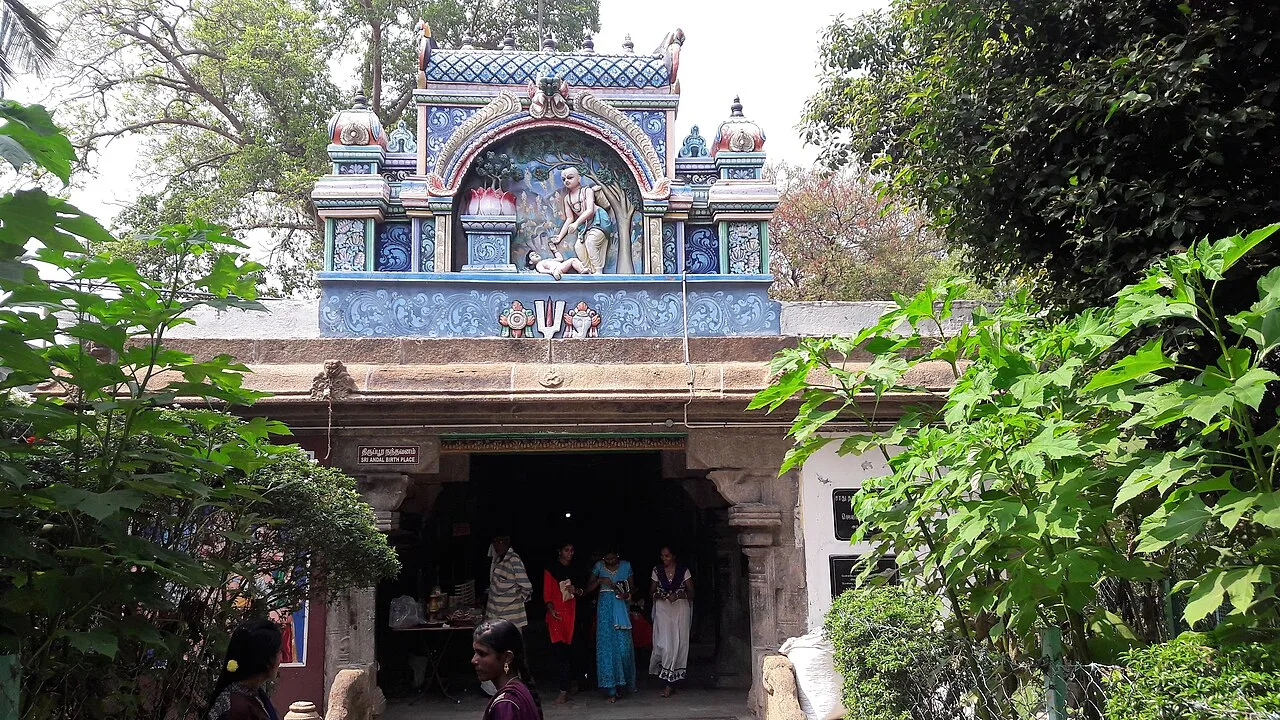
Virudhunagar district lies in southern Tamil Nadu, with the Western Ghats rising along its western edge and drier plains stretching east. The landscape is generally warm and semi-arid, though foothills and local water sources bring more varied conditions. Agriculture, trade and manufacturing all shape the district’s character; cotton, pulses and millets are among the crops grown. Its towns include Virudhunagar, Rajapalayam, Sattur and Sivakasi, known for commercial activity and small-scale industries. The area has deep connections to Tamil history, including the influence of Pandya and later Nayak rule. Srivilliputhur’s Andal Temple is a major religious landmark and one of the 108 Divya Desams dedicated to Vishnu.
Virudhunagar lies in southern Tamil Nadu, in the state’s inland southern region. It is best known to many visitors for Srivilliputhur Andal Temple, a major Vaishnavite pilgrimage site and one of the 108 Divya Desams. The temple’s tower is represented in Tamil Nadu’s state emblem. The district is also associated with Sivakasi’s match, fireworks and printing industries, and with K. Kamaraj, who was born in Virudhunagar. For travellers, the district offers a mix of temple-town heritage, working commercial centres and western-hill scenery.
The region formed part of the southern Tamil country ruled at different times by the Pandyas and, later, by other powers including the Vijayanagara rulers and Madurai Nayaks. Local chieftains, often called palaiyakkarars or poligars, held authority in parts of the area. Their conflicts with the expanding East India Company in the late eighteenth century were part of the wider struggles that brought the region under British control. Under British rule, the area was administered within the Madras Presidency and later formed part of Ramanathapuram district. Virudhunagar district was created in 1985 from Ramanathapuram district and was initially named Kamarajar district; it was later renamed Virudhunagar. The district’s modern history is also linked to the growth of Sivakasi as a centre for matches, fireworks and printing. K. Kamaraj, a major political leader and former Chief Minister of Madras State, was born in Virudhunagar town.
Everyday food follows the wider southern Tamil Nadu tradition: rice, idli and dosa, often served with sambar, chutneys and crisp snacks. Small eateries may offer a short, freshly prepared menu, while banana-leaf meals are a familiar choice for a fuller vegetarian lunch. Peppery curries and meat dishes are available in the region, with Madurai’s kari dosa and jigarthanda as nearby culinary specialities rather than dishes specific to Virudhunagar. Srivilliputhur is especially associated with palkova, a rich milk sweet. Ask locally what has been made fresh that day, and look for filter coffee after a meal.
Virudhunagar is better known for commercial production than for a single widely documented traditional handicraft. Sivakasi has a long-established printing and match-making industry; these are largely workshop and factory activities, not necessarily visitor-facing craft demonstrations. In the broader region, Madurai Sungudi is a recognised tie-dyed textile tradition, but it is associated with Madurai rather than being a signature craft of Virudhunagar district. Travellers interested in local production can ask whether printing workshops or textile sellers welcome visitors, since access and activity vary.
Aadi Pooram, usually falling in July or August, is especially important at Srivilliputhur Andal Temple and can bring large devotional crowds to the town. Vaishnavite observances and other temple festivals are held through the year, with dates following the Tamil and temple calendars. Local Mariamman festivals are also common in the region, often during the warmer months. During major festival periods, temple approaches and local roads may be busy, and rooms in Srivilliputhur can be harder to find. Check locally before travelling if your visit depends on a particular procession or observance.
Elsewhere in Tamil Nadu
Virudhunagar is an inland district of plains and low, dry country, rising towards the Western Ghats along its western side. The Srivilliputhur area lies near forested foothills, while much of the district is agricultural or settled terrain. Seasonal rivers and streams, including the Vaippar and Gundar systems, are important locally but do not provide dependable year-round water or boat transport. The hill fringe brings greener scenery and access to protected forest landscapes, while the plains are more exposed and can feel hot. Most travel between towns is by road or rail; hill and forest visits need more planning than trips across the central towns.
The district is generally hot for much of the year. Summer, especially from April into June, can make midday sightseeing tiring, so plan outdoor visits for cooler parts of the day and carry sun protection. The northeast monsoon, usually from October to December, brings the more significant rain spells; showers can affect road travel and outdoor plans. The southwest monsoon may bring some rain, particularly nearer the hills, but conditions vary. The comparatively cooler months from November to February are usually the most comfortable for temple visits and touring. Pack light breathable clothing, a hat, sunscreen and water; take a light rain layer during the monsoon season.
Madurai Airport is the nearest major airport for most visits, while Virudhunagar Junction is a useful principal rail gateway. Srivilliputhur also has rail access for travellers heading directly to the temple town. The district is connected by road with Madurai, Tirunelveli and towns farther west, and buses link its main towns with one another and with regional centres. Taxis or hired cars are useful for visiting temple towns and rural areas; within towns, auto-rickshaws are commonly available. For remote stops, arrange transport locally rather than assuming frequent public services. Check current services locally before travelling.
Virudhunagar town and Srivilliputhur are connected by rail and by regional roads, while buses link the district’s principal towns and nearby centres. Local buses are useful for common town-to-town journeys, but services and connections can be less convenient for temple visits or places away from main routes. Auto-rickshaws are available for shorter trips within towns. For a flexible itinerary, especially one combining several towns or travelling towards the hill fringe, arrange a taxi or private vehicle. There are no useful district sightseeing boat routes. Confirm current road and transport conditions locally, particularly during heavy monsoon rain.
2 days: Srivilliputhur Andal Temple; allow time for a relaxed visit in Srivilliputhur. Sleep both nights in Srivilliputhur. 3 days: Srivilliputhur Andal Temple; keep the remaining time for a slower temple-town visit or rest. Sleep in Srivilliputhur each night.
Srivilliputhur is the most convenient base for visiting Srivilliputhur Andal Temple, with basic hotels and lodges in and around town; check availability ahead of major festivals. Virudhunagar town and Sivakasi offer more options for travellers using the district’s rail and road connections or making a broader regional trip. Ordinary hotels and lodges are the most dependable types of stay. Homestays and other small guesthouses may be available but are less consistent, so confirm facilities and location before booking. Check directly for any government accommodation or pilgrimage lodging, as availability can vary.
Heat can be intense in the plains, so carry drinking water, use sun protection and avoid overexertion during the hottest part of the day. Use sealed or safely treated drinking water, and take ordinary care with food hygiene. Roads may be busy around towns and temples, and rain can make rural routes slower or harder to navigate. Mobile coverage is generally more reliable in settled areas than near forested hills. If visiting forest areas, keep to authorised routes and follow local wildlife guidance; access restrictions or permits may apply in protected areas, so confirm requirements with official forest authorities before travelling. Expect larger crowds around Srivilliputhur during major festivals.
- Theniabout 45 km
- Maduraiabout 71 km
- Dindigulabout 82 km
- Pathanamthitta · Keralaabout 83 km
- Tenkasiabout 84 km
- Idukki · Keralaabout 85 km
- Tirunelveliabout 92 km
- Thoothukudiabout 111 km
Straight-line distance between the centres of each district's destinations; road distance is longer.
All districts of Tamil Nadu
- Ariyalur
- Chengalpattu
- Chennai
- Coimbatore
- Cuddalore
- Dharmapuri
- Dindigul
- Erode
- Kallakurichi
- Kancheepuram
- Kanniyakumari
- Madurai
- Mayiladuthurai
- Nagapattinam
- Namakkal
- Nilgiris
- Pudukkottai
- Ramanathapuram
- Salem
- Sivaganga
- Tenkasi
- Thanjavur
- Theni
- Thoothukudi
- Tiruchirappalli
- Tirunelveli
- Tiruvallur
- Tiruvannamalai
- Tiruvarur
- Vellore
- Villupuram
Q: How many days should I spend in Virudhunagar district? A: Two days can cover a visit to Srivilliputhur Andal Temple at a relaxed pace. Allow three days if you want more unhurried time or are connecting onward through the district. Q: When is the best time to visit? A: November to February is generally more comfortable for sightseeing. Festival periods can be rewarding but busier, especially at Srivilliputhur. Q: What is the best base for visiting the listed destination? A: Srivilliputhur is the most convenient base for Srivilliputhur Andal Temple. Virudhunagar town can suit travellers prioritising wider transport connections. Q: How do I get to the district? A: Virudhunagar is reachable by rail and road. Travellers arriving by air commonly use Madurai and continue by road; check current connections before setting out. Q: Is the district suitable for families or elderly travellers? A: Yes, the main town and temple visit can suit families and many older travellers. Plan for heat, crowds and walking, and check locally about access needs at the temple.
This page draws on our 1 destination guides for Virudhunagar and is updated as our team checks it.
Be the first to share photos, stories, advice or a helpful contact for Virudhunagar.
Loading…