
District · Tamil Nadu
Dindigul
Dindigul offers a compact view of Tamil Nadu’s varied landscapes and traditions: the district moves from busy plains towns and historic sites to the wooded Palani Hills and the pilgrimage centre of Palani.
Dindigul district brings together busy plains towns, pilgrimage centres and the wooded uplands of the Palani Hills. Kodaikanal is its best-known hill destination, with the manmade Kodaikanal Lake, Coaker’s Walk and Pillar Rocks forming a familiar sightseeing circuit. Berijam Lake offers a contrasting reservoir landscape beyond town, while Sirumalai forms a separate hill region nearer the plains. In Dindigul town, the rock fort recalls the district’s Nayak-era history and its later strategic importance. Palani’s hilltop Dhandayuthapani Swamy Temple gives the district a strong devotional identity centred on Murugan worship. Together, these places make Dindigul a district of contrasting experiences: urban markets and historic stonework below, cooler hill scenery above, and pilgrimage traditions connecting its towns.
Dindigul offers a compact view of Tamil Nadu’s varied landscapes and traditions: the district moves from busy plains towns and historic sites to the wooded Palani Hills and the pilgrimage centre of Palani. Kodaikanal is its best-known hill destination, with a lake, viewpoints and walking routes, while Sirumalai provides a distinct upland setting closer to the plains. Dindigul town’s fort recalls the region’s strategic past, and Palani’s Murugan temple draws devotees throughout the year. Travellers can combine hill scenery, temple visits and local history, while allowing for the longer road journeys between the plains and the hills.
Dindigul lies within the historic region around Madurai, where power shifted among south Indian kingdoms over many centuries. The area was associated with the Pandyas and later came under the Madurai Nayaks. Dindigul Fort, built by the Nayaks in the seventeenth century, reflects the town’s strategic position and was later strengthened and used by Mysore rulers, including Hyder Ali and Tipu Sultan. Control changed again during the conflicts between Mysore and the British; the fort eventually came under British rule in the late eighteenth century. Palani developed as an important centre of Murugan worship, with the hill temple drawing pilgrims from across the region. Under British administration, the surrounding area formed part of the Madurai region. After Indian independence it remained within Madurai district until Dindigul district was formed in 1985. The district’s history is thus visible both in its fortifications and in enduring pilgrimage traditions.
9 destination guides · 7 on the map
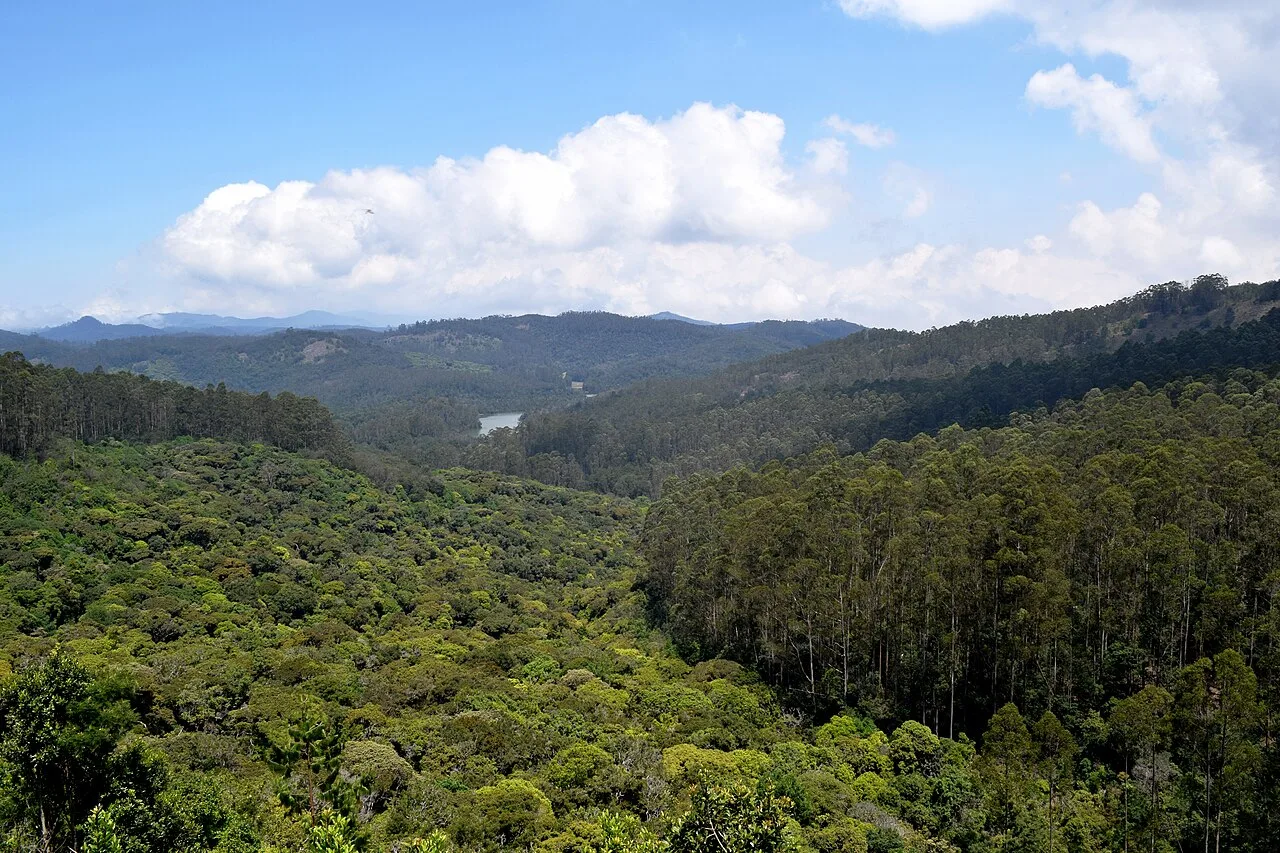
Berijam Lake
Berijam Lake is a reservoir in the upper Palani hills near Kodaikanal, Tamil Nadu. Visitors come to see the lake and its setting at the former Fort Hamilton site.
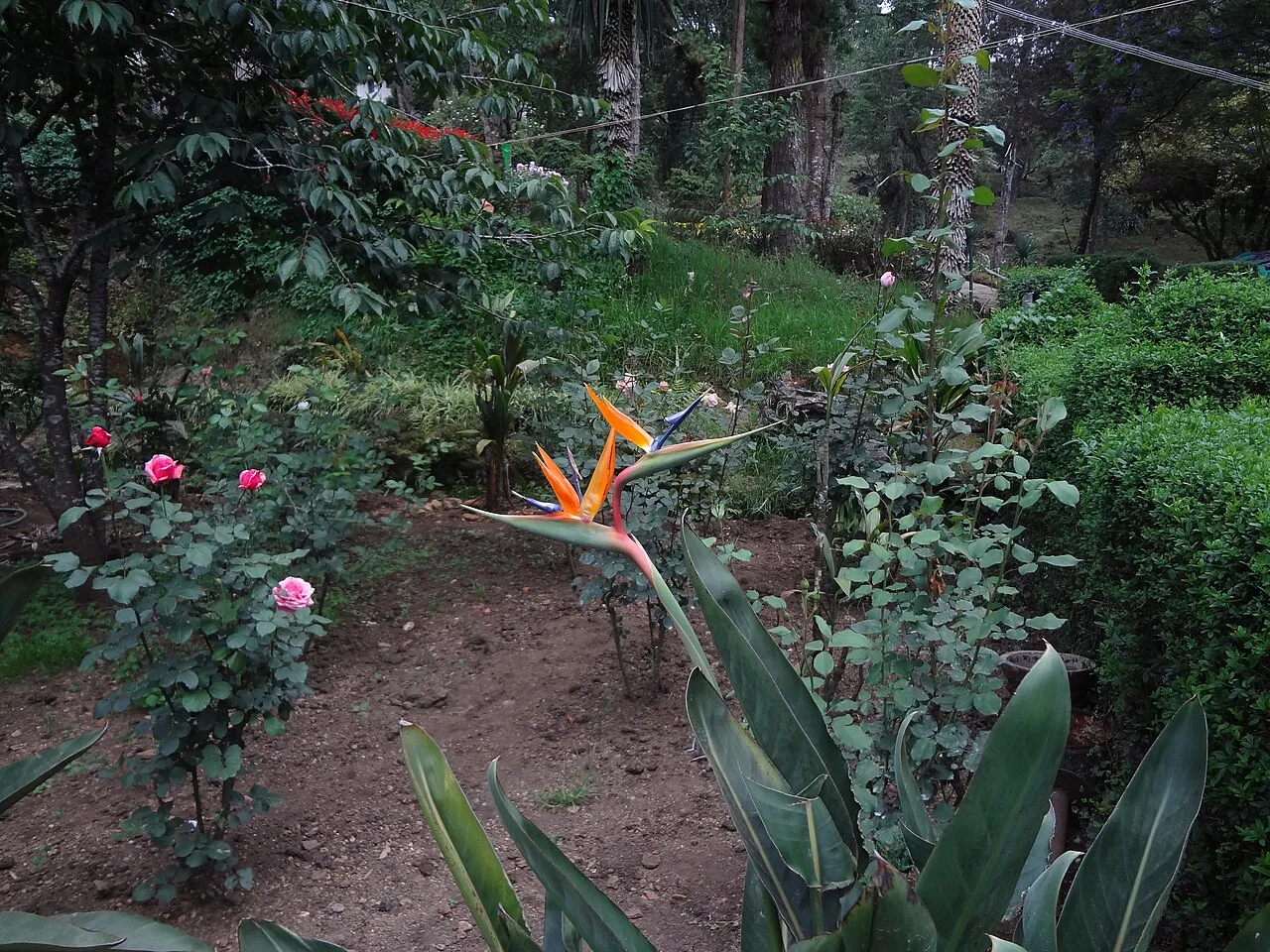
Bryant Park
Bryant Park is beside Kodaikanal Lake in Tamil Nadu. Visitors to the area come for boating on the lake and its summer boat pageants and flower shows.
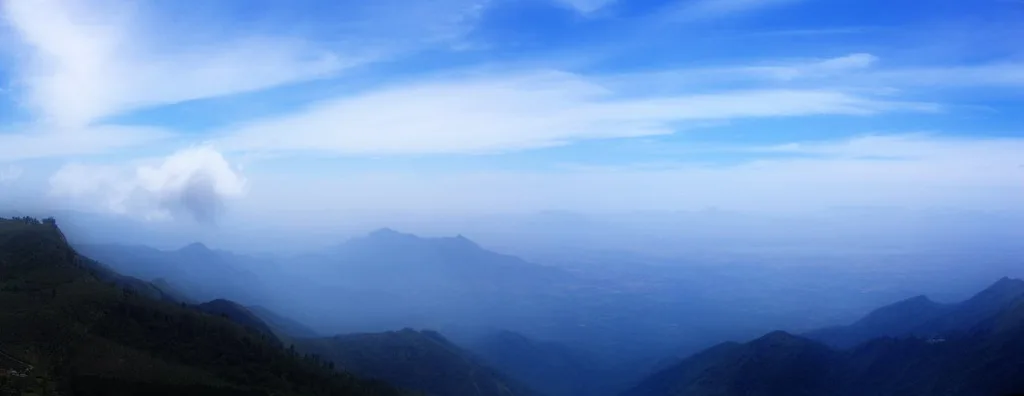
Coaker's Walk
Coaker's Walk is a heritage site in Dindigul district, Tamil Nadu. Visitors may seek it out for its recognised heritage status.
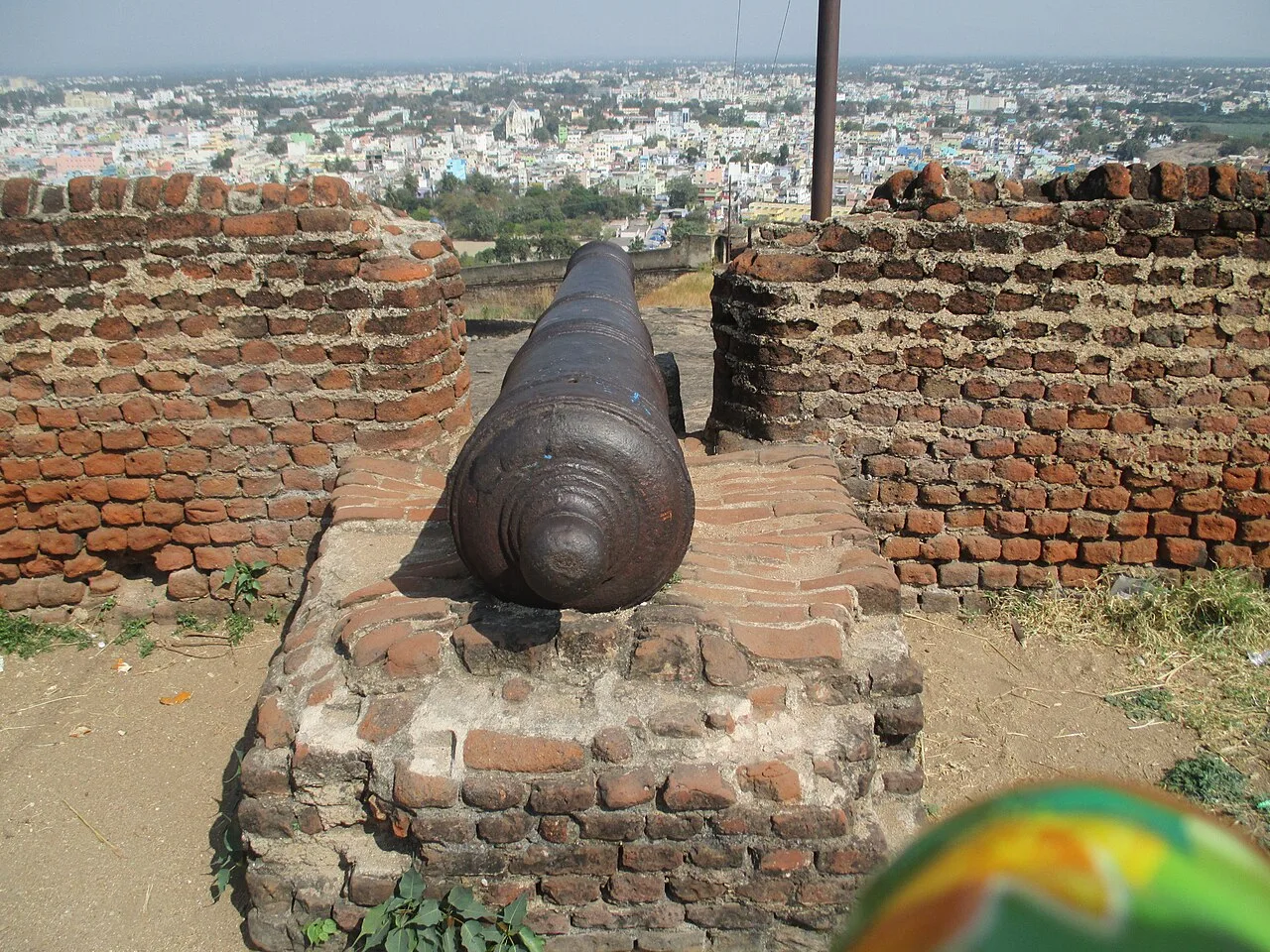
Dindigul Fort
Dindigul Fort, also known as Dindigul Malai Kottai, is a historic stronghold in Tamil Nadu, visited for its military past, summit temple and surviving cannons.
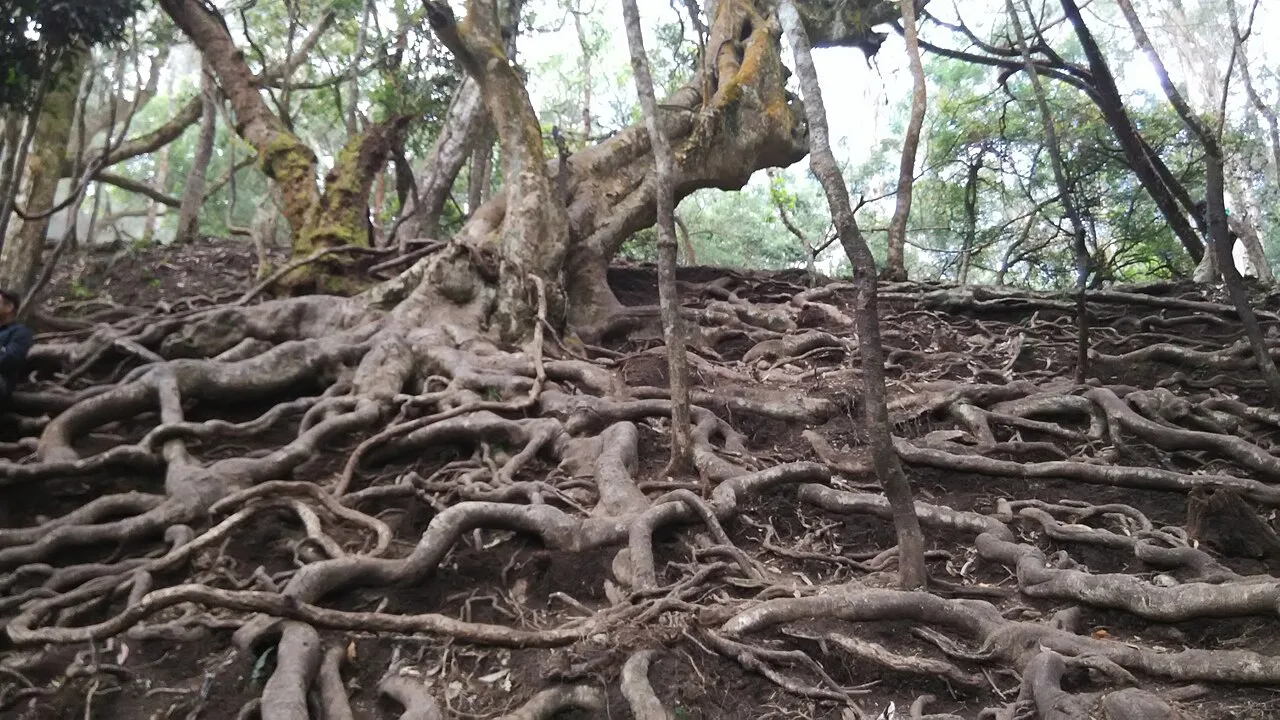
Guna Caves (Devil's Kitchen)
Guna Caves, or Devil’s Kitchen, is a network of deep shafts and narrow underground passages in Kodaikanal. Visitors know it for its film connections and hazardous, unmapped terrain.

Kodaikanal Lake
Set within Kodaikanal in Tamil Nadu’s Dindigul district, this artificial lake is a central feature of the hill town. Visitors come for boating and seasonal events beside the water.
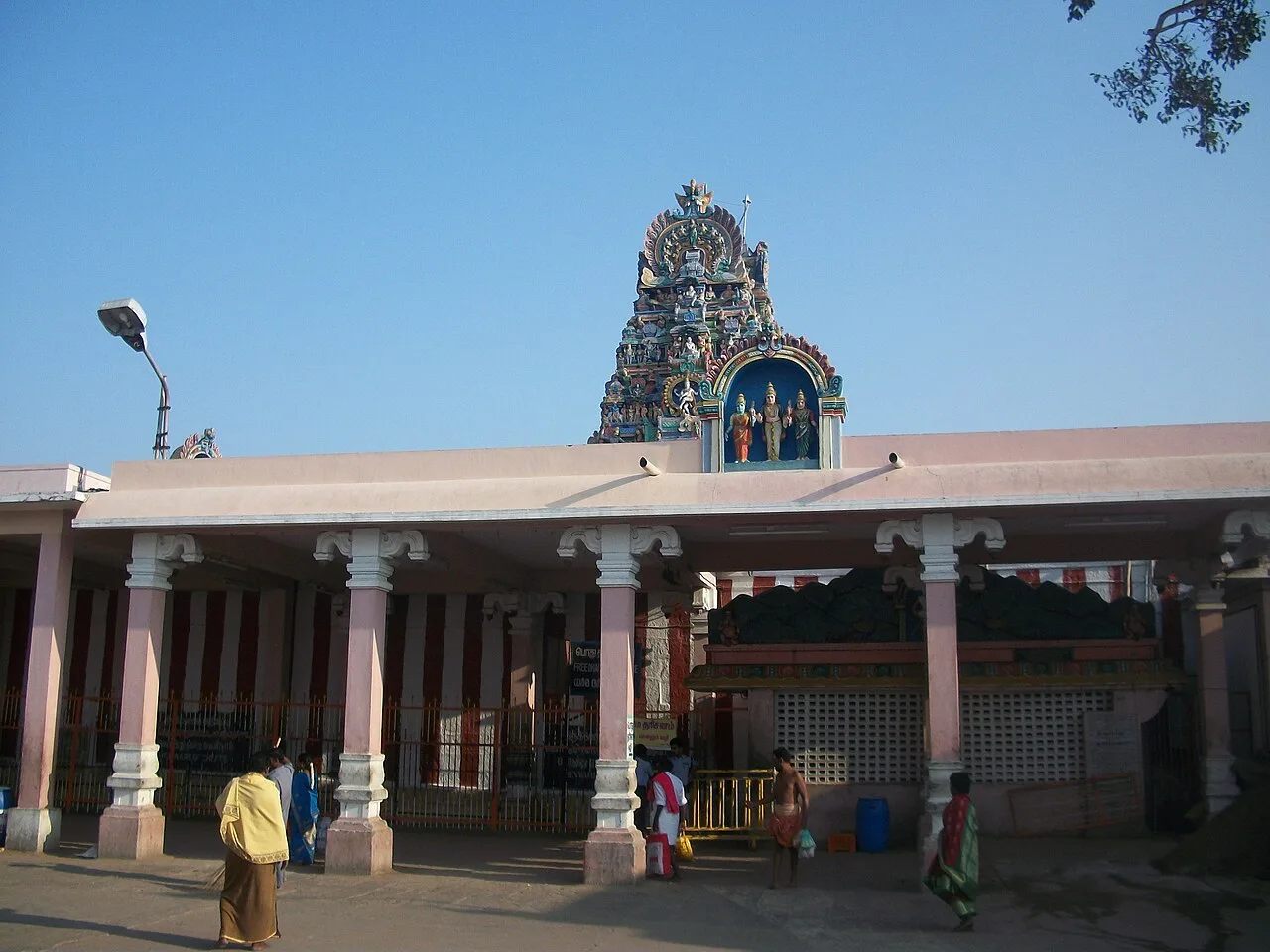
Palani Murugan Temple
Palani Murugan Temple is a Murugan shrine on a hill at Palani in Tamil Nadu. Pilgrims come to worship, observe temple festivals and take part in customs including tonsuring and carrying kavadi.
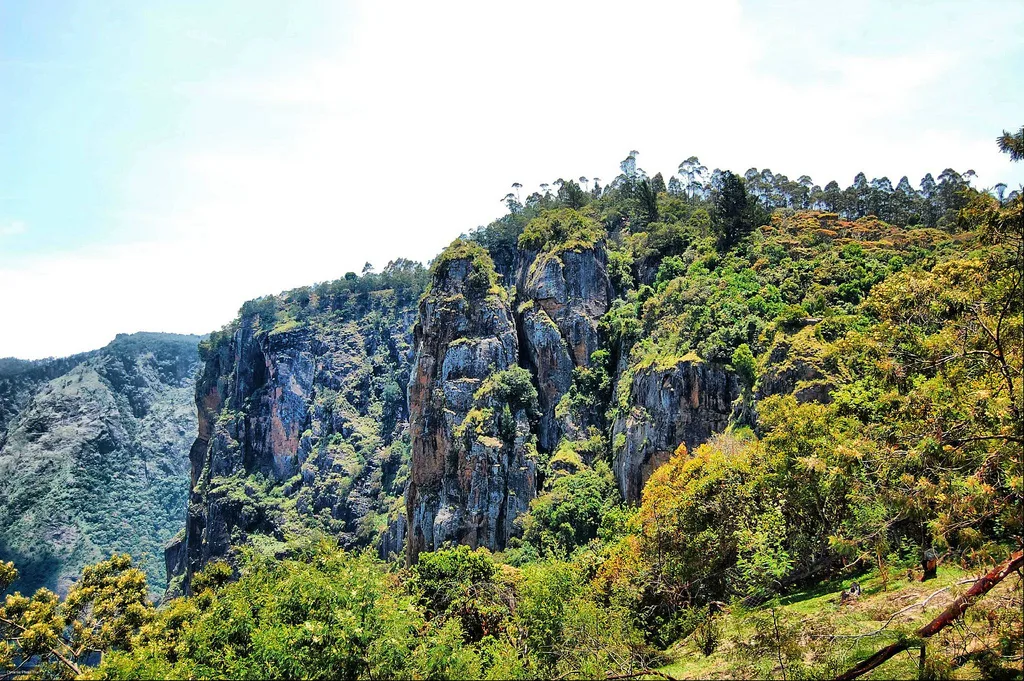
Pillar Rocks
Pillar Rocks is a hill or peak in Dindigul district, Tamil Nadu. Visitors interested in this type of landform may come to see it.
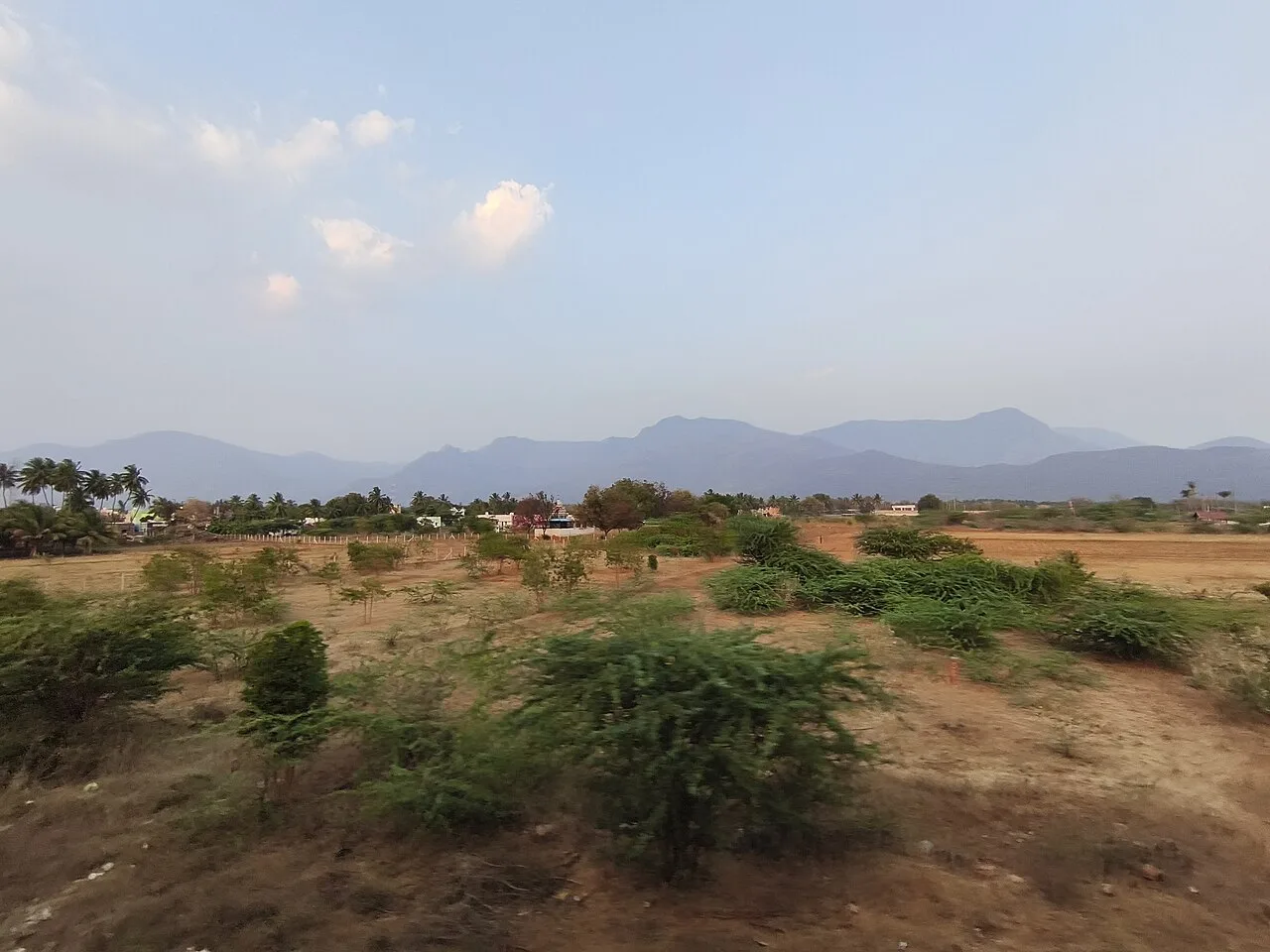
Sirumalai Hills
Sirumalai is a forested mountain region in Tamil Nadu, known for its varied wildlife, hill roads and views. Nearby Azhagar Kovil Hills draw worshippers and offer permitted trekking.
Dindigul is especially associated with biryani made using small-grained seeraga samba rice, commonly prepared with mutton or chicken. Palani is known for panchamirtham, the sweet temple offering associated with Murugan worship. Everyday eating also reflects wider Tamil Nadu traditions: idli and dosa for breakfast, filter coffee, and rice meals with sambar, rasam and vegetable accompaniments, often served on banana leaves. Meat dishes and pepper-rich gravies belong to the broader southern Tamil food landscape rather than being exclusive to Dindigul. In small eateries, ask which dishes have been freshly prepared that day.
Dindigul has a well-established lock-making tradition, with local makers known for sturdy mechanical locks and skilled metalwork. Dindigul Locks have geographical indication recognition, making this a particularly strong district association. Chinnalapatti is another important craft centre, associated with handloom weaving and saree production. When shopping, ask about the fibre, weaving method and place of manufacture rather than assuming every item is locally handwoven. More broadly, Tamil Nadu’s textile and devotional art traditions provide regional context, but should not all be presented as crafts originating in Dindigul.
Palani’s major Murugan festivals, especially Thaipusam in January or February and Panguni Uthiram in March or April, bring large pilgrim crowds and can make nearby accommodation busy. The temple also sees heightened attendance during other important observances in the Tamil calendar. Pongal, usually in January, is celebrated across the district with harvest customs and family gatherings. Kodaikanal’s summer season, generally around May, may include local events and attract holiday visitors. During festival periods and school holidays, plan stays and road journeys ahead; crowd levels vary from year to year.
Elsewhere in Tamil Nadu
The district spans hot, settled plains and uplands of the Palani Hills, with Kodaikanal at higher elevation and the separate Sirumalai range nearer the plains. Forested slopes, reservoirs and cultivated valleys shape routes between its towns. The land rises sharply on the roads to Kodaikanal, where bends, mist and rain can slow travel. Dindigul and Palani are more accessible lowland bases, while reaching hill sights often calls for extra road time. There is no coastline in the district.
The plains can be hot, especially in the late spring and early summer, while Kodaikanal is generally cooler and can feel chilly after dark. The southwest monsoon brings rain to parts of the district, and the northeast monsoon later in the year can also bring wet spells. October to March is often a comfortable period for combining town visits and hill travel, though conditions vary. Summer is popular in Kodaikanal but warmer in the plains and busier during holidays. Pack light clothing, a warm layer for the hills, rain protection in monsoon periods, and sun protection for open roads and temple approaches.
Madurai Airport is a practical air gateway for Dindigul town and Kodaikanal; Coimbatore International Airport is another option, particularly for Palani. Dindigul Junction serves the district headquarters, while Palani has its own railway station. Kodaikanal Road is a commonly used railhead for onward road travel to Kodaikanal, not a station in the hill town itself. Major roads connect Dindigul with Madurai, Tiruchirappalli and other Tamil Nadu centres. State-run and private buses link towns, with taxis and autorickshaws useful for local journeys.
Local buses can serve some routes, but a taxi or hired vehicle is useful for combining dispersed hill sights. Autorickshaws are practical for shorter town journeys. Shared vehicles may be available on some routes, but frequency can vary. Boats operate on Kodaikanal Lake when services are running. Allow extra time for winding roads, rain and seasonal traffic, and check current local transport arrangements before setting out.
2 days: Dindigul Fort → Palani Murugan Temple; sleep in Dindigul on night one. 3 days: Palani Murugan Temple → Dindigul Fort → Sirumalai Hills; sleep in Palani on night one and Dindigul on night two. 4 days: Kodaikanal Lake → Coaker's Walk → Bryant Park → Pillar Rocks → Guna Caves (Devil's Kitchen) → Berijam Lake; sleep in Kodaikanal each night.
Dindigul town is a practical base for the fort and onward journeys across the plains; it has hotels and other town accommodation. Palani suits pilgrims visiting the temple, with hotels and simpler stays, including dharamshalas. Kodaikanal has the broadest choice for hill visits, including hotels, guesthouses and homestays, as well as some institutional or government-run accommodation where available. Book ahead during major temple festivals and holiday periods.
Weather changes quickly in the hills, so carry a warm layer and rain protection. Keep to marked paths at viewpoints and around steep or rocky ground, and do not enter caves or restricted areas. Wildlife may be present near forested areas; keep a respectful distance and follow local guidance. Use safe drinking water and take care in crowded temple approaches. Mobile connectivity can be patchy in upland areas. Access controls may apply at Berijam Lake or other forest locations; confirm any permit requirements officially before travel.
- Theniabout 40 km
- Idukki · Keralaabout 43 km
- Maduraiabout 78 km
- Virudhunagarabout 82 km
- Coimbatoreabout 97 km
- Palakkad · Keralaabout 108 km
- Pathanamthitta · Keralaabout 115 km
- Kottayam · Keralaabout 123 km
Straight-line distance between the centres of each district's destinations; road distance is longer.
All districts of Tamil Nadu
- Ariyalur
- Chengalpattu
- Chennai
- Coimbatore
- Cuddalore
- Dharmapuri
- Erode
- Kallakurichi
- Kancheepuram
- Kanniyakumari
- Madurai
- Mayiladuthurai
- Nagapattinam
- Namakkal
- Nilgiris
- Pudukkottai
- Ramanathapuram
- Salem
- Sivaganga
- Tenkasi
- Thanjavur
- Theni
- Thoothukudi
- Tiruchirappalli
- Tirunelveli
- Tiruvallur
- Tiruvannamalai
- Tiruvarur
- Vellore
- Villupuram
- Virudhunagar
Q: How many days should I spend in Dindigul district? A: Two days can cover a brief plains and pilgrimage visit; allow three or four days to include Kodaikanal and its surrounding sights. Q: When is the best time to visit? A: October to March is often comfortable for a mixed itinerary. Kodaikanal is also popular in summer, though it can be busy. Q: What is the best base for visiting the district? A: Choose Kodaikanal for hill sights, Palani for the temple, or Dindigul town for the fort and plains connections. Q: How do I get to Dindigul and Kodaikanal? A: Dindigul Junction serves Dindigul town and Palani has a railway station. Kodaikanal Road is a railhead for onward road travel to Kodaikanal. Madurai and Coimbatore airports are possible gateways; continue by road. Q: Is the district suitable for families and elderly travellers? A: Yes, with planning.
This page draws on our 9 destination guides for Dindigul and is updated as our team checks it.
Be the first to share photos, stories, advice or a helpful contact for Dindigul.
Loading…