
District · Tamil Nadu
Tirunelveli
Tirunelveli lies in southern Tamil Nadu, where the plains meet the Western Ghats.
Tirunelveli district stretches from the foothills of the Western Ghats across river-fed plains, with the Tamiraparani shaping much of its agricultural landscape. The Ghats bring forested slopes, waterfalls and protected habitats, including parts of Kalakkad Mundanthurai Tiger Reserve. The district’s best-known urban centre, Tirunelveli, grew around the historic Nellaiappar Temple and remains a regional hub for trade, education and travel. Its history is associated with the Pandya kingdoms and later South Indian powers, while temples and older settlements reflect layers of religious and cultural life. Rural communities, river agriculture and busy town centres give the district a varied character, linking mountain country with the plains of southern Tamil Nadu.
Tirunelveli lies in southern Tamil Nadu, where the plains meet the Western Ghats. It offers a mix of temple heritage, river-fed landscapes and access to forested mountain country. In the city, Nellaiappar Temple is a major place of worship and a focus of local cultural life. Beyond the urban centre, Manimuthar Falls and Kalakkad Mundanthurai Tiger Reserve represent the district’s natural attractions, though access to protected areas is regulated. Tirunelveli is a useful base for exploring the southern Western Ghats and nearby towns, as well as for experiencing Tamil Nadu’s temple traditions and regional food culture.
The Tirunelveli region has long been associated with the Pandya country, and its temples and inscriptions reflect centuries of changing political and religious life. Chola influence extended into parts of the region, followed by the Pandyas’ later resurgence. From the medieval period, local powers and the Nayak rulers held authority at different times. In the eighteenth century, the area became part of the contests among the Nawab of the Carnatic, regional rulers and European powers. British East India Company control expanded during this period, and Tirunelveli became part of the Madras Presidency. A colonial district administration was established in the late eighteenth century, with the name often rendered as Tinnevelly in British records. After Indian independence, the district remained part of Madras State, renamed Tamil Nadu in 1969. District boundaries changed over time: Kanyakumari became part of the reorganised Madras State in 1956, and Tenkasi district was formed from Tirunelveli district in 2019. Present-day Tirunelveli district is therefore smaller than the historical district referred to in many older accounts.
4 destination guides · 3 on the map
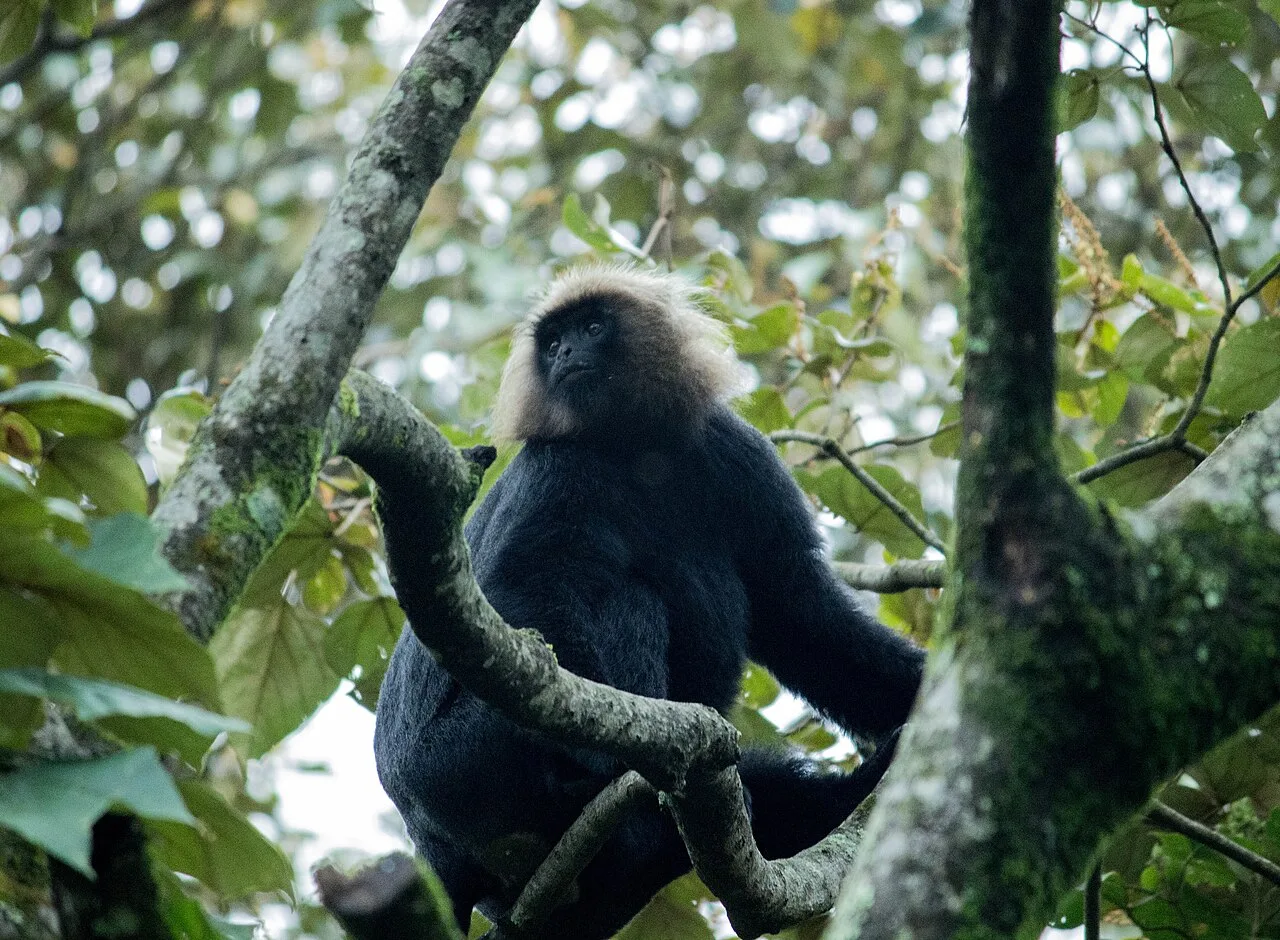
Kalakkad Mundanthurai Tiger Reserve
Kalakkad Mundanthurai Tiger Reserve is a protected area in Tamil Nadu’s South Western Ghats. Visitors come to experience its montane rainforest landscape, and it is part of the Agasthyamala Biosphere Reserve.
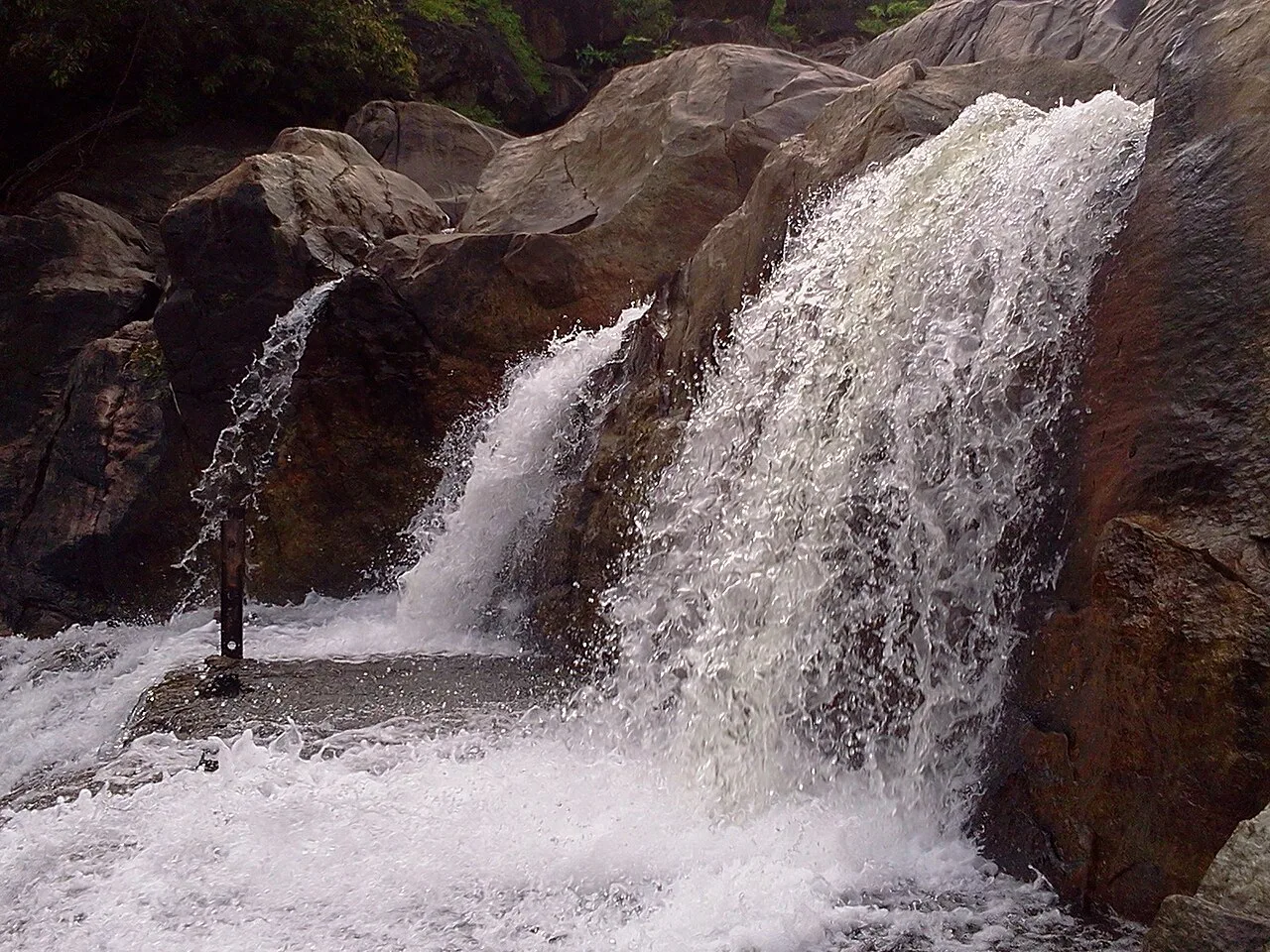
Manimuthar Falls
Manimuthar Falls is a waterfall in Tamil Nadu’s Tirunelveli district. Visitors come to see the falls, the defining feature of this place.
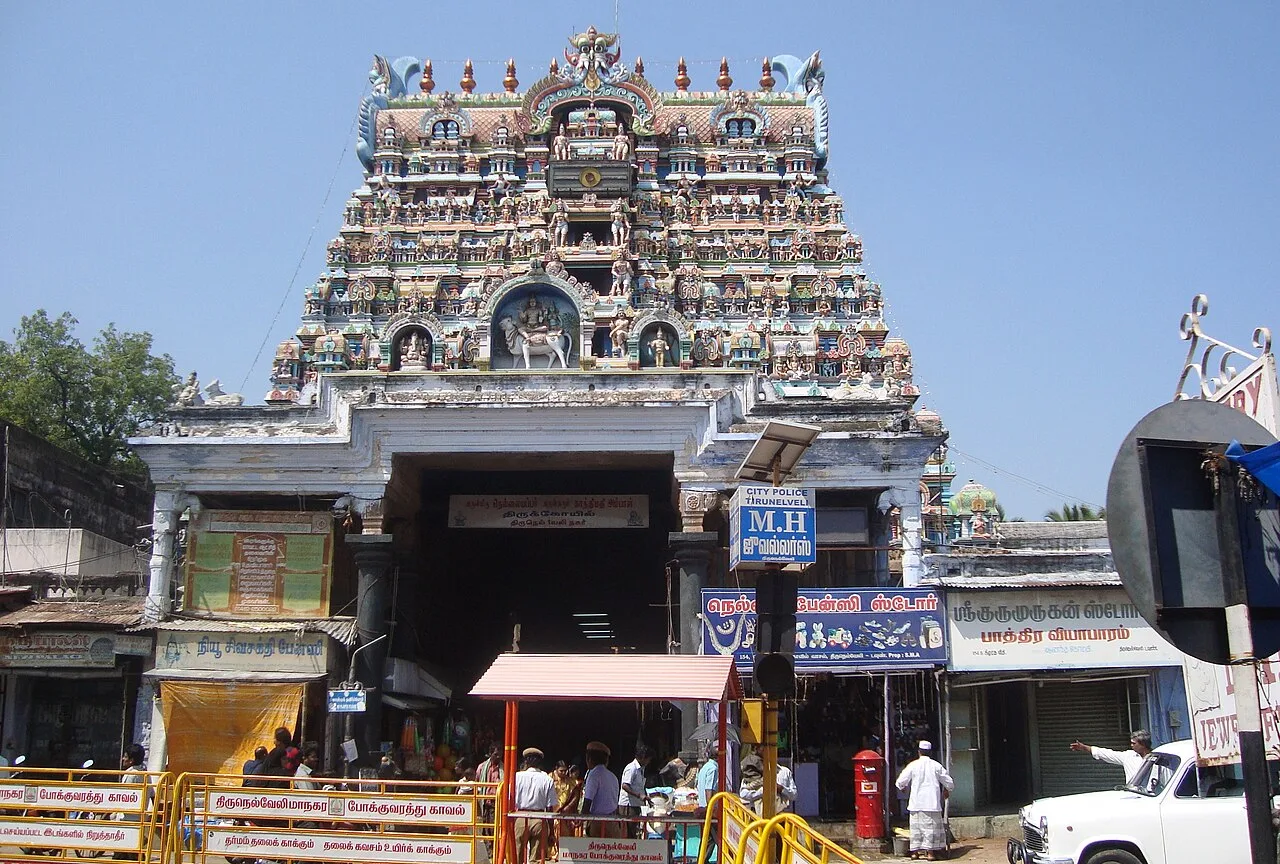
Nellaiappar Temple
Nellaiappar Temple is a Shiva shrine in Tirunelveli, Tamil Nadu, honouring Nellaiappar and Kanthimathi Amman. Visitors come for its Saiva heritage, historic complex and wedding legend.
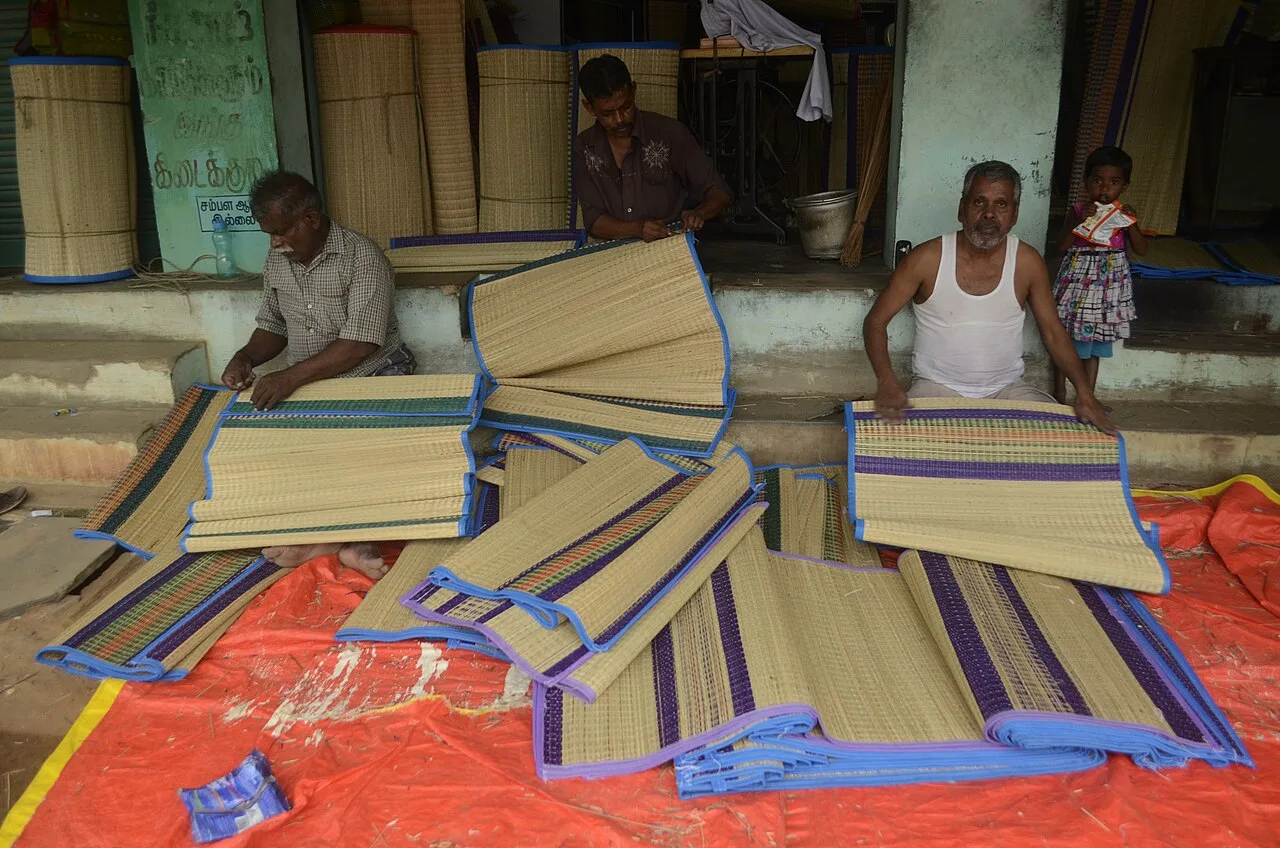
Pattamadai
Pattamadai, also known as Pathamadai, is a village and special-grade town panchayat in Tamil Nadu’s Tirunelveli district. The supplied details name no particular attraction or specific reason for a visit.
Tirunelveli is especially associated with Tirunelveli halwa, a rich sweet traditionally made with wheat, sugar and ghee. Across the district, everyday Tamil meals may include rice, sambar, rasam, vegetable dishes and accompaniments served on a banana leaf; idli, dosa and filter coffee are common choices too. Tamarind, chilli and pepper feature in many regional preparations. Menus vary between towns and small eateries, so ask what has been cooked fresh that day. The district’s food belongs to the wider southern Tamil Nadu tradition, with local kitchens adapting familiar dishes to household and seasonal tastes.
Pattamadai, in Tirunelveli district, is known for its finely woven korai-grass mats, commonly called Pattamadai pai. The mats are valued for their smooth finish and close weave, and Pattamadai Pai has a Geographical Indication tag. Weaving skill and knowledge of preparing the grass are central to the tradition. Palm-leaf work and other household crafts are also found in parts of Tamil Nadu, though their presence and form vary by locality. Visitors interested in crafts can ask locally about workshops or sellers, as availability may be seasonal and not every product is made in the same village.
Pongal, usually celebrated in January, is observed across the district as a harvest festival. Nellaiappar Temple’s major annual celebrations, including its Aani car festival, draw worshippers from Tirunelveli and surrounding areas; temple festivities and other Hindu observances take place at different times through the year. Regional celebrations such as Navaratri also bring activity to temples and towns. Crowds and demand for rooms can rise around major temple events and holiday periods, so travellers planning to visit then should check local festival schedules and arrange accommodation ahead where possible.
Elsewhere in Tamil Nadu
The district spans settled plains and river valleys below the Western Ghats, with hills and forested slopes to the west. The Tamiraparani and its tributaries support agriculture and connect many communities; waterfalls and foothill routes are among the region’s natural draws. Kalakkad Mundanthurai Tiger Reserve protects a large area of Ghats forest, while Manimuthar Falls lies in the foothill landscape. Forest visits may require advance planning and compliance with local access rules.
Summer, broadly from March to June, can be hot, particularly in the plains; plan outdoor visits for cooler parts of the day. The southwest monsoon brings rain to parts of the region from around June, while the northeast monsoon, usually from October into December, can bring further wet spells. Conditions vary between the plains and the Western Ghats, and rain can affect waterfall visits and forest access. The cooler, generally drier months from November to February are often comfortable for sightseeing. Pack light, breathable clothing, sun protection and a refillable water bottle; bring a rain layer and sturdy footwear if visiting foothills or waterfalls.
Tirunelveli Junction is the district’s principal railway station, with rail connections to major cities in Tamil Nadu and beyond. Thoothukudi (Tuticorin) Airport is the nearest operating airport for many visits to the district; flight options may be limited, so check connections before planning. National Highway 44 links Tirunelveli with Madurai to the north and Kanyakumari to the south, while state highways connect nearby towns. TNSTC and SETC buses serve many towns, and local buses, taxis and auto-rickshaws can help with shorter trips. Access to forest destinations may require advance local checks. Check current services locally before travelling.
Tirunelveli city is the main transport hub, with road and rail connections to other parts of Tamil Nadu. Local and inter-town buses connect the city with places such as Ambasamudram and other district towns, though services to waterfall approaches and forest entry points may be less frequent. Autos are useful for short town trips; taxis or locally arranged vehicles can help with longer day trips. Shared jeeps may operate in some foothill areas, but availability and access vary. Check locally before setting out, especially for protected-area visits. There is no need to rely on boat transport for the listed sights.
2 days: Nellaiappar Temple; sleep in Tirunelveli. Manimuthar Falls; return to Tirunelveli. 3 days: Nellaiappar Temple; sleep in Tirunelveli. Manimuthar Falls; sleep in Ambasamudram or a nearby town. Kalakkad Mundanthurai Tiger Reserve; return to Tirunelveli.
Tirunelveli city is the most practical base for Nellaiappar Temple and for transport connections across the district. Ambasamudram or another nearby foothill town can suit travellers visiting Manimuthar Falls, subject to road access and local arrangements. Accommodation generally includes hotels and lodges in larger towns, with some homestays and pilgrim-oriented stays; availability is more limited near forest areas. Options and services vary by town, so check suitability and access before booking, especially for a multi-day nature-focused trip.
Take care on wet paths and rocks at Manimuthar Falls, and avoid entering water when conditions are unsafe or local advice restricts access. In Kalakkad Mundanthurai Tiger Reserve, stay within authorised areas, follow staff or guide instructions, and never approach or feed wildlife. Entry rules and permissions depend on the area and activity; confirm current requirements with official reserve or local authorities before travelling. Carry drinking water and sun protection, expect mobile connectivity to weaken in remote areas, and allow extra time for crowds at temple festivals.
- Tenkasiabout 32 km
- Kanniyakumariabout 60 km
- Thoothukudiabout 62 km
- Thiruvananthapuram · Keralaabout 71 km
- Virudhunagarabout 92 km
- Pathanamthitta · Keralaabout 109 km
- Kollam · Keralaabout 109 km
- Theniabout 133 km
Straight-line distance between the centres of each district's destinations; road distance is longer.
All districts of Tamil Nadu
- Ariyalur
- Chengalpattu
- Chennai
- Coimbatore
- Cuddalore
- Dharmapuri
- Dindigul
- Erode
- Kallakurichi
- Kancheepuram
- Kanniyakumari
- Madurai
- Mayiladuthurai
- Nagapattinam
- Namakkal
- Nilgiris
- Pudukkottai
- Ramanathapuram
- Salem
- Sivaganga
- Tenkasi
- Thanjavur
- Theni
- Thoothukudi
- Tiruchirappalli
- Tiruvallur
- Tiruvannamalai
- Tiruvarur
- Vellore
- Villupuram
- Virudhunagar
Q: How many days should I spend in Tirunelveli district? A: Two days can cover the city temple and a waterfall visit; allow three days if you also plan a forest visit and want a less rushed itinerary. Q: When is the best time to visit? A: November to February is often more comfortable for general sightseeing, though conditions in the hills can differ and rain may affect access. Q: Where is the best base? A: Tirunelveli city is the most convenient general base; a foothill town such as Ambasamudram may suit visits to Manimuthar Falls. Q: How do I get to Tirunelveli? A: The city is connected by rail and road to other parts of Tamil Nadu. From there, local buses, autos and arranged vehicles can help reach district sights. Q: Is the district suitable for families or elderly travellers? A: Tirunelveli city and its temple are suitable for many visitors, but waterfall paths and forest outings may involve uneven ground, steps or limited facilities. Choose activities according to mobility and check access conditions.
This page draws on our 4 destination guides for Tirunelveli and is updated as our team checks it.
Be the first to share photos, stories, advice or a helpful contact for Tirunelveli.
Loading…