
District · Tamil Nadu
Tenkasi
Tenkasi offers a compact way to experience Tamil Nadu’s southern foothills, where temple towns, farmland and the wooded edge of the Western Ghats meet.
Tenkasi lies along the eastern foothills of the Western Ghats in southern Tamil Nadu, where cultivated plains meet wooded slopes and seasonal waterfalls. Courtallam, also written Kutralam, gives the district much of its holiday character, especially when rain feeds its cascades. Tenkasi town centres on the Kasi Viswanathar Temple, whose history connects it with the later Pandya rulers and the sacred geography of Varanasi. Created from Tirunelveli district in 2019, Tenkasi retains close cultural and commercial ties with its neighbour. Temple streets, agricultural settlements and busy waterfall-season markets shape the visitor experience. Papanasam, Agasthiyar Falls and Manjolai are better treated as excursions into neighbouring Tirunelveli rather than as confirmed Tenkasi district attractions.
Tenkasi offers a compact way to experience Tamil Nadu’s southern foothills, where temple towns, farmland and the wooded edge of the Western Ghats meet. It is best known for Courtallam (Kutralam), whose cascades draw visitors especially during the rainy season, and for the Kasi Viswanathar Temple in Tenkasi town. The district also provides a cultural and road link between Tirunelveli and southern Kerala, with Sengottai near the state border. Travellers can combine temple visits with waterfall outings, but some attractions commonly associated with the area, including Papanasam and Manjolai, are in neighbouring Tirunelveli district and should be planned as separate excursions.
The area has long been connected with the Pandya country of southern Tamil Nadu. Tenkasi’s Kasi Viswanathar Temple reflects the later Pandya period and a local tradition that evokes Varanasi; the town’s name itself is commonly understood as “southern Kasi.” The wider region later came under successive powers, including Vijayanagara and the Nayak rulers, whose influence shaped temple and administrative life in parts of southern Tamil Nadu. Under British rule, the area was administered within the Madras Presidency. Sengottai had historical links with Travancore; following the reorganisation of states in 1956, it became part of Madras State, later renamed Tamil Nadu. After independence, the region remained part of Tirunelveli district. Tenkasi district was formed in 2019 when it was separated from Tirunelveli. Its modern identity still reflects these connections: Tamil temple traditions and agricultural settlements sit alongside cross-border trade and travel routes towards Kerala.
4 destination guides · 2 on the map
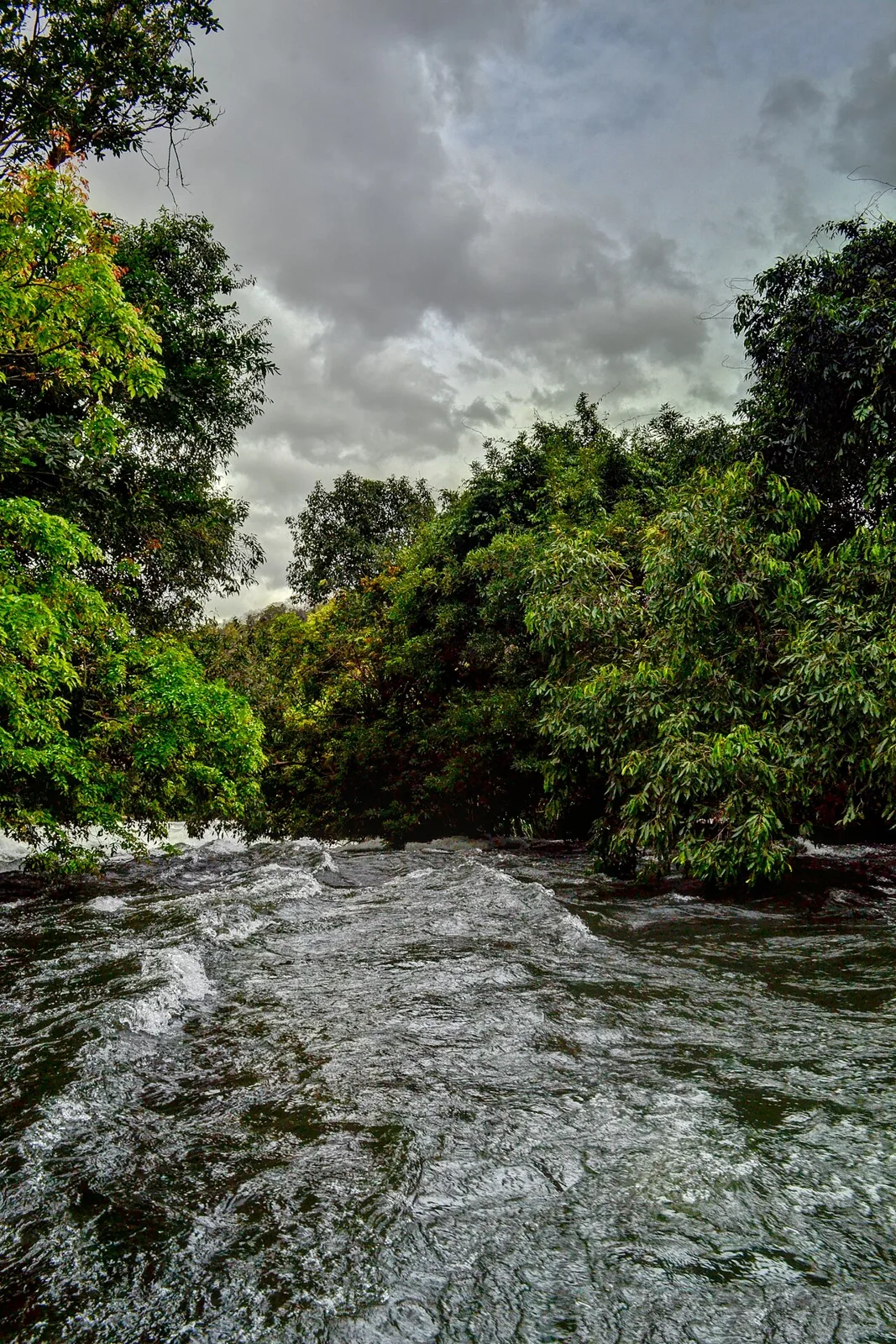
Agasthiyar Falls
Agasthiyar Falls, also known as Papanasam Falls, is a waterfall in Tamil Nadu near Papanasam. Visitors include devotees of Papanasanathar Temple and Sabarimala, drawn by the falls’ religious associations.
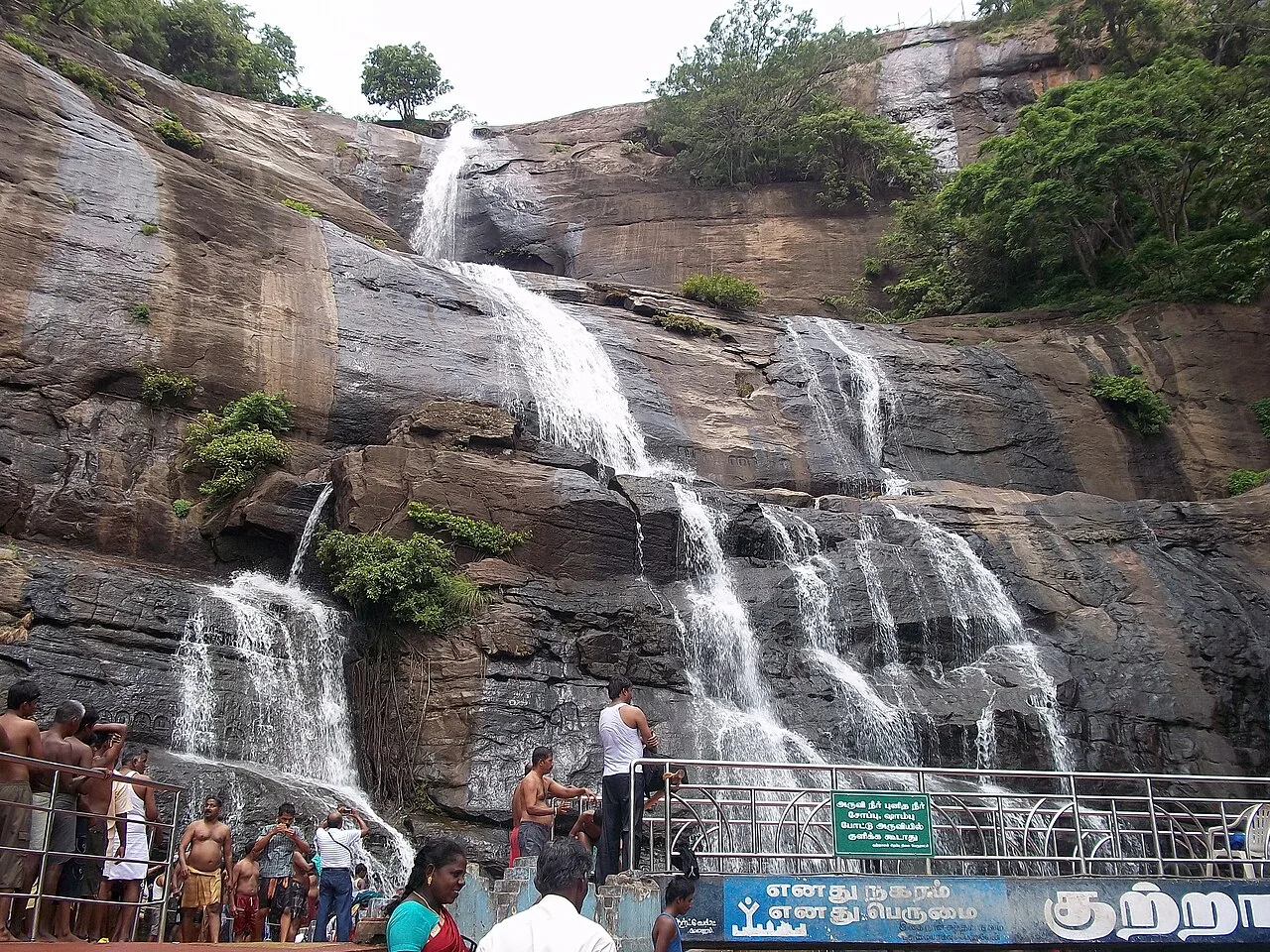
Courtallam (Kutralam) Falls
Courtallam, also known as Kutralam, is a waterfall area in Tenkasi district, Tamil Nadu. Visitors come to see the falls on the Chittar River, a prominent local attraction.
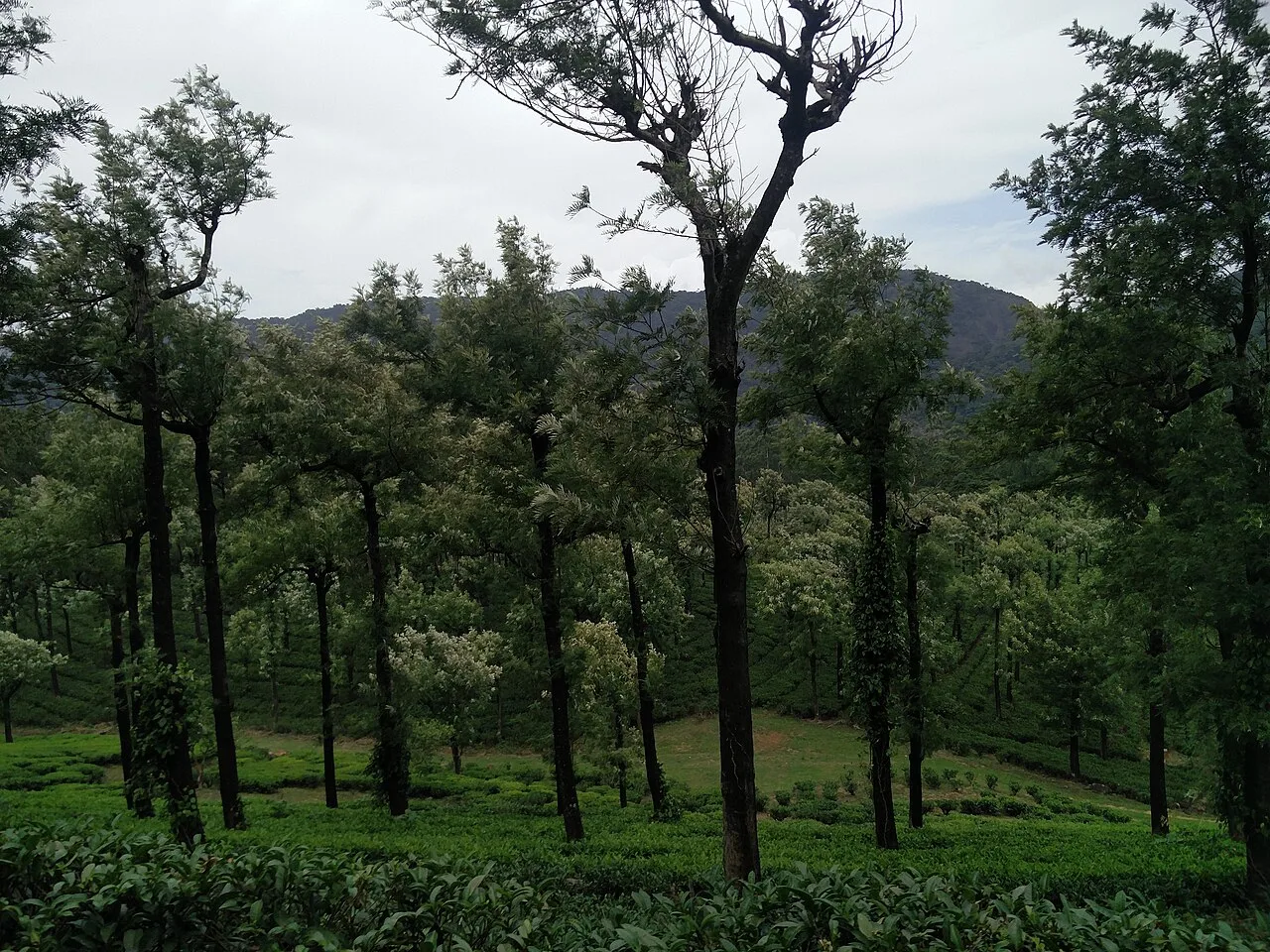
Manjolai Hills
Manjolai Hills is a hill or peak in Tenkasi district, Tamil Nadu. Visitors go there to experience this elevated natural feature.
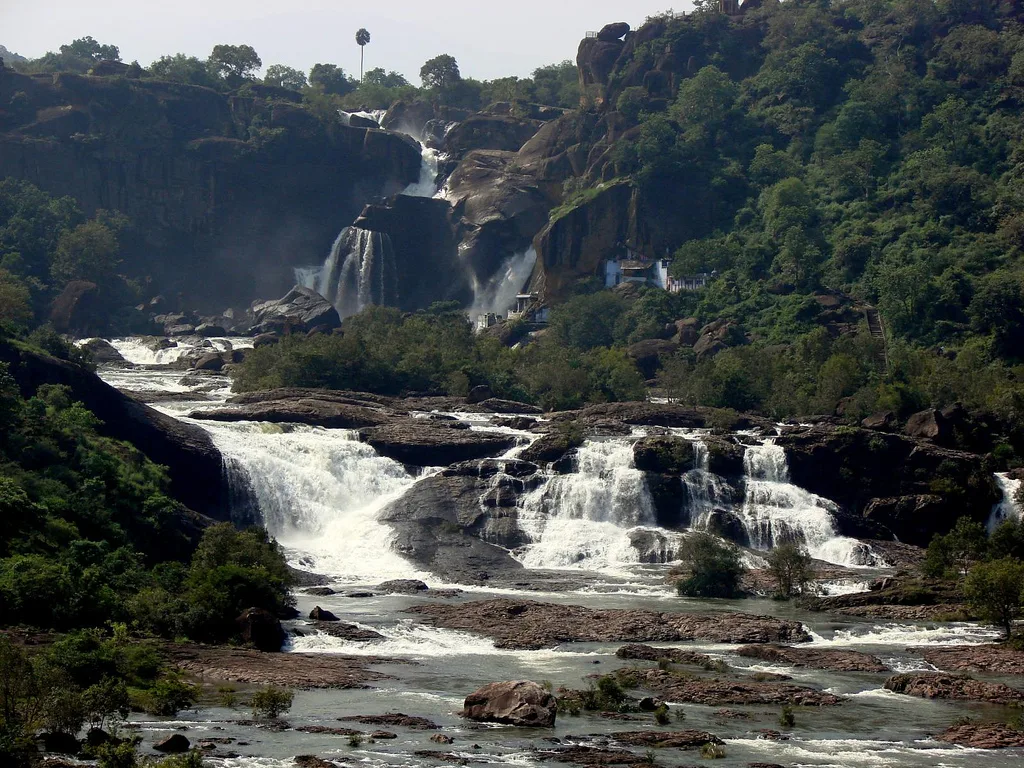
Papanasam Falls
Papanasam Falls is a waterfall in Tamil Nadu’s Tenkasi district. Visitors come to see the falls, a natural feature identified by its name and location.
Food in Tenkasi belongs to the wider southern Tamil Nadu tradition: idli and dosa for breakfast, filter coffee, and rice meals with sambar, rasam, vegetables and curd. Banana-leaf service remains a familiar part of regional dining, particularly for full meals and celebrations. Non-vegetarian eateries may offer peppery chicken or mutton preparations, though menus vary considerably. Tirunelveli halwa is a well-known sweet from the neighbouring city, not a speciality exclusive to Tenkasi. Adhirasam and other Tamil sweets also belong to the wider regional repertoire. At small eateries, ask which dishes have been freshly prepared that day.
Tenkasi's artistic heritage is most clearly encountered in temple architecture and stone sculpture, particularly at the Kasi Viswanathar Temple. These belong to the broader artistic traditions of southern Tamil Nadu rather than to a single district-specific craft. In neighbouring Tirunelveli district, Pattamadai is renowned for finely woven korai-grass mats, a useful regional craft connection for travellers exploring both districts. Tamil Nadu also has strong handloom traditions, but textiles sold in Tenkasi should not automatically be assumed to have been woven locally; ask sellers about their origin.
Pongal, celebrated in January, is an important harvest festival across the district, with family gatherings and activity in agricultural towns. Temples hold annual festivals at different times of the year, often including processions and local fairs; dates vary by temple and Tamil calendar. Navaratri and Tamil New Year are also observed. Courtallam becomes particularly busy during the southwest monsoon and the associated waterfall season, when weekend visitors can make rooms and road access more difficult. For major temple events or peak waterfall periods, reserve accommodation ahead and check local conditions.
Elsewhere in Tamil Nadu
Tenkasi lies inland, where the cultivated plains rise towards the eastern slopes of the Western Ghats. The district has no coast; its landscape is a mix of fields, settlements, streams and foothill scenery. Courtallam’s falls are closely tied to seasonal rain, while roads towards Sengottai pass through a greener, hill-fringed setting. The Chittar river system and smaller watercourses support agriculture, though flow and access vary with the season. Travel is generally straightforward between towns, but foothill routes and waterfall approaches can become slippery or temporarily restricted after heavy rain.
The warmer summer months can make outdoor sightseeing tiring, especially around midday. The southwest monsoon, broadly from June into the early autumn, brings the rains that feed Courtallam’s falls, but heavy showers can affect roads and access. The northeast monsoon later in the year can also bring rain. The cooler, drier months from roughly November to February are often comfortable for temple visits and town-to-town travel; waterfall flow may be less dependable than in the rainy season. Pack light breathable clothing, sun protection and water, with a light rain layer and footwear that grips well if visiting falls. Check conditions before travelling into the foothills.
Tenkasi Junction is the main rail gateway for the district and a convenient arrival point for Courtallam. Thoothukudi Airport and Thiruvananthapuram International Airport are regional air gateways; compare onward road routes as well as flight availability before booking. Roads connect Tenkasi with Tirunelveli, Madurai and, through Sengottai, southern Kerala. State-run and private buses serve the main towns, while local buses, auto-rickshaws and taxis cover shorter journeys. For waterfalls and hill excursions, confirm access before setting out: heavy rain or forest restrictions can alter plans. Check current services locally.
Tenkasi town and Tenkasi Junction are useful starting points for local travel. Buses connect the main towns, including Courtallam and Sengottai, while auto-rickshaws are practical for shorter journeys within towns. Taxis or hired cars offer more flexibility for waterfall stops and foothill routes, particularly when travelling with family or carrying luggage. Shared vehicles may operate on some local routes, but availability can vary. Roads can be busy during the Courtallam season and slower in heavy rain. Papanasam, Agasthiyar Falls and Manjolai are in neighbouring Tirunelveli district, so confirm routes and access separately before setting out.
Tenkasi town is the most practical base for the railway station, temple and onward road journeys. Courtallam suits visitors whose main interest is the falls, though accommodation can be in greater demand during the rainy season and busy weekends. Both areas generally offer hotels and guesthouses, with homestays available in some localities. Options may be more limited in smaller settlements, so do not assume a government lodge or dharamshala will be available without checking. For excursions to Papanasam or Manjolai, which are in neighbouring Tirunelveli district, plan overnight stays and transport separately.
Waterfall rocks and paths can be slippery, especially after rain; follow barriers and local instructions, and avoid entering swollen streams. Monsoon showers may reduce visibility, slow road travel or lead to temporary access restrictions. Use drinking water from a reliable source, carry essentials in rural areas and take sun protection on clear days. Crowds can build at Courtallam during the falls season, so keep valuables secure and allow extra travel time. Mobile connectivity may be weaker on some foothill routes. Wildlife and forest-edge conditions call for staying on established routes. Check officially with local authorities or forest officials about current access rules or permits before any forest-area outing; do not assume access is unrestricted.
- Tirunelveliabout 32 km
- Thiruvananthapuram · Keralaabout 53 km
- Kanniyakumariabout 76 km
- Kollam · Keralaabout 78 km
- Pathanamthitta · Keralaabout 79 km
- Virudhunagarabout 84 km
- Thoothukudiabout 92 km
- Theniabout 119 km
Straight-line distance between the centres of each district's destinations; road distance is longer.
All districts of Tamil Nadu
- Ariyalur
- Chengalpattu
- Chennai
- Coimbatore
- Cuddalore
- Dharmapuri
- Dindigul
- Erode
- Kallakurichi
- Kancheepuram
- Kanniyakumari
- Madurai
- Mayiladuthurai
- Nagapattinam
- Namakkal
- Nilgiris
- Pudukkottai
- Ramanathapuram
- Salem
- Sivaganga
- Thanjavur
- Theni
- Thoothukudi
- Tiruchirappalli
- Tirunelveli
- Tiruvallur
- Tiruvannamalai
- Tiruvarur
- Vellore
- Villupuram
- Virudhunagar
Q: How many days should I spend in Tenkasi district? A: Two days can cover Tenkasi and Courtallam at a relaxed pace. Allow three or more if adding excursions in neighbouring Tirunelveli district. Q: When is the best time to visit? A: The cooler months are comfortable for general sightseeing; the rainy season is when Courtallam’s falls are more likely to be flowing, but access can change with weather. Q: Where is the best base? A: Tenkasi town is convenient for transport and the temple; Courtallam is a useful base when the falls are the main focus. Q: How do I get to Tenkasi? A: Tenkasi Junction is the main rail gateway. Road and bus connections link the district with Tirunelveli, Madurai and Sengottai; regional airports require onward road travel. Q: Is Tenkasi suitable for families or elderly travellers? A: Yes, temple and town visits can suit many travellers. Waterfall paths may be uneven or slippery, so choose accessible stops and assess mobility needs before visiting.
This page draws on our 4 destination guides for Tenkasi and is updated as our team checks it.
Be the first to share photos, stories, advice or a helpful contact for Tenkasi.
Loading…