
District · Tamil Nadu
Coimbatore
Coimbatore offers a mix of Tamil Nadu’s industrial and cultural life with access to the Western Ghats.
Coimbatore district lies in western Tamil Nadu, in the Kongu region, with the Western Ghats rising along its western and southern edges. The landscape ranges from the busy urban plain around Coimbatore city to forested hills, reservoirs and tea-growing slopes near Valparai. The Noyyal River crosses the region, while the Palghat Gap has long linked it with Kerala and supported movement and trade. The area has a history shaped by Kongu regional kingdoms and later by its role as a commercial centre. Today Coimbatore is known for textiles, engineering and manufacturing, as well as for temples and access to hill and forest destinations. Pollachi and Valparai offer a quieter contrast to the city.
Coimbatore offers a mix of Tamil Nadu’s industrial and cultural life with access to the Western Ghats. In the Kongu region of western Tamil Nadu, the district is known for textiles, engineering and manufacturing, while Coimbatore city serves as a major commercial centre and a gateway to Pollachi and the hill station of Valparai. Travellers can visit long-established temples, museums and the Adiyogi Shiva Statue, or travel west and south to reservoirs, waterfalls, tea-growing slopes and forested hills. Its position near the Palghat Gap also gives the region a longstanding connection with Kerala. The district suits visitors seeking both an urban stay and road trips into the hills.
Coimbatore lies in the historic Kongu region, whose local history includes periods of rule by the Kongu Cheras and Western Gangas, followed by the influence of the Cholas. Control later shifted among regional powers, including the Vijayanagara rulers and the kingdoms of Mysore. These changes connected the region to wider political and trading networks, while agriculture and local crafts remained important. Under British rule, Coimbatore became an administrative centre in the Madras Presidency. The district took shape as a colonial administrative unit in the early nineteenth century, though its boundaries have changed since. The growth of irrigation, transport and textile production helped develop Coimbatore city into a major commercial and industrial centre. After Indian independence, the area became part of Madras State, renamed Tamil Nadu in 1969. District boundaries were subsequently reorganised; Tiruppur district was separated from Coimbatore in 2009. The present district combines the city and its surrounding Kongu settlements with hill and forest areas toward the Western Ghats.
9 destination guides
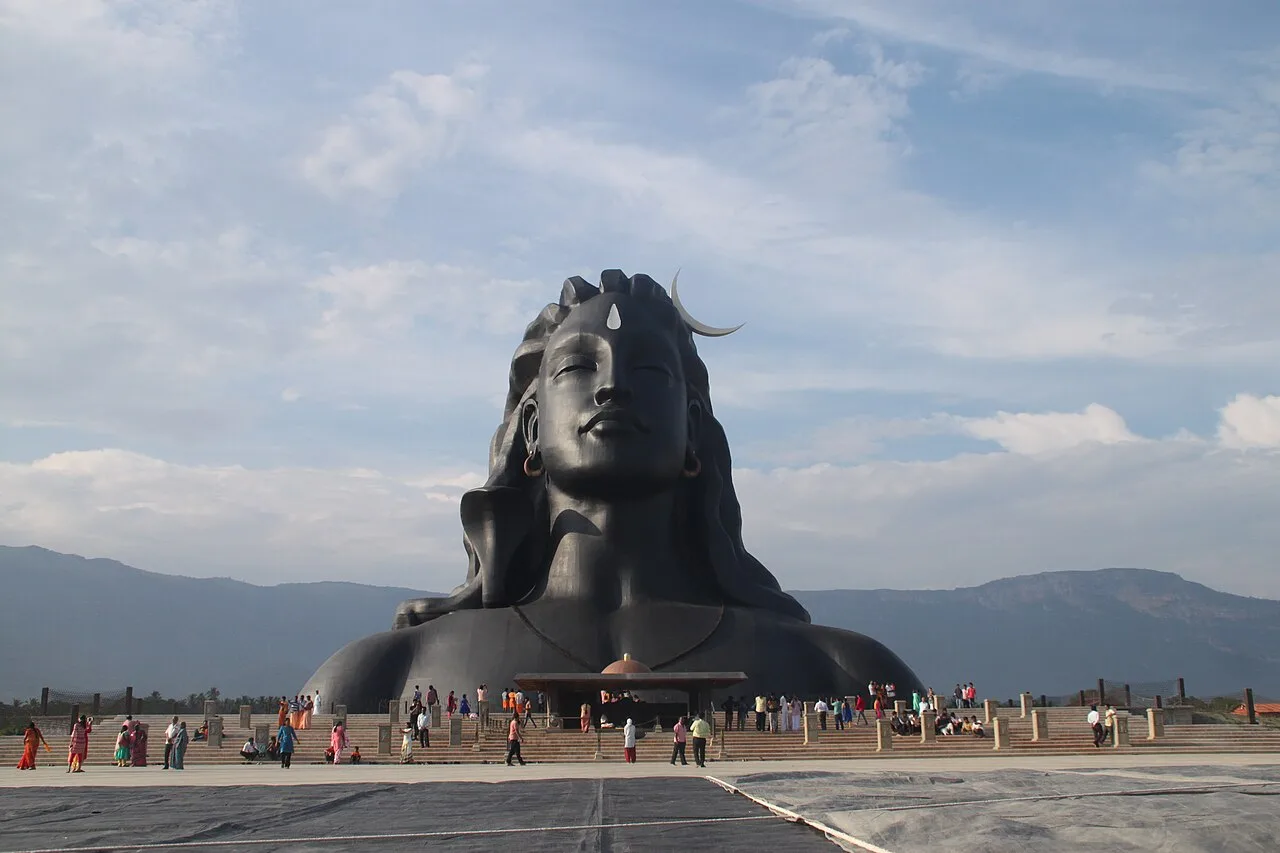
Adiyogi Shiva Statue, Coimbatore
The Adiyogi Shiva Statue is a steel bust of Shiva in Coimbatore, Tamil Nadu. People visit to see its record-setting scale and learn about its connection with yoga and inner well-being.
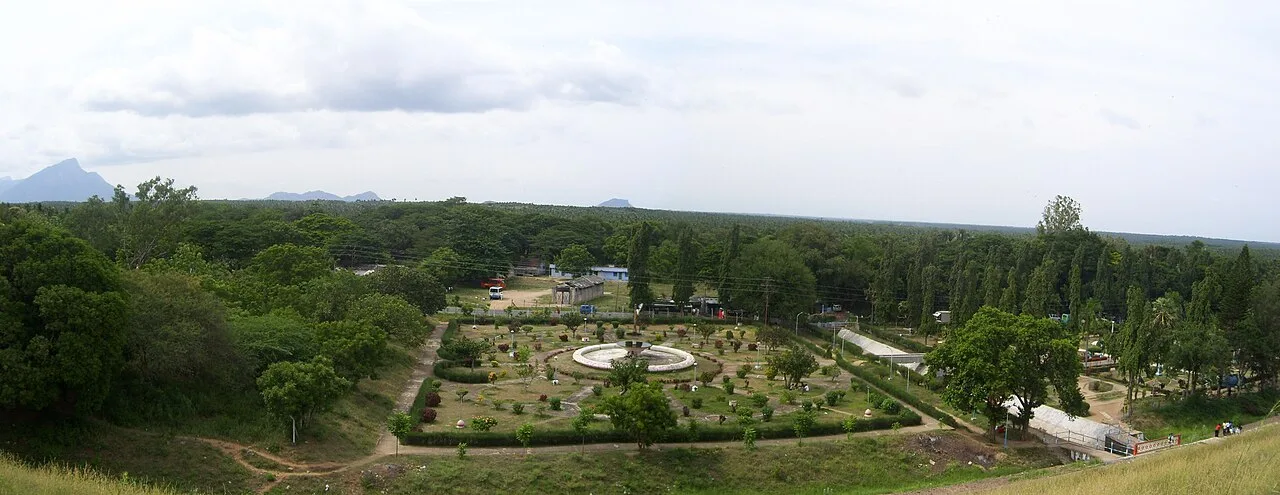
Aliyar Dam and Reservoir
Aliyar Dam and Reservoir is a water-storage site in Tamil Nadu’s Anaimalai Hills. Visitors come for boating, mountain views and facilities including a park, aquarium and play area.
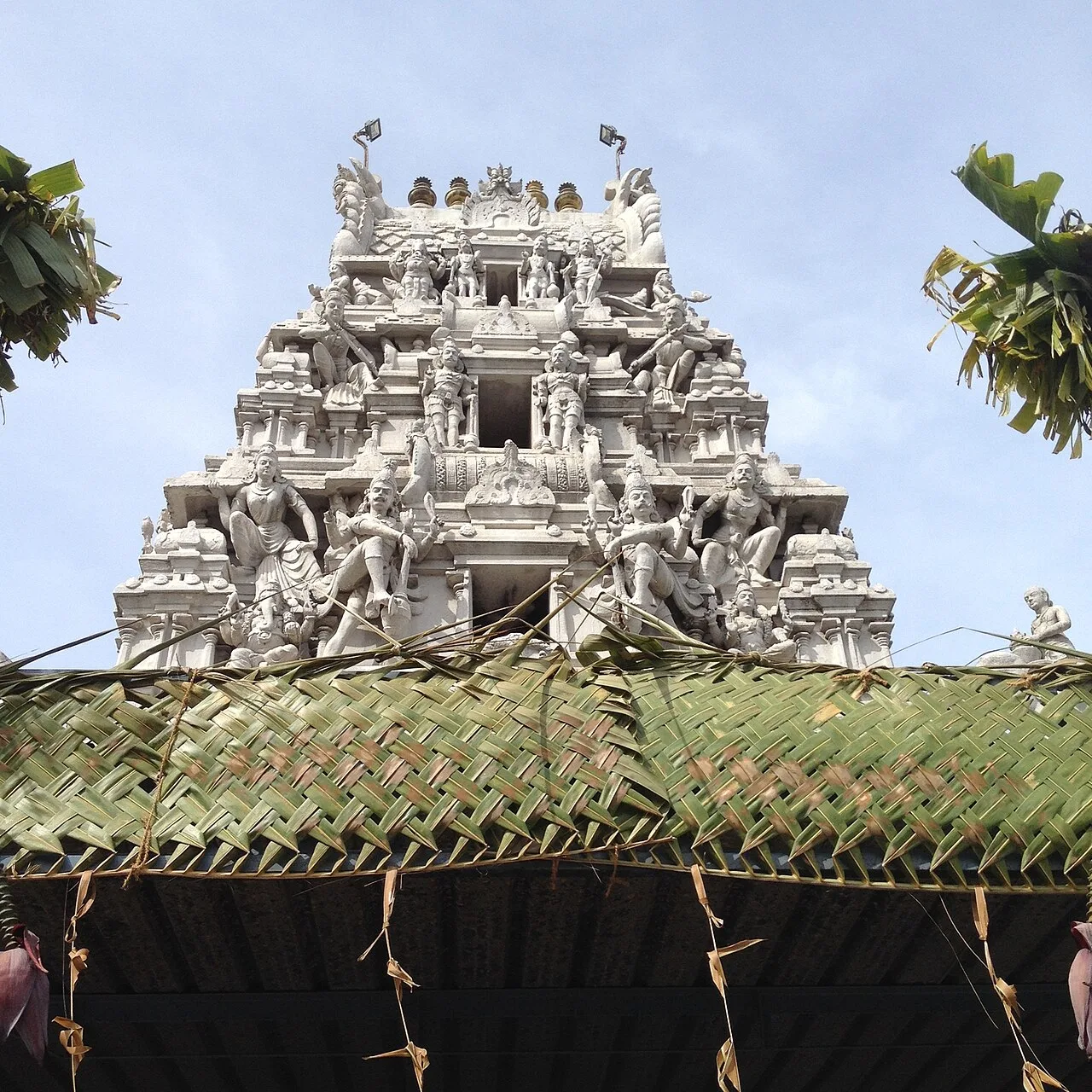
Eachanari Vinayagar Temple
Located in Eachanari near Coimbatore, this Tamil Nadu temple honours Vinayagar. Visitors come to worship the Hindu deity at a shrine around 12 km from Coimbatore city.
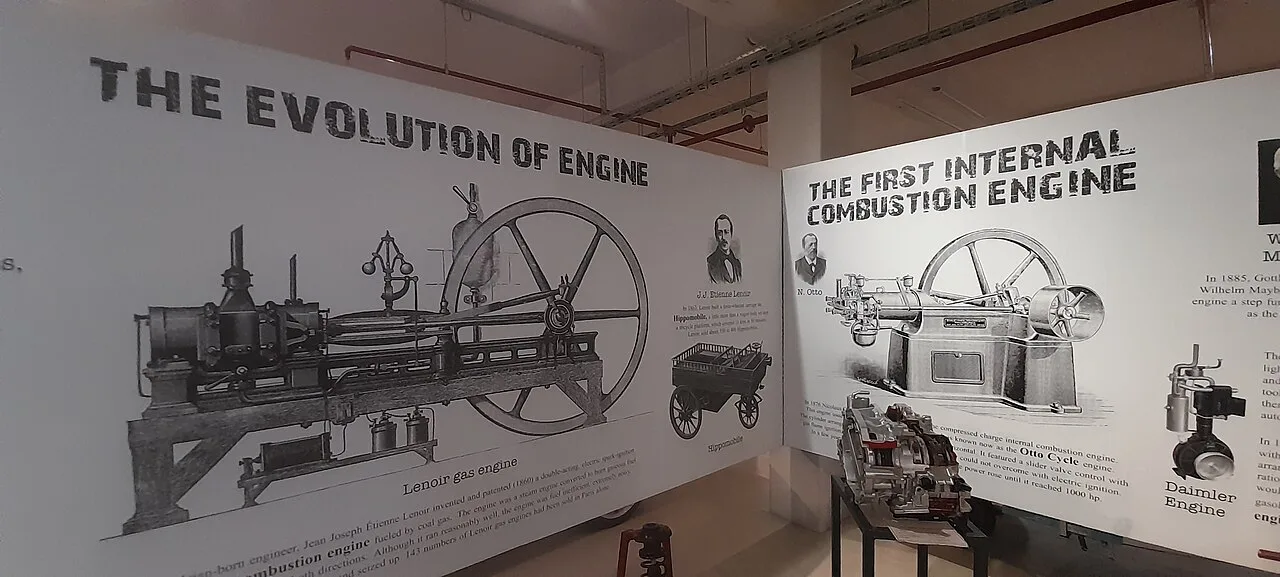
Gedee Car Museum
In Coimbatore, Tamil Nadu, Gedee Car Museum is a privately run museum devoted to vintage cars. Visitors come to view its automobiles and find it within the wider GD Museums complex.
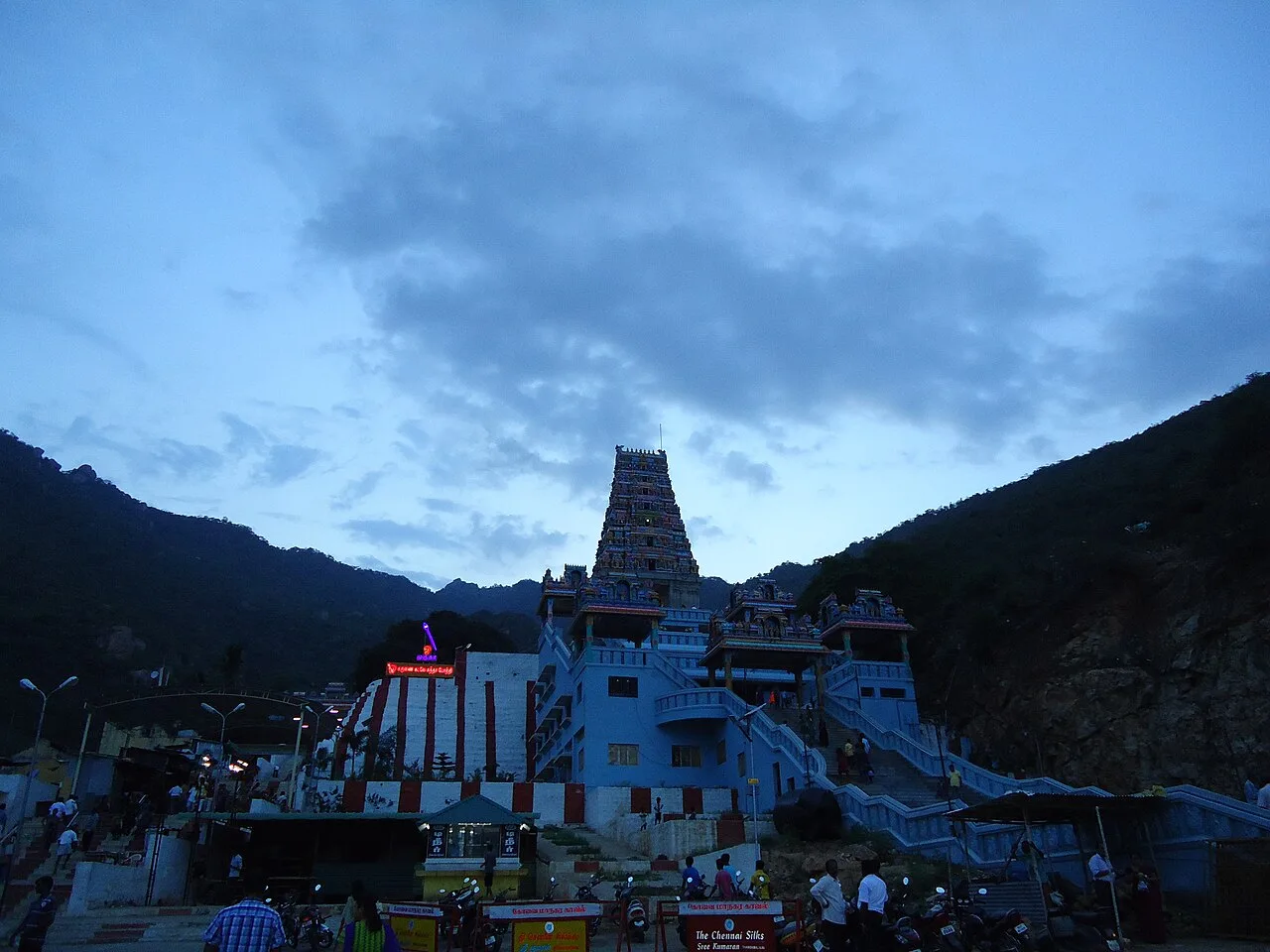
Marudamalai Murugan Temple
Marudamalai Murugan Temple is a hilltop shrine in Tamil Nadu’s Coimbatore district, drawing pilgrims and visitors to the Marudhamalai area.
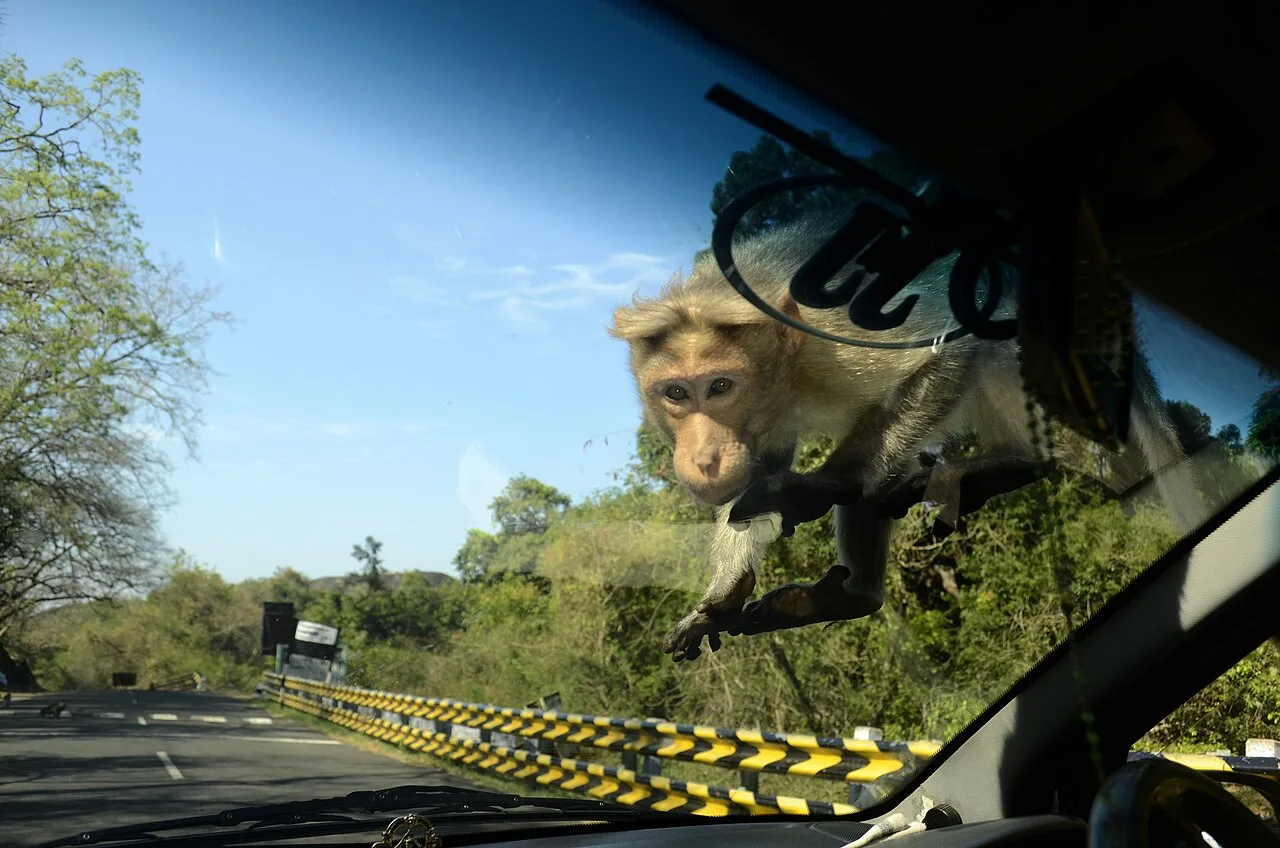
Monkey Falls
Monkey Falls is a natural waterfall in the Anaimalai Hills of Coimbatore district, near the route between Pollachi and Valparai. Visitors come to see the falls.
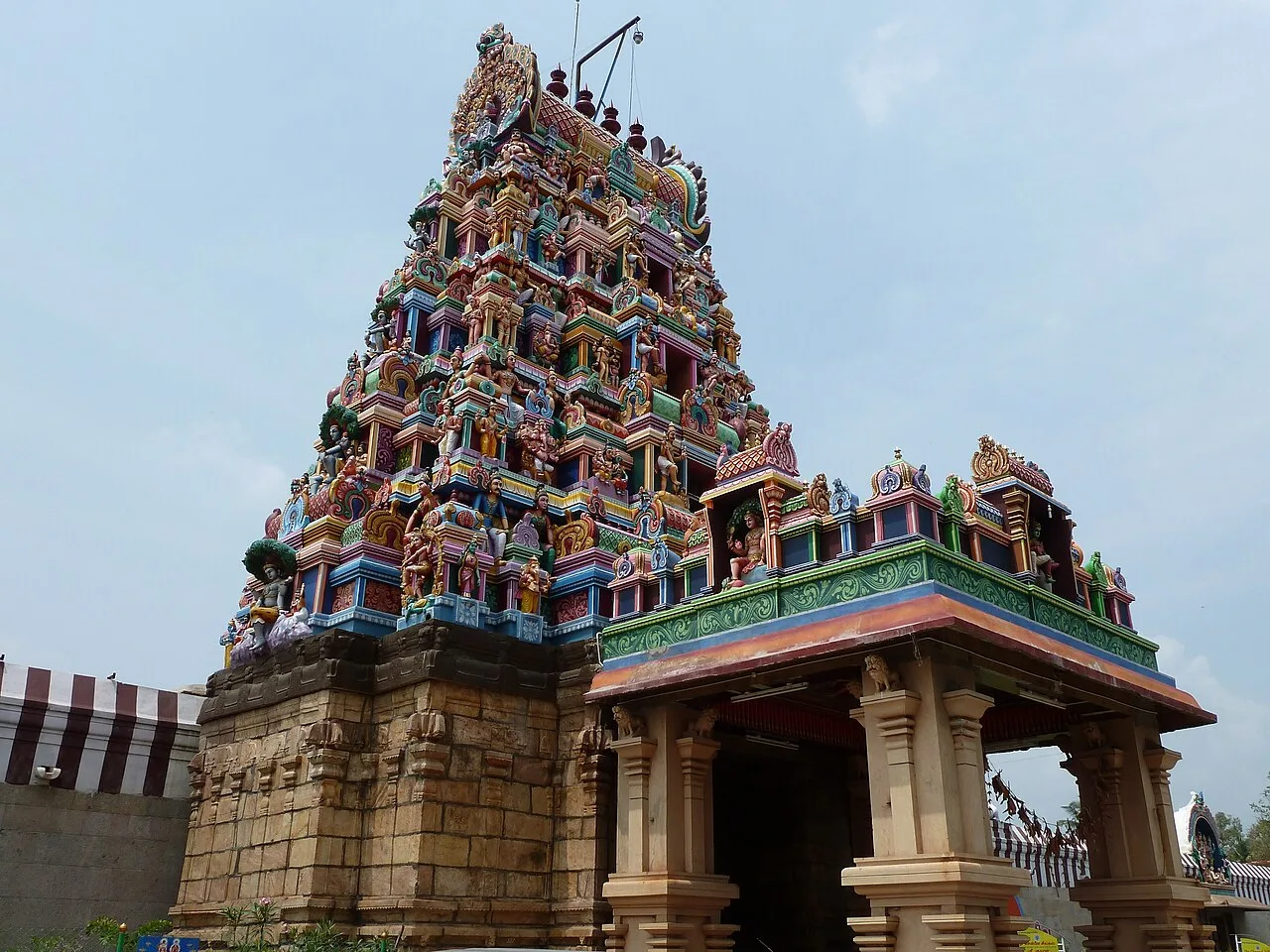
Perur Pateeswarar Temple
This Shaivite temple in Perur, Coimbatore, is visited for its Patteeswarar shrine and Swayambu Lingam, as well as its association with Pachainayaki and noted Tamil poets.
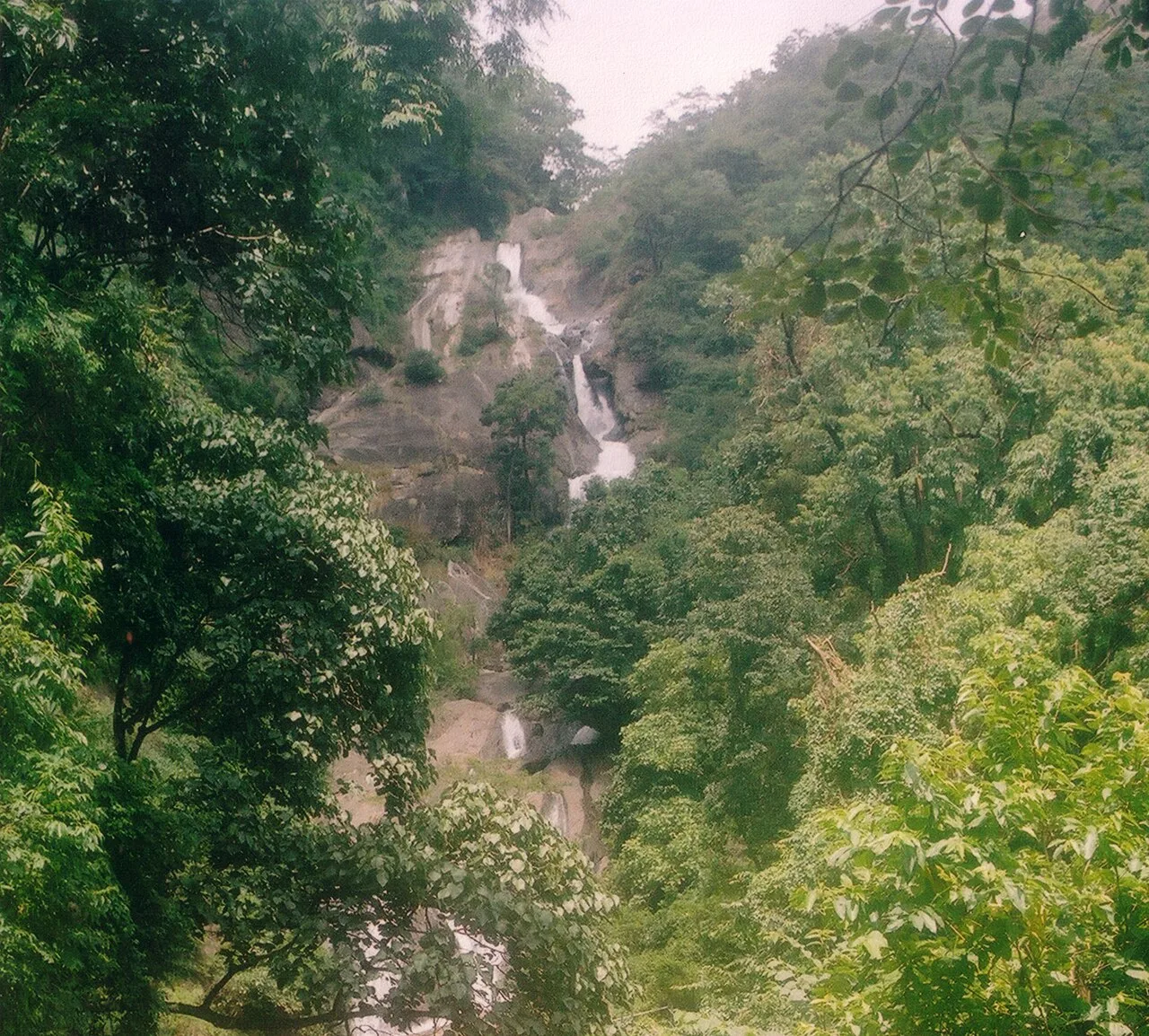
Siruvani Waterfalls
Located in Tamil Nadu’s Western Ghats, Siruvani Waterfalls is a natural attraction in Coimbatore district. Visitors come to the area for ecotourism and to see the falls and the nearby dam.
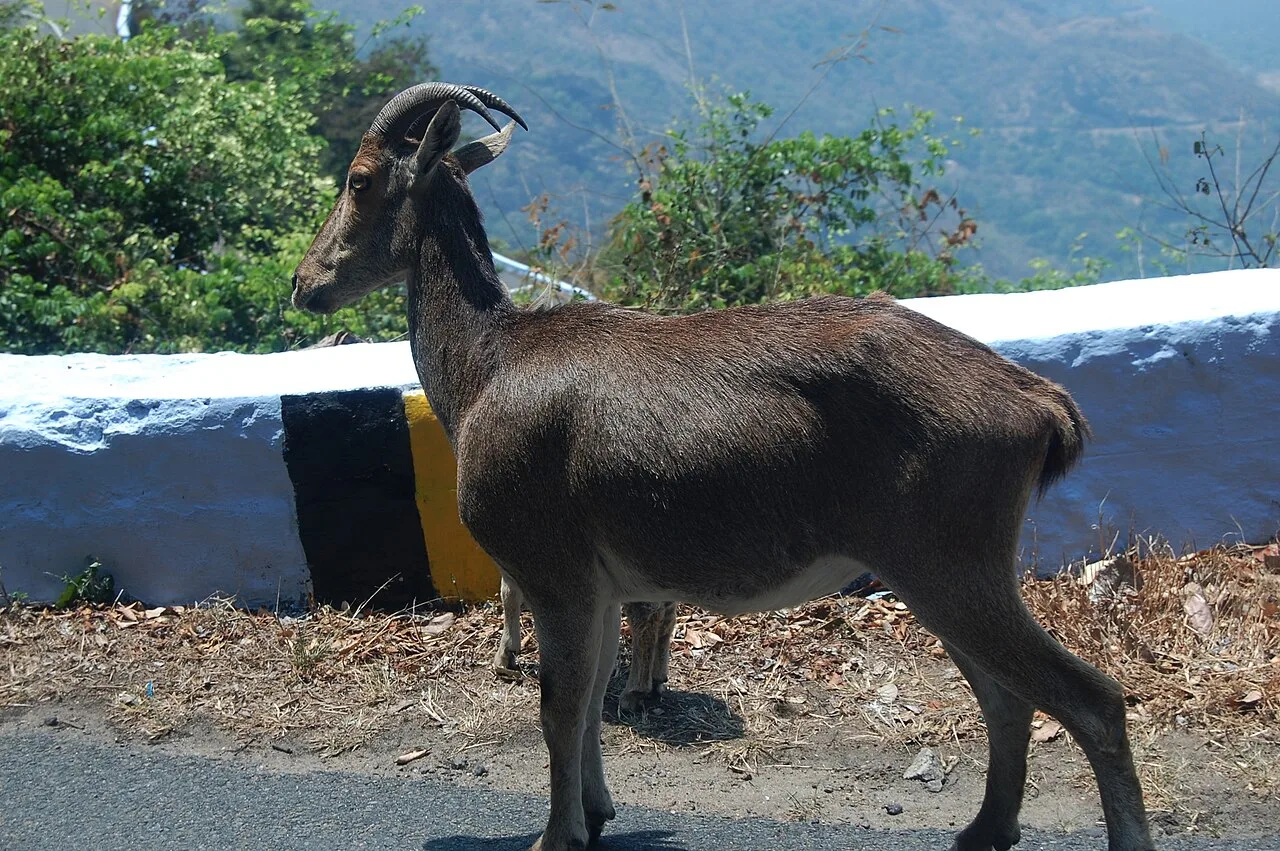
Valparai
Valparai is a hill town in Tamil Nadu’s Coimbatore district, set among tea estates and forest in the Anaimalai Hills and reached by a winding road from the foothills.
Food in Coimbatore reflects the wider Kongunadu and Tamil Nadu traditions. Idli, dosa, sambar and filter coffee are everyday staples, while meals served on banana leaves are common in the region. Kongunadu cooking often uses rice, lentils, millets and locally available vegetables; non-vegetarian menus may include peppery chicken or mutton dishes. Coimbatore is also known more broadly for its food businesses and bakeries. Menus vary between city restaurants and smaller eateries in places such as Pollachi and Valparai, so ask what has been prepared fresh that day. Regional specialities should not be mistaken for dishes found only in this district.
Coimbatore’s best-known craft and textile association is Kovai Kora cotton weaving. Kovai Kora cotton sarees, made using cotton and silk, have a Geographical Indication tag and are associated with the Coimbatore region. The district is also a major centre for cotton spinning, weaving and textile manufacture, though much of this activity is industrial rather than traditional handcraft. Visitors may find handloom and textile products through local shops and producers. The wider Kongu region has varied craft traditions, but it is best to check the maker and place of production rather than assume an item was made in Coimbatore district.
Pongal, the Tamil harvest festival in January, is widely celebrated across the district, with family gatherings and decorated homes. Tamil New Year in April and the temple festivals held at different times of year bring local processions and crowds. Thaipusam, usually in January or February, is observed at Murugan temples, including Marudamalai. Perur Pateeswarar Temple also draws worshippers for its annual festivities. Maha Shivaratri celebrations at the Adiyogi site can attract large numbers of visitors. During major festivals and school holidays, city hotels and accommodation near popular sites may be busier, so booking ahead is sensible.
Elsewhere in Tamil Nadu
The district ranges from Coimbatore’s urban plain to the forested Western Ghats along its western and southern sides. The Noyyal River crosses the region, while reservoirs and waterfalls lie toward Pollachi and the hills. Valparai’s tea-growing slopes and forested surroundings contrast with the drier lowlands. The Palghat Gap provides a natural route between Tamil Nadu and Kerala and has long shaped movement through the region. In practice, city sights are reached by local roads, while hill journeys involve winding roads, slower travel and changing weather.
Coimbatore city and the lower plains are generally warm, with the hottest conditions usually from March to May. The southwest monsoon, broadly from June into September, brings rain to parts of the Western Ghats; the northeast monsoon, generally from October to December, can also affect travel. The cooler, drier months from November to February are often comfortable for city visits and road trips, though hill weather can differ. These months are a good general choice for visiting. Pack light clothing, sun protection and a water bottle for the plains, plus a light warm layer and rain protection for Valparai and other hill journeys. Check local forecasts before setting out.
Coimbatore International Airport and Coimbatore Junction are the district’s main air and rail gateways. The city has rail connections to major centres in Tamil Nadu and elsewhere, while the airport serves domestic routes; connections can change. National and state highways link Coimbatore with Kerala, Salem, Bengaluru and other parts of Tamil Nadu. Buses, taxis and auto-rickshaws are useful for getting around the city. For places such as Pollachi, Valparai and Siruvani, onward travel is generally by road; local buses operate on some routes, but a hired vehicle can offer more flexibility. Check current services locally before travelling.
Coimbatore city has buses, auto-rickshaws and taxis for getting between temples, museums and other sights. Local buses connect the city with towns including Pollachi, though services and onward options vary by route. A hired car or taxi offers flexibility for several stops, while local buses may suit individual routes. Shared vehicles may be available on some roads, but should not be assumed. Siruvani access and onward travel are best checked locally before departure.
2 days: Gedee Car Museum → Eachanari Vinayagar Temple → Perur Pateeswarar Temple → Marudamalai Murugan Temple → Adiyogi Shiva Statue, Coimbatore; sleep both nights in Coimbatore. 3 days: Perur Pateeswarar Temple → Marudamalai Murugan Temple → Adiyogi Shiva Statue → Siruvani Waterfalls; sleep in Coimbatore each night. 4 days: Eachanari Vinayagar Temple → Gedee Car Museum → Aliyar Dam and Reservoir → Monkey Falls → Valparai; sleep in Coimbatore, Pollachi and Valparai, in that order.
Coimbatore is the most practical base for city temples, the museum and the Adiyogi site, with a broad choice of hotels and some guesthouses. Pollachi works well for Aliyar Dam and the start of the Valparai road; accommodation includes hotels and homestays. Valparai has smaller hotels, lodges and homestays, and is useful for exploring the hill area. Options are more limited away from the main towns, so confirm arrangements before travelling. Government accommodation or dharamshalas may be available in some places, but should not be relied on without checking availability and access.
Forested areas may have wildlife: keep a safe distance, do not feed animals and follow local instructions. Carry drinking water and use safe, treated water; bring sun protection for the plains and rain or warm layers for the hills. Mobile coverage can be patchy outside towns. Crowds increase at temples and festivals, so keep belongings secure and follow site rules. Access to Siruvani and other managed areas may be regulated or change with conditions; confirm any requirements with official local authorities before travel.
- Palakkad · Keralaabout 35 km
- Nilgirisabout 56 km
- Erodeabout 82 km
- Thrissur · Keralaabout 93 km
- Chamarajanagar · Karnatakaabout 94 km
- Idukki · Keralaabout 96 km
- Dindigulabout 97 km
- Malappuram · Keralaabout 102 km
Straight-line distance between the centres of each district's destinations; road distance is longer.
All districts of Tamil Nadu
- Ariyalur
- Chengalpattu
- Chennai
- Cuddalore
- Dharmapuri
- Dindigul
- Erode
- Kallakurichi
- Kancheepuram
- Kanniyakumari
- Madurai
- Mayiladuthurai
- Nagapattinam
- Namakkal
- Nilgiris
- Pudukkottai
- Ramanathapuram
- Salem
- Sivaganga
- Tenkasi
- Thanjavur
- Theni
- Thoothukudi
- Tiruchirappalli
- Tirunelveli
- Tiruvallur
- Tiruvannamalai
- Tiruvarur
- Vellore
- Villupuram
- Virudhunagar
Q: How many days should I spend in Coimbatore district? A: Two days can cover several city sights. Allow three or four days if you also want to visit Siruvani, Pollachi or Valparai. Q: When is the best time to visit? A: November to February is generally comfortable for the city and hill journeys. Check forecasts, as conditions vary across the district. Q: Where is the best base? A: Stay in Coimbatore for city sights, Pollachi for Aliyar and nearby routes, or Valparai for time in the hills. Q: How do I get to the district? A: Coimbatore International Airport and Coimbatore Junction are the main gateways. From there, use road transport for onward journeys around the district. Q: Is Coimbatore suitable for families or elderly travellers? A: Choose stops and travel pace to suit your group.
This page draws on our 9 destination guides for Coimbatore and is updated as our team checks it.
Be the first to share photos, stories, advice or a helpful contact for Coimbatore.
Loading…