
District · Kerala
Idukki
Idukki is Kerala’s highland district, where the Western Ghats shape a landscape of forest, mountain, river and plantation.
Idukki is a highland district of Kerala shaped by the Western Ghats, forested slopes, plantation country and the Periyar River. Its destinations range from Munnar and the mountain landscape around Anamudi to Vagamon’s meadows, Ramakkalmedu and the forests of Periyar National Park near Thekkady. The Idukki Dam, a double-curvature arch structure between the granite hills of Kuravan and Kurathi, represents the district’s importance to Kerala’s hydroelectric development. Plantation expansion, particularly tea cultivation around Munnar, also helped shape its modern landscape and settlements. Alongside these histories are the longstanding lives and traditions of Indigenous communities. This is a dispersed hill district rather than a single sightseeing centre, best explored in smaller geographical circuits.
Idukki is Kerala’s highland district, where the Western Ghats shape a landscape of forest, mountain, river and plantation. It is best known for Munnar’s tea-growing hills, the mountain scenery around Anamudi, and wildlife areas such as Periyar, Eravikulam and Chinnar. The district also includes Vagamon’s meadows, the windswept hills of Ramakkalmedu and the Idukki Dam, an important part of Kerala’s hydroelectric system. Its Indigenous communities and plantation histories are part of the region’s story. Because sights are spread across winding mountain roads, Idukki is better explored in smaller circuits than as a single town-based visit.
Idukki’s history reflects the changing boundaries and influences of the central Western Ghats. The region was associated with princely states including Travancore, while parts of the high ranges later became important to plantation development under British rule. Tea cultivation expanded around Munnar from the late nineteenth century, bringing new roads, estates and settlements; these changes took place alongside the longstanding presence of Indigenous communities. The Periyar region also acquired importance for forest conservation and wildlife protection. Following the formation of Kerala state in 1956, the highland areas were administered through neighbouring districts. Idukki district was formed in 1972 from parts of the former Kottayam and Ernakulam districts. The construction of the Idukki hydroelectric project further shaped the modern district and its links with Kerala’s power system. These histories are varied across the district: plantation towns, forest areas and older settlements have distinct experiences and should not be treated as one continuous story.
12 destination guides · 11 on the map
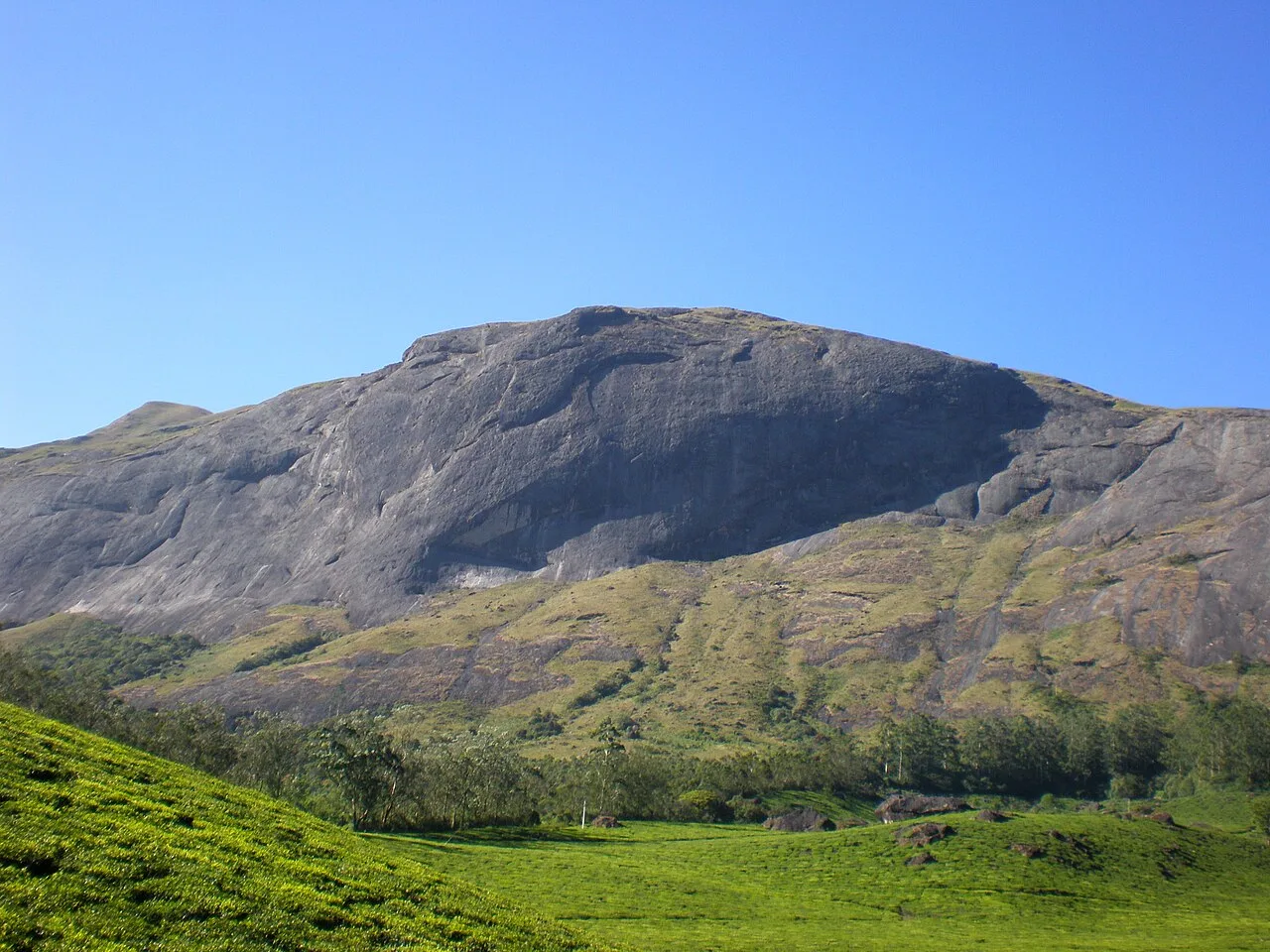
Anamudi
Anamudi is a mountain in Kerala, spanning Idukki and Ernakulam districts. Visitors are drawn to its distinction as the tallest summit in the Western Ghats and South India.
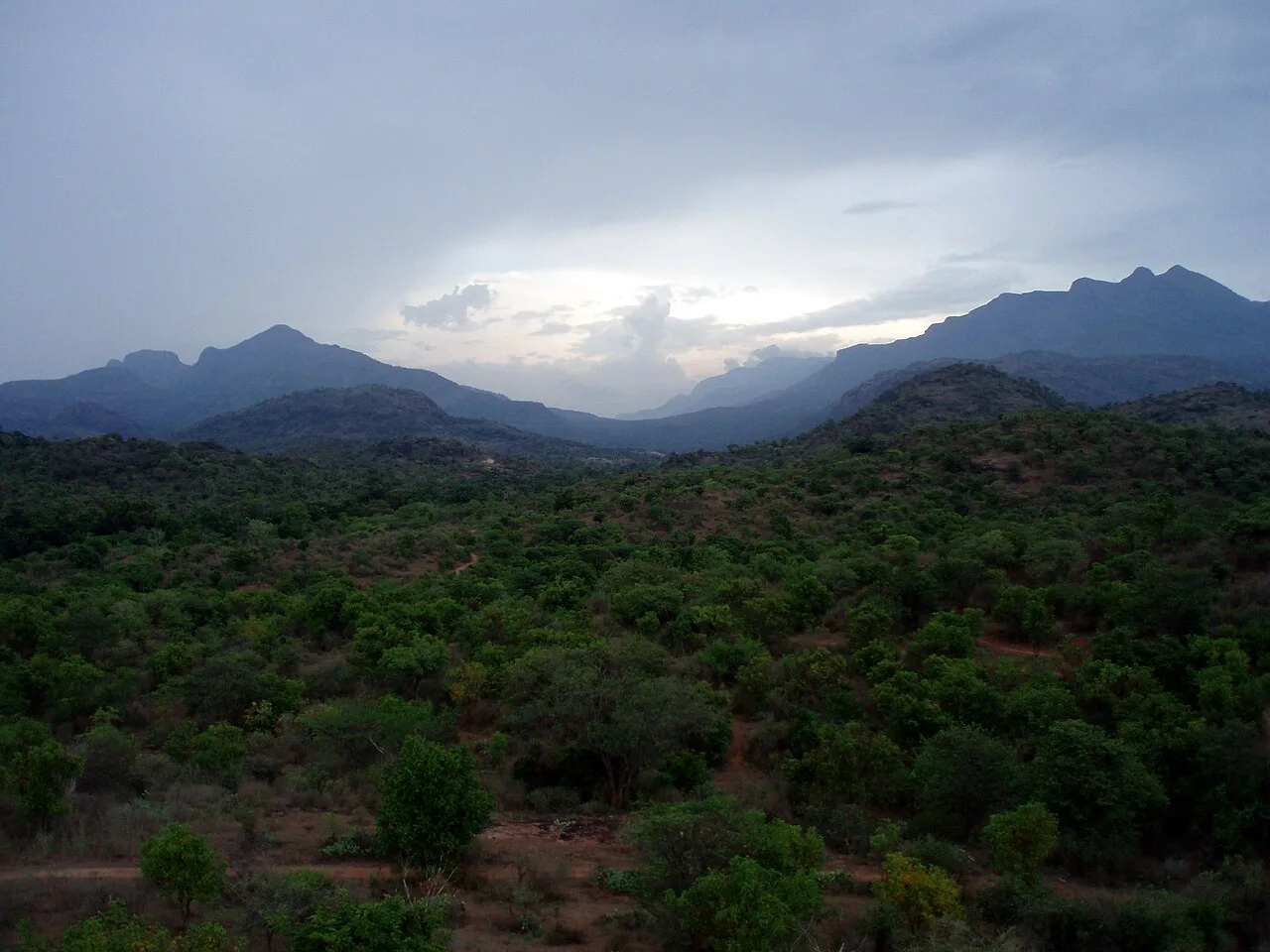
Chinnar Wildlife Sanctuary
Chinnar Wildlife Sanctuary is a protected area in Kerala’s Idukki district. Visitors may come for its wildlife and its Indian star tortoise rehabilitation centre.
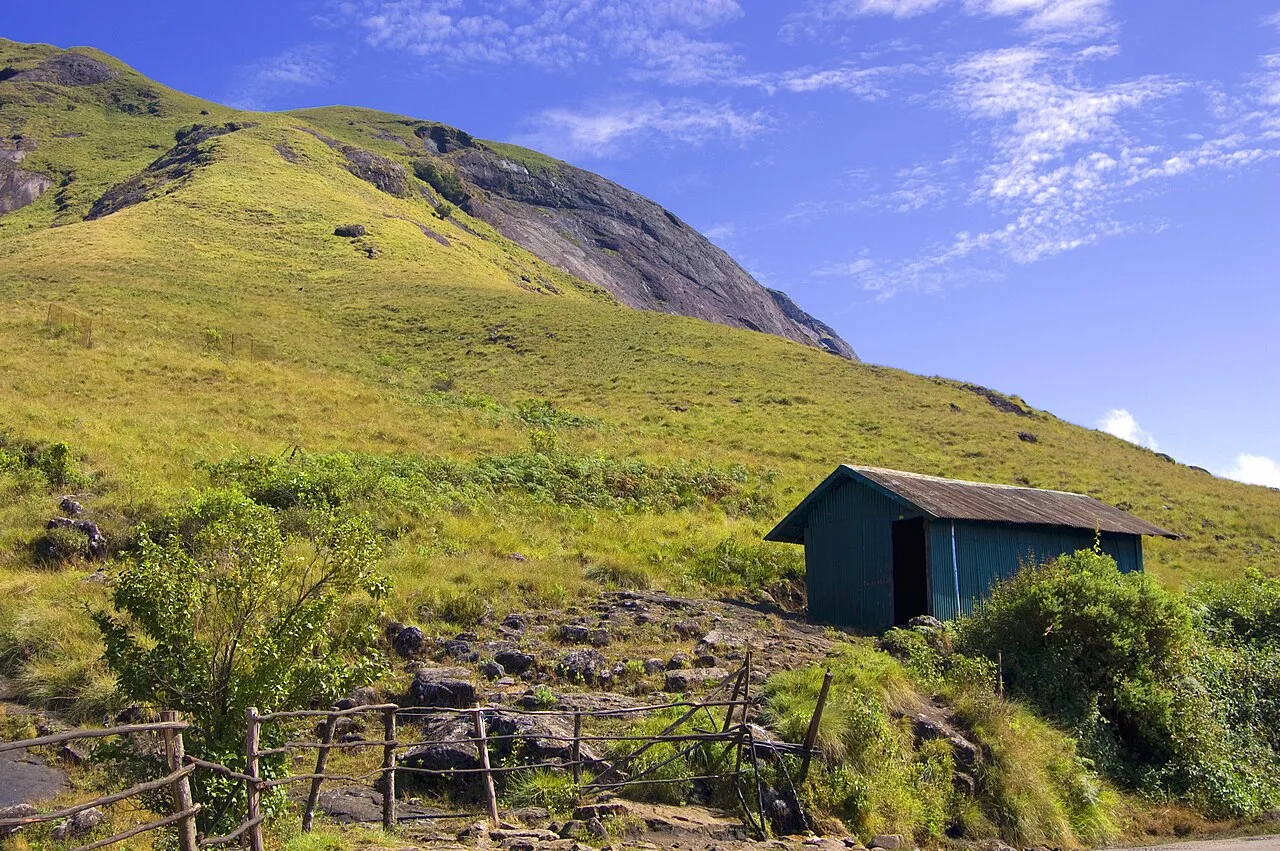
Eravikulam National Park
Eravikulam National Park is a 97 km² protected area in Kerala’s Western Ghats. Visitors come to experience its mountain setting and learn about Kerala’s first national park.
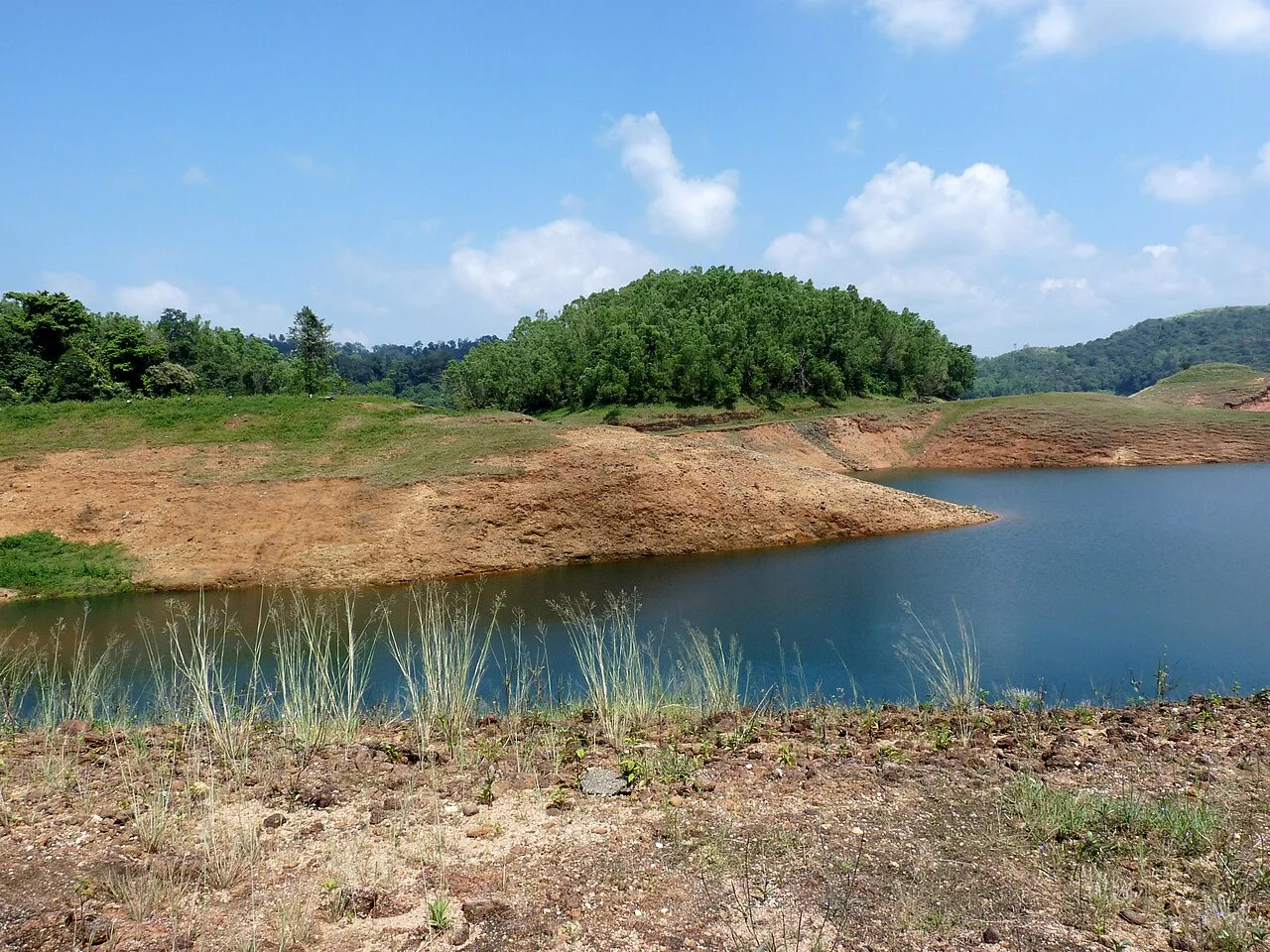
Idukki Dam
In Kerala, Idukki Dam is an arch structure across the Periyar and a key part of a hydroelectric scheme. Visitors come to see the dam and the lake formed by its associated structures.
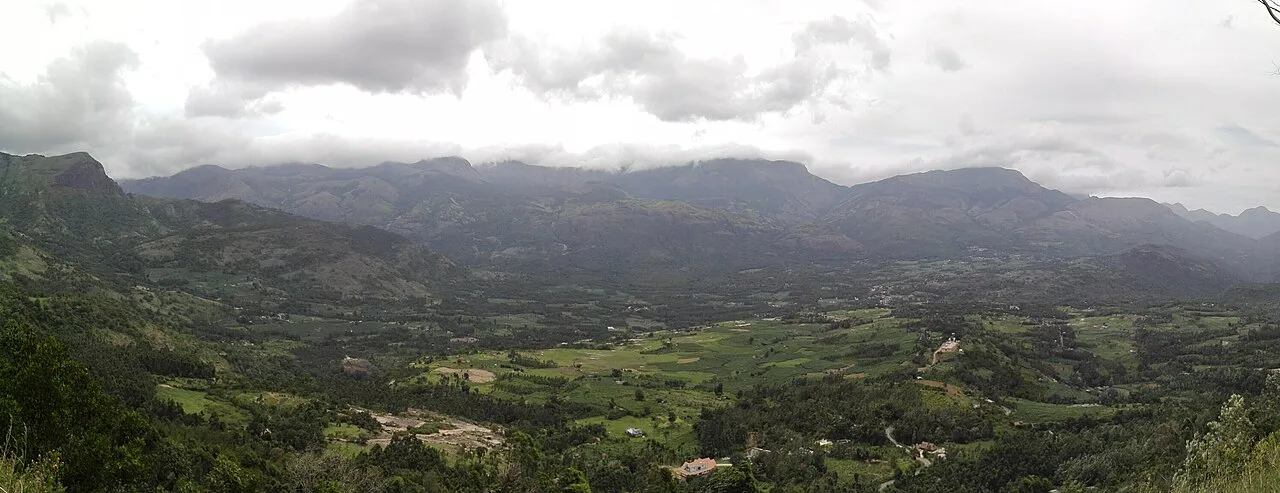
Marayur
Marayur is a settlement in Kerala’s Idukki district, known for its natural sandalwood forests and Stone Age dolmens and rock paintings, which draw interest from visitors.
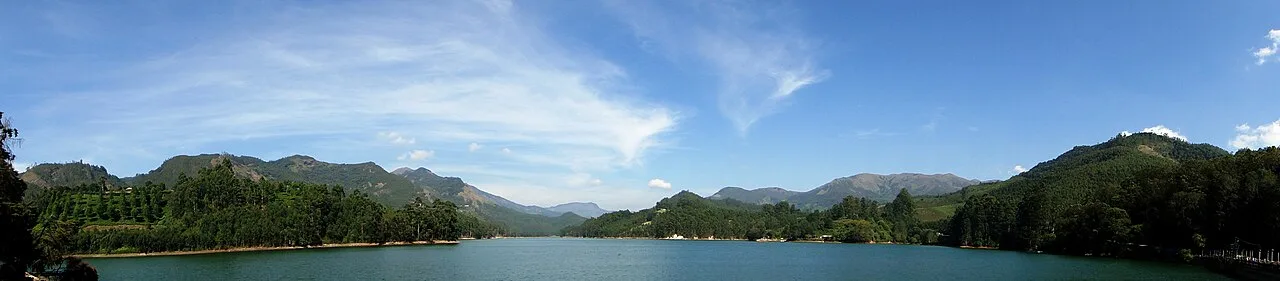
Mattupetty Dam
Mattupetty Dam is a water-storage and hydroelectric structure in Idukki district, Kerala. Visitors come to see the dam in its mountain setting, where stored water also supports wildlife.
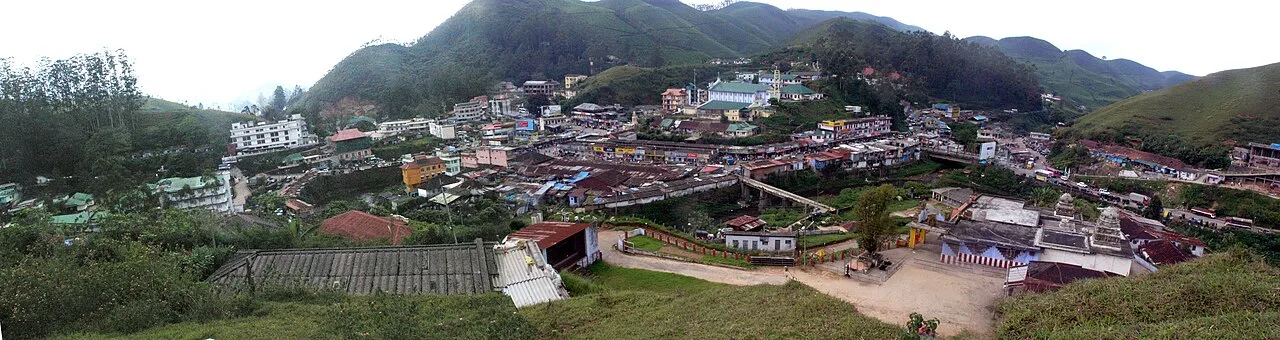
Munnar Hill Station
Munnar is a Kerala hill station in the Western Ghats, visited for its elevated setting and its long association with tea plantations.
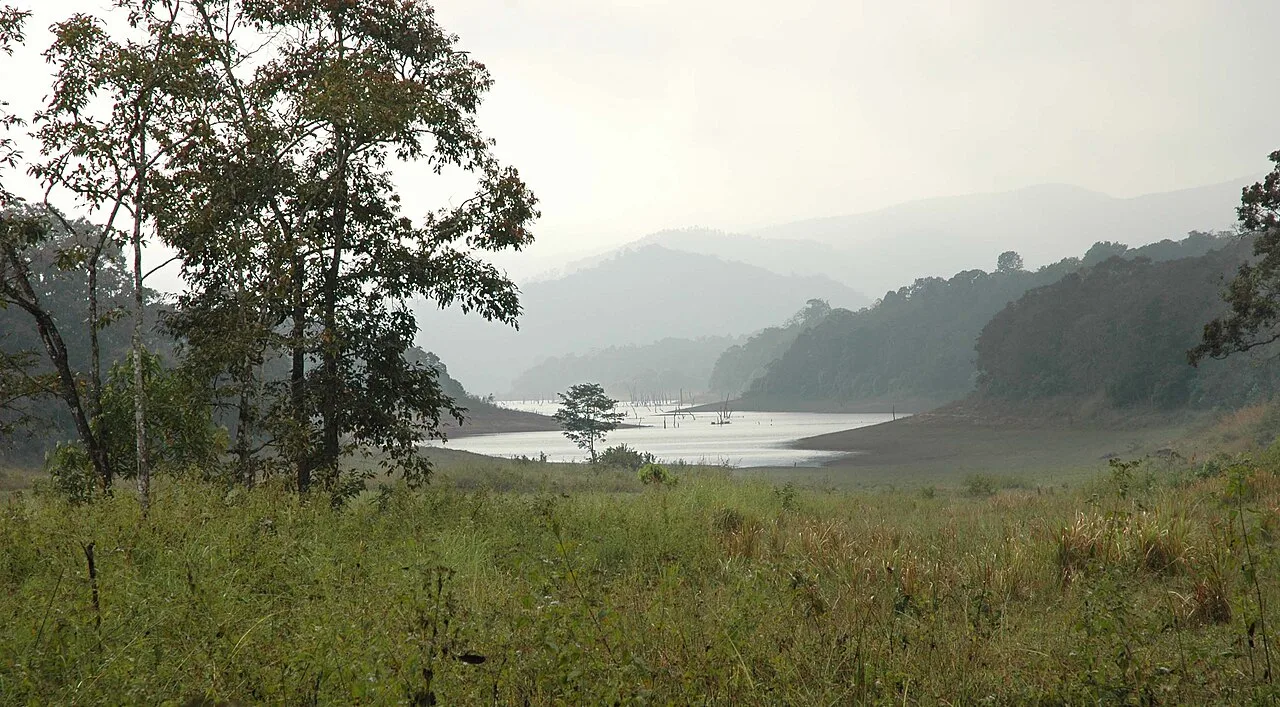
Periyar National Park
Periyar National Park and Wildlife Sanctuary is a protected reserve in Kerala, known for its elephant and tiger habitats and rare wildlife. Visitors also come to explore its hill landscape and watershed.
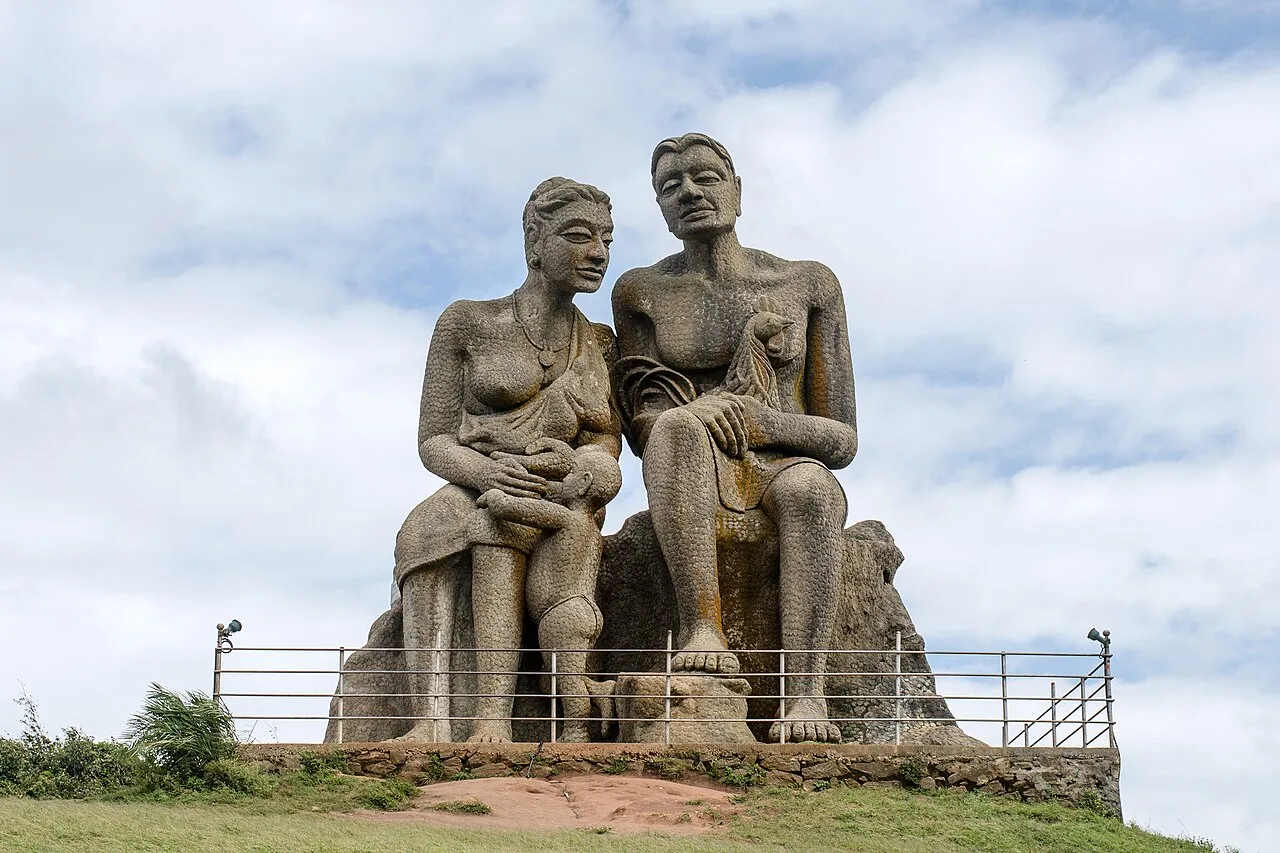
Ramakkalmedu
Ramakkalmedu is a hamlet and hill station in Kerala’s Idukki district. Visitors come for its panoramic scenery and the many windmills associated with the area.
Food in Idukki draws on wider Kerala traditions, with rice, coconut and warming spices featuring prominently. Breakfast may include appam with stew, puttu with kadala curry, or idiyappam with a suitable accompaniment. Rice meals and the vegetarian sadya served on a banana leaf belong to the broader regional food culture, as do Kerala parotta with chicken or beef dishes. Banana chips and payasam are familiar snacks and sweets. Tea is closely associated with Munnar’s plantation landscape. Small eateries often prepare a limited daily menu, so ask what is fresh and mention any dietary restrictions or preference for milder seasoning.
Craft traditions in Idukki are connected to the wider Kerala use of bamboo, cane and other natural materials for baskets, mats and everyday household objects. Some Indigenous communities maintain practical knowledge of working with locally available plant materials, though traditions differ between communities. Kerala handloom textiles, including cotton cloth with kasavu borders, are regional rather than specifically Idukki crafts. When shopping, ask where an item was made and who produced it; goods sold in tourist centres are not necessarily locally crafted.
Onam, usually celebrated in August or September, is observed across Kerala, including Idukki, and can bring busy travel periods and fuller rooms. Vishu, generally in April, is another widely marked festival. Towns and villages also hold temple festivals at different times of year, while church feasts and Muslim observances follow their own local and religious calendars. Events around Thekkady may draw visitors during holiday periods, and nearby Sabarimala pilgrimage seasons can affect travel in parts of the wider region. Dates vary each year; check locally and reserve accommodation early during school holidays and major festivals.
Elsewhere in Kerala
Idukki is an inland district of steep Western Ghats, ridges, valleys, forest and cultivated slopes, with no coastline. The Periyar and its tributaries run through the region; dams and reservoirs are part of the landscape. High ranges around Munnar and Anamudi contrast with the drier terrain near Marayur and Chinnar, while Vagamon and Ramakkalmedu have open upland scenery. Winding roads, elevation changes and separated valleys make journeys slower than map distances may suggest. Rain, fog and occasional slope instability can also affect road travel.
Idukki’s higher elevations are generally cooler than Kerala’s lowlands, though conditions vary considerably between high ranges and lower valleys. Summer, broadly from March to May, can bring warmer days and occasional showers. The southwest monsoon, usually from June into September, brings frequent rain, mist and possible road disruption; the northeast monsoon can bring further rain later in the year. The drier months from roughly October to February are often preferred for outdoor visits, with December and January feeling cool in the hills. Pack light layers, a rain jacket and footwear with good grip. Check local forecasts before hikes and road journeys.
The most suitable gateway depends on which part of Idukki you plan to visit. Cochin International Airport is a useful arrival point for Munnar and western approaches, while Madurai Airport can suit journeys towards Thekkady or the eastern hills. Railheads outside the district include Kottayam, Ernakulam and Angamaly; choose according to onward road connections rather than straight-line proximity. Roads connect the hill towns with Kochi, Kottayam and neighbouring Tamil Nadu. KSRTC and private buses link many towns, while taxis and autorickshaws help with local journeys. Allow extra time for winding roads and monsoon disruption, and check current services locally.
Road travel is the main way to move around Idukki. Munnar connects with the western approaches, while Thekkady and Kumily serve the Periyar area; routes between these hill regions can be long and winding. Local and inter-town buses serve many settlements, though service frequency varies. Shared jeeps, autorickshaws and taxis can help with shorter or less-served journeys; agree arrangements before setting out. Boats operate on Periyar Lake through authorised visitor services, subject to current conditions and rules. Allow extra time in rain or fog, and check road status locally, especially for smaller mountain routes.
2 days: Munnar Hill Station -> Mattupetty Dam -> Top Station. Sleep both nights at Munnar Hill Station. 3 days: Thekkady Town -> Periyar National Park. Sleep both nights at Thekkady Town. 4 days: Munnar Hill Station -> Eravikulam National Park -> Marayur -> Chinnar Wildlife Sanctuary. Sleep nights one and two at Munnar Hill Station, and night three at Marayur.
Munnar Hill Station is a useful base for Munnar, Mattupetty Dam, Top Station and Eravikulam National Park; it has hotels, homestays and plantation-area stays. Thekkady Town suits visits to Periyar National Park and has hotels and homestays, with some forest or government accommodation subject to availability and rules. Marayur can work for the eastern highlands and Chinnar, though choices are more limited than in Munnar. Vagamon and other smaller centres offer homestays and guesthouses. Book ahead in holiday periods and check access and facilities directly.
Mountain roads are narrow and winding, and heavy rain, fog, fallen branches or slope movement can affect journeys; use a cautious driver and check conditions locally. Stay on marked routes in forests and protected areas, follow staff instructions, and do not approach or feed wildlife. Use authorised services for activities such as boating, and check official information for current entry rules, permits or booking requirements before visiting protected areas. Carry drinking water and refill safely, use suitable footwear, and plan for patchy mobile coverage outside towns. Crowds can build during holidays, so allow extra time and keep children close near roads, water and viewpoints.
- Dindigul · Tamil Naduabout 43 km
- Theni · Tamil Naduabout 44 km
- Kottayamabout 81 km
- Pathanamthittaabout 83 km
- Virudhunagar · Tamil Naduabout 85 km
- Palakkadabout 92 km
- Ernakulamabout 95 km
- Coimbatore · Tamil Naduabout 96 km
Straight-line distance between the centres of each district's destinations; road distance is longer.
Q: How many days should I spend in Idukki? A: Allow at least three or four days for one or two areas; a longer stay helps cover the widely separated highlands and wildlife areas. Q: When is the best time to visit? A: October to February is often preferred for clearer, drier conditions, though weather varies by elevation. Monsoon travel needs more flexibility. Q: Where is the best base? A: Munnar suits the western high ranges, while Thekkady Town is convenient for Periyar. Choose based on the circuit you plan. Q: How do I get to Idukki? A: Travel by road from gateways such as Kochi, Kottayam or Madurai. Rail and air connections are outside the district; select a gateway for your intended area. Q: Is Idukki suitable for families or elderly travellers? A: Yes, with a route suited to mobility and comfort. Winding roads, steps, uneven paths and cool or wet weather can make some outings tiring.
This page draws on our 12 destination guides for Idukki and is updated as our team checks it.
Be the first to share photos, stories, advice or a helpful contact for Idukki.
Loading…