Ghumoopedia — Explore, Discover, Experience
Sign in

Harvest · Kerala

Onam

Kerala

Dates

Last verified 17 November 2026. Confirmed: announced by organisers or government. Provisional: from a published almanac, not yet announced. Seasonal: no date announced.

The complete guide

Onam: everything to know before you go

Also known as
Thiruvonam, Kerala's state festival
State and districts
Kerala, celebrated in every district; famous in Thiruvananthapuram, Ernakulam (Thrikkakara, Tripunithura), Thrissur, Alappuzha and Pathanamthitta
When
Malayalam month of Chingam (August–September); the main day is Thiruvonam.
Duration
10 days from Atham to Thiruvonam, with the celebrations extending a couple of days beyond
Faith and community
Hindu in origin; celebrated by Malayalis of all faiths
Type
Harvest festival and homecoming
Best for
Food lovers, families, culture seekers

Overview

Onam is Kerala's festival of homecoming, abundance and togetherness. For ten days, doorsteps are decorated with flower carpets, new clothes are worn, swings hang from trees and families sit down to a feast served on banana leaves. At its heart is a story of a just and generous king, Mahabali (Maveli), who is believed to return each year to visit the people he once ruled. Onam is celebrated by Malayalis across Kerala and around the world, and in modern Kerala it is a festival of all communities: Hindus, Christians and Muslims join in the flowers, food and fun.

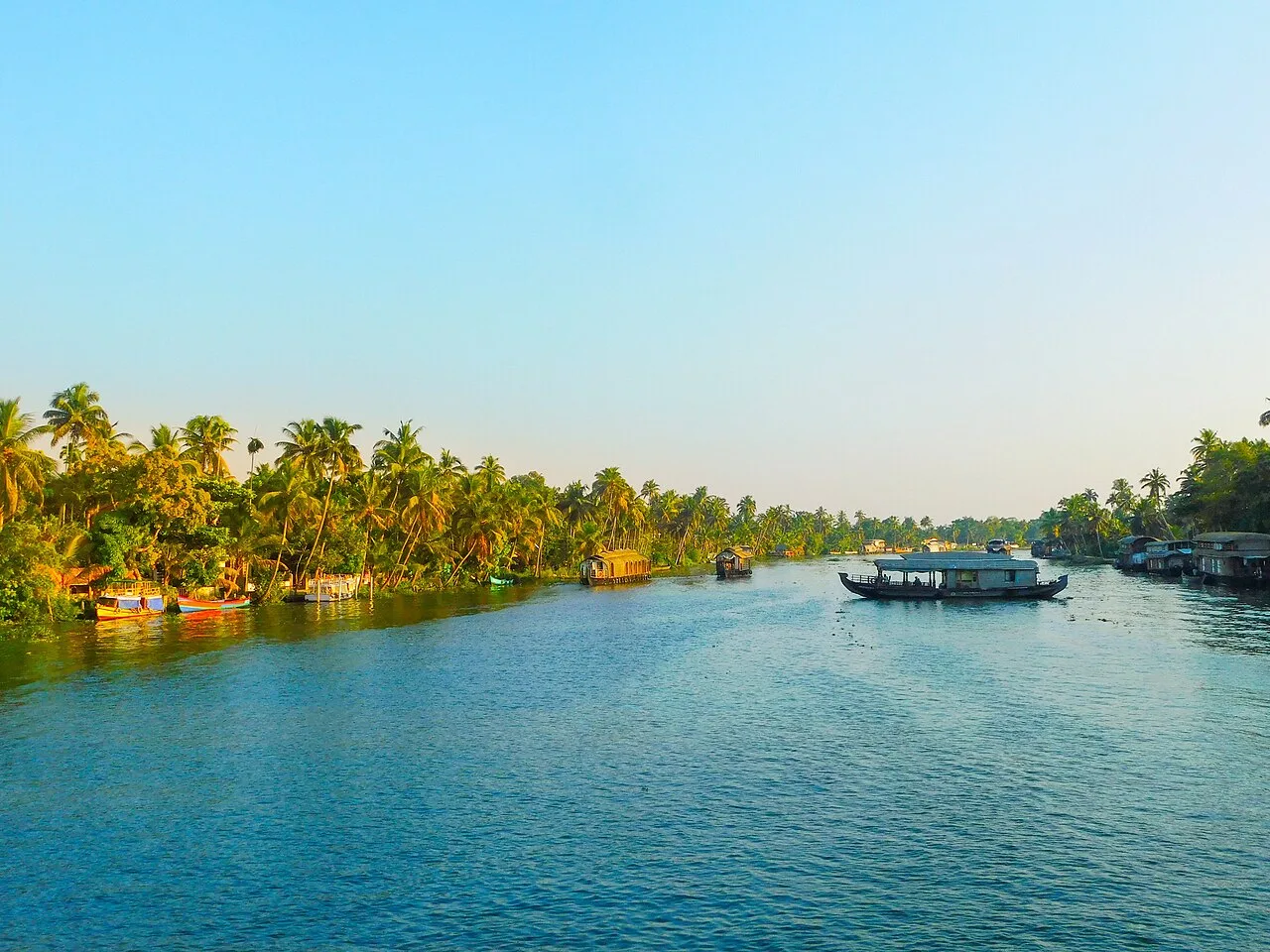
It arrives at the end of the monsoon, when the rains ease, the fields are green and the sky turns a washed blue. The mood is cheerful, a little nostalgic and entirely about family.
Origins and legend

The central legend tells of Mahabali, a benevolent asura (demon) king whose reign was remembered as a golden age: people were prosperous, honest and equal. The gods, anxious about his growing power, appealed to Vishnu, who came to earth as the dwarf-Brahmin Vamana. Vamana asked Mahabali for a gift of land measuring three paces. The king agreed. Vamana then grew to cosmic size; with the first step he covered the earth and with the second the heavens. With no space left for a third step, Mahabali offered his own head. Moved by his devotion, Vishnu sent him to the netherworld (Patala) but granted him a boon: once a year, he could return to see his people.

Onam celebrates that return. Many scholars also see it as an ancient harvest festival, with the legend layered on top. References to Onam appear in classical Tamil and Malayalam literature, which suggests the festival has existed in some form for well over a thousand years. There are different views on the story, and some communities tell it as a tale of a popular king undone by his own generosity. Respectful retellings let each community keep its own emphasis.

How it is celebrated

Onam runs for ten days, and each day has its own character.

  • Atham (Day 1): The festival begins. In Tripunithura, Ernakulam district, a royal-style procession called the Athachamayam recalls the old Kochi kings. Families lay the first, small ring of the pookkalam.
  • Days 2–9: The flower carpet grows larger each day, with new rings and colours. Children collect flowers, women plan the menu and men set up swings. Shops fill with festive offers and new clothes.
  • Uthradam and Moolam: Final preparations and shopping. Markets are crowded, and the eve of Thiruvonam is a busy night.
  • Thiruvonam (Day 10): The main day. Families wake early, bathe, wear new clothes and place a clay figure of Maveli and Vamana (the Onathappan in some regions) at the entrance. The pookkalam is at its biggest. At midday, the Onasadya is served.
  • After Thiruvonam: Avittom and Chathayam continue the festivities. In Thrissur, the Pulikali tiger dance fills the streets on the fourth day, and boat races take place in many districts.

Games and arts fill the days between. Women perform Thiruvathirakali and Kaikottikali, circular dances with clapping and song. Men play traditional sports such as Onathallu (a form of martial wrestling) and Vallamkali, the snake-boat races, the most famous of which are in Alappuzha and Aranmula. Children enjoy Uriyadi (pot-breaking) and swing under flowering trees to Onam songs (Onappattu). The Thrikkakara Vamanamoorthy Temple in Ernakulam is the centre of the festival's religious observances. The Government of Kerala also holds week-long Onam celebrations, with cultural shows and illuminated streets in Thiruvananthapuram.

Food and flavours

The Onasadya is the soul of the festival: a vegetarian banquet of around twenty or more dishes served on a plantain leaf, eaten with the fingers while sitting on the floor or at long tables. The dishes are arranged in a set order:

  • Rice with parippu (lentil curry) and ghee to begin.
  • Avial, thoran, olan, kaalan, kootu curry and pachadi/kichadi (vegetable dishes).
  • Pickles and chutneys, including inji puli (ginger-tamarind), mango and lime pickle.
  • Banana chips, sharkara upperi (jaggery-coated banana chips) and pappadam.
  • Payasam: sweet puddings such as ada pradhaman (rice flakes in coconut milk and jaggery), palada and parippu pradhaman.

It is considered important to finish with payasam and to eat with family. Restaurants and community halls serve sadyas in the festival week, and booking is advisable.

Music, dance, art and dress

The signature look of Onam is the kasavu (cream-and-gold) sari or the set-mundu for women, and the mundu (veshti) with a matching shirt for men. Jasmine flowers are worn in the hair. Women's dances such as Thiruvathirakali are graceful and rhythmic, while Pulikali is wildly theatrical, with men painted in yellow, red and black stripes to look like tigers and dancing to drum beats. Folk songs, mythological stories and film music play through the week. Many families hang decorative Onavillu or paint the festival's iconography on doors, and artists decorate shopfronts with flowers.

The pookkalam deserves special mention. Traditionally made from fresh flowers such as thumba, thechi (ixora), hibiscus and marigold, it is laid each morning at the front door. The design begins small and grows daily. Competitions are held in schools, offices, and neighbourhoods, and the results can be breathtakingly intricate.

Where to experience it

  • Thiruvananthapuram: the official Onam week by Kerala's government, with lights and cultural shows around Kanakakkunnu and the city centre.
  • Thrissur: the Pulikali on the fourth day is a must-see.
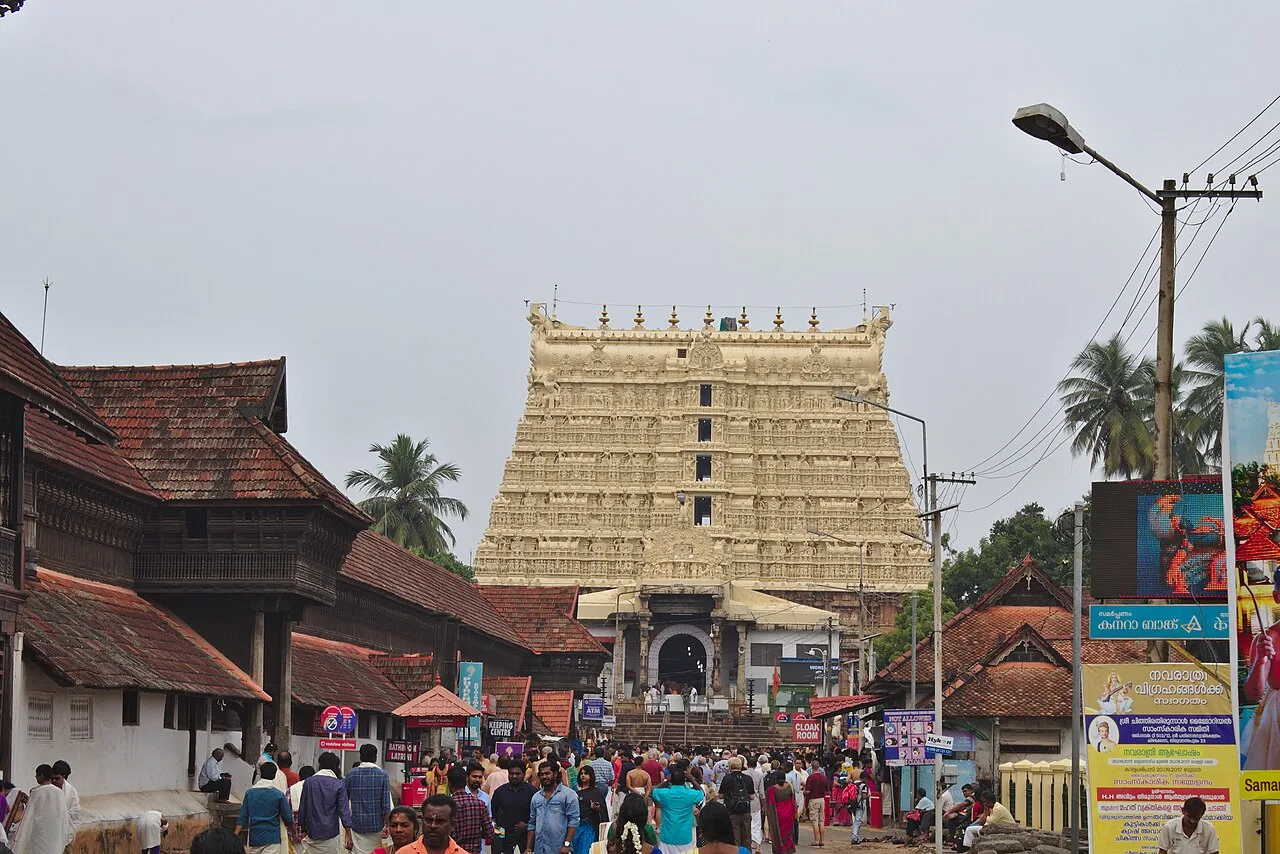
  • Tripunithura and Thrikkakara (Ernakulam): the Athachamayam procession and the main Onam temple.
  • Alappuzha and Pathanamthitta: snake-boat races and the festival of the Aranmula temple. The backwaters are beautiful at this time of year.
  • Homes and homestays: the best Onam experience is in a Malayali home. Many homestays invite guests to share the sadya and help with the pookkalam.

Visitor guide

  • When to go. The festival is a few days around Thiruvonam. Many offices and schools close for several days, and the state sees heavy domestic travel. Book flights, trains and hotels well in advance, as prices rise sharply during the festival.
  • Getting around. Kerala is well connected by air (Thiruvananthapuram, Kochi, Kozhikode, Kannur), rail and road. Within cities, auto-rickshaws, app-based cabs and buses are easy to use; during the festival, expect crowds and traffic.
  • Weather. Late August and September mark the tail of the south-west monsoon, with warm, humid weather and occasional showers. Carry an umbrella and light cotton clothing.
  • Etiquette. Remove footwear when entering a home or temple. Dress modestly for temple visits, and expect that some temples have specific dress rules. Eat the sadya with your right hand if you can; polite hosts will happily help a first-timer.
  • Accessibility. Many festival events involve crowds and standing; wheelchair users and elderly guests may prefer home-based or hotel-hosted events, and a sadya hosted indoors.

Today and tomorrow

Onam has adapted with the times. Tourism and commerce play a large role, with the state's Onam promotions, discount sales and the popular Onam bumper lottery. At the same time, environmentally minded groups promote eco-friendly pookkalams made from local flowers rather than imported ones, and schools and communities organise community sadyas for people in need. Overseas Malayali associations hold Onam events across the Gulf, North America, Europe and Australia, keeping the festival alive far from home. Debates about the story's meaning continue, but the festival's core remains a shared celebration of generosity, equality and family.

Nearby

Places to see around the festival