Ghumoopedia — Explore, Discover, Experience
Sign in

Religious · Kerala

Thrissur Pooram

Vadakkunnathan Temple, Thrissur

Dates

Last verified 17 November 2026. Confirmed: announced by organisers or government. Provisional: from a published almanac, not yet announced. Seasonal: no date announced.

Significance

Since 1796 the Paramekkavu and Thiruvambady devaswoms have faced each other across Thekkinkadu Maidan with elephants, kudamattam umbrella exchanges and the ilanjithara melam.

Ghumoopedia editorial summary.

Visitor guidance

  • The main day lasts about 36 hours; find a rooftop or shaded spot early.
  • Keep a safe distance from elephants at all times.

The complete guide

Thrissur Pooram: everything to know before you go

Origins & legends

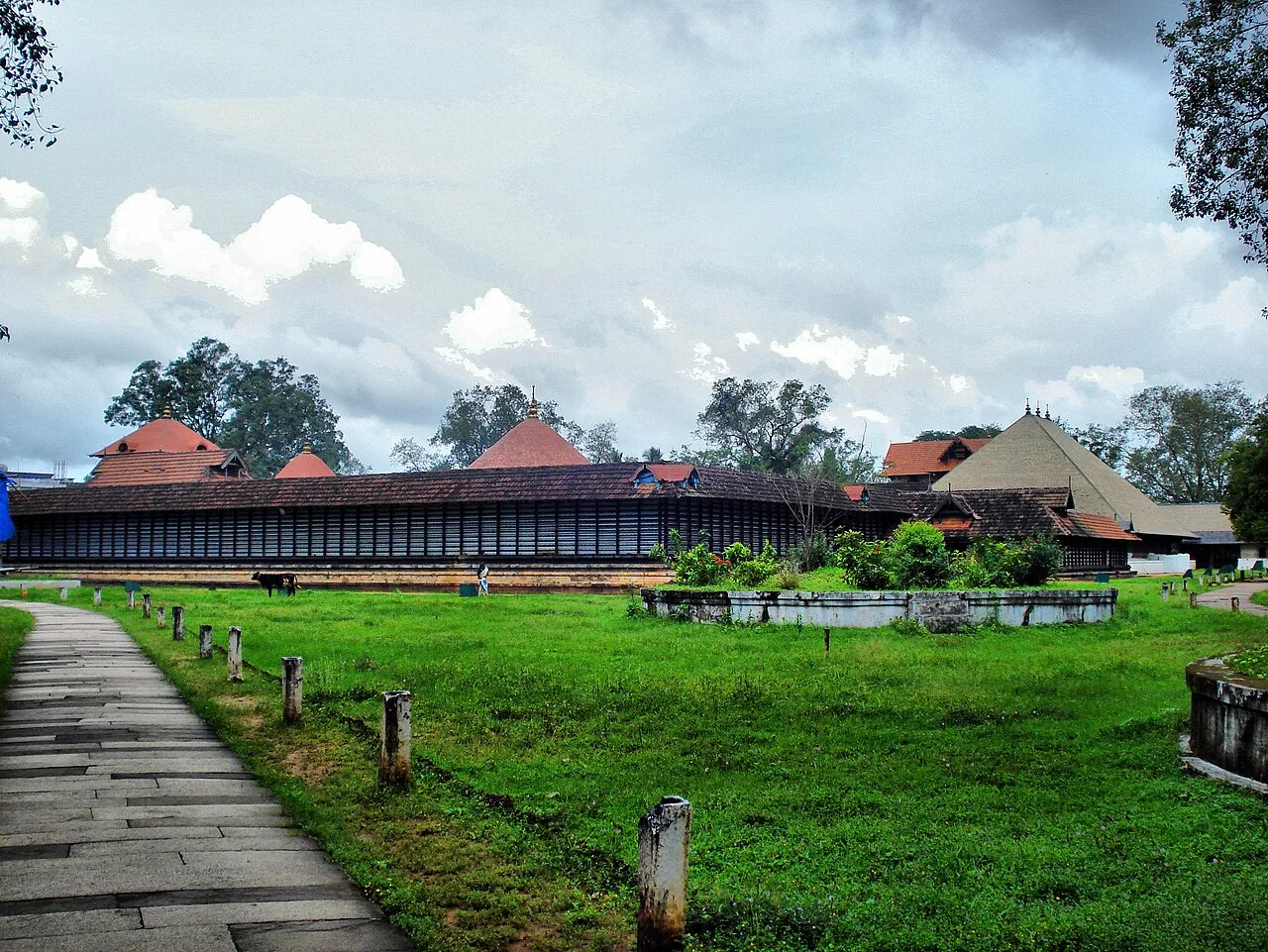
Thrissur Pooram is closely associated with Vadakkunnathan Temple, an ancient Shiva shrine at the heart of Thrissur. Local tradition traces the festival’s creation to the late eighteenth century, when the ruler known as Sakthan Thampuran reshaped the city’s temple festivals. Accounts commonly connect this reorganisation with the year 1796, though details of the origin story are preserved through a blend of local memory and historical record. The festival brought groups of temples together to honour Vadakkunnathan, whose temple stands within the wooded grounds of Thekkinkadu Maidan.

A popular legend says that smaller temples had once travelled to the Arattupuzha Pooram but were unable to reach it after heavy rain delayed them. Feeling excluded, they appealed to Sakthan Thampuran, who is said to have established a grand gathering in Thrissur where they could present their own processions. In the festival that developed, the Paramekkavu and Thiruvambady devaswoms became the principal participants, facing one another across the maidan. Their friendly rivalry is expressed through decorated elephants, percussion, and the changing displays of ceremonial umbrellas. Over time, the gathering grew into a major public festival, drawing visitors from across Kerala and beyond. The legend explains the festival’s spirit of welcome and competition, but it should be understood as a traditional account rather than a fully documented explanation of every historical detail.
What happens: rituals & highlights

The festival unfolds through a sequence of temple ceremonies and public processions rather than a single parade. Preparations begin before the main day, with flag-hoisting ceremonies at the participating temples and smaller Pooram gatherings involving other temples in and around Thrissur. On the main day, processions from Paramekkavu and Thiruvambady make their way towards Vadakkunnathan Temple and Thekkinkadu Maidan. Caparisoned elephants carry sacred images beneath colourful parasols, accompanied by percussion ensembles. The musical styles and processions have their own identities, and the two principal groups arrive in turn to occupy their places around the maidan.

One of the defining musical events is the ilanjithara melam, a powerful percussion performance held beside the ilanjithara tree within the Vadakkunnathan grounds. Audiences often gather well in advance to hear the ensemble build in intensity. The kudamattam follows, as the two groups face each other and rapidly exchange ornate, brightly coloured ceremonial umbrellas above the elephants. It is a visual highlight, though the exact view depends on crowd position and the changing arrangements. Fireworks are another celebrated feature, traditionally held at night and again in the morning; their timing and arrangements can vary, and visitors should follow current safety directions. Ceremonies conclude with the formal farewell, or upacharam, after which the processions return to their temples. The main Pooram day and its connected events can stretch to around 36 hours, so plan for a long, demanding celebration.

Where it is celebrated

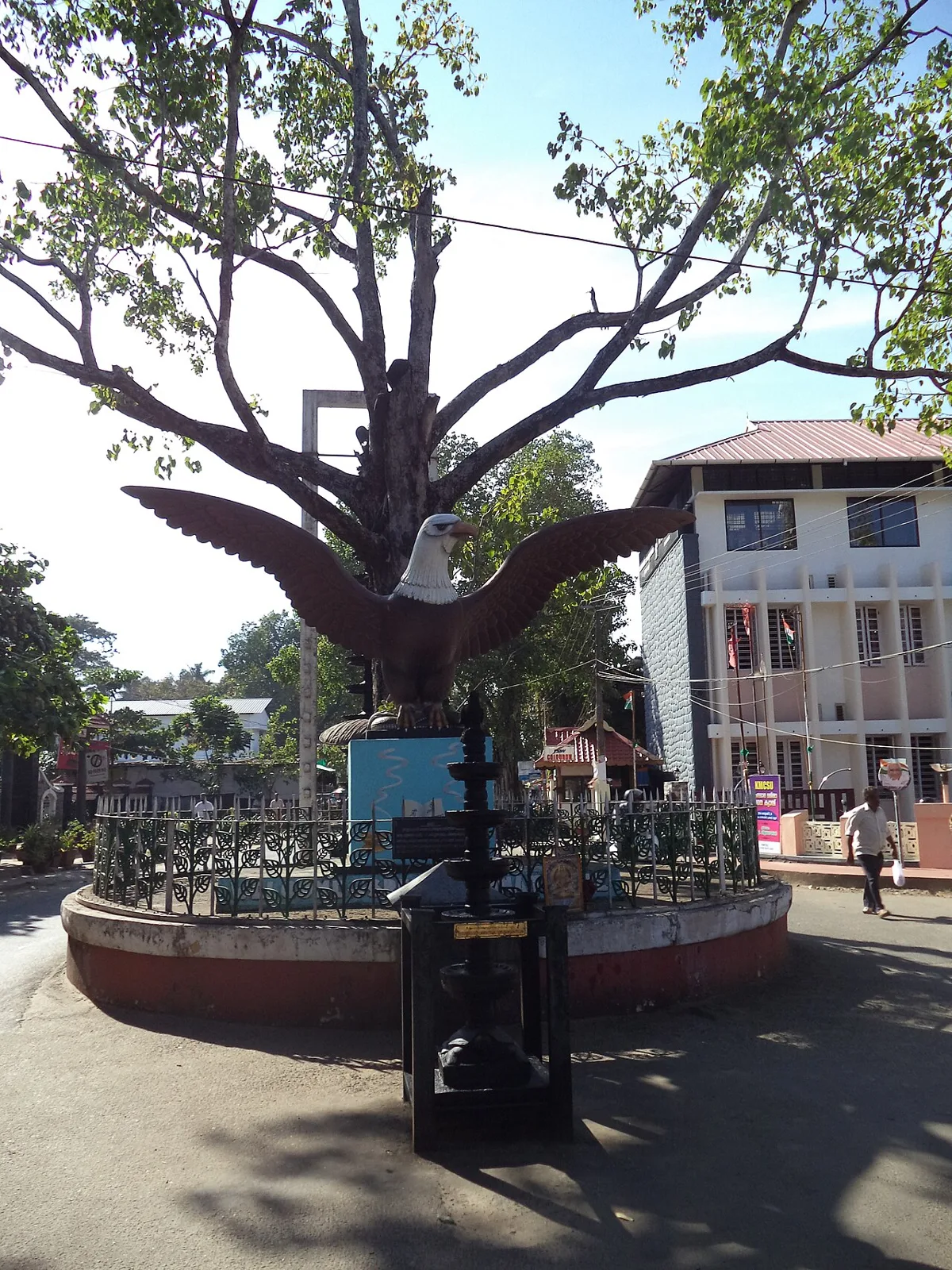
Thrissur Pooram is celebrated in central Thrissur, Kerala, with Vadakkunnathan Temple and its surrounding Thekkinkadu Maidan forming the ceremonial heart. The maidan is encircled by the city’s Swaraj Round, where processions, spectators, and festival activity converge. Vadakkunnathan is the principal sacred setting, but the two most prominent participating groups are based at Paramekkavu Bhagavathy Temple and Thiruvambady Sri Krishna Temple. Their processions travel into the shared festival ground, where their facing displays create the Pooram’s distinctive sense of friendly rivalry. Streets around the round and the temple grounds become exceptionally busy, and access may be managed for safety.

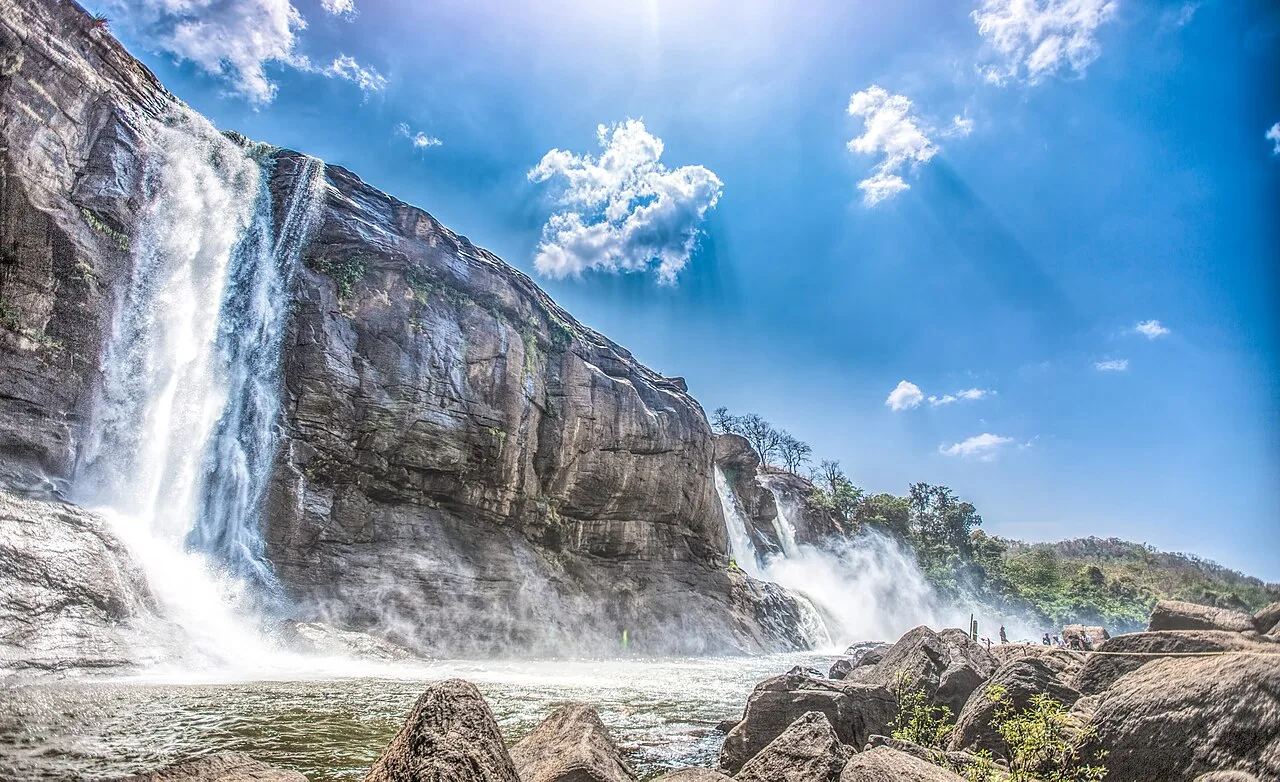
The Pooram is a specific Thrissur city festival, not a single event spread among distant temples. Other temples in Thrissur and its district hold their own local Poorams, with different processions, scales, and customs; these should not be confused with the main gathering. Guruvayur Temple, another major pilgrimage destination in Kerala, is a separate temple town and is not a venue for Thrissur Pooram. Athirappilly Falls is also outside the city and is a nature destination rather than a festival site. Both can be considered as separate additions to a Kerala itinerary, but travel to them during Pooram needs its own time and transport planning. For the festival itself, staying and exploring near central Thrissur makes the most sense.

When it falls

Thrissur Pooram usually falls in April or May, during the Malayalam month of Medam. Its date is set by the traditional Malayalam calendar and the relevant lunar asterism, Pooram (Puram), rather than by a fixed Gregorian date. The festival’s main day is associated with the Pooram star in Medam, while preparatory ceremonies and related temple Poorams take place beforehand. The corresponding date therefore shifts from year to year on the civil calendar.

The festival also follows a customary sequence of events, including temple preparations, processions, musical performances, umbrella displays, fireworks, and the concluding farewell. These may span more than one calendar day, and the main celebrations are famously prolonged. Visitors should check a reliable local or official source for the edition they plan to attend, since schedules and crowd-management arrangements can change. Avoid relying on an old itinerary to determine the precise time of a particular procession or performance.

Experiencing it as a visitor

Choose a viewing position according to what matters most to you: the maidan and temple grounds offer the festival’s central atmosphere, while the Swaraj Round provides a sense of the processions moving through the city. The ilanjithara melam and kudamattam draw dense crowds, so arrive several hours ahead if you hope to watch from a particular public area. There is no universally best spot: sightlines can be blocked by people, temporary arrangements, or safety restrictions, and access may be controlled. Ask local officials or event staff where spectators can stand, and never try to force a route through a packed crowd. A rooftop may offer a view only when access is lawful and arranged with the property owner; do not climb onto unsafe or unauthorised structures.

Plan a flexible day rather than trying to see every event. Eat and rest before the busiest performances, carry water, and identify a meeting point in case your group becomes separated. Phone networks and movement can be difficult in dense crowds. Keep cameras and phones secure, and photograph performers, worshippers, and processions without obstructing them. Do not use flash around elephants or push through the crowd for a close-up. The celebration runs for many hours, with prominent events at different times, so check current local guidance and take breaks in a quieter area when possible. Families, older visitors, and anyone sensitive to noise may prefer a brief visit to a less congested viewing area rather than staying for the entire programme.

Food, dress & crafts of the festival

Thrissur’s everyday Kerala food is the most dependable choice during the festival. Visitors may find meals served on banana leaves, rice with curries, vegetarian dishes, snacks such as banana chips, and local sweets, though what is available varies between homes, restaurants, and temporary stalls. Some festival meals are prepared as temple offerings or for community gatherings; these are not necessarily sold to visitors. Eat at clean, established food outlets when possible, and carry any essential snacks if you have dietary needs. Do not assume every stall will remain accessible during crowd-control measures.

There is no single costume required for spectators. Light, breathable clothing is practical in the warm weather, and modest attire is respectful around Vadakkunnathan and the participating temples. Many people wear traditional Kerala clothing for ceremonies, while visitors can choose comfortable everyday clothes that allow easy movement. Keep footwear simple and secure, and follow any temple-specific directions about footwear or entry. The festival’s most conspicuous visual craft is the elaborate ceremonial umbrella used in the kudamattam, with carefully made, brightly coloured designs. Ornate elephant caparisons and processional decorations are also part of the spectacle, but they are ceremonial objects rather than souvenirs. Ask before photographing artisans or religious preparations.

Stay, transport & crowds

Central Thrissur is the most convenient base for attending the festival, particularly if you want to reach the temple grounds and Swaraj Round without a long journey. Book accommodation well in advance for the Pooram period: demand rises sharply, and nearby rooms may become difficult to find. Check cancellation terms and the property’s access arrangements, since road closures and crowd controls can affect arrivals even when a hotel is close to the venue. If staying farther out, allow a generous buffer to reach the city and confirm your return plan before the evening events.

Thrissur is connected to other parts of Kerala by road and rail, but local movement during Pooram can be much slower than usual. Roads around the centre may be restricted or closed, and ordinary drop-off points may not be reachable. Use current local transport information and follow directions from traffic police, event staff, and public authorities rather than relying on a fixed route. Walking may be the practical option for the final stretch, but dense crowds can make even short distances slow. Keep your accommodation details and a meeting point written down, and carry a charged phone. Expect noise, limited personal space, and long waits; build in time for meals, rest, and departure instead of scheduling tight onward connections.

Etiquette & responsible travel

Treat the festival as a religious observance as well as a public celebration. Dress modestly around temples, follow local instructions about entry and footwear, and avoid interrupting ceremonies or blocking processions. Ask before photographing people at close range, and do not enter restricted areas to improve a picture. Keep flash and loud camera equipment away from elephants and performers. Above all, maintain a safe distance from elephants at all times; never approach, touch, feed, or startle them, even if the crowd appears calm.

Move patiently, follow barriers and crowd-control directions, and do not push for a view or attempt to cross a procession route. Keep children close and agree on a meeting point with your group. Dispose of rubbish responsibly, use available bins, and avoid single-use items where practical. Do not leave food or plastic near animals, temple grounds, or streets. If the crowd feels unsafe or overwhelming, move away calmly and seek assistance from event staff or local authorities.

Frequently asked questions

Where is the best place to watch Thrissur Pooram?

Thekkinkadu Maidan and the area around Vadakkunnathan Temple are at the centre of the festival, while the Swaraj Round offers views of processions moving through the city. Popular areas fill early and may be restricted. Follow local directions and choose a safe, permitted place rather than trying to push closer.

How many days should I plan for the festival?

Allow at least two days in Thrissur if you want flexibility around the main celebrations, which can extend for roughly 36 hours. Staying longer gives you time to rest, see preparations, and manage delays. Check the current programme before fixing onward travel, as event timing and crowd controls can vary.

Is Thrissur Pooram suitable for families and older visitors?

Families can attend, but the busiest areas are loud, crowded, and tiring. Older visitors and young children may prefer a shorter visit from a less congested, accessible viewing area. Bring water, agree on a meeting point, keep children close, and leave if the crowd or noise becomes uncomfortable.

How far ahead should I book accommodation?

Book as early as your plans allow, especially if you want to stay in central Thrissur. Pooram draws large crowds and nearby accommodation can fill quickly. Confirm how road closures might affect arrival and departure, and keep a flexible plan for getting between your lodging and the festival area.

What should I wear to Thrissur Pooram?

Wear light, breathable clothes suited to warm weather and long periods on your feet. Modest dress is respectful around temples; traditional clothing is welcome but not required for spectators. Choose secure footwear for walking in crowds, and follow any temple-specific guidance on footwear or access.

Nearby

Places to see around the festival