
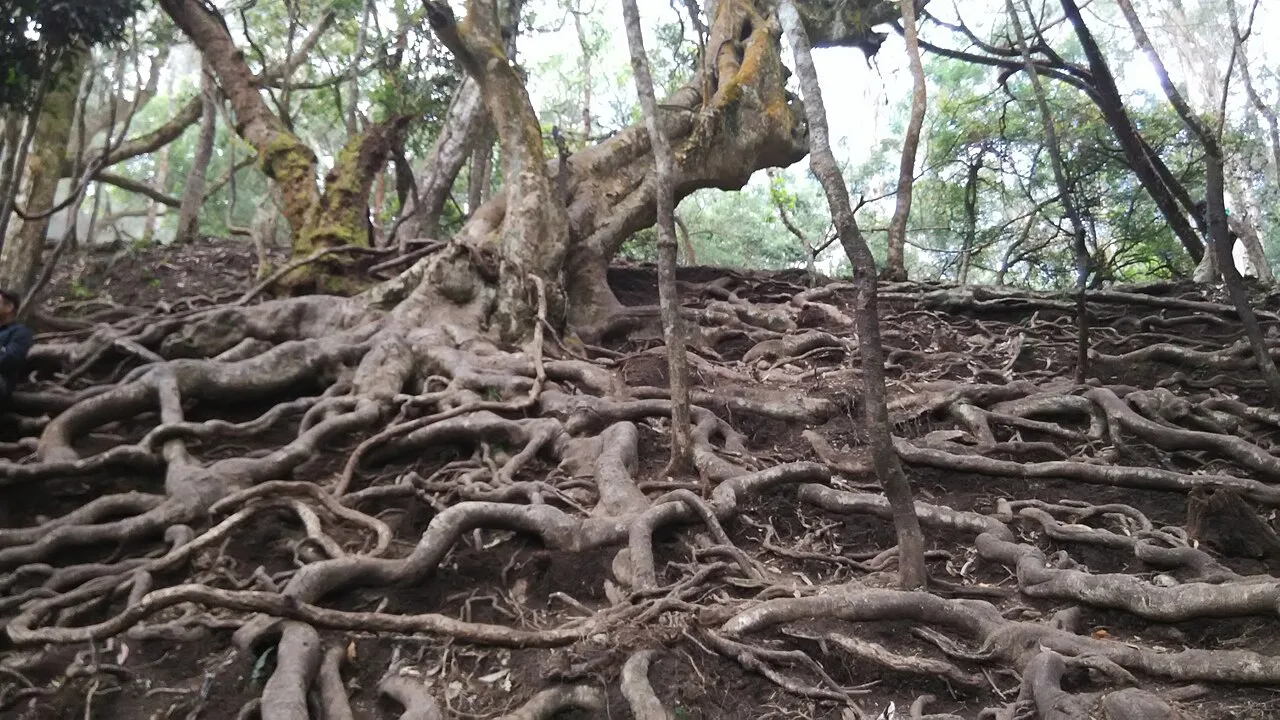
Guna Caves (Devil's Kitchen)
Guna Caves, or Devil’s Kitchen, is a network of deep shafts and narrow underground passages in Kodaikanal. Visitors know it for its film connections and hazardous, unmapped terrain.
Key facts · verified by Ghumoopedia editors
- Type of place
- Heritage monument
- Best time to visit
- November to February; April to June for the hill stations
- Nearest railway station
- Palani · about 27 km (straight line)
- Nearest airport
- Madurai Airport · about 81 km (straight line)
- Verified
- 21 Nov 2026
Plan a trip from Guna Caves (Devil's Kitchen) — a day-by-day route through places nearby.
Situated in Kodaikanal in Tamil Nadu’s Dindigul district, Guna Caves—also called Devil’s Kitchen—consist of underground routes and narrow cracks descending towards deep shafts, some said to have no bottom. The site is closely linked with the 1991 Tamil film Gunaa, featuring Kamal Haasan. The movie made the caves an important part of its setting; afterward, the place acquired its name. Public interest grew following the film’s release, drawing many visitors. The caves later featured in other productions: the climax of the Malayalam film Shikkar (2010) was filmed here, and Malayalam film Manjummel Boys (2024) included some shots from the site. Passages within are described as dark, winding and extremely narrow, with little or no sunlight or oxygen. Their routes have not been mapped, and the cramped, twisting layout makes them difficult to navigate. Openings occur throughout the cave system, some measuring only about one foot across in each direction. Stones have been thrown into these holes to gauge their depth from the sound heard afterward. Such tests have led to estimates of several hundred feet, while some shafts are described as bottomless when no reverberation is heard. These conditions make searches and recovery work hazardous. Since 1991, people have disappeared in the caves, and efforts to locate them have often failed because of the risks involved. By 2016, police had logged 16 disappearances associated with the caves for which bodies had not been retrieved. Shenbaga Nadar was the sole person whose body was recovered after death. Subash Chandran was the only person rescued alive after falling into a crevice in one of the caves’ most dangerous holes, which was said to have caused six deaths. Tamil Nadu is the land of great living temples — Madurai's Meenakshi, Thanjavur's Brihadeeswara, Srirangam, Chidambaram and Rameswaram — along with the Pallava shore monuments of Mamallapuram, the Chettinad mansions, the hill stations of Ooty and Kodaikanal and the meeting of three seas at Kanyakumari. The state is hot from March to June, gets light southwest-monsoon rain from June to September, and receives its main rainfall from the northeast monsoon between October and December. January to March is the most comfortable season; the Nilgiri and Kodaikanal hills are cool year-round. The usual best time to visit is November to February; April to June for the hill stations. Timings, fees and access arrangements must be confirmed locally. For official information, see Tamil Nadu Tourism at https://www.tamilnadutourism.tn.gov.in.
Why it matters
Guna Caves, also known as Devil’s Kitchen, is a natural cave-and-crevice formation near Kodaikanal in Dindigul district. Its regional profile grew after the 1991 Tamil film Gunaa, starring Kamal Haasan, was filmed here; the location’s association with the film led to the name Guna Caves. Malayalam films Shikkar (2010) and Manjummel Boys (2024) also used the area. The site is known for its dramatic rock fissures and the hazards associated with entering them, rather than for a built monument or established collection of antiquities. No UNESCO or Archaeological Survey of India recognition is confirmed here. Visitors should treat it as a fragile, dangerous natural site and remain within officially permitted viewing areas.
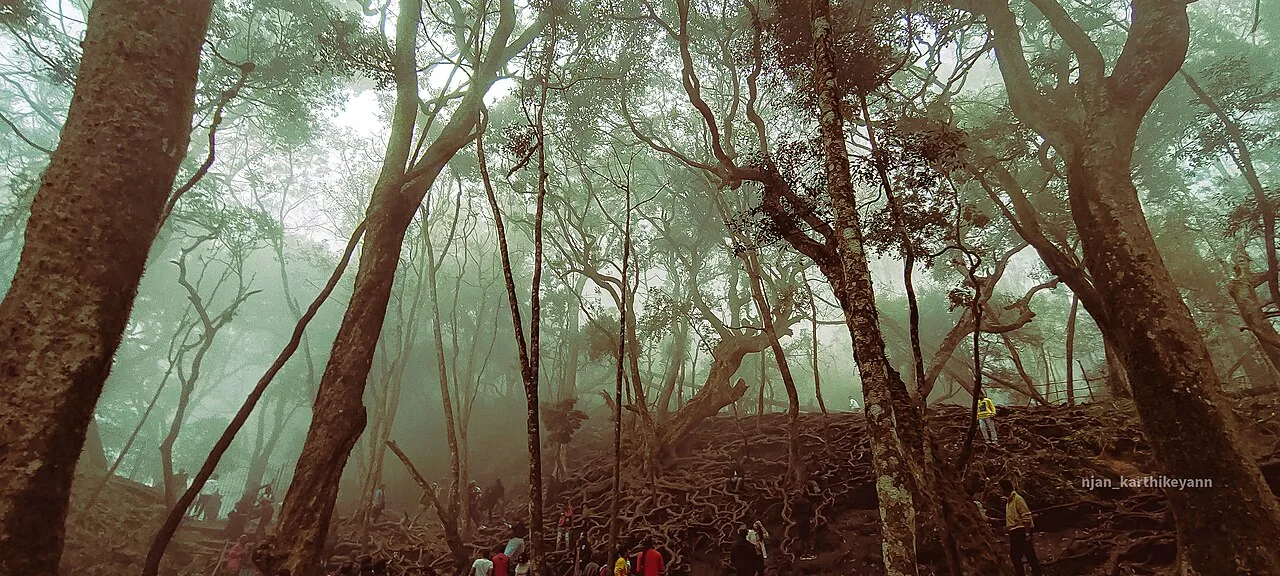
The caves are natural rock formations in the Kodaikanal hills, not a constructed monument. Their fissures and cavernous passages formed through geological processes; a precise age or a documented human builder is not established in the available account. The name Devil’s Kitchen became associated with the dark, narrow crevices, while the name Guna Caves followed the filming of the 1991 Tamil film Gunaa, in which the location was important to the story’s setting. The film brought wider attention to the area and helped make it a destination for visitors. Later screen appearances included the climax of the Malayalam film Shikkar (2010) and scenes in Manjummel Boys (2024). Public interest has had serious consequences: accounts cited in the existing guide record multiple disappearances and difficult rescue attempts. Police had recorded 16 disappearances connected with the caves by 2016, without bodies being recovered in those cases. Shenbaga Nadar’s body was retrieved, and Subash Chandran was rescued alive after falling into a crevice. These incidents underline why the passages should not be explored. No documented restoration campaign or ancient architectural phase is known; visitor access and safety arrangements may change, so follow current local instructions.
Origin stories & folklore
The name Devil’s Kitchen reflects the unsettling appearance of the dark, twisting clefts, but no single, well-documented origin legend is established here. Visitors and local accounts have described some holes as seemingly bottomless, partly because a thrown stone may produce a distant or unclear sound. Such stories belong to local lore and are not reliable measurements of depth. The area’s reputation has also been shaped by accounts of people lost in the fissures and by its portrayal in films. These stories can add to the atmosphere, but they should not encourage exploration: the crevices are hazardous, and the safest way to experience the site is from permitted paths and viewpoints.
Architecture & design
Guna Caves are a natural formation, not a man-made cave temple or engineered monument. The site consists of cavernous passages and narrow clefts in the rocky hillside, including dark openings and deep fissures. Their irregular shapes, restricted spaces and lack of dependable light make the interior difficult to navigate; routes are not comprehensively mapped for visitors. Some openings are very narrow, and apparent depth can be hard to judge from the surface. The existing guide describes holes as having been tested by dropping rocks, with depths estimated at several hundred feet in some cases; such estimates should not be treated as verified surveys. There are no confirmed built columns, carved façades or designed chambers to interpret. Visitor movement should be limited to designated paths and official viewing areas, as the rock edges and openings present a serious fall risk.
Important objects & sculptures
There is no established collection of sculptures, idols, inscriptions or archaeological objects at Guna Caves. The principal features to observe are the natural rock openings, fissures and the landscape around them, viewed from safe, permitted points. Do not assume that marks on the rock are carvings or touch, scratch or remove any material. The film connection is part of the site’s modern cultural interest, but visitors should not expect a museum display or a preserved film set. If local interpretation panels or displays are present during a visit, follow their guidance and treat them as the most reliable source for details about the viewing area.
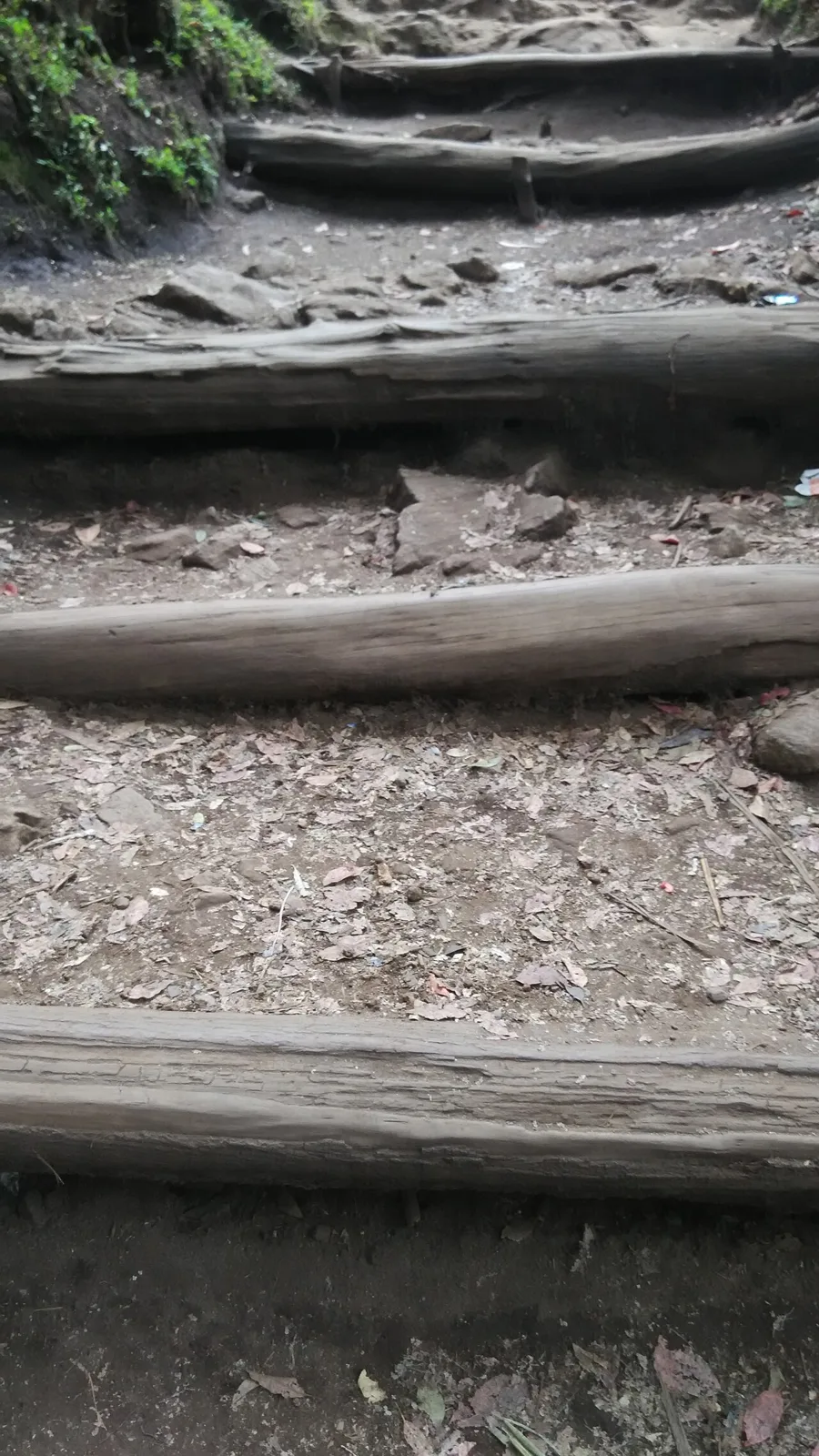
Spend unhurried time at Guna Caves (Devil's Kitchen): walk the marked paths, use official viewpoints and ask locally whether a guide, entry ticket or forest permission is needed. Follow the marked route inside the caves, carry a small torch and never touch the ancient carvings — the rock-cut art at sites such as Badami and Undavalli is fragile and irreplaceable. A comfortable itinerary is one main visit in the morning, a local meal at midday and a short nearby stop before an afternoon return. Use the district list on this site to find other places in Dindigul, but check the route and its condition before combining stops. If a festival is on — such as Pongal in January, the Madurai Chithirai festival, the Mahamaham at Kumbakonam or the Chennai music season in December — roads and stays can be busy, and the experience can be unforgettable. Leave no litter: many sites are protected by the communities around them.
Suggested itineraries
Half day: From Kodaikanal, travel to the permitted Guna Caves viewing area, spend about one to two hours on marked paths and viewpoints, then make a brief stop at nearby Pillar Rocks if access and road conditions allow. Full day: Visit Guna Caves in the morning, pause for a meal in Kodaikanal, then choose Coaker’s Walk or Bryant Park and finish with a relaxed town-centre visit; allow about six to eight hours including travel and breaks. Gentler option: Skip uneven trails at the caves and enjoy accessible town viewpoints, a relaxed meal and a short visit to a nearby park, checking site access before setting out.
The caves sit within the wider Kodaikanal hill-station region, where Tamil is widely spoken and English is commonly used in visitor-facing services; Malayalam is also familiar to many people in the tourism sector. The site’s contemporary identity is strongly linked to Tamil cinema, especially Gunaa, and to later films that renewed public interest. Visitors share the area with local residents, forest and site staff, and other travellers. There is no known regular ritual, dance performance or distinctive dress custom specific to the caves. Respect local directions, avoid loud behaviour near other visitors, and do not leave litter or enter restricted ground. Cultural experiences and everyday customs are more readily encountered in Kodaikanal town and its markets than inside the cave area.
Festivals & events
No regular festival or fair is known to be held at Guna Caves itself. In Kodaikanal and the surrounding Tamil Nadu region, Pongal is celebrated in January, while local summer-season events and flower displays may bring additional visitors to the hill station. Dates and programmes vary by year, so check locally before planning around an event. Festival periods and school holidays can make roads, viewpoints and accommodation busier. The caves are a natural hazard site, not a festival venue; celebrations do not make restricted passages safe or open for entry.
Local food in Tamil Nadu includes idli, dosa and filter coffee, Chettinad chicken and pepper curries, Madurai's kari dosa and jigarthanda, Thanjavur's banana-leaf vegetarian meals, Kanyakumari's seafood, and sweets such as Mysore pak, adhirasam and Tirunelveli halwa. Ask what is fresh that day; many small eateries cook a limited daily menu. Tamil Nadu is a paradise for vegetarian meals served on banana leaf; Chettinad and Madurai are the centres for meat and spice lovers. Filter coffee is a ritual — have it at a local 'hotel' (eatery). Remote sites may have no restaurant at all. Carry water and snacks, eat a proper breakfast before long drives, and ask your accommodation for a packed lunch if you are heading out early. Try a home-cooked or local thali meal when you can — it is often the best food on the route. Choose busy, clean places, drink sealed or filtered water, and carry your packaging back with you.
Shopping & local experiences
Kodaikanal town is the most practical place to browse for local products rather than the cave area itself. Visitors commonly look for homemade chocolates, locally sold spices, eucalyptus oil and small handicrafts, but check labels and buy from reputable sellers. Shops and markets may also offer snacks and hill-station produce. There is no confirmed specialist souvenir stall at Guna Caves, so do not rely on finding one there. Try local food in town, and carry reusable bags where possible. Avoid buying anything presented as a natural object removed from the cave or surrounding forest.
November to February; April to June for the hill stations
The nearest principal railway station by straight-line distance is Palani, roughly 27 km away. The nearest operating airport by straight-line distance is Madurai Airport, roughly 81 km away. These figures are calculated from map coordinates — actual road distance is longer. Chennai is the main gateway; Coimbatore serves the west and Mettupalayam is the railhead for the Ooty toy train; Madurai and Tiruchirappalli serve the south and centre; Rameswaram and Kanniyakumari have their own rail termini. For the final leg, TNSTC and SETC buses reach nearly every town, with private sleeper coaches between cities and app cabs in Chennai, Coimbatore and Madurai link district towns. A private taxi gives more flexibility for remote sites such as hill stations, forest gates and coastal temples. When comparing train, bus and flight, count the complete door-to-door time: a flight saves the most time only if the onward road transfer is short, while an overnight train can save a hotel night. Book your return before you leave, because seats fill quickly on weekends, festivals and holidays. Current train numbers, timings, return services and fares are not listed here; check IRCTC and NTES for trains and the airline's own schedule for flights. No permit is needed to visit Tamil Nadu. The Nilgiri Mountain Railway toy train to Ooty must be booked well in advance on IRCTC — seats are few and sell out weeks ahead. Major temples such as Madurai Meenakshi and Srirangam have darshan queues and some enforce a dress code (dhoti or formal trousers for men, saree or salwar for women); phones and cameras are not allowed inside several temple sanctums. Boating to the Vivekananda Rock at Kanyakumari depends on sea conditions.
Confirm onward and return timings on IRCTC / NTES, the state bus operator or your airline before travel. A dash means current timings or fares have not been verified.
Getting around
Kodaikanal town is the practical base for reaching the Guna Caves area. Visitors commonly use a private taxi or locally hired vehicle to travel between the town and nearby viewpoints; ask the driver to confirm the permitted drop-off and parking arrangements. Local buses serve parts of the Kodaikanal area, but check routes and service availability locally before relying on them for the final leg. Walking may be needed from a parking or drop-off point, and the ground can be uneven. Autos may be available in town, though availability for the full journey can vary. Do not park on narrow roads or block access for residents and emergency vehicles.
Hours, tickets & permissions
Access arrangements can change, and parts of the cave area may be fenced off or restricted for safety. There may be an entry ticket, a designated visitor route or local permission requirements, but these should not be assumed. Confirm current access rules, hours and fees with the managing authority or local site staff before travelling. Follow posted instructions, barriers and any forest or safety restrictions. Do not attempt to enter a fissure even if another visitor appears to do so, and do not rely on old online reports for current access information.
Facilities
Facilities at the cave viewing area may be limited and can change. Check locally for toilets, drinking water, food stalls, parking, guides and any visitor information; do not assume these are available at the site. Kodaikanal town offers a wider choice of restaurants, shops, accommodation, cash services and basic supplies. Carry water and any personal essentials from town, and take all rubbish back with you. If staff or a guide are present, follow their directions, particularly around barriers and restricted ground.
Accessibility
The approach and viewing area may involve uneven ground, slopes or steps, and the natural terrain around the fissures is not suitable for unrestricted walking. The caves themselves should not be entered: narrow passages, darkness and sudden drops make them dangerous for everyone. Wheelchair and stroller access cannot be assumed, and there may be no continuous accessible path or suitable facilities. Older visitors and anyone with balance, breathing or mobility concerns should check current conditions and the walking distance with local staff before setting out. Shade may be limited along exposed sections. Consider enjoying Kodaikanal’s town viewpoints or a park instead if the approach feels uncomfortable.
No permit is needed to visit Tamil Nadu. The Nilgiri Mountain Railway toy train to Ooty must be booked well in advance on IRCTC — seats are few and sell out weeks ahead. Major temples such as Madurai Meenakshi and Srirangam have darshan queues and some enforce a dress code (dhoti or formal trousers for men, saree or salwar for women); phones and cameras are not allowed inside several temple sanctums. Boating to the Vivekananda Rock at Kanyakumari depends on sea conditions. Carry a photo ID at all times and save the emergency number 112 and your accommodation's contact offline. Heat in summer and heavy rain in the monsoon are the main weather risks; carry water, avoid midday sun and allow extra time when roads flood. Stay on marked paths, keep away from cliff edges and fast water, and never approach wild animals.
Photography
The landscape and rock openings can be photographed from permitted viewpoints, with soft morning or late-afternoon light often helping show the surrounding scenery. Stay behind barriers and do not lean over edges or enter a fissure for a photograph. Ask permission before photographing local people or staff, and avoid obstructing paths. Camera rules may vary, so check posted notices or ask the managing authority about restrictions or fees. Do not fly a drone without the required permissions; protected, forested or crowded areas may have additional rules. Leave rocks and vegetation undisturbed.
Choose a stay by the full journey to Guna Caves (Devil's Kitchen), not just the district name. Chennai, Coimbatore, Madurai and Tiruchirappalli offer the widest choice; Ooty and Kodaikanal have everything from heritage hotels to cottages — book far ahead for the April–June school holidays and the Pongal weekend. In summer, check air-conditioning; in the monsoon, check that the property is accessible if roads flood. Book in advance for weekends, festivals and the peak season (November to February; April to June for the hill stations). Confirm the exact location, meals included, check-in time and cancellation terms in writing. Avoid sending money to unverified contacts or touts at stations. Carry some cash, as card and digital payments can be unreliable in remote areas.
Pillar Rocks is a well-known nearby Kodaikanal viewpoint and is often combined with a visit to the caves, subject to access and road conditions. Other established Kodaikanal stops include the Pine Forest, Moir Point, Coaker’s Walk, Bryant Park and Kurinji Andavar Temple. Berijam Lake is another regional attraction, but access may be controlled and should be checked in advance. These places are spread around the hill station, so allow time for winding roads and avoid trying to fit too many stops into one outing. Confirm that each site is open to visitors before setting off.
For couples, Guna Caves (Devil's Kitchen) rewards a slow pace: arrive early for soft light and fewer crowds, share a local meal and keep the evening free. Sunrise at Kanyakumari, a boat ride on Kodaikanal lake or an evening stroll through Mamallapuram's shore monuments makes the trip memorable. Public displays of affection can be frowned upon in conservative communities and at religious sites, so be discreet. Keep a buffer in your itinerary, because weather and road conditions can delay plans.
Q: How much time should I allow for Guna Caves? A: Allow roughly one to two hours for the permitted viewing area, plus travel time from Kodaikanal and any nearby stops. Q: When is a good season to visit? A: November to March is generally comfortable in Tamil Nadu; Kodaikanal is cool year-round, but check weather and road conditions before travelling. Q: Is entry allowed, and do I need a ticket? A: Access rules can change, and some areas may be restricted. Confirm current entry requirements and fees with the managing authority; never enter the fissures. Q: Can children or elderly visitors go? A: They may view the site from permitted paths if conditions allow, but uneven terrain and dangerous drops require close care. Avoid the visit if the approach is unsuitable for your group. Q: Where should I stay nearby? A: Kodaikanal town has the broadest choice of accommodation, food and services; book ahead during holidays and busy festival periods.
Be the first to share photos, stories, advice or a helpful contact for Guna Caves (Devil's Kitchen).
Loading…