Ghumoopedia — Explore, Discover, Experience
Sign in
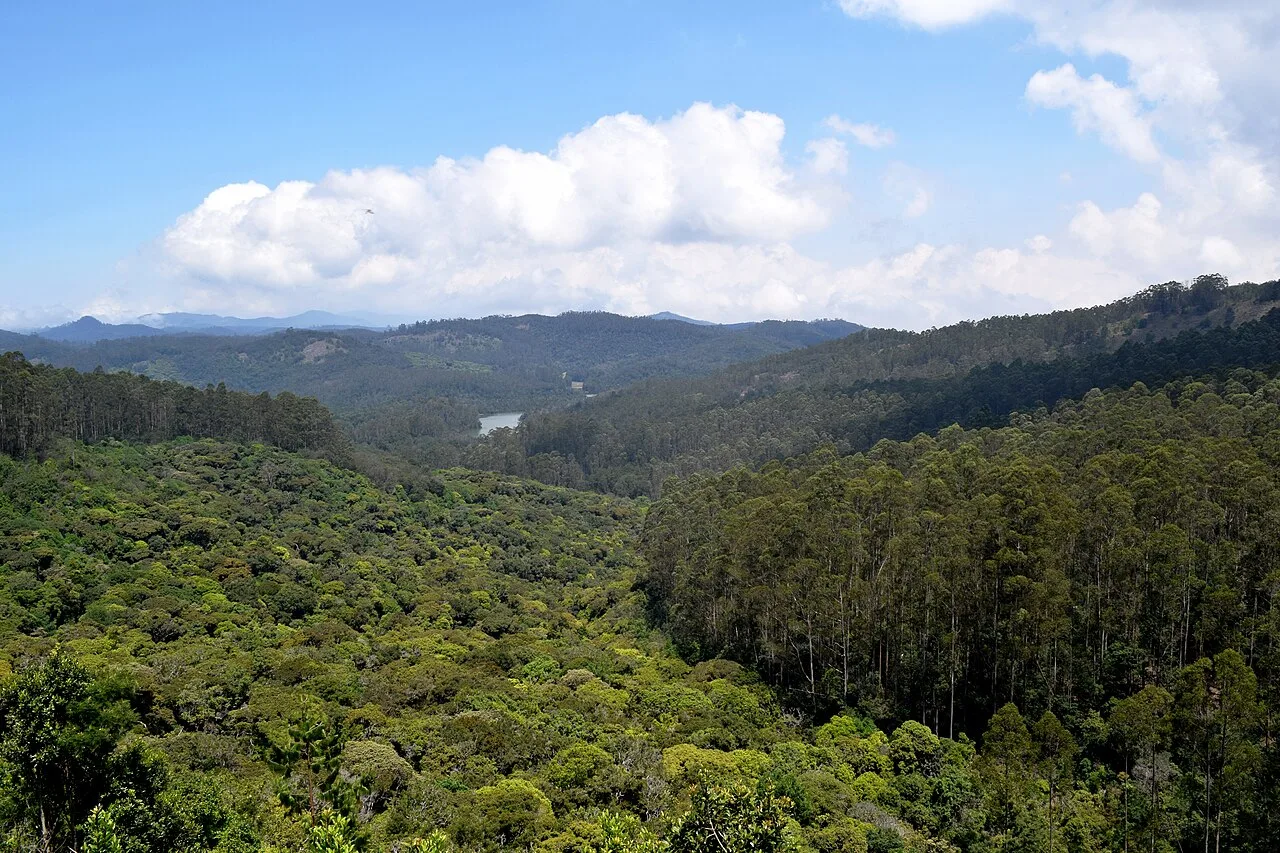
Berijam Lake, near Kodaikanal

City guide · Tamil Nadu

Kodaikanal

Kodaikanal is a hill station in Tamil Nadu’s Palani Hills, part of the Western Ghats. Set high above the plains, it offers a cool climate, wooded slopes and valley views that have made it a popular retreat for generations.

Famous for

  • Kodaikanal Lake
  • Kodaikanal hill garlic
  • Homemade chocolates
  • Kurinji Andavar Temple
  • Palani Hills scenery
In the city
5
Districts
Dindigul, Theni

Why Kodaikanal matters

Kodaikanal is a hill station in Tamil Nadu’s Palani Hills, part of the Western Ghats. Set high above the plains, it offers a cool climate, wooded slopes and valley views that have made it a popular retreat for generations. Tourism is central to the town today, supporting hotels, restaurants, shops and outdoor activities, while Kodaikanal also serves as a gateway to villages and landscapes across the upper Palani Hills.

The town’s best-known landmarks include its man-made lake, where visitors walk or cycle along the shore, and Coaker’s Walk, a ridge path overlooking the plains. Bryant Park, viewpoints and nearby waterfalls add to its appeal. The surrounding hills are also known for shola forests, grasslands and seasonal flowers, including the kurinji, which blooms at long intervals. Kodaikanal is often called the “Princess of Hill Stations”; its appeal lies in the combination of a compact town centre, colonial-era character and access to quieter mountain country.

Famous for: crafts, trade & products

Kodaikanal is better known for hill produce and visitor shopping than for textiles or large-scale handicraft production. Its distinctive agricultural product is Kodaikanal Malai Poondu, or hill garlic, a locally grown variety with a Geographical Indication tag. Garlic, spices, homemade chocolates and products made with eucalyptus or other aromatic oils are commonly sold in the town’s shops and market areas. Pears, plums and other seasonal produce may also appear in local stalls, depending on the harvest.

The area around Anna Salai and the town centre is a convenient place to browse for food products, oils, warm clothing and souvenirs. Small shops near the lake and along busy visitor routes also stock chocolates and packaged local goods. These are generally independent retailers rather than a single specialised craft quarter. Kodaikanal’s main economic activity is tourism, with hospitality and services supporting visitors to the hill station. Travellers looking specifically for traditional Tamil textiles or established craft industries will find a broader selection in larger towns and cities elsewhere in the state.

History

The Palani Hills have a much older human history than the hill station itself. Tamil Sangam literature describes the Kurinji mountain landscape, while Palaiyar communities lived in the region. British surveyors and naturalists explored the plateau in the early nineteenth century, and Kodaikanal was established in 1845 as a cool-season refuge from heat and disease in the plains. American missionaries and European residents later helped the settlement grow as a summer retreat.

The town’s shape developed around its basin and lake. In 1863, an artificial lake was formed by blocking streams, creating a focal point for the growing settlement. A ridge path later known as Coaker’s Walk offered views over the escarpment, and a ghat road completed in 1914 improved access from the plains. Schools, churches, shops and other institutions followed. After independence, Kodaikanal continued as a hill resort, with tourism becoming a major part of its modern economy. Its observatory and colonial-era buildings remain reminders of its development as a planned retreat.

Food, festivals & culture

Tamil is the principal local language; English is widely used in tourism, and visitors may also hear other languages spoken by residents and travellers. Everyday food includes familiar Tamil dishes such as idli, dosa, rice meals and snacks, alongside restaurants serving cuisine for a diverse tourist crowd. Homemade chocolate is a popular local purchase, while hill garlic, spices and seasonal fruit reflect the produce of the surrounding region.

Pongal, the Tamil harvest festival, is celebrated in January, and Tamil New Year falls in April. The town’s summer festival, usually held during the warmer visitor season, brings seasonal events and flower displays; programmes can vary from year to year. Kodaikanal’s religious life includes Hindu temples, Christian churches and other places of worship. Kurinji Andavar Temple is associated with Murugan and the hills’ kurinji flower, while churches reflect the town’s missionary-era history. Tamil devotional music and classical and folk traditions are part of the wider regional culture, alongside performances and events arranged for visitors.

Visiting the city

The most popular visiting season is generally April to June, when the plains are hot and the hills are cooler. September to November can also be pleasant, though rain may affect plans during the monsoon. The nearest airport with regular commercial connections is Madurai Airport. The main rail access point is Kodai Road railway station; onward travel to the hill station is by road.

Taxis and local buses connect the town with nearby sights, while the central area and lake can be explored on foot. Start around Kodaikanal Lake, Bryant Park and Coaker’s Walk, then explore the shops and cafés near Anna Salai. Vattakanal offers a quieter hillside atmosphere, while trips to Poombarai and Mannavanur reveal village scenery and open countryside. Roads are winding, so allow time for journeys beyond the centre.

Attractions

Places to visit in Kodaikanal

Sights within about 12 km of each other, even when they fall in different districts.

Map

Kodaikanal on the map

  1. 1Berijam Lake
  2. 2Bryant Park
  3. 3Guna Caves (Devil's Kitchen)
  4. 4Kodaikanal Lake
  5. 5Kumbakkarai Falls

Tamil Nadu

Other cities to explore