
Ghumoopedia — Explore, Discover, Experience
Sign in
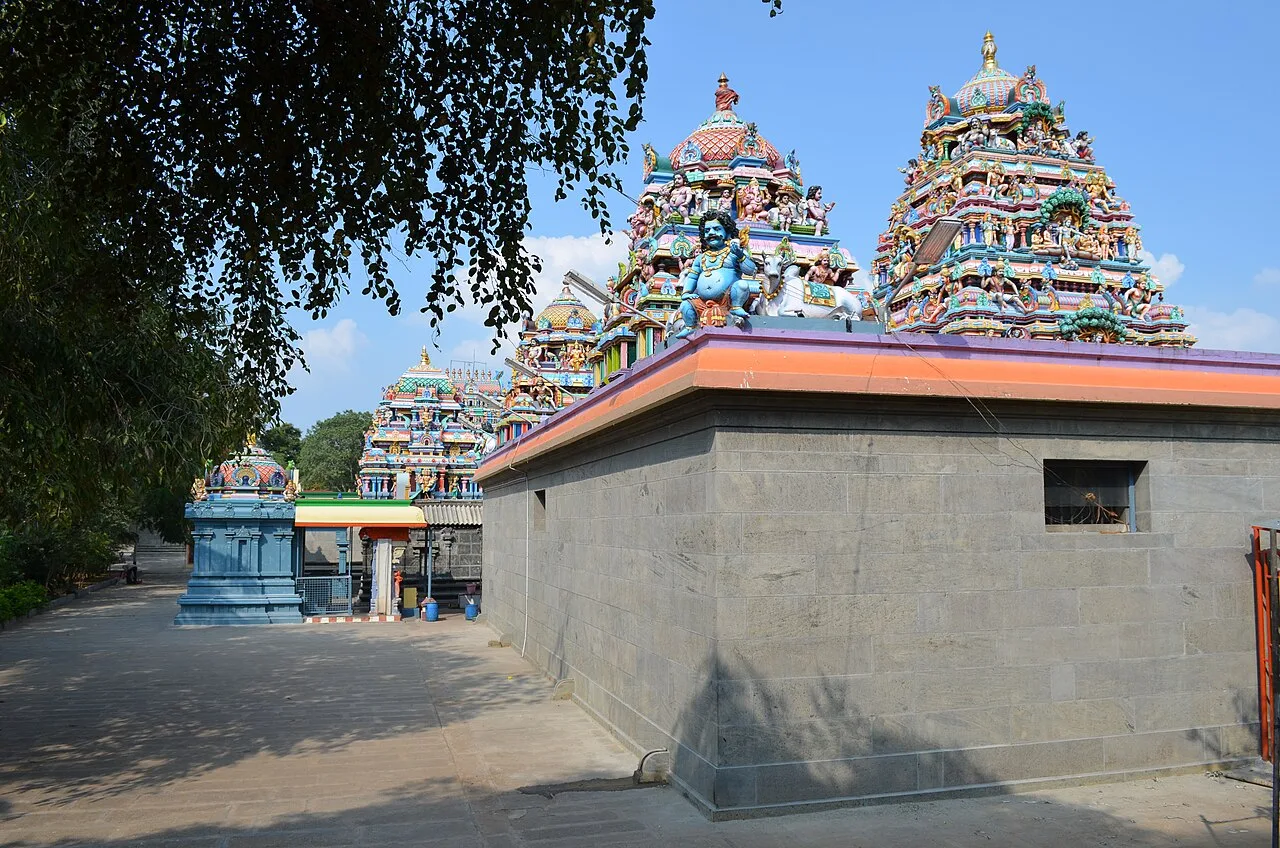
Bhavani Sangameswarar Temple, near Erode

City guide · Tamil Nadu

Erode

Erode is a commercial and administrative centre in western Tamil Nadu, set in the Kongu Nadu region near the Kaveri River and within reach of the Western Ghats. As the headquarters of Erode district, it serves surrounding towns and agricultural communities, while its trading networks connect farmers, textile makers and buyers across the state.

Famous for

  • Erode turmeric
  • Handloom textiles
  • Knitwear production
  • Kongu Nadu cuisine
  • Periya Mariamman Temple
In the city
1
District
Erode

Why Erode matters

Erode is a commercial and administrative centre in western Tamil Nadu, set in the Kongu Nadu region near the Kaveri River and within reach of the Western Ghats. As the headquarters of Erode district, it serves surrounding towns and agricultural communities, while its trading networks connect farmers, textile makers and buyers across the state. The city’s name is especially associated with turmeric: Erode turmeric has Geographical Indication recognition and is traded through the area’s wholesale markets.

Textiles are another important part of Erode’s identity. The city is known for handloom fabrics, cotton goods and knitwear, alongside a broad range of agricultural and industrial activity. Visitors come to explore its busy markets and temples, sample Kongu-style food, or use Erode as a base for trips around the district. Its appeal is less about a single landmark than the everyday life of a working regional city, where commerce, worship and local food traditions meet.

Famous for: crafts, trade & products

Erode’s best-known product is its turmeric, valued for its colour and traded in substantial volumes through local wholesale and regulated markets. The product has Geographical Indication recognition. Visitors can look for turmeric and related goods in the city’s market area, though the wholesale trade is primarily geared to commercial buyers. Erode is also a centre for handloom textiles, cotton fabrics and knitwear, with textile shops and showrooms in the central commercial streets offering locally made goods.

The wider district has other notable craft traditions. Nearby Bhavani is associated with handwoven jamakkalam rugs, while Chennimalai is known for handloom weaving; these are useful excursions for travellers interested in the region’s textile heritage. Erode’s business life also includes agricultural trading and industries linked to textiles and food processing. For a sense of the city’s trade, browse its busy central bazaars; for a closer look at local products, ask textile retailers about the origin and weaving of their fabrics. The city’s markets are working commercial spaces, so activity and stock can vary by day and season.

History

Erode lies in the historic Kongu Nadu region. In the Sangam period, the area was associated with the Cheras; it later passed through the hands of several South Indian powers, including the Pandyas, Rashtrakutas and Cholas. Chola rule took hold from around the 10th century. Vijayanagara authority followed, and Nayak rulers later introduced the Palayakkarar, or Polygar, system.

By the early 18th century, Erode had become part of the Kingdom of Mysore. After the Anglo-Mysore Wars, the East India Company took control of the region in 1799 and incorporated it into the Madras Presidency. The area was a site of activity during the second Poligar War of 1801, associated with the resistance leader Dheeran Chinnamalai. After Indian independence, Erode remained part of Coimbatore district until it became the capital of the newly formed Erode district in 1979. Its growth as a trading, textile and industrial centre continued, and the Erode Municipal Corporation was established in 2008.

Food, festivals & culture

Erode’s food reflects Kongu Nadu cooking, with rice, lentils, millets and locally grown produce featuring in everyday meals. Idli, dosa, sambar and a range of rice dishes are easy to find, alongside South Indian tiffin and snacks. Turmeric is a familiar presence in local cooking, but the city is better known for its trade in the spice than for one defining turmeric dish. Sweet shops and bakeries serve familiar Tamil Nadu treats, including payasam and locally prepared sweets.

Pongal, usually celebrated in January, is a major harvest festival, while Deepavali and Tamil New Year bring family gatherings and festive foods. Temple festivals, including celebrations associated with Mariamman temples, are important parts of the local calendar; their dates vary. Tamil is the principal language, and English is also used in many shops and public-facing businesses. Worship is centred on Hindu temples such as Periya Mariamman Temple and Thindal Murugan Temple, alongside places of worship serving other faiths. Folk music and dance traditions are part of festival life, while classical performances may be encountered at cultural or religious events.

Visiting the city

The cooler months from November to February are generally the most comfortable for visiting. March to June can be very hot, and the main rains tend to arrive during the northeast monsoon in October and November. The nearest major airport is Coimbatore International Airport. Erode Junction is the city’s main railway station and a useful arrival point for onward travel.

Auto-rickshaws, local buses and taxis make it straightforward to get around; agree on the destination before setting off. Explore the central bazaar and textile-shopping streets for a sense of Erode’s trading life, and visit Periya Mariamman Temple or Thindal Murugan Temple for a different perspective on the city. Erode also works well as a base for day trips to nearby textile centres such as Bhavani and Chennimalai. Check local conditions before setting out during heavy monsoon rain.

Attractions

Places to visit in Erode

Sights within about 12 km of each other, even when they fall in different districts.

Map

Erode on the map

  1. 1Bhavani Sangameswarar Temple

Tamil Nadu

Other cities to explore