Ghumoopedia — Explore, Discover, Experience
Sign in
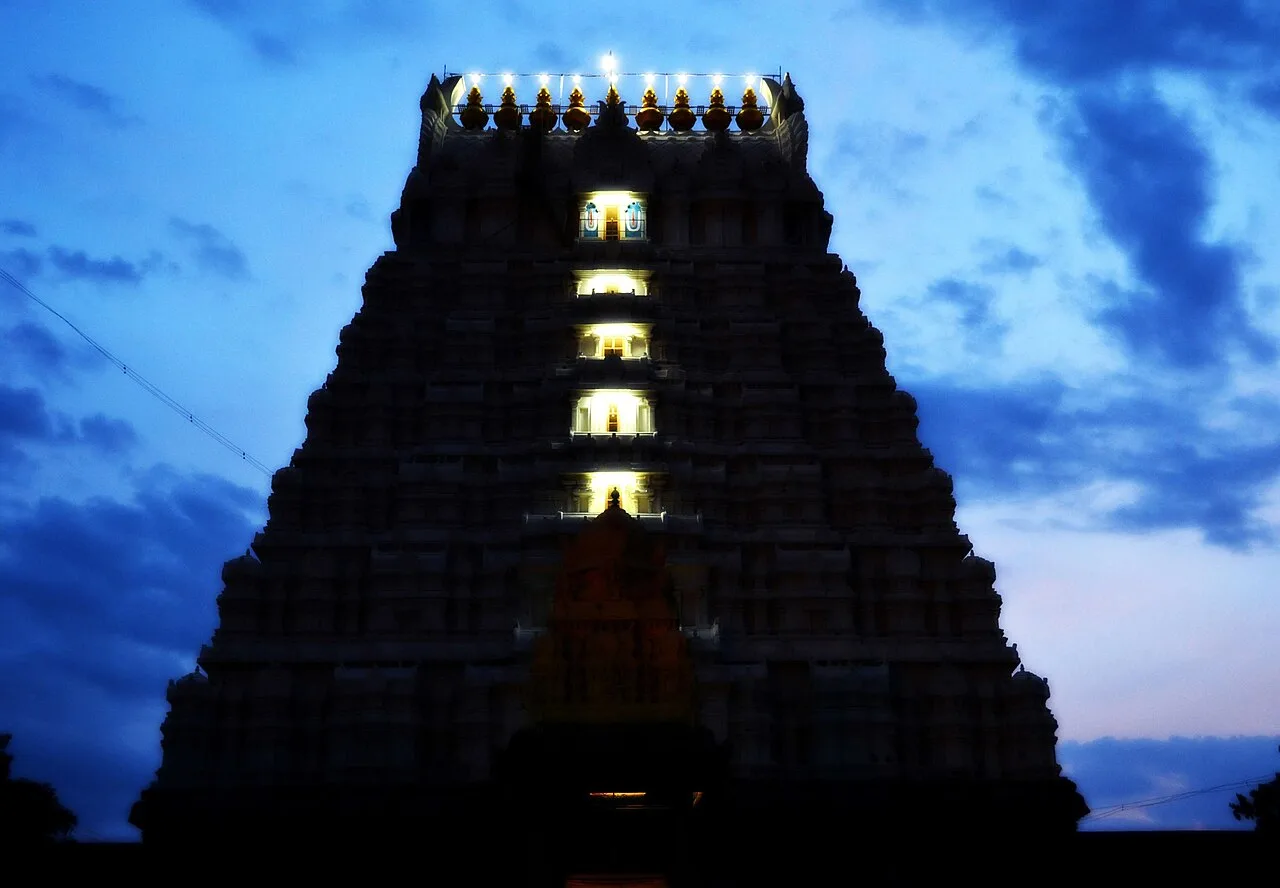
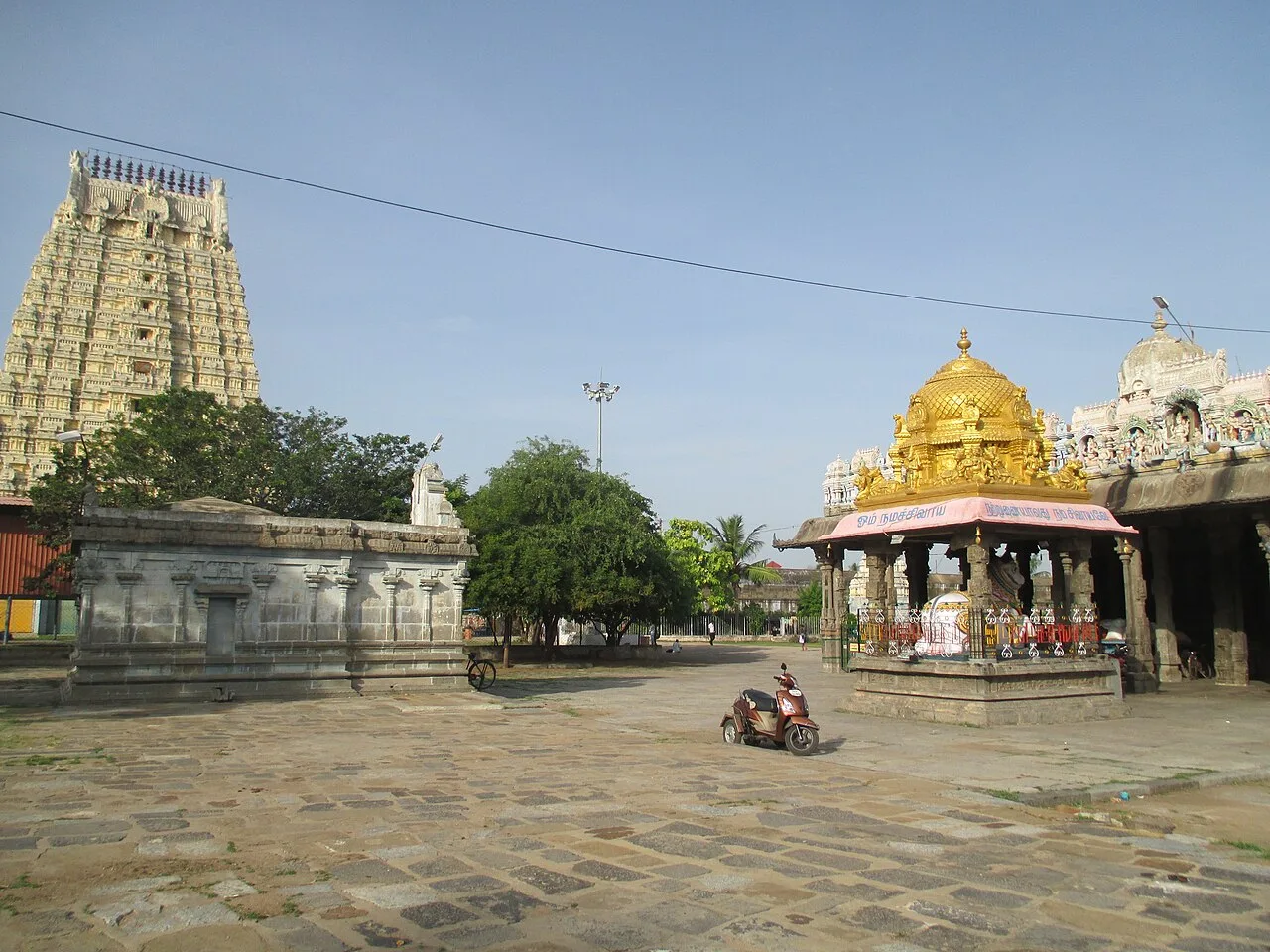
Ekambareswarar Temple, Kanchipuram, near Kanchipuram

City guide · Tamil Nadu

Kanchipuram

Kanchipuram is one of Tamil Nadu’s foremost temple cities and a major centre of pilgrimage, heritage and traditional silk weaving. Often called the City of a Thousand Temples, it draws visitors to sacred sites associated with Shaivism, Vaishnavism and Shaktism, as well as to its remarkable Pallava-era architecture.

Famous for

  • Kanchipuram silk sarees
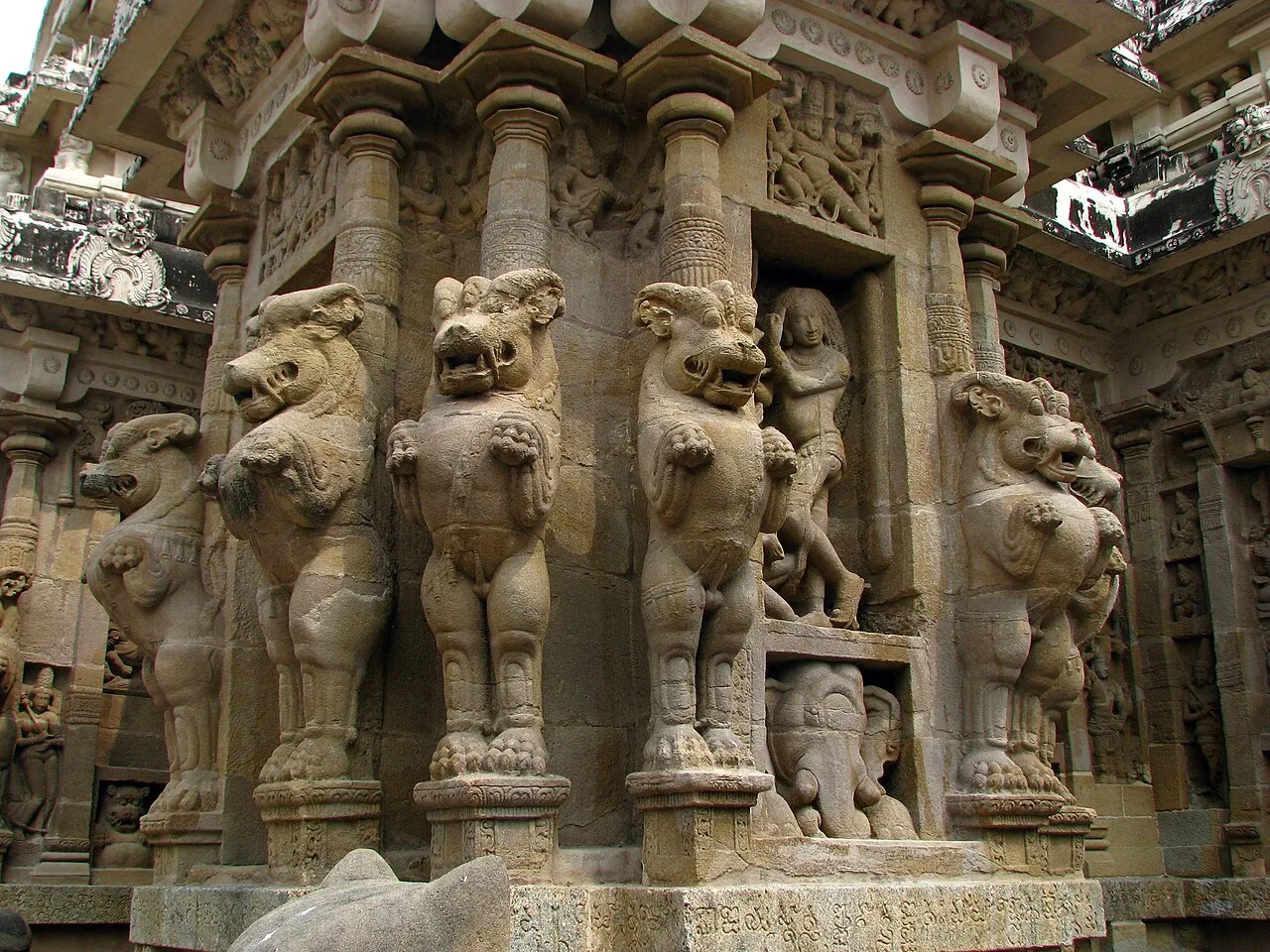
  • Kailasanathar Temple
  • Varadharaja Perumal Temple
  • Kamakshi Amman Temple
  • Kanchi matha
In the city
4
District
Kancheepuram

Why Kanchipuram matters

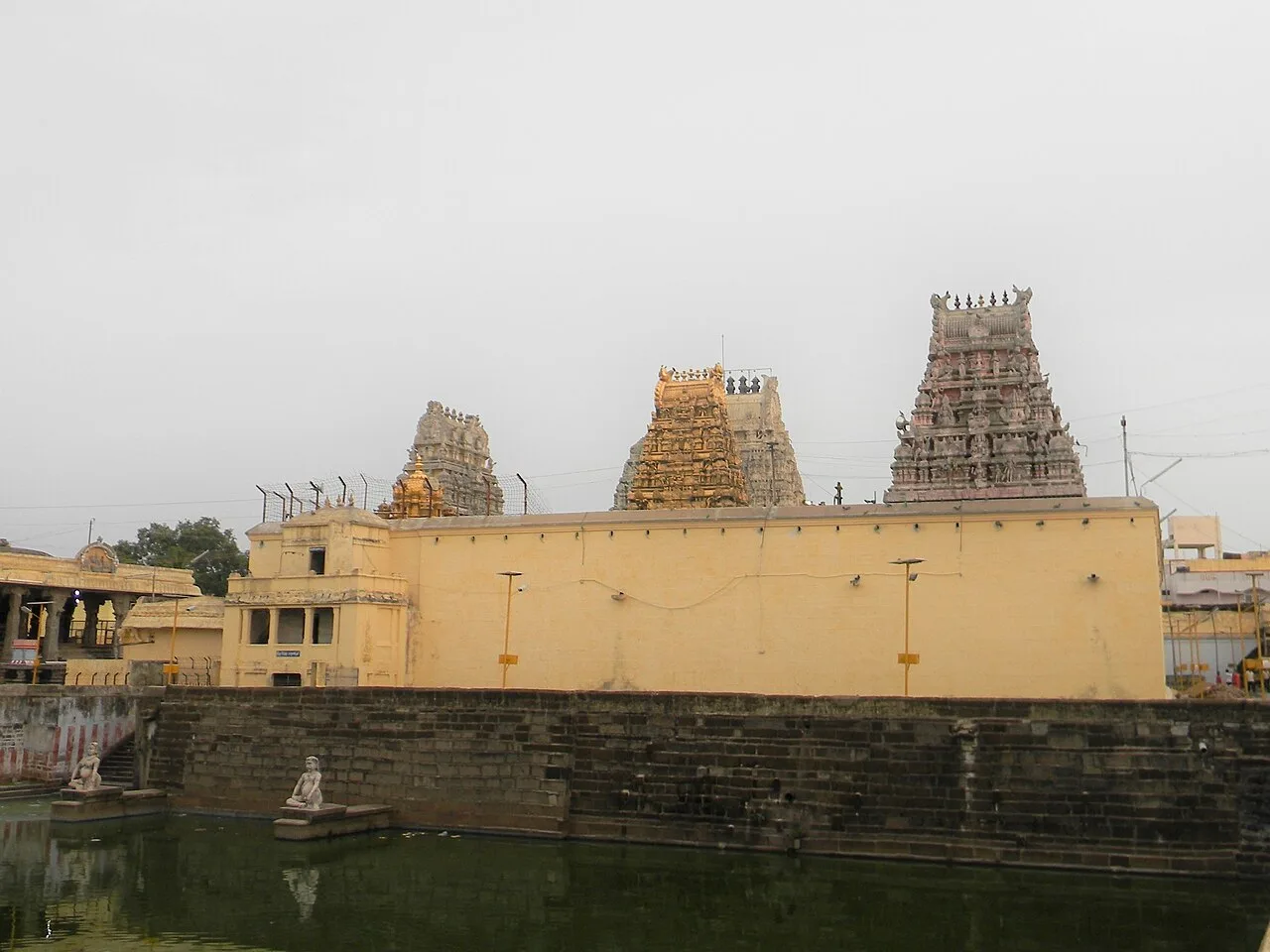
Kanchipuram is one of Tamil Nadu’s foremost temple cities and a major centre of pilgrimage, heritage and traditional silk weaving. Often called the City of a Thousand Temples, it draws visitors to sacred sites associated with Shaivism, Vaishnavism and Shaktism, as well as to its remarkable Pallava-era architecture. The Kailasanathar Temple, with its sculpted stonework, and the Varadharaja Perumal and Ekambareswarar temples are among its best-known landmarks. The city is also an important pilgrimage destination in Sri Vaishnava tradition and home to the Kanchi matha.

Beyond its religious significance, Kanchipuram is known across India for its handwoven silk sarees, whose rich colours, distinctive borders and gold-toned motifs are closely associated with the city. Weaving remains part of everyday local life, and visitors can see sarees in workshops and shops. Kanchipuram serves as the administrative centre of its district and is connected by road and rail to Chennai and other parts of Tamil Nadu. Its combination of living worship, historic monuments and textile craft gives the city a significance that extends well beyond its temple precincts.
Famous for: crafts, trade & products

Kanchipuram silk sarees are the city’s signature craft. Traditionally woven on handlooms, they are prized for lustrous silk, contrasting borders and motifs inspired by temple architecture, flowers and traditional designs. The craft is carried on by weaving families and workshops in the city and nearby villages. Saree shops and showrooms around the central market and main temple approaches offer a range of handloom products; buyers can ask about the weave, silk and zari content, and look for recognised authenticity labels when available.

The Kanchipuram Silk Saree has a Geographical Indication (GI) tag, linking the product to its place of origin and established weaving tradition. Silk yarn, dyeing and the work of skilled weavers support a wider textile economy, alongside retail and trade. The city is best known for sarees rather than a broad range of mass-produced handicrafts, though visitors may also find devotional items and small craft goods near temple areas. For a closer look at the tradition, seek out local weaving units or cooperatives where access is offered, and browse established handloom retailers. Temple visits and shopping can be combined, but it is worth setting aside time to compare workmanship rather than treating every silk saree sold in town as locally handwoven.

History

Kanchipuram has a long history as a religious and learning centre, with references in early Tamil and Sanskrit literature. It became especially influential under the Pallavas, who made it their capital between the fourth and ninth centuries. They built major temples and developed the city as a centre of Hindu and Buddhist learning. The Kailasanathar Temple and Vaikunta Perumal Temple preserve important examples of its early temple architecture.

After Pallava rule, the city passed to the Cholas, Pandyas and Vijayanagara rulers, among others. These dynasties supported temples, expanded their precincts and left inscriptions recording gifts and religious activity. Kanchipuram later came under the Carnatic kingdom and British rule; the British commonly used the name Conjeevaram. Its role as a pilgrimage centre and centre of silk weaving continued through these changes.

In modern Tamil Nadu, Kanchipuram is a district headquarters and a recognised heritage destination. Its municipal administration has developed alongside tourism, transport and the continuing work of local weavers, while the historic temples remain active places of worship.

Food, festivals & culture

Tamil is the principal language of daily life; English is also used in tourism and commerce. Kanchipuram’s religious traditions are especially visible in its temples, which serve Shaivite, Vaishnavite and Shakta communities. The city’s food reflects Tamil home cooking and temple traditions: visitors will find idli, dosa, pongal, rice meals and filter coffee. Kanchipuram idli, a spiced steamed rice-and-lentil preparation associated with temple offerings, is a local speciality; sweets and savouries are also sold in town.

Temple festivals bring processions, music and crowds into the streets. Annual celebrations at major shrines commonly fall in the Tamil calendar’s spring and early-summer seasons, though dates vary from year to year. The Varadharaja Perumal Temple’s Brahmotsavam and festivals at the Kamakshi Amman and Ekambareswarar temples are among the important occasions. Check locally for current schedules and visitor arrangements.

Carnatic music and devotional singing accompany worship and festival events. Bharatanatyam, the classical dance form of Tamil Nadu, is part of the wider cultural setting, though performances are not necessarily scheduled year-round. Visitors should dress respectfully at places of worship and follow each temple’s rules on photography and access.

Visiting the city

The cooler, drier months from November to February are generally the most comfortable for exploring Kanchipuram; the hotter months can make long temple visits tiring. Chennai International Airport is the nearest major airport. Kanchipuram railway station serves the city, while road connections link it with Chennai and other towns in the region.

Within the city, auto-rickshaws, taxis and local buses can help cover the distance between temples and shopping areas. The historic temple precincts are rewarding to explore on foot, with time allowed for queues and customary worship practices. Begin with the old temple quarter, including the Kailasanathar and Ekambareswarar temples, then visit Varadharaja Perumal and Kamakshi Amman. Central market streets and the surrounding weaving and retail areas are good places to browse silk sarees. Temple access may be restricted during services or festivals, so check locally before planning a visit.

Attractions

Places to visit in Kanchipuram

Sights within about 12 km of each other, even when they fall in different districts.

Map

Kanchipuram on the map

  1. 1Ekambareswarar Temple, Kanchipuram
  2. 2Kailasanathar Temple, Kanchipuram
  3. 3Kamakshi Amman Temple, Kanchipuram
  4. 4Varadharaja Perumal Temple

Tamil Nadu

Other cities to explore