
Ghumoopedia — Explore, Discover, Experience
Sign in
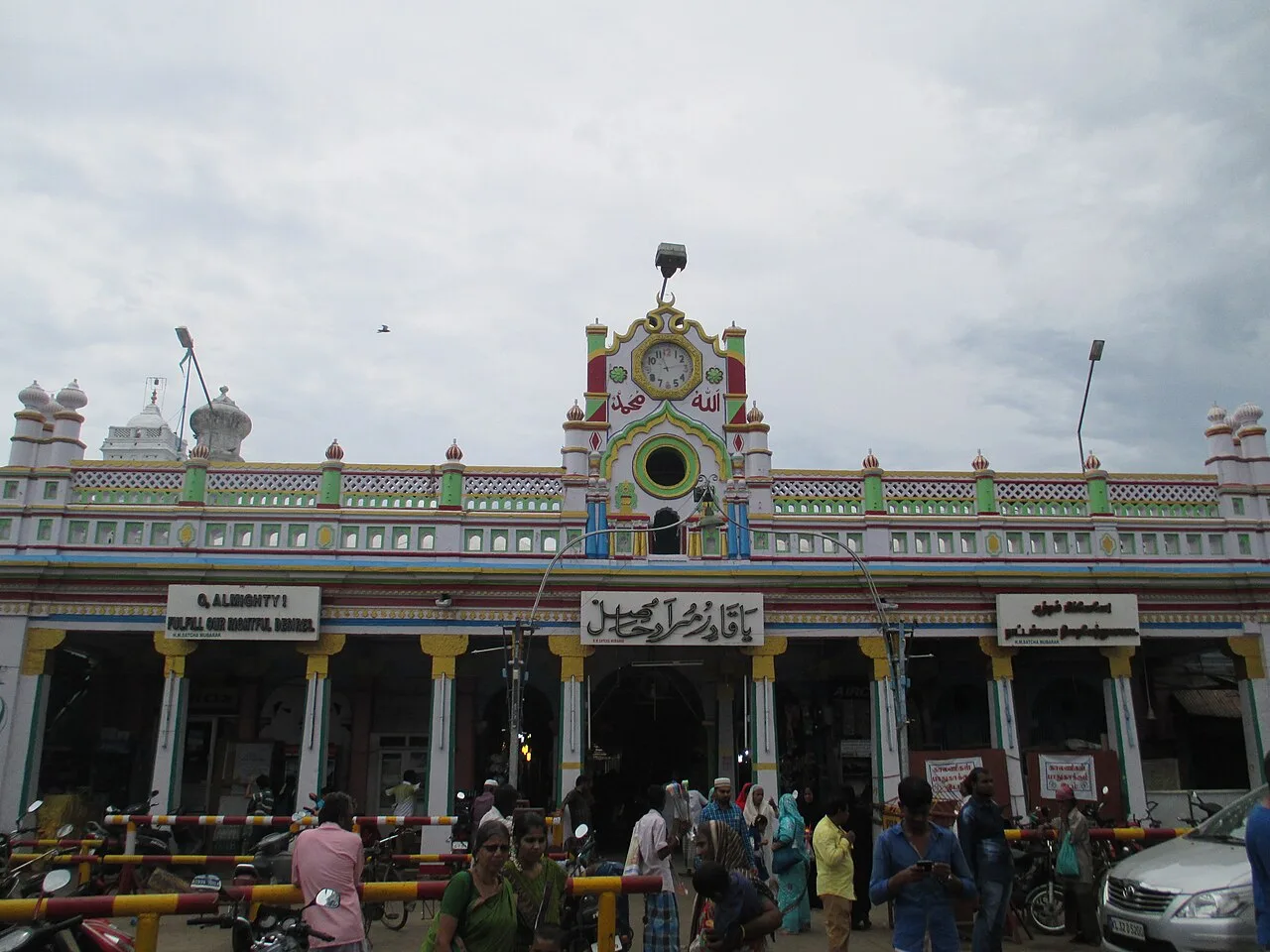
Nagore Dargah, near Nagapattinam

City guide · Tamil Nadu

Nagapattinam

Nagapattinam is a coastal town on Tamil Nadu’s Cauvery delta and the administrative headquarters of its district. Its long history as a port links the town to Chola-era commerce and seafaring, while its present-day life is shaped by fishing, agriculture, local trade and pilgrimage.

Famous for

  • Chola-era maritime heritage
  • Kayarohanaswami Temple
  • Soundararaja Perumal Temple
  • Coastal fishing and trade
  • Gateway to Velankanni
In the city
2
District
Nagapattinam

Why Nagapattinam matters

Nagapattinam is a coastal town on Tamil Nadu’s Cauvery delta and the administrative headquarters of its district. Its long history as a port links the town to Chola-era commerce and seafaring, while its present-day life is shaped by fishing, agriculture, local trade and pilgrimage. The Bay of Bengal shoreline and working fishing communities give it a distinctly maritime character.

Visitors come for the town’s historic temples and as a starting point for journeys to nearby religious and coastal destinations. Kayarohanaswami Temple and Soundararaja Perumal Temple are important places of worship within Nagapattinam; Velankanni, Nagore, Vedaranyam and the historic coastal settlements of Poompuhar and Tharangambadi are also accessible from the town. Nagapattinam is not primarily a resort destination: its appeal lies in its layered history, active port-town atmosphere and connections across the delta. The town was badly affected by the 2004 Indian Ocean tsunami, a defining event in its recent history and in the experience of its coastal communities.
Famous for: crafts, trade & products

Nagapattinam is better known for maritime trade, fishing and pilgrimage than for a signature textile, handicraft or manufactured product. Fishing supports local livelihoods, and fish and other seafood are traded through the town’s markets and coastal landing areas. Paddy and other crops from the surrounding delta also enter local commerce. Visitors interested in everyday trade can explore the town’s shops and produce markets, while coastal fishing areas offer a glimpse of the working economy, though they are not necessarily set up as visitor attractions.

The city does not have a widely recognized GI-tagged craft or textile that defines its identity, so it is not a destination for a particular saree or artisan product. For locally made goods and provisions, look in central shopping streets and neighbourhood markets rather than expecting a dedicated craft district. Nagapattinam’s stronger visitor links are cultural and religious: its temples, historic port heritage and proximity to Velankanni and Nagore draw people to the wider area. Any seafood purchase should be made through established local sellers, with care for freshness and safe handling.

History

Nagapattinam’s origins reach back to early settlement in the delta, and burial urns in the surrounding area point to habitation in the Sangam period. It rose to prominence under the medieval Cholas as a port for commerce and eastward maritime activity. The town was also an important Buddhist centre: the Chudamani Vihara was established with support from the Srivijayan ruler and Chola patronage. The Tamil saint poets Appar and Sambandar referred to the town as Nagai.

Portuguese traders established a presence in the 16th century. The Dutch later took control and made Nagapattinam the capital of Dutch Coromandel; the British East India Company captured it in 1781. Under British rule, it served as the headquarters of Tanjore district from 1799 to 1845. After Independence it remained part of Thanjavur district until Nagapattinam district was created in 1991, with the town as its headquarters. The 2004 tsunami caused severe loss and damage along this coast.

Food, festivals & culture

Tamil is the principal language of daily life. The town’s food reflects its coastal setting and delta surroundings: rice is a staple, often served with fish curry and other seafood, while local shops and homes also prepare familiar Tamil sweets such as adhirasam and payasam. Food traditions vary between households, communities and seasons, so there is no single dish that represents every resident.

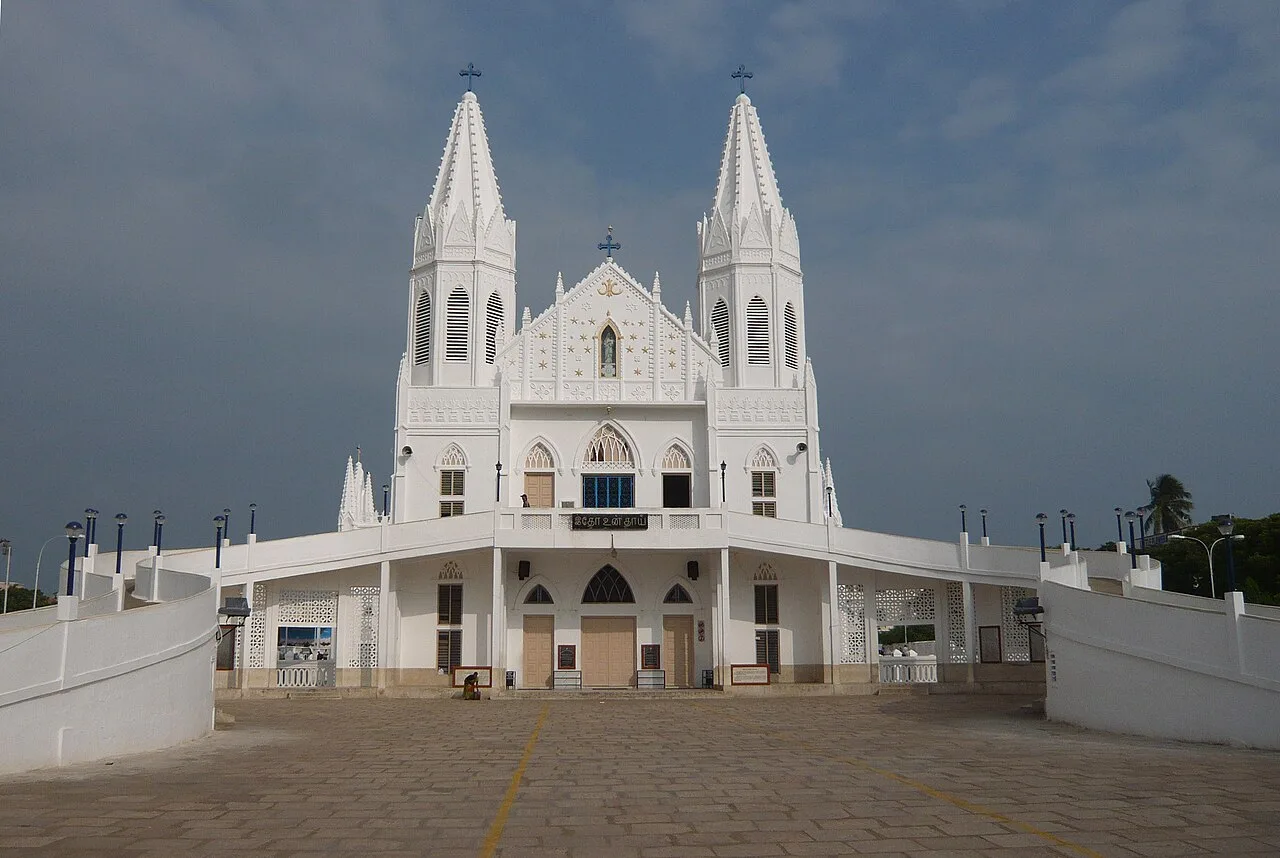
Hindu temple observances, Christian pilgrimage and Muslim religious life are all part of the wider area’s culture. Pongal, celebrated in January, is an important harvest festival; temple festivals and Navaratri bring seasonal processions and worship. The annual Marian feast at nearby Velankanni draws pilgrims in late August and early September, while Nagore’s dargah is a major destination for Muslim devotees. Devotional singing and the classical music and dance traditions of Tamil Nadu form part of the region’s cultural life. In Nagapattinam itself, Kayarohanaswami Temple and Soundararaja Perumal Temple are prominent places of worship.

Visiting the city

The cooler months after the northeast monsoon, broadly January to March, are generally a comfortable time to visit. Coastal weather remains humid, and rain or rough conditions can occur during the monsoon season. The nearest major airport is Tiruchirappalli International Airport. Nagapattinam Junction is the town’s main railway station, and buses and roads connect it with towns across the delta.

Auto-rickshaws and local buses are useful for getting around town; taxis can help with longer trips. Explore the central town and its temples, then visit the waterfront and fishing areas respectfully, keeping clear of active work sites. Nagore, just north of town, and Velankanni to the south make natural excursions, while Vedaranyam and Poompuhar offer further coastal journeys. Check local conditions before travelling to exposed shorelines, especially during monsoon weather.

Attractions

Places to visit in Nagapattinam

Sights within about 12 km of each other, even when they fall in different districts.

Map

Nagapattinam on the map

  1. 1Nagore Dargah
  2. 2Velankanni Basilica

Tamil Nadu

Other cities to explore