Ghumoopedia — Explore, Discover, Experience
Sign in
Jambukeswarar Temple, Thiruvanaikaval, near Tiruchirappalli

City guide · Tamil Nadu

Tiruchirappalli

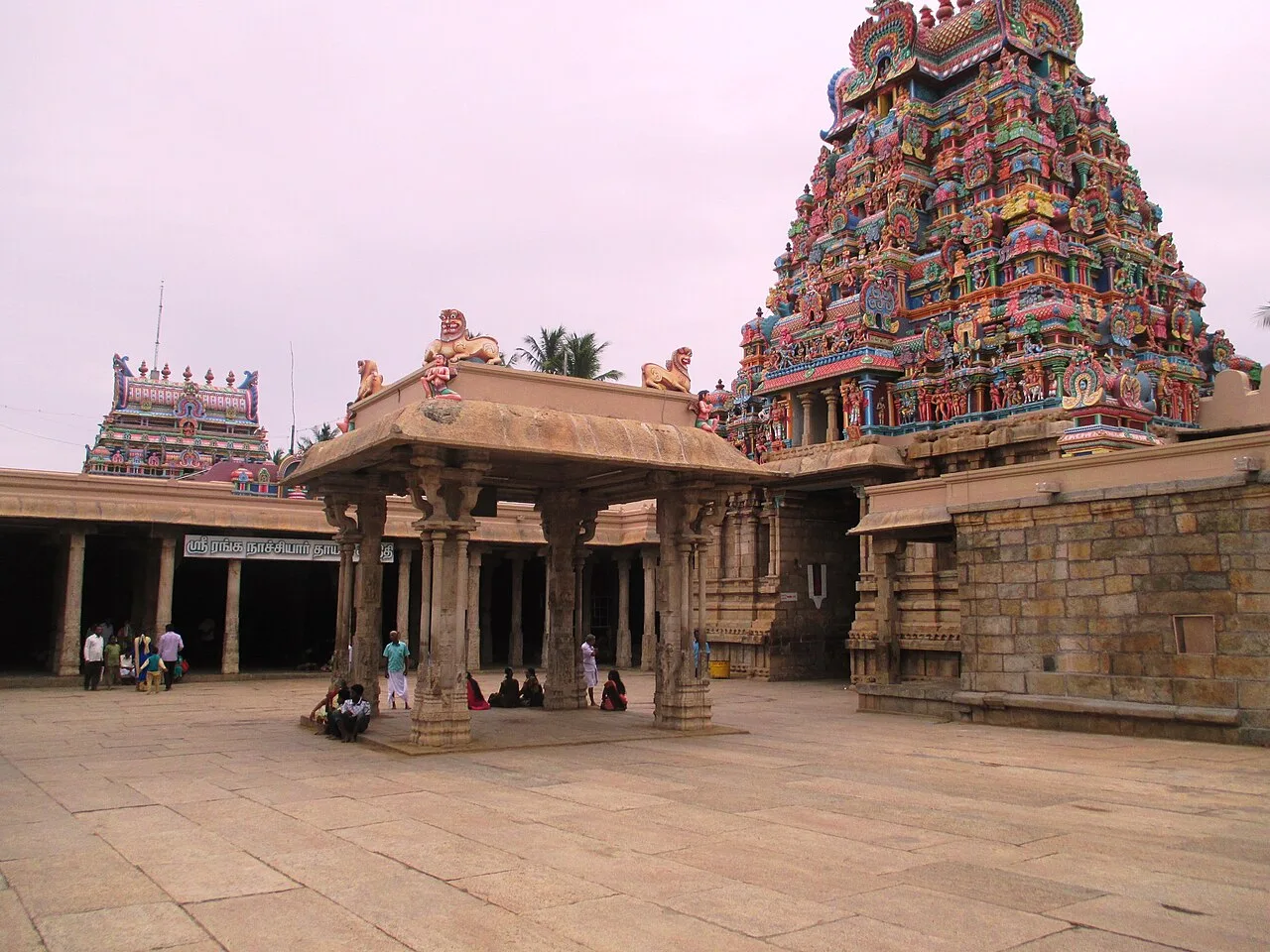
Tiruchirappalli—usually called Trichy or Tiruchi—is a major urban centre in central Tamil Nadu and the administrative headquarters of its district. Its location on the Kaveri river system has shaped both its settlement and its religious landscape: the river divides around Srirangam, an island neighbourhood famed for the Ranganathaswamy Temple.

Famous for

  • Rockfort and Ucchi Pillayar Temple
  • Srirangam Ranganathaswamy Temple
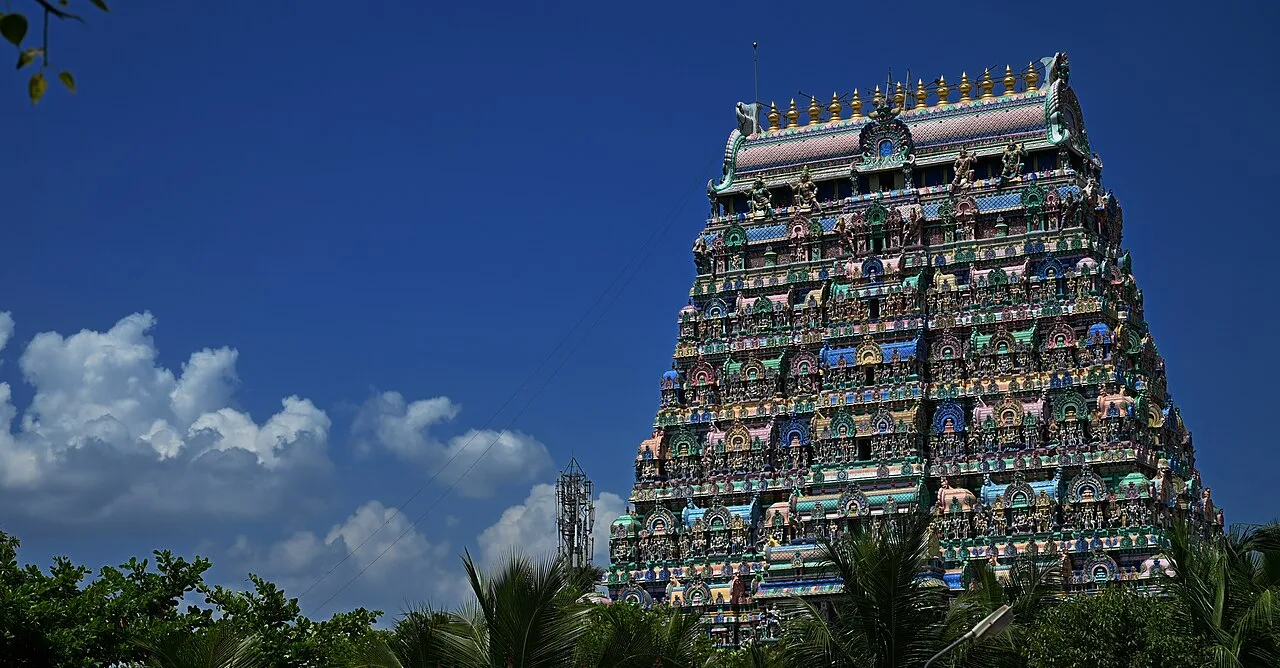
  • Jambukeswarar Temple
  • Woraiyur cotton sarees
  • Manapparai murukku
  • BHEL engineering
In the city
3
Nearby
1
District
Tiruchirappalli

Why Tiruchirappalli matters

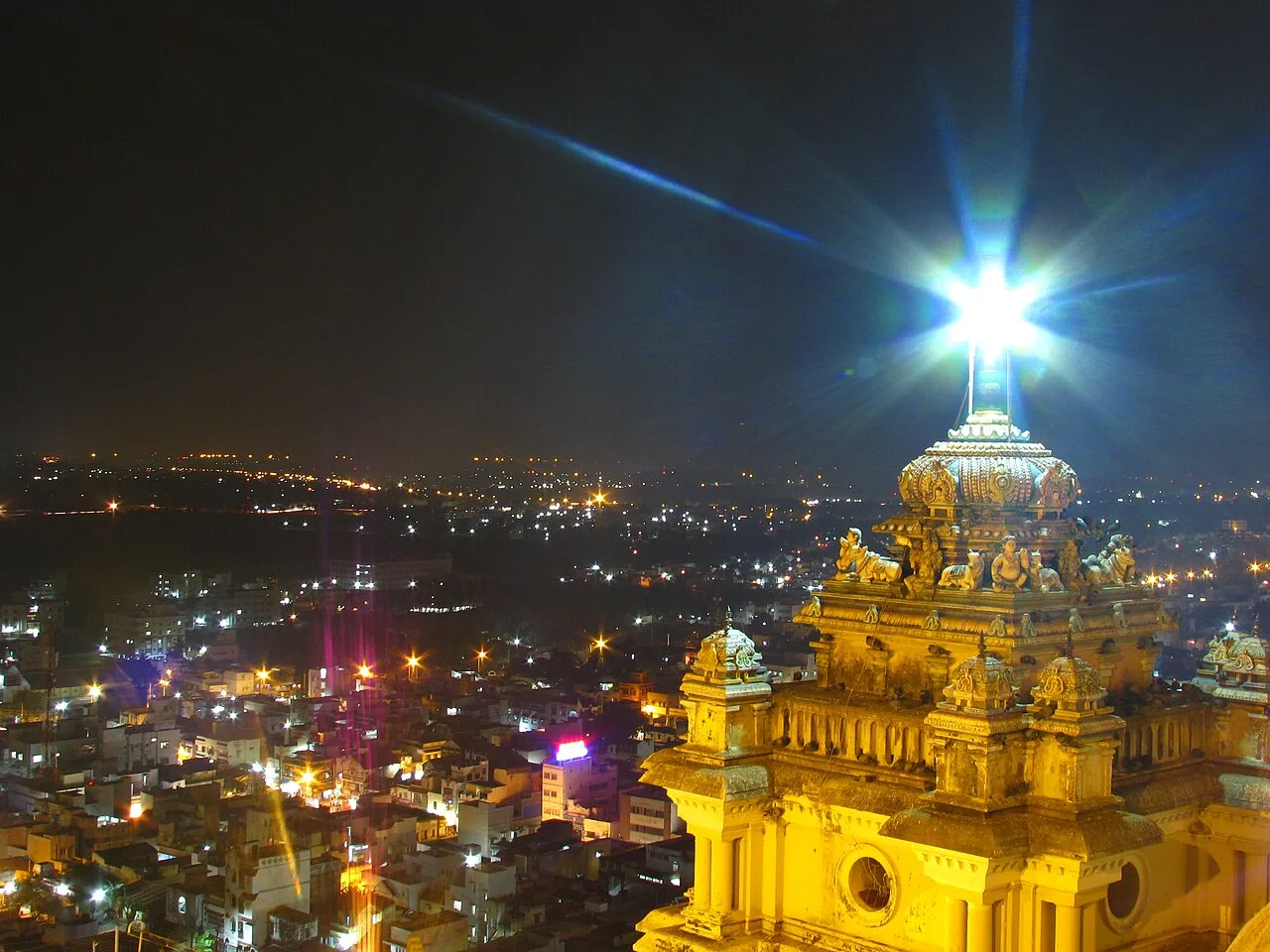
Tiruchirappalli—usually called Trichy or Tiruchi—is a major urban centre in central Tamil Nadu and the administrative headquarters of its district. Its location on the Kaveri river system has shaped both its settlement and its religious landscape: the river divides around Srirangam, an island neighbourhood famed for the Ranganathaswamy Temple. Visitors also come for the Rockfort, whose steps lead to ancient rock-cut shrines and a hilltop temple, and for Jambukeswarar Temple at Thiruvanaikaval.

The city’s significance extends beyond its monuments. It is a regional hub for education, transport and manufacturing, with institutions including the National Institute of Technology Tiruchirappalli and major engineering and railway facilities. Its industrial base includes BHEL, while its central location makes it a useful starting point for exploring the Kaveri delta and nearby historic sites. Trichy’s character brings together temple towns, busy markets, college districts and established industrial areas. The old name Trichinopoly also recalls its colonial-era prominence and the cigar trade once associated with the city.
Famous for: crafts, trade & products

Tiruchirappalli is associated with the cotton textiles of Woraiyur, a historic neighbourhood where cotton sarees and other everyday fabrics have long been made and sold. For shopping, textile stores in the city centre and handloom outlets are practical places to browse. Gandhi Market is a prominent produce market, while Chinna Kadai Street and Big Bazaar Street have a mix of traditional shops and everyday goods. The city was once known internationally for Trichinopoly cigars, exported to Britain in the nineteenth century; this is now chiefly a part of its commercial history.

Engineering is a defining part of the local economy. BHEL’s manufacturing presence, the Golden Rock Railway Workshop and defence-related production facilities reflect the region’s role in heavy industry. Tiruchirappalli is also an education hub, with major technical, management and law institutions. In the wider district, Manapparai is famous for its crisp murukku, a savoury snack with a protected Geographical Indication. Visitors can look for it in local sweet and snack shops, while markets and specialist food stores offer other regional snacks and pantry goods. The city is not especially known for a single broad handicraft tradition, so shoppers seeking crafts can check state handicraft emporia.

History

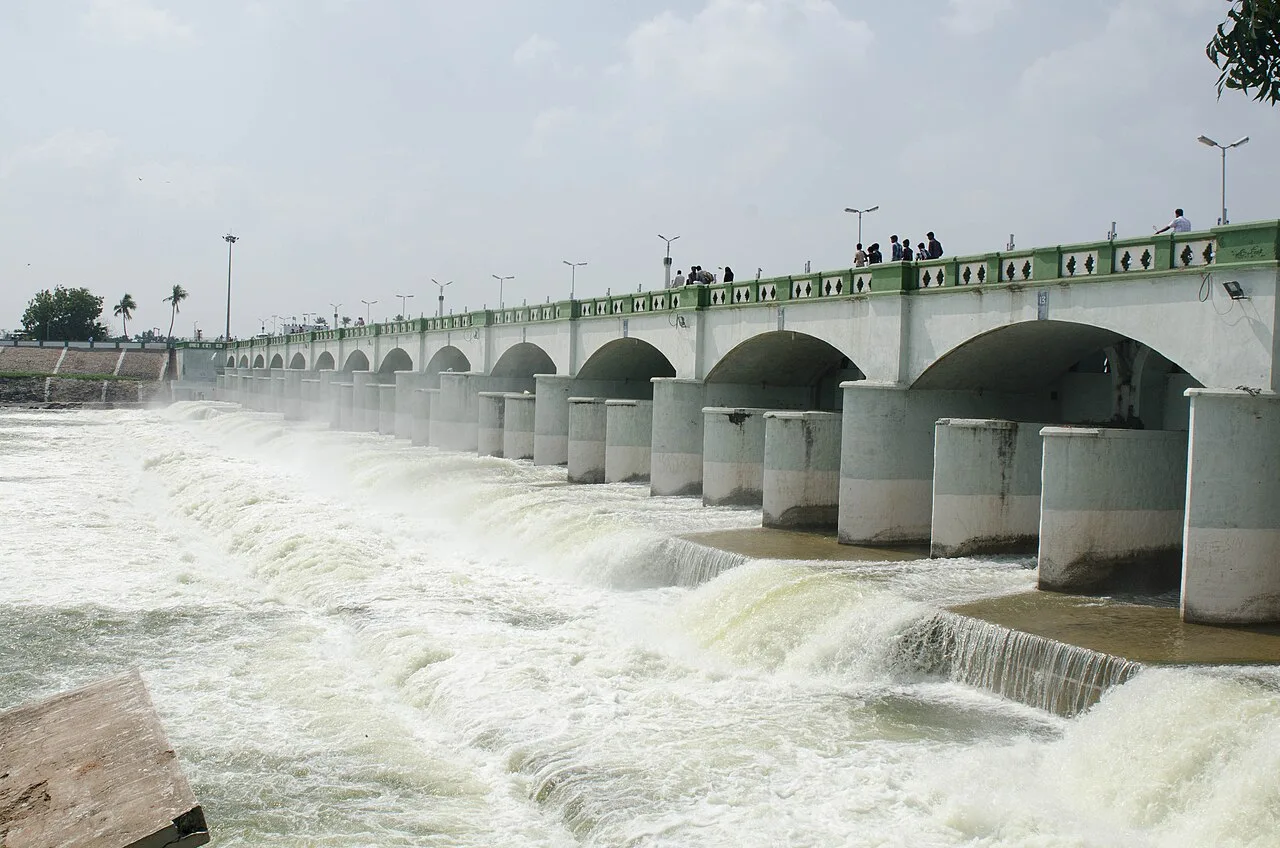
The city’s history reaches back to the early historic period. Uraiyur, now part of Tiruchirappalli, served as an early Chola capital, and the Kaveri region became known for irrigation works such as the ancient Kallanai nearby. Pallava ruler Mahendravarman I is associated with the Rockfort’s early rock-cut shrines. Cholas and Pandyas later held the region, followed by Vijayanagar rule and the Nayaks of Madurai. Under the Nayaks, Tiruchirappalli became an important capital and the Rockfort and temple precincts took on much of their present prominence.

In the eighteenth century, control of the city shifted amid conflicts involving the Carnatic rulers, Marathas, Mysore, and the British and French East India companies. The Carnatic Wars made Trichinopoly a strategic centre. British rule brought it into the Madras Presidency and strengthened its role as a garrison and transport town. In the modern period, railway facilities, educational institutions and engineering industries—including BHEL—helped establish Tiruchirappalli as a regional centre for industry and learning.

Food, festivals & culture

Tamil is the main language of daily life; English is also widely used in education, business and travel. The city’s food is rooted in Tamil cooking, with idli, dosa, sambar, rice meals and filter coffee widely available. Murukku and other savoury snacks are popular, and Manapparai murukku is a well-known specialty of the surrounding district. Traditional sweets and festival foods are easy to find in local bakeries and sweet shops.

Pongal, the harvest festival in January, is widely celebrated. Vaikunta Ekadasi at Srirangam usually falls in December or January and draws large numbers of devotees; temple festivals also follow the Tamil calendar through the year. Deepavali and Navaratri are observed across the city. Religious life centres on the Ranganathaswamy Temple, Jambukeswarar Temple, the Rockfort shrines and places of worship belonging to other faiths. Carnatic music and Bharatanatyam are part of the region’s cultural life, especially around temple and festival seasons, alongside contemporary performances and college events.

Visiting the city

November to February is generally the most comfortable period to visit, with cooler conditions than the hot months before the monsoon. The nearest airport is Tiruchirappalli International Airport, and the main rail hub is Tiruchirappalli Junction. City buses, autorickshaws and taxis connect the principal neighbourhoods and sights; Srirangam and Thiruvanaikaval are accessible from the central city.

Allow time for the Rockfort and Teppakulam area, Srirangam’s temple precinct, and Jambukeswarar Temple in Thiruvanaikaval. Uraiyur offers a look at one of the city’s older neighbourhoods, while Cantonment has hotels, restaurants and shops. Gandhi Market and the central shopping streets are useful stops for everyday local life. Kallanai, an ancient dam on the Kaveri, makes a worthwhile outing beyond the city.

Attractions

Places to visit in Tiruchirappalli

Sights within about 12 km of each other, even when they fall in different districts.

Short trips

Around Tiruchirappalli

Within about 40 km — easy half-day or day trips from the city.

Map

Tiruchirappalli on the map

  1. 1Jambukeswarar Temple, Thiruvanaikaval
  2. 2Rockfort Ucchi Pillayar Temple
  3. 3Srirangam Ranganathaswamy Temple
  4. 4Kallanai (Grand Anicut)

Tamil Nadu

Other cities to explore