
Ghumoopedia — Explore, Discover, Experience
Sign in
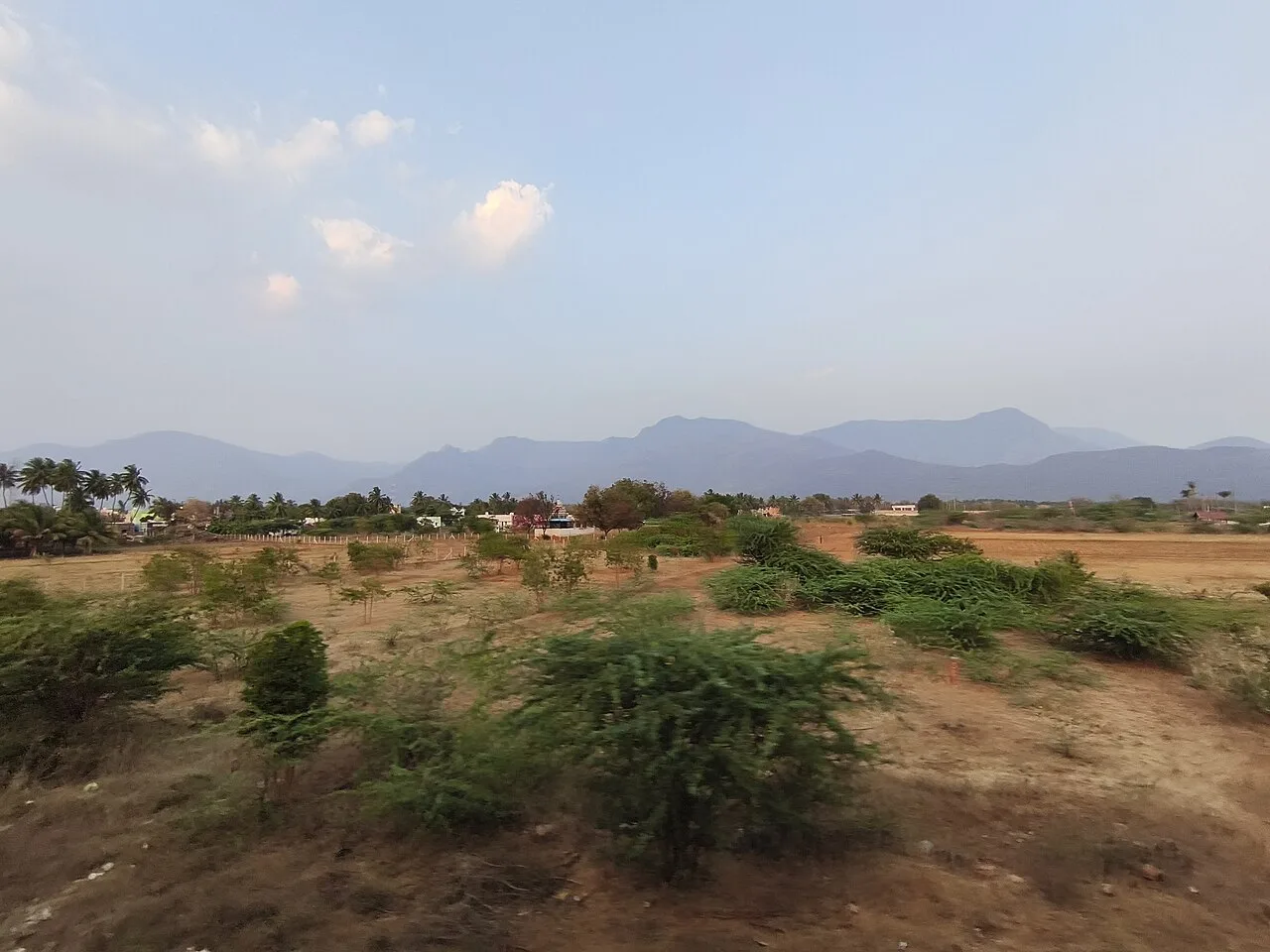
Sirumalai Hills, near Chinnalapatti

City guide · Tamil Nadu

Chinnalapatti

Chinnalapatti is a textile-making town in Dindigul district, set close to the Sirumalai hills and along the road corridor linking Dindigul with Madurai. Its strongest identity comes from handloom weaving: sarees and garments made here have given the town a name beyond its immediate neighbourhood.

Famous for

  • Chinnalapatti handloom sarees
  • Handloom garments
  • Cotton weaving
  • Sirumalai foothills
  • Nearby grape farms
In the city
0
Nearby
1
District
Dindigul
Plan a trip

Why Chinnalapatti matters

Chinnalapatti is a textile-making town in Dindigul district, set close to the Sirumalai hills and along the road corridor linking Dindigul with Madurai. Its strongest identity comes from handloom weaving: sarees and garments made here have given the town a name beyond its immediate neighbourhood. The surrounding landscape adds another dimension, with the hills and grape-growing farms offering a change of scene from the town’s busy streets and workshops.

For visitors, Chinnalapatti is less a large sightseeing centre than a place to see a working textile community and explore the countryside nearby. Local shops and weaving businesses provide opportunities to browse garments and learn about the area’s craft economy. Its position near Dindigul also makes it practical to include in a wider trip through the district, while Sirumalai offers a nearby route towards hill scenery. The town’s blend of everyday commerce, weaving tradition and rural surroundings is what makes it distinctive today.

Famous for: crafts, trade & products

Chinnalapatti is best known for handloom sarees and garments. Weaving is part of the town’s local economy, and visitors may find finished pieces at textile shops and garment sellers around the commercial streets. For a closer look, ask locally about working weaving units; access to workshops can vary, so it is best to seek permission rather than assume they are open to visitors. The town is associated with handloom production, but buyers should check the fabric, weave and origin with the seller, as product names and techniques can differ.

The town’s identity is rooted in this textile trade rather than in a major craft market or a widely established GI-tagged product. Shops are the most straightforward places to browse and buy; there is no single visitor market that needs to be treated as the definitive source. Beyond textiles, the nearby Sirumalai area is known for grape farms, which are part of the surrounding rural landscape. Chinnalapatti’s everyday businesses and workshops give a more direct sense of its role as a small manufacturing and trading centre than a formal attraction would.

History

Chinnalapatti’s story is closely tied to the development of weaving and trade in the Dindigul region. It is not chiefly known as a former royal capital or as the site of a major fort; instead, its character took shape as a settlement where household and workshop-based textile skills supported local livelihoods. Its location on the route between Dindigul and Madurai helped connect producers and traders with larger markets.

The wider region saw changing South Indian powers and later colonial administration, but the town’s distinctive history is most visible in its craft economy rather than in a sequence of grand monuments. As roads, transport and access to regional markets developed, weaving and garment production continued to shape local employment and commerce. In modern times, Chinnalapatti has remained a town panchayat, with its civic growth and ward organisation reflecting a growing settlement. Handloom work remains a key part of how the town is recognised today, alongside its links to the nearby Sirumalai foothills and agricultural surroundings.

Food, festivals & culture

Tamil is the main language of daily life, and English may be understood in some shops and service settings. Food reflects familiar Tamil home cooking, with rice, lentils, vegetables, dosai and idli among the everyday staples; meals and snacks are available at local eateries. Rather than being known for a distinctive regional sweet, Chinnalapatti is more closely associated with its textile work and its place in Dindigul district. Seasonal fruit from the surrounding countryside may also appear in local markets, though availability varies.

Pongal, celebrated in January, is an important harvest festival across Tamil Nadu and is observed with family gatherings and festive food. Tamil New Year in April, Deepavali, and local temple festivals also bring community celebrations at different times of year. Hindu places of worship serve as focal points for neighbourhood observances, though visitors should ask locally about specific festival schedules. Music and dance are part of wider Tamil cultural life, with devotional singing and customary performances especially associated with festival occasions rather than a single signature style unique to the town.

Visiting the city

The cooler, drier months from roughly November to February are generally the most comfortable for exploring. Chinnalapatti is reached by road from Dindigul and Madurai. The nearest major railway station is Dindigul Junction, while Madurai Airport is the nearest airport commonly used for the area. From Dindigul, local buses, taxis and other road transport can connect visitors with the town.

Within Chinnalapatti, walking is useful for browsing the central commercial streets and textile shops; autos and local transport help with longer trips. Ask locally before visiting a weaving unit, as access may need arranging. The town centre is a practical place to explore for shops and everyday activity, while the outskirts lead towards the Sirumalai side and nearby grape-growing countryside. For broader services and transport connections, Dindigul is close by.

Short trips

Around Chinnalapatti

Within about 40 km — easy half-day or day trips from the city.

Map

Chinnalapatti on the map

  1. 1Sirumalai Hills

Tamil Nadu

Other cities to explore