Ghumoopedia — Explore, Discover, Experience
Sign in
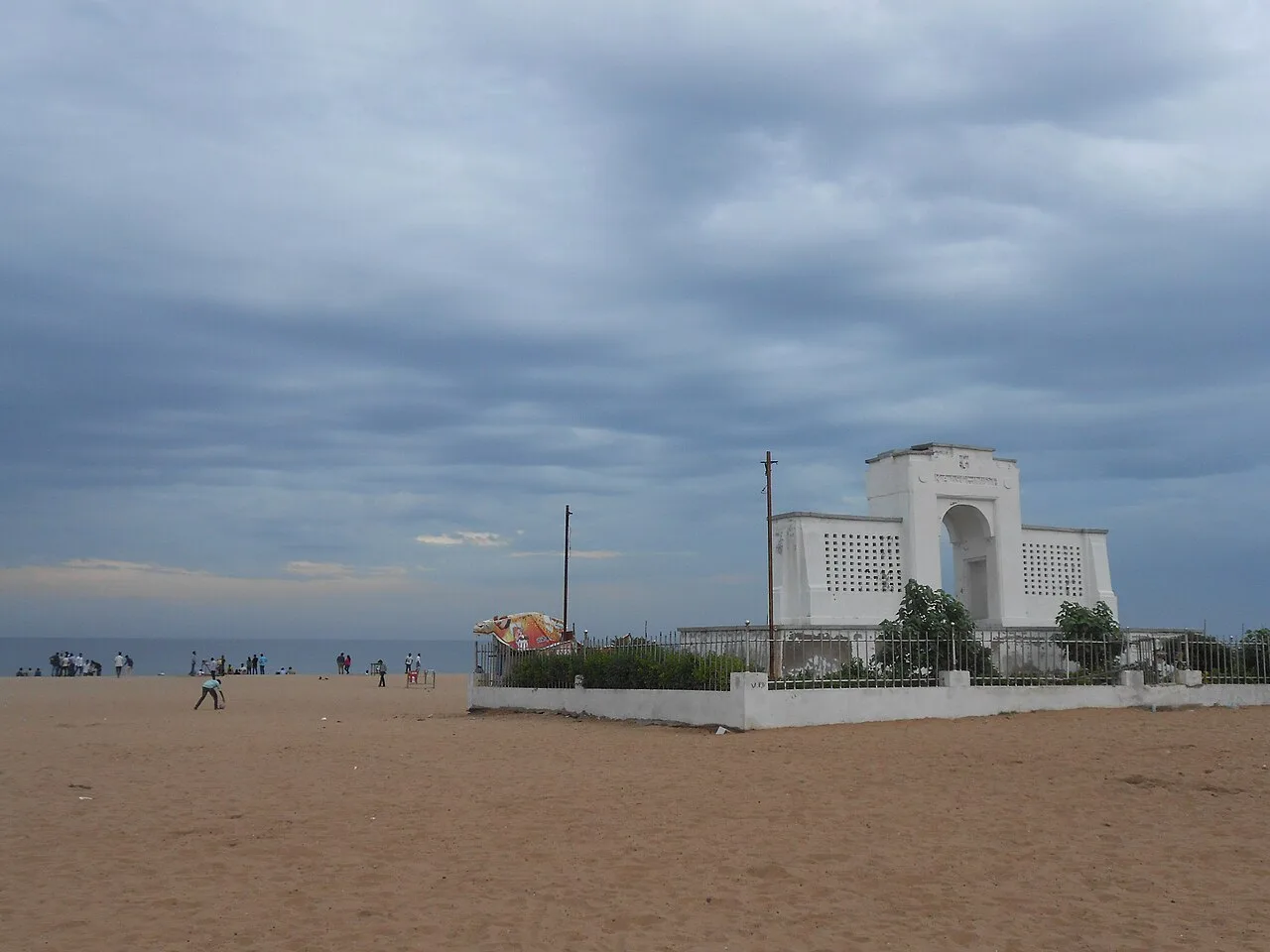
Edward Elliot's Beach, near Chennai

City guide · Tamil Nadu

Chennai

Chennai is the capital of Tamil Nadu and a major coastal city on the Coromandel Coast, facing the Bay of Bengal. It is an important centre of government, trade, education and transport in southern India, with the Tamil Nadu Legislative Assembly and Madras High Court among its institutions.

Famous for

  • Marina Beach
  • Carnatic music
  • Tamil cinema
  • Kanchipuram silk sarees
  • South Indian filter coffee
In the city
13
District
Chennai

Why Chennai matters

Chennai is the capital of Tamil Nadu and a major coastal city on the Coromandel Coast, facing the Bay of Bengal. It is an important centre of government, trade, education and transport in southern India, with the Tamil Nadu Legislative Assembly and Madras High Court among its institutions. Its port connections and industrial base have helped make the city a hub for automobile manufacturing, technology and other businesses; hospitals also draw patients from across India and abroad.

Visitors come for a mix of urban life, heritage and the arts. Marina Beach and the city’s other waterfronts offer a glimpse of its coastal setting, while Fort St. George, Mylapore’s temples and churches, and historic neighbourhoods reflect its layered past. Chennai is celebrated for Carnatic music and Bharatanatyam, especially during its December music season, as well as for Tamil-language film and theatre. Food is another draw, from idli and dosai to filter coffee. The city is also a useful starting point for exploring Tamil Nadu’s temples, heritage sites and beaches.
Famous for: crafts, trade & products

Chennai is a major centre for commerce and industry, particularly automobile manufacturing, information technology, healthcare and leather. Its textile trade is especially visible in T. Nagar, where shops sell silk sarees, jewellery and clothing. Kanchipuram silk sarees, a GI-tagged textile made in the nearby town of Kanchipuram, are widely available in Chennai’s retail districts. The city is also associated with Madras checks, a cotton fabric pattern that became known through historic textile trade.

For a more traditional market experience, George Town and Parry’s Corner have busy streets of wholesale shops selling textiles, household goods, stationery and provisions. Mylapore’s streets and market lanes offer flowers, पूजा items and everyday goods near Kapaleeshwarar Temple. Chennai’s creative industries include Tamil film production, music and design, while institutions such as the Central Leather Research Institute reflect its technical and industrial expertise. Visitors can browse established retail stores in T. Nagar or explore smaller shops and market streets in George Town; for handloom purchases, look for reputable sellers that clearly identify the weave and place of production.

History

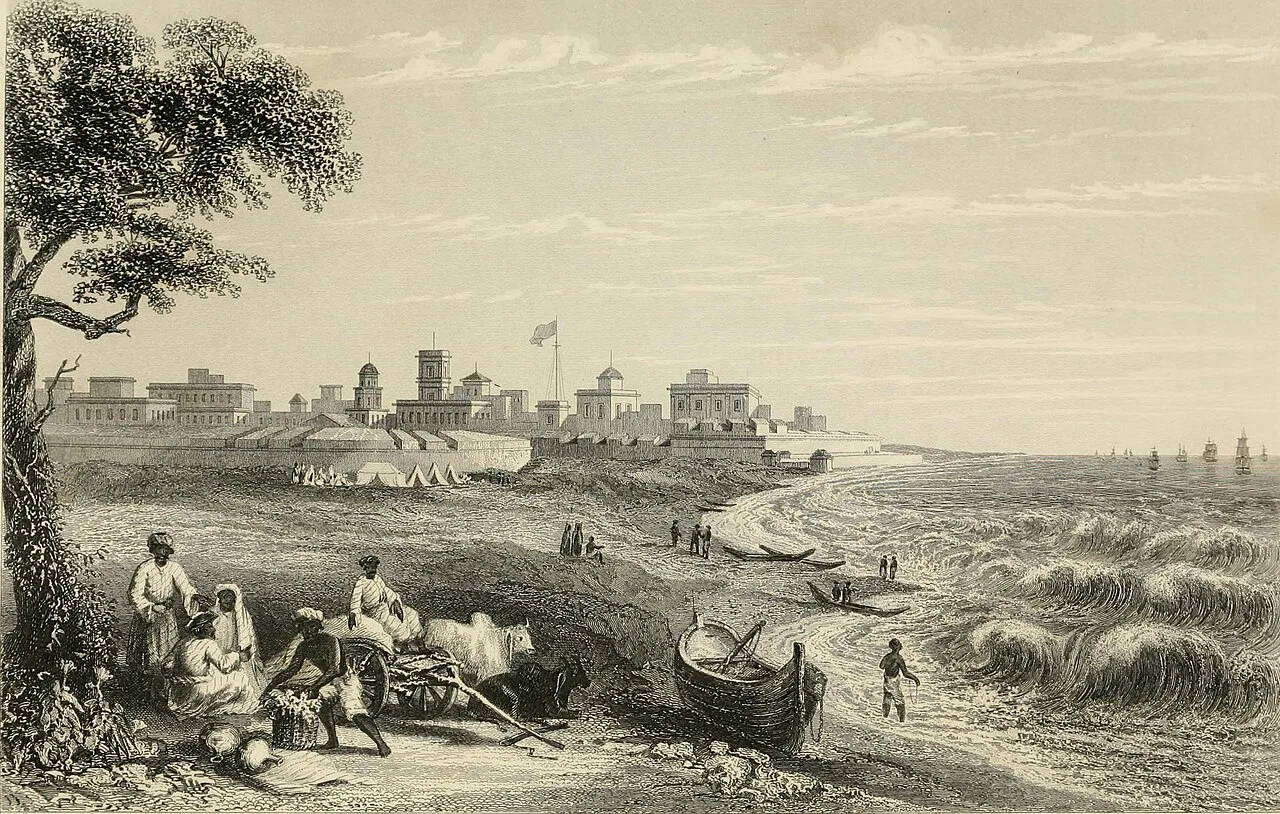
The Chennai region has evidence of prehistoric settlement and was ruled over the centuries by the Cholas, Pallavas, Pandyas and Vijayanagara Empire. Mylapore was an established settlement long before the modern city took shape. Portuguese traders arrived in the 16th century, and the British East India Company obtained a coastal land grant in 1639. The company built Fort St. George, around which the colonial town of Madras grew. The French captured the city briefly in the 18th century, before British control was restored.

Madras became the capital of the British Madras Presidency and developed as a port, administrative centre and railway hub. After Indian independence in 1947, it served as the capital of Madras State, later renamed Tamil Nadu. The city played a role in the linguistic politics that shaped the region and the reorganisation of states. In 1996, its official name changed from Madras to Chennai. Today, its historic core sits alongside expanding suburbs, transport networks and modern industrial and technology districts.

Food, festivals & culture

Tamil is the city’s most widely spoken language, while English is common in business and public life. Chennai’s food culture includes idli, dosai, vadai, sambar and South Indian filter coffee; meals served on banana leaves are also familiar. Sweets such as jangiri, mysore pak and payasam appear at festivals and family gatherings. Street-side tiffin shops and traditional restaurants offer ways to sample local cooking.

Pongal, the harvest festival celebrated in January, is central to the Tamil calendar. Tamil New Year falls in April, while Navaratri, usually in September or October, brings music, devotional observances and displays of dolls in many homes. The December music season features Carnatic concerts and Bharatanatyam performances across the city. Mylapore’s Kapaleeshwarar Temple and Triplicane’s Parthasarathy Temple are important places of worship; San Thome Basilica and the city’s mosques reflect its religious diversity. Chennai is also a major centre for Tamil cinema, theatre and the visual arts.

Visiting the city

November to February is generally a comfortable time to visit, though rain can continue into the early part of the season as the northeast monsoon affects the city. Chennai International Airport is the nearest airport for most travellers. Chennai Central is the main railway station, with Chennai Egmore also serving many routes.

The Chennai Metro, suburban rail, buses, taxis and auto-rickshaws provide ways to get around; traffic can make road journeys slow. Mylapore is a good area for temples, traditional shops and local food, while Fort St. George and George Town offer colonial history and busy markets. T. Nagar is known for shopping, and Triplicane has historic streets and places of worship. Marina Beach and Besant Nagar’s waterfront are popular coastal areas. Allow time for distances between neighbourhoods, as the city is spread out.

Attractions

Places to visit in Chennai

Sights within about 12 km of each other, even when they fall in different districts.

Edward Elliot's Beach

Chennai district

Edward Elliot's Beach

This urban shoreline in Chennai’s Besant Nagar is known by several names and draws visitors for its coastal setting, nearby places of worship and the Kaj Schmidt Memorial.

Fort St. George, Chennai

Chennai district

Fort St. George, Chennai

Fort St. George is a historic coastal fort in Chennai, founded in 1639 as India’s first English stronghold; visitors can learn about its role in the city’s development.

Government Museum, Chennai

Chennai district

Government Museum, Chennai

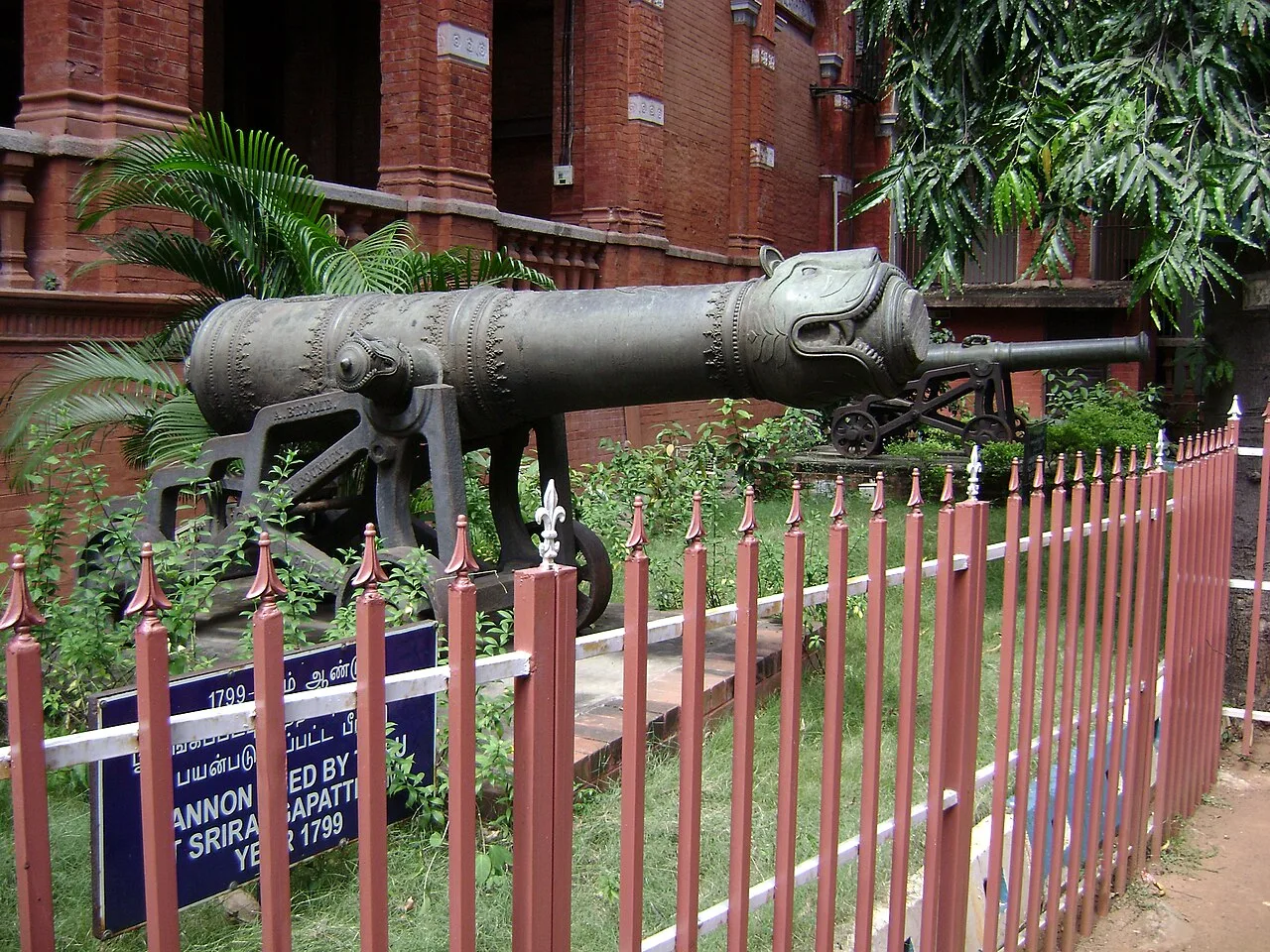
The Government Museum, Chennai, is a museum of history and culture in Egmore. Visitors come to see its collections of Roman currency, bronze idols and paintings, including works by Raja Ravi Varma.

Guindy National Park

Chennai district

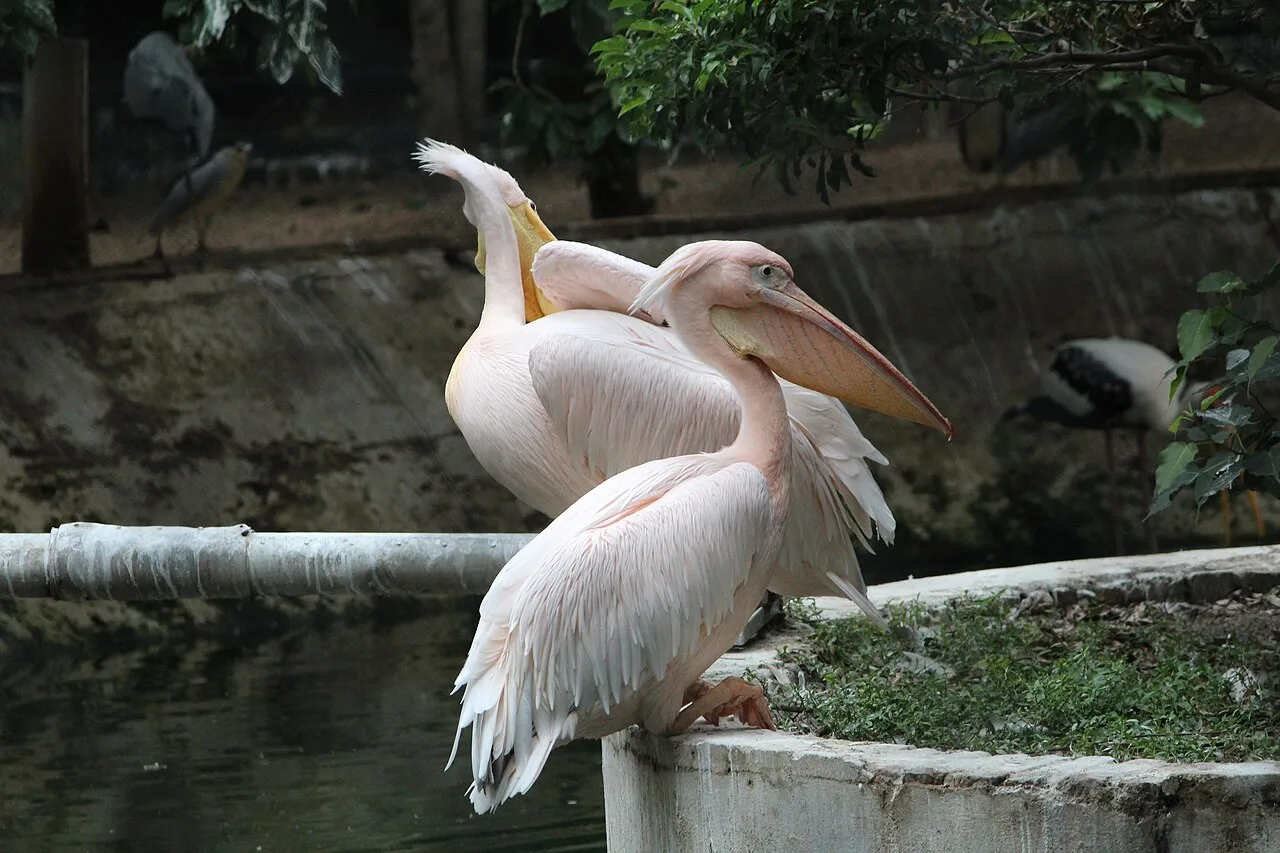
Guindy National Park

Guindy National Park is a compact protected area in Chennai, known for its wildlife and conservation role. People visit to experience its natural habitats and see animals roaming freely within the city.

Kapaleeshwarar Temple

Chennai district

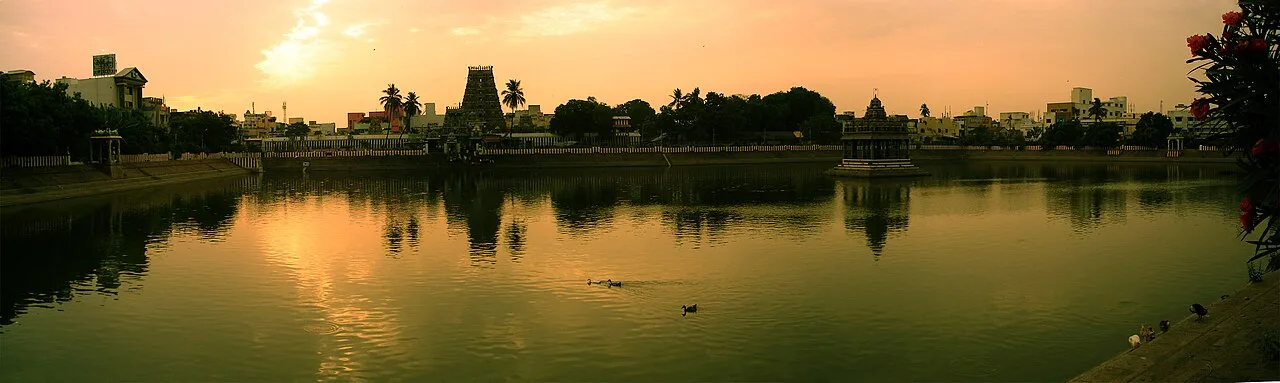
Kapaleeshwarar Temple

Kapaleeshwarar Temple is a Shaiva shrine in Mylapore, Chennai, where people worship Shiva and Karpagambal and encounter a tradition linked to South Indian architecture and devotional poetry.

Marina Beach

Chennai district

Marina Beach

On Chennai’s Bay of Bengal coast, Marina Beach is a natural urban shoreline and a prominent city landmark. Its wide sandy expanse draws large crowds throughout the year.

Parthasarathy Temple

Chennai district

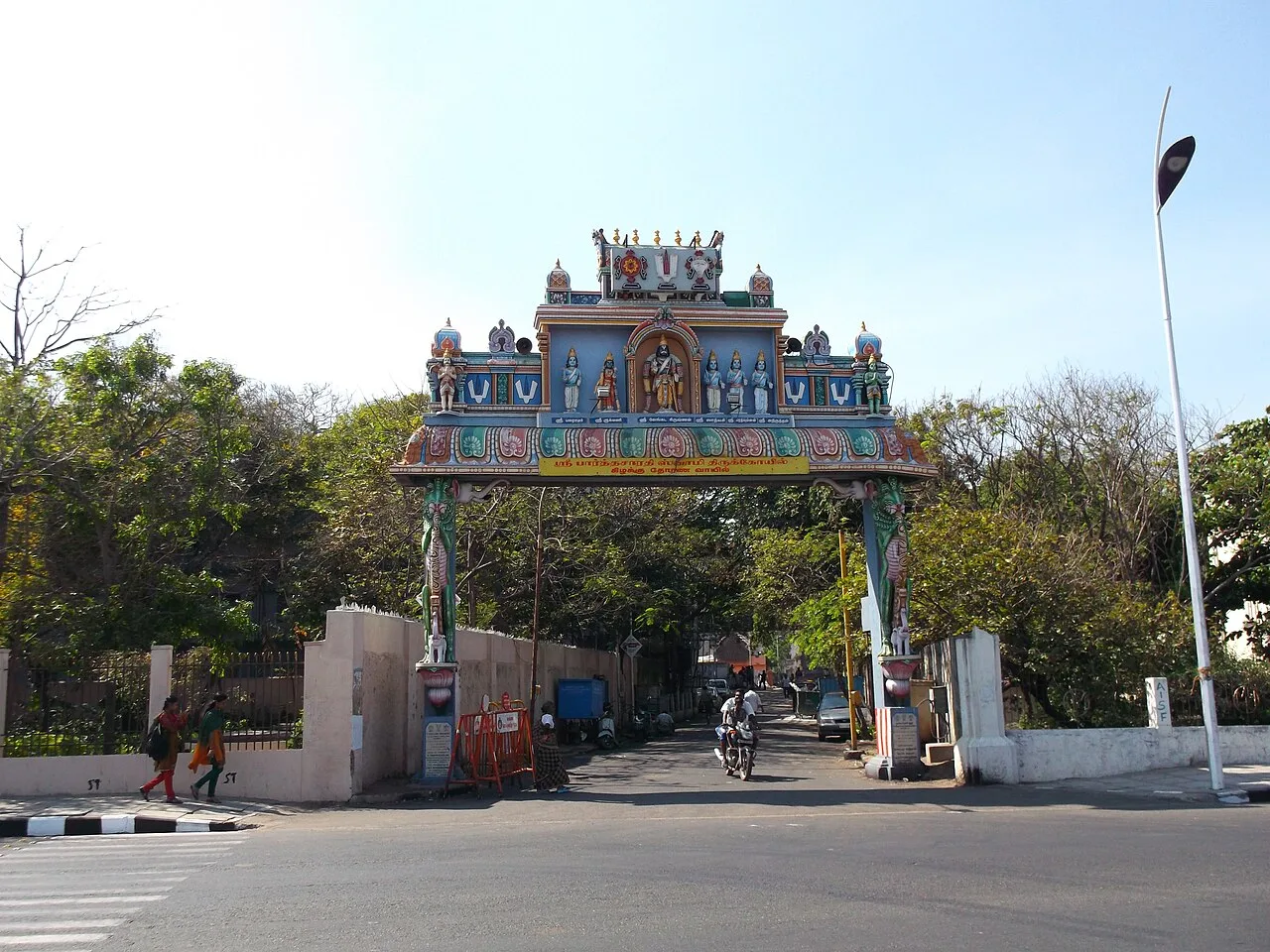
Parthasarathy Temple

Parthasarathy Temple is a sixth-century Vaishnavite shrine to Vishnu in Chennai. Visitors come for its links to the Alvar devotional tradition, its many Vishnu forms and its place among the 108 Divya Desams.

Semmozhi Poonga

Chennai district

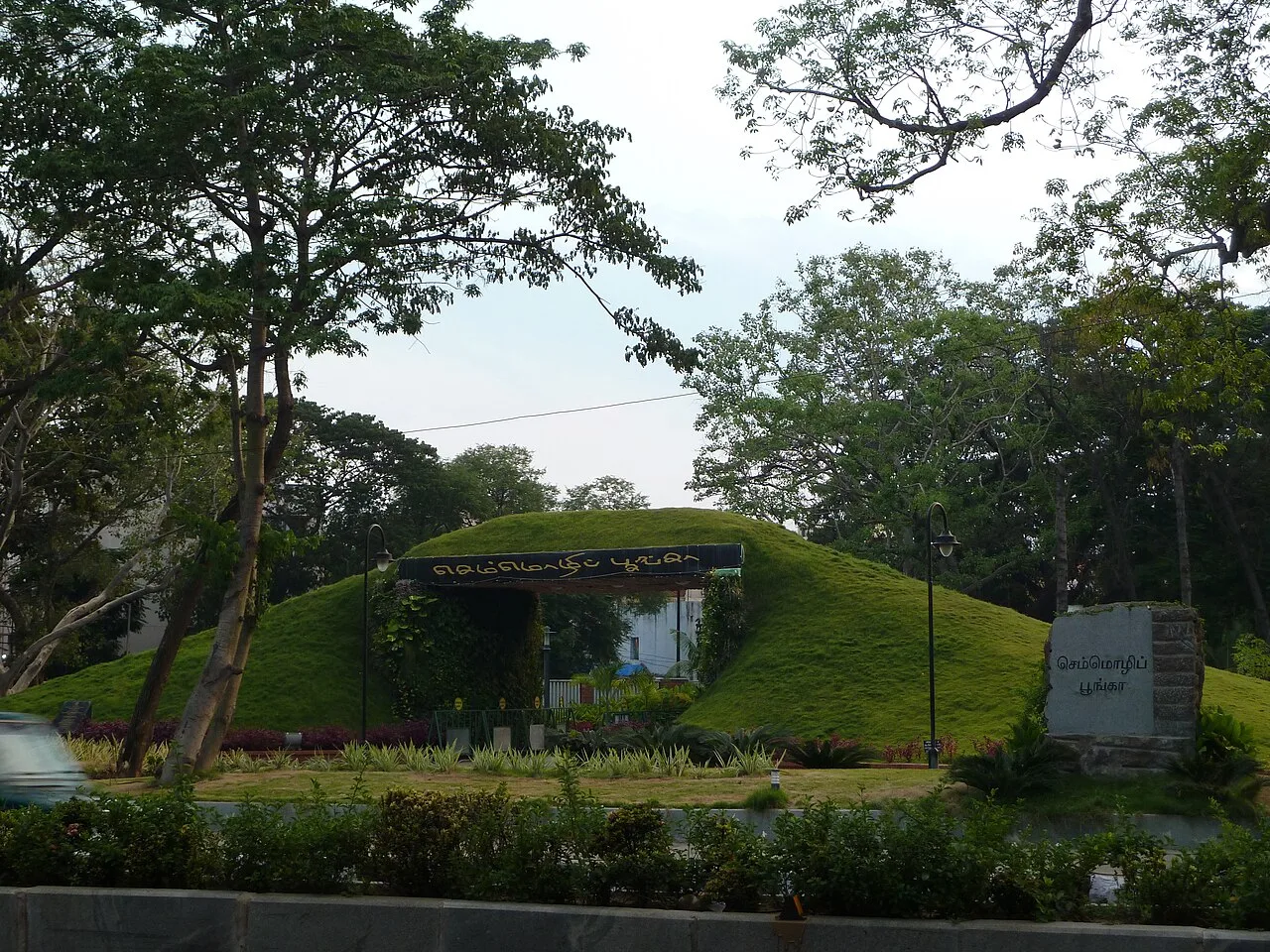
Semmozhi Poonga

In Chennai, Semmozhi Poonga is a garden developed jointly by Tamil Nadu’s horticulture and agricultural engineering departments. Visitors come to see its diverse collection of exotic, rare, medicinal and aromatic plants.

St. Thomas Cathedral Basilica

Chennai district

St. Thomas Cathedral Basilica

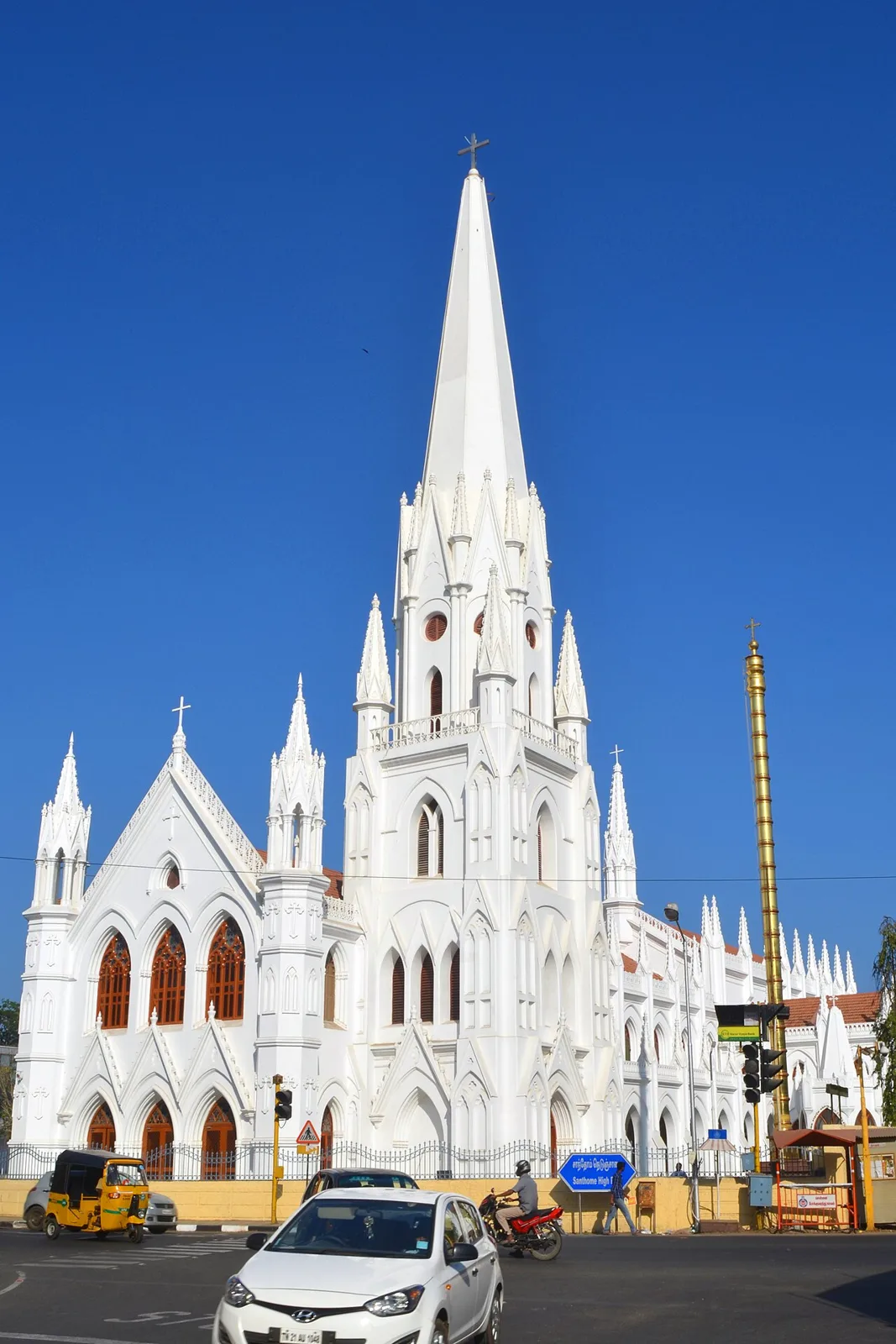
In Chennai’s Santhome area, this Catholic cathedral and minor basilica is associated with the tomb of Saint Thomas the Apostle, drawing interest for its religious and architectural history.

St. Thomas Mount

Chennai district

St. Thomas Mount

St. Thomas Mount, also called Parangimalai, is a small hillock in Chennai district. Visitors to the surrounding locality can use Chennai Metro or rail services, including the suburban network and MRTS.

Thousand Lights Mosque

Chennai district

Thousand Lights Mosque

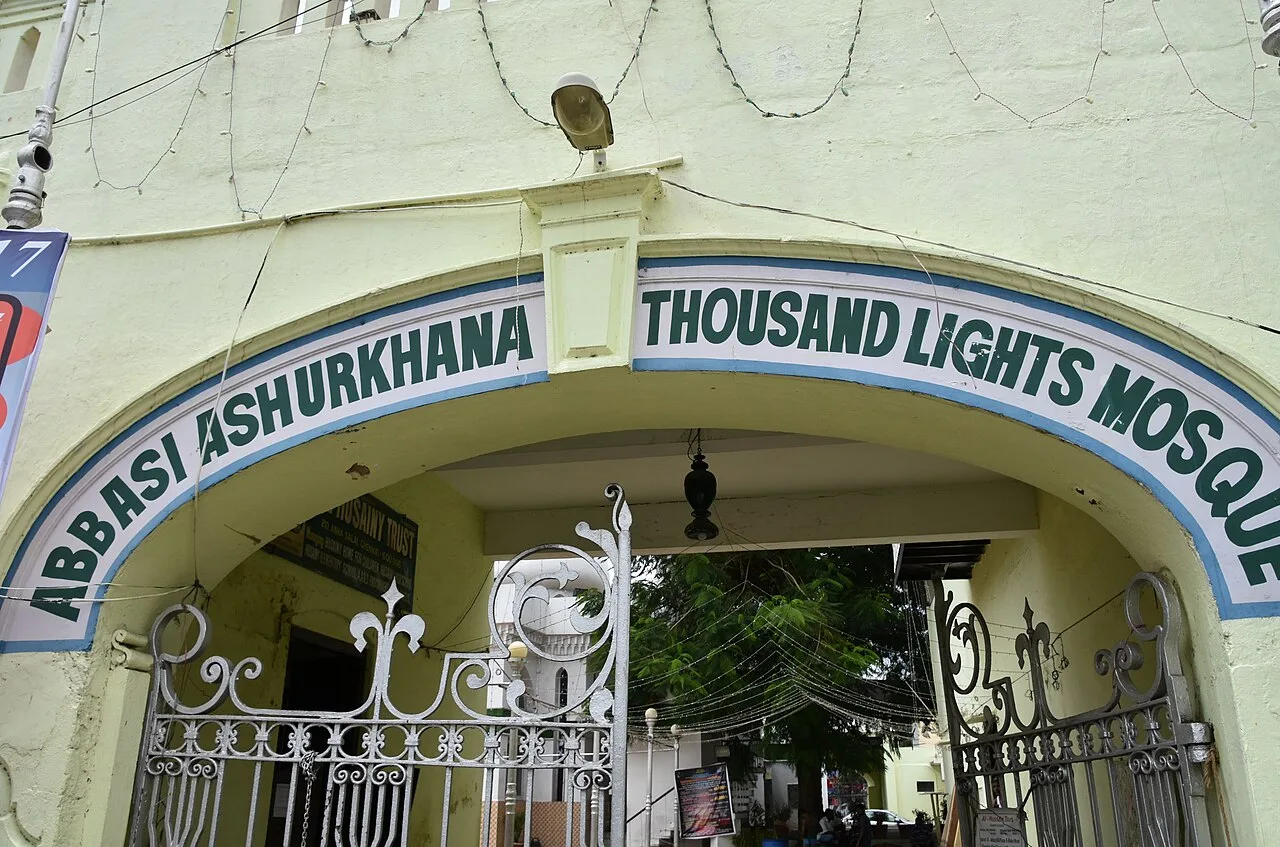
In Chennai, Thousand Lights Mosque is a Shia Muslim place of worship on Anna Salai. People visit for prayer and azadari, and it is counted among India’s largest mosques.

Vadapalani Andavar Temple

Chennai district

Vadapalani Andavar Temple

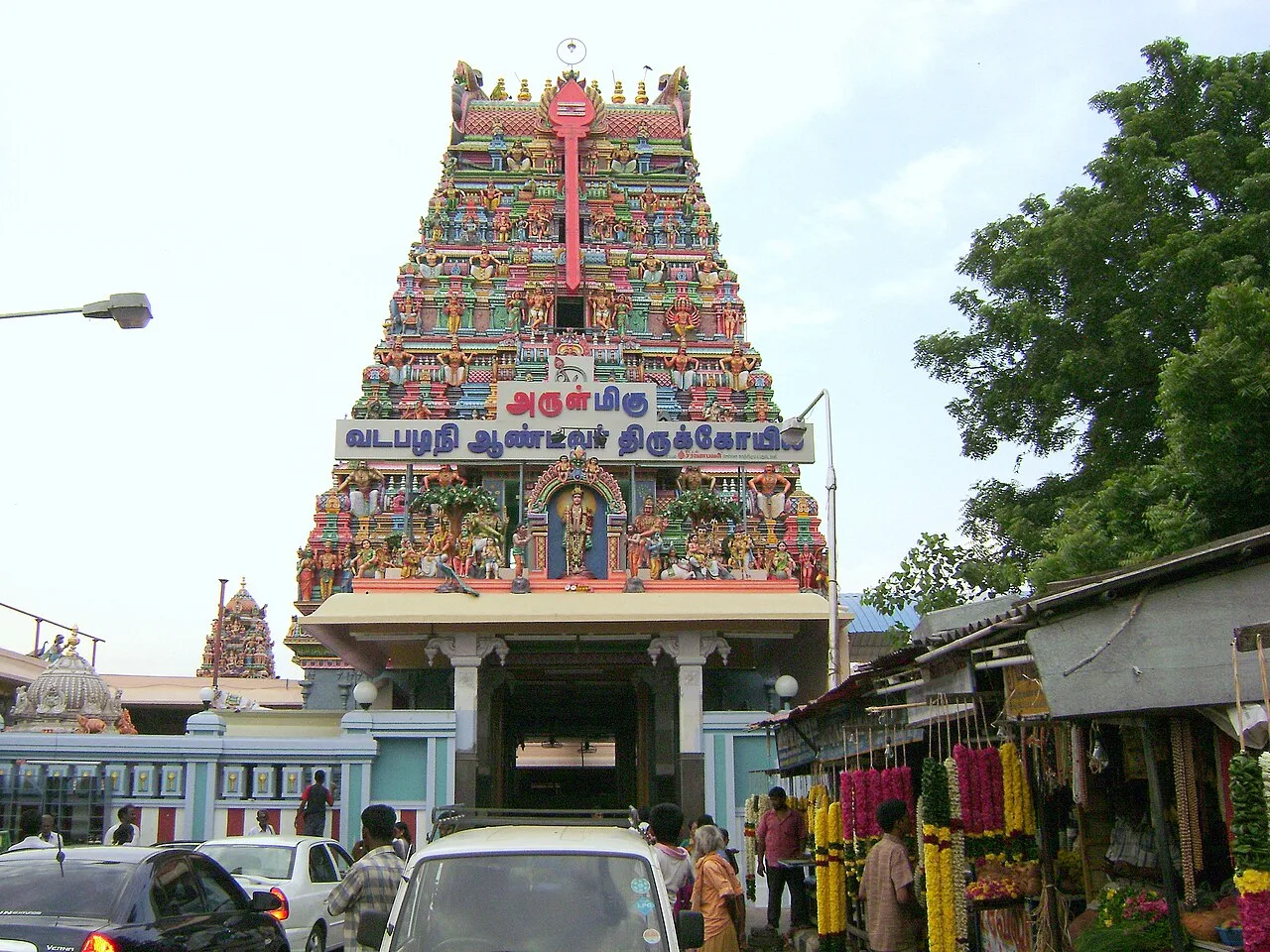
In Chennai’s Vadapalani area, this Tamil Nadu temple is a place of worship for devotees of Lord Muruga. Its rising prominence has been attributed in part to support from cinema stars.

Valluvar Kottam

Chennai district

Valluvar Kottam

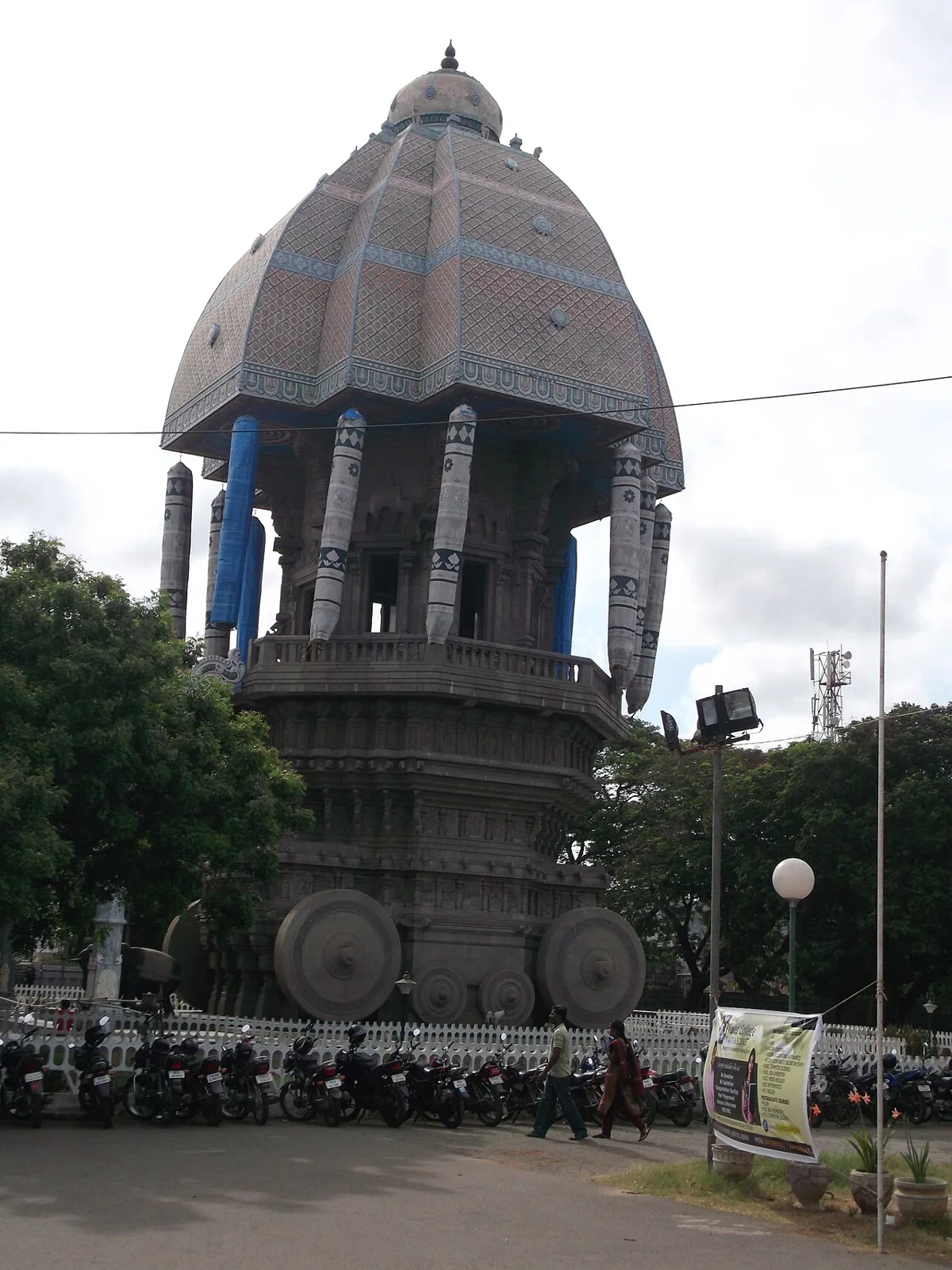
Valluvar Kottam is a Chennai landmark in Tamil Nadu commemorating Valluvar, the classical Tamil poet and philosopher. Visitors come to see the monument and its role as the city’s largest Tamil cultural centre.

Map

Chennai on the map

  1. 1Edward Elliot's Beach
  2. 2Fort St. George, Chennai
  3. 3Government Museum, Chennai
  4. 4Guindy National Park
  5. 5Kapaleeshwarar Temple
  6. 6Marina Beach
  7. 7Parthasarathy Temple
  8. 8Semmozhi Poonga
  9. 9St. Thomas Cathedral Basilica
  10. 10St. Thomas Mount
  11. 11Thousand Lights Mosque
  12. 12Vadapalani Andavar Temple
  13. 13Valluvar Kottam

Tamil Nadu

Other cities to explore