
Ghumoopedia — Explore, Discover, Experience
Sign in
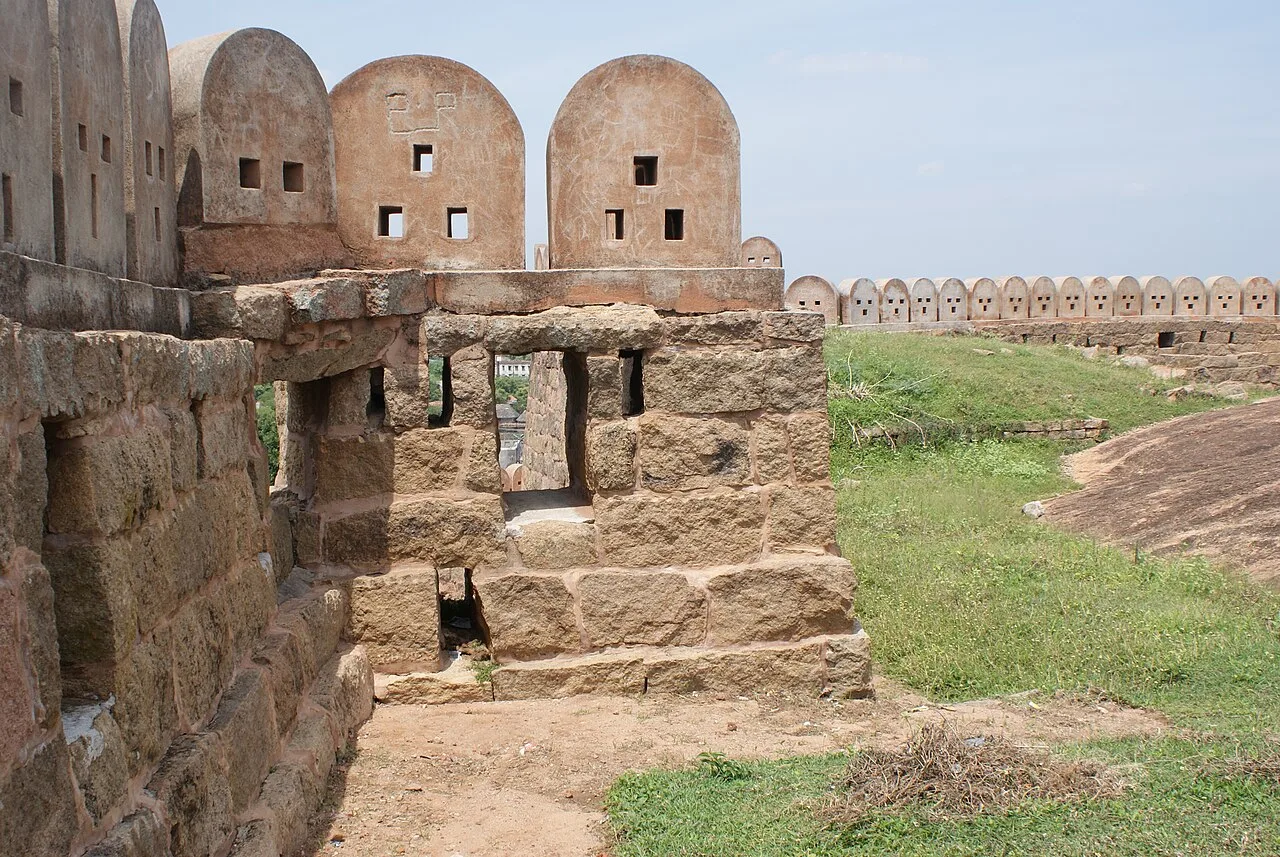
Thirumayam Fort, near Kanadukathan

City guide · Tamil Nadu

Kanadukathan

Kanadukathan is a heritage town in Karaikudi taluk, in Tamil Nadu’s Chettinad region. Its name is closely associated with the grand homes built by Nagarathar, or Nattukottai Chettiar, merchant families.

Famous for

  • Chettinad mansions
  • Nagarathar heritage
  • Chettinad cuisine
  • Kanadukathan Palace
  • Kandangi cotton sarees
In the city
1
District
Pudukkottai

Why Kanadukathan matters

Kanadukathan is a heritage town in Karaikudi taluk, in Tamil Nadu’s Chettinad region. Its name is closely associated with the grand homes built by Nagarathar, or Nattukottai Chettiar, merchant families. These mansions, with spacious courtyards, carved woodwork and richly detailed materials, make the town a distinctive destination for architecture and cultural heritage. Kanadukathan Palace is among its best-known landmarks, though access to historic properties can be limited.

The town also offers an introduction to Chettinad’s food and ways of life. Visitors come to see its quiet streets and traditional houses, and to explore nearby places such as Karaikudi and Athangudi, known for their own architectural and craft heritage. Kanadukathan’s importance today lies in this concentration of regional history and living traditions, rather than in large-scale urban attractions. It is a rewarding stop for travellers interested in heritage, local cuisine and the distinctive identity of Chettinad.

Famous for: crafts, trade & products

Kanadukathan is best known for the architectural legacy of Nagarathar families. Historic homes often combine timber carving, patterned tiles, elaborate entrances and materials brought through the families’ overseas trading connections. The town’s palace is a prominent landmark, but many mansions are privately owned; visitors should respect residents’ privacy and check locally before seeking entry.

Chettinad cuisine is another important regional draw. Local eateries and accommodation in the Chettinad area are places to look for traditional meals, though menus and availability vary. Kandangi cotton sarees, associated with the wider Karaikudi-Chettinad region, are a traditional woven textile and a GI-tagged product. For buying, ask at textile shops in Karaikudi or locally about current availability rather than assuming every shop stocks them. Athangudi, a neighbouring craft centre, is known for handmade cement tiles; it is a useful nearby excursion, not a product unique to Kanadukathan. The town itself is not a major industrial or market centre, and visitors will find its heritage and regional crafts more distinctive than large shopping districts.

History

Kanadukathan’s growth is closely tied to the Nagarathar community, whose members developed extensive trading and financial networks across South and Southeast Asia. From the colonial era into the early twentieth century, prosperous merchant families returned to Chettinad and built substantial residences in their hometowns. Their homes reflected both local building traditions and influences gathered through overseas commerce, creating the architectural character for which Kanadukathan is recognised.

The town’s historic houses and palace remain visible reminders of this period of wealth and patronage. As trade patterns changed and families increasingly lived elsewhere, some mansions became less regularly occupied, while others continued as homes or were adapted for hospitality. In modern times, heritage tourism has brought renewed attention to the town and its surrounding settlements. Kanadukathan is administered as a Town Panchayat within Karaikudi taluk, and its contemporary role is shaped by local services, regional connections and the preservation of Chettinad’s built heritage.

Food, festivals & culture

Chettinad food is central to the area’s cultural identity. Meals are known for fragrant spices and bold flavours, with dishes varying between households and restaurants. Visitors may encounter peppery curries, idiyappam, kuzhi paniyaram and sweets such as kavuni arisi, a preparation of black rice. Recipes and meat dishes are not uniform, so it is worth asking about ingredients and preparation when ordering.

Tamil is the main language, and local speech reflects the distinctive Chettinad region. Pongal in January, Tamil New Year in April and Deepavali in autumn are widely observed; temple festivals take place at different times in nearby communities. Religious life includes Hindu temples, while local celebrations may feature processions, devotional music and nadaswaram. Classical and folk performance traditions form part of the wider Tamil cultural setting, though events are not necessarily scheduled for visitors. The town’s courtyards, homes and community spaces are themselves an important expression of Chettinad’s social and artistic traditions.

Visiting the city

The cooler, drier months from November to February are generally the most comfortable for exploring; summer can be very hot, and rain is more likely during the northeast monsoon season. Madurai Airport is a practical nearby air gateway, while Karaikudi Junction is the main railway station for reaching the area. From Karaikudi, continue to Kanadukathan by road using a taxi, auto-rickshaw or local bus; arranging a vehicle is useful for visiting several heritage sites in one outing.

Explore Kanadukathan’s residential streets and historic mansion district at a respectful pace, and confirm whether any property welcomes visitors before entering. The palace is a notable exterior landmark, but access may be restricted. Nearby Athangudi and Karaikudi make worthwhile additions for craft and town visits. Wear comfortable footwear and carry water, especially when walking in warm weather.

Attractions

Places to visit in Kanadukathan

Sights within about 12 km of each other, even when they fall in different districts.

Map

Kanadukathan on the map

  1. 1Thirumayam Fort

Tamil Nadu

Other cities to explore