
Ghumoopedia — Explore, Discover, Experience
Sign in
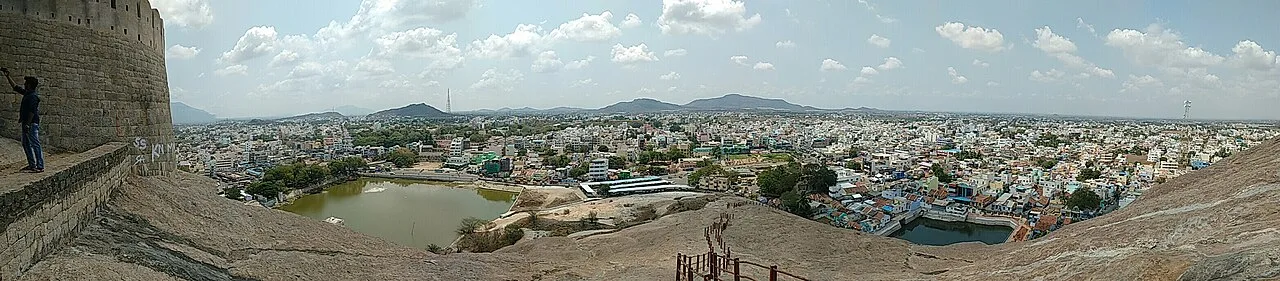
Namakkal Fort, near Namakkal

City guide · Tamil Nadu

Namakkal

Namakkal is the headquarters of Namakkal district and an important service and trading centre in western Tamil Nadu. The city is widely associated with egg production and road transport, earning it the familiar names “Egg City” and “Transport City.” Poultry businesses and transport-related enterprises connect it with markets across the state and beyond.

Famous for

  • Namagiri hill temples
  • Namakkal Anjaneyar
  • Namakkal Fort
  • Egg production
  • Truck-body building
In the city
1
District
Namakkal

Why Namakkal matters

Namakkal is the headquarters of Namakkal district and an important service and trading centre in western Tamil Nadu. The city is widely associated with egg production and road transport, earning it the familiar names “Egg City” and “Transport City.” Poultry businesses and transport-related enterprises connect it with markets across the state and beyond.

At the heart of the city is Namagiri, a striking rock formation with cave temples dedicated to Narasimha and Ranganatha. Namakkal Fort occupies the summit, while the celebrated Anjaneyar temple stands at its foot. These landmarks make the city a destination for pilgrims as well as visitors interested in its history and distinctive landscape. Namakkal also serves as a convenient base for exploring the wider district, including the hill country of Kolli Hills. Its mix of religious heritage, regional commerce and transport gives it importance beyond its role as a district headquarters.

Famous for: crafts, trade & products

Namakkal’s best-known products are eggs and poultry-related goods. The city is a major centre for the egg trade, supported by farms, processing businesses and distribution networks. Transport is another defining industry: the area has businesses associated with lorry operations, vehicle services and truck-body building. These sectors are more central to Namakkal’s identity than textiles or traditional handicrafts.

Local markets and shops serve residents and the surrounding region with food, household goods and agricultural produce. Visitors looking for the district’s farm products can ask at town markets; produce from the wider district, including the Kolli Hills, may also reach local sellers. Namakkal is not especially known as a saree-shopping or craft destination, and no single textile or craft defines its commercial identity. The most visible links between its trade and reputation are the poultry economy and the transport businesses found in and around town. For a sense of the city’s commercial character, explore its central market streets and the business areas serving the road-transport sector.

History

Namakkal’s history is closely tied to Namagiri, the large rock at the centre of town. Rock-cut shrines to Narasimha and Ranganatha were carved into the hill, and their architecture and inscriptions point to an early medieval past, though scholars differ on their precise date. The region formed part of Kongu Nadu and passed through the hands of several powers, including the Cheras, Cholas, Pandyas, Hoysalas and Vijayanagara rulers.

A fort was built on the rock during the Nayak period. In the eighteenth century, Namakkal became caught up in conflicts involving Mysore’s rulers and the British; Hyder Ali’s forces held the fort before the British captured it. The town later came under British administration, first linked with Tiruchirappalli district and subsequently with Salem district. Mahatma Gandhi addressed a public meeting here in 1933. Namakkal became the headquarters of a separate district when it was formed from Salem district in 1997. Its modern growth has been shaped by district administration, poultry production and transport businesses.

Food, festivals & culture

Tamil is the principal language of daily life, and English is used in many commercial and official settings. Namakkal’s food reflects the wider Kongu region: rice, millets, lentils, vegetables and familiar dishes such as sambar, rasam and kootu are common. Tiffin foods including idli, dosa and vadai are easy to find, while the surrounding region also has a tradition of non-vegetarian cooking. The city is better known for eggs as a major product than for a particular local sweet or signature dish.

Worship and temple festivals are central to local cultural life. The Namagiri Narasimhaswamy and Namagiri Thayar shrines, the Ranganatha cave temple and the Anjaneyar temple draw devotees throughout the year. Annual temple celebrations and processions bring neighbourhoods together; broader Tamil festivals such as Pongal in January and Deepavali in autumn are widely observed. Tamil devotional music and customary temple arts feature during religious occasions, alongside the music and dance traditions shared across Tamil Nadu.

Visiting the city

The cooler months, roughly November to February, are generally comfortable for exploring; summers can be hot, while the monsoon brings occasional rain. Salem Airport is the nearest airport, and Namakkal Railway Station is the main rail stop for the city. Road connections make buses and taxis practical options for reaching Namakkal and nearby towns.

Auto-rickshaws and local taxis are useful for getting around, especially between the railway station, the central streets and the hill temples. Start around Namagiri to visit the cave shrines, Anjaneyar temple and fort, allowing time for the hill’s steps and views. The town centre and its market streets offer a look at everyday trade and local food. Namakkal also works as a base for day trips towards Kolli Hills, though onward transport should be planned separately.

Attractions

Places to visit in Namakkal

Sights within about 12 km of each other, even when they fall in different districts.

Map

Namakkal on the map

  1. 1Namakkal Fort

Tamil Nadu

Other cities to explore