
Ghumoopedia — Explore, Discover, Experience
Sign in
Chitharal Jain Monuments, near Edaicode

City guide · Tamil Nadu

Edaicode

Edaicode is a panchayat town in Kanniyakumari district, at the southern end of Tamil Nadu. Its importance is chiefly local: it serves residents and nearby rural settlements, while larger services and transport connections are found in surrounding towns.

Famous for

  • Kanniyakumari district setting
  • Rural panchayat-town character
  • Nanjil Nadu food traditions
  • Tamil–Malayalam cultural influences
In the city
2
District
Kanniyakumari

Why Edaicode matters

Edaicode is a panchayat town in Kanniyakumari district, at the southern end of Tamil Nadu. Its importance is chiefly local: it serves residents and nearby rural settlements, while larger services and transport connections are found in surrounding towns. It is better understood as part of the district’s lived-in countryside than as a major sightseeing centre in its own right.

The wider region draws visitors for its varied landscapes, places of worship and connections to the southern tip of India. Edaicode offers a quieter view of everyday life in this part of the state, where Tamil traditions meet influences from neighbouring Kerala. Travellers can use it as a stop or a base for exploring nearby towns and the district, rather than expecting a concentrated tourist quarter or a nationally known landmark. No particular craft, product or attraction is widely established as Edaicode’s defining specialty; its value lies in its local setting and role in the surrounding community.
Famous for: crafts, trade & products

Edaicode is not widely identified with a signature textile, saree, handicraft, GI-tagged product or large-scale industry. The town’s profile is primarily that of a local settlement serving its surrounding area, so visitors should not expect a dedicated craft district or a major destination market. Everyday retail and household needs are met locally, while a broader choice of shops and services is more likely in larger nearby centres such as Marthandam and Kuzhithurai.

The food and farming traditions of Kanniyakumari district provide useful regional context. Nanjil Nadu cooking is associated with rice, coconut, vegetables and seafood, with culinary influences shared across the Tamil Nadu–Kerala border. These are regional traditions rather than products unique to Edaicode. Visitors interested in local goods can browse ordinary shops and markets in the town and neighbouring hubs, asking locally about seasonal produce or home-prepared foods. There is no well-established basis for presenting a particular Edaicode-made craft or product as a recognised visitor purchase.

History

Edaicode’s history is best viewed within that of Kanniyakumari district. The area was part of the southern territories governed by the princely state of Travancore, whose administration and cultural life shaped communities across this border region. British influence was exercised in the wider princely-state context, rather than Edaicode developing as a major British colonial city.

After Indian independence, the southern parts of Travancore-Cochin with a strong Tamil-speaking population became part of Madras State in 1956, and Kanniyakumari district was formed that year. The district later became part of Tamil Nadu when the state took that name. Edaicode’s modern growth has been gradual, as a panchayat town connected to surrounding villages and nearby service centres. Its development reflects local administration, roads, commerce and access to regional transport more than a single historic event or industrial boom. Specific landmark dates or a separate urban history for Edaicode are not widely documented.

Food, festivals & culture

Daily life reflects the mixed cultural character of Kanniyakumari district. Tamil is widely used, and Malayalam is also familiar in this border region. Food traditions draw on southern Tamil cooking and Nanjil Nadu influences: rice, coconut-based dishes, vegetables and seafood are common regional reference points. Appam, puttu, tapioca and fish preparations are found in the broader area, though menus vary between households and eateries and are not unique to Edaicode.

Pongal, usually celebrated in January, is an important Tamil harvest festival. Deepavali is observed in autumn, while Onam, generally in August or September, reflects the region’s close cultural ties with Kerala. Christmas and Easter are also part of the district’s festival calendar. Worship and community gatherings take place at local temples, churches and mosques; visitors should ask locally about particular services or celebrations. Tamil devotional music and familiar South Indian film and popular music are part of everyday cultural life, while larger performances and events are more likely to be found in nearby towns.

Visiting the city

The cooler, generally drier months from November to February are a comfortable time to visit. The surrounding district can be rainy during the monsoon seasons, so check local conditions if travelling then. The nearest major airport is Thiruvananthapuram International Airport in Kerala. Kuzhithurai railway station is a practical rail connection for the area; confirm locally which station and onward route best suit your destination.

Buses and taxis connect towns in the district, while auto-rickshaws are useful for shorter local journeys. Edaicode is a modest town rather than a destination with a defined tourist centre. Explore its neighbourhoods at an unhurried pace, and use nearby Marthandam or Kuzhithurai for a wider range of shops, transport links and everyday services. For specific local attractions or places of worship, ask residents for current directions and visiting guidance.

Attractions

Places to visit in Edaicode

Sights within about 12 km of each other, even when they fall in different districts.

Map

Edaicode on the map

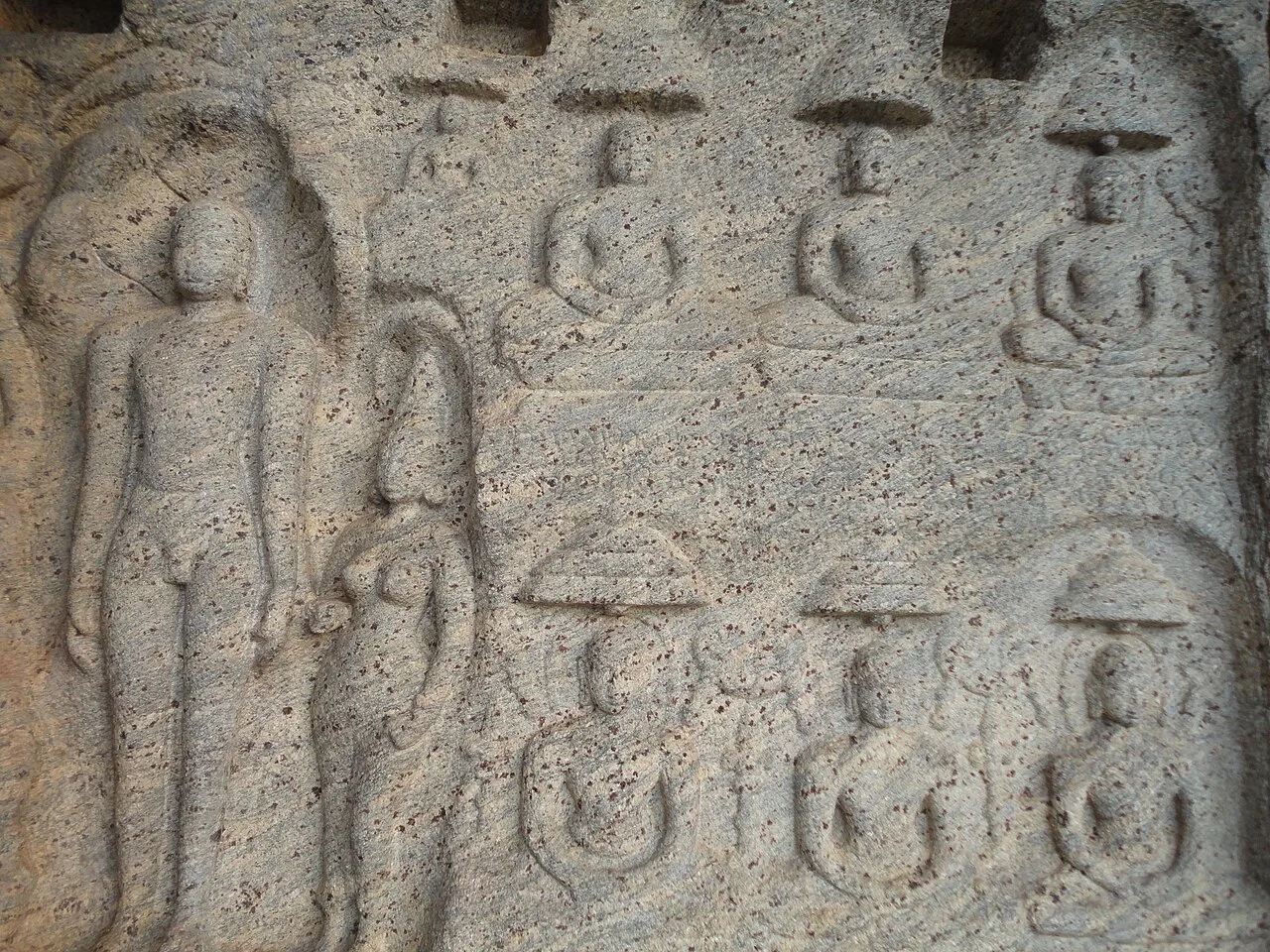
  1. 1Chitharal Jain Monuments
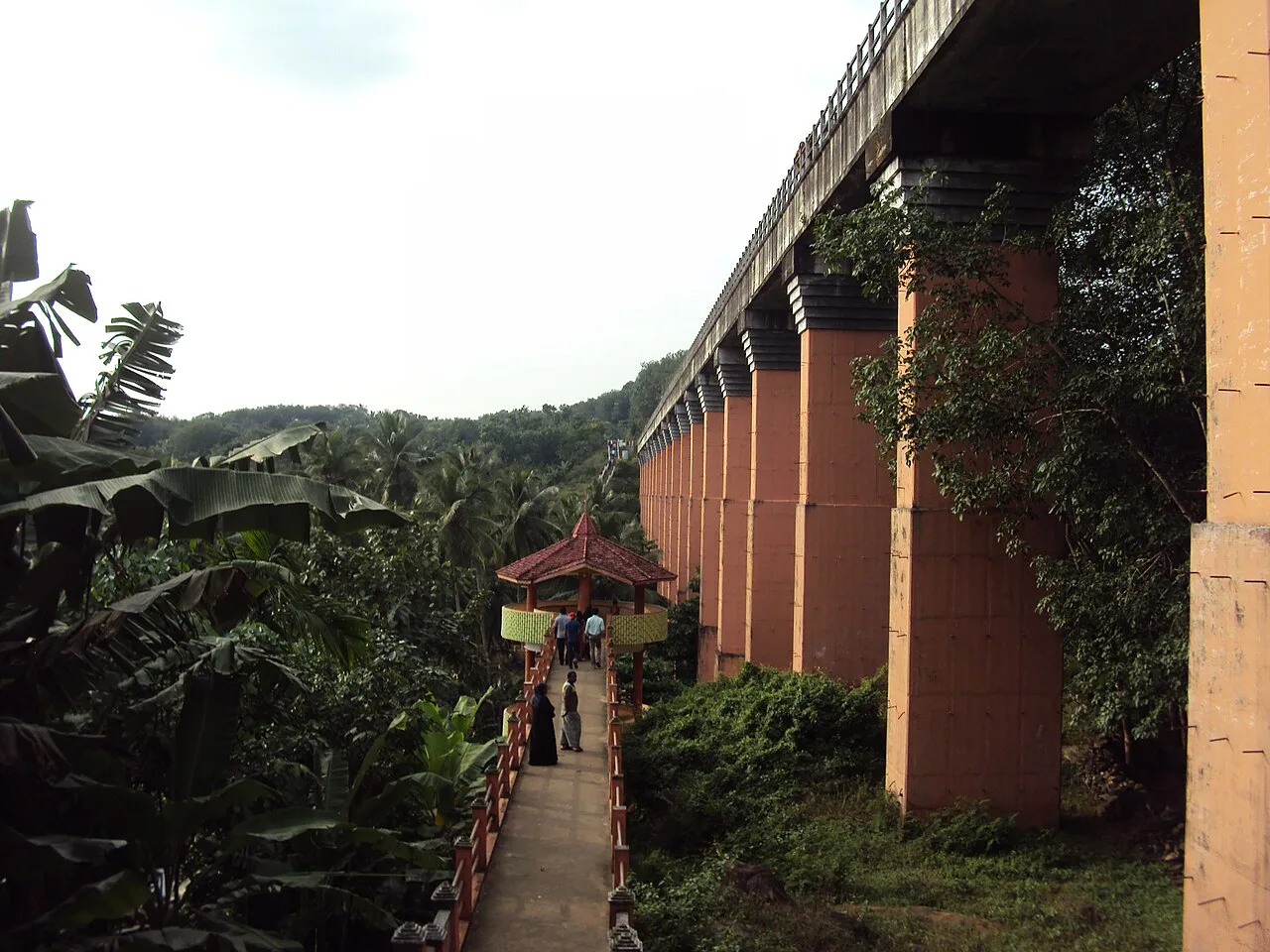
  2. 2Mathur Aqueduct

Tamil Nadu

Other cities to explore