
Ghumoopedia — Explore, Discover, Experience
Sign in
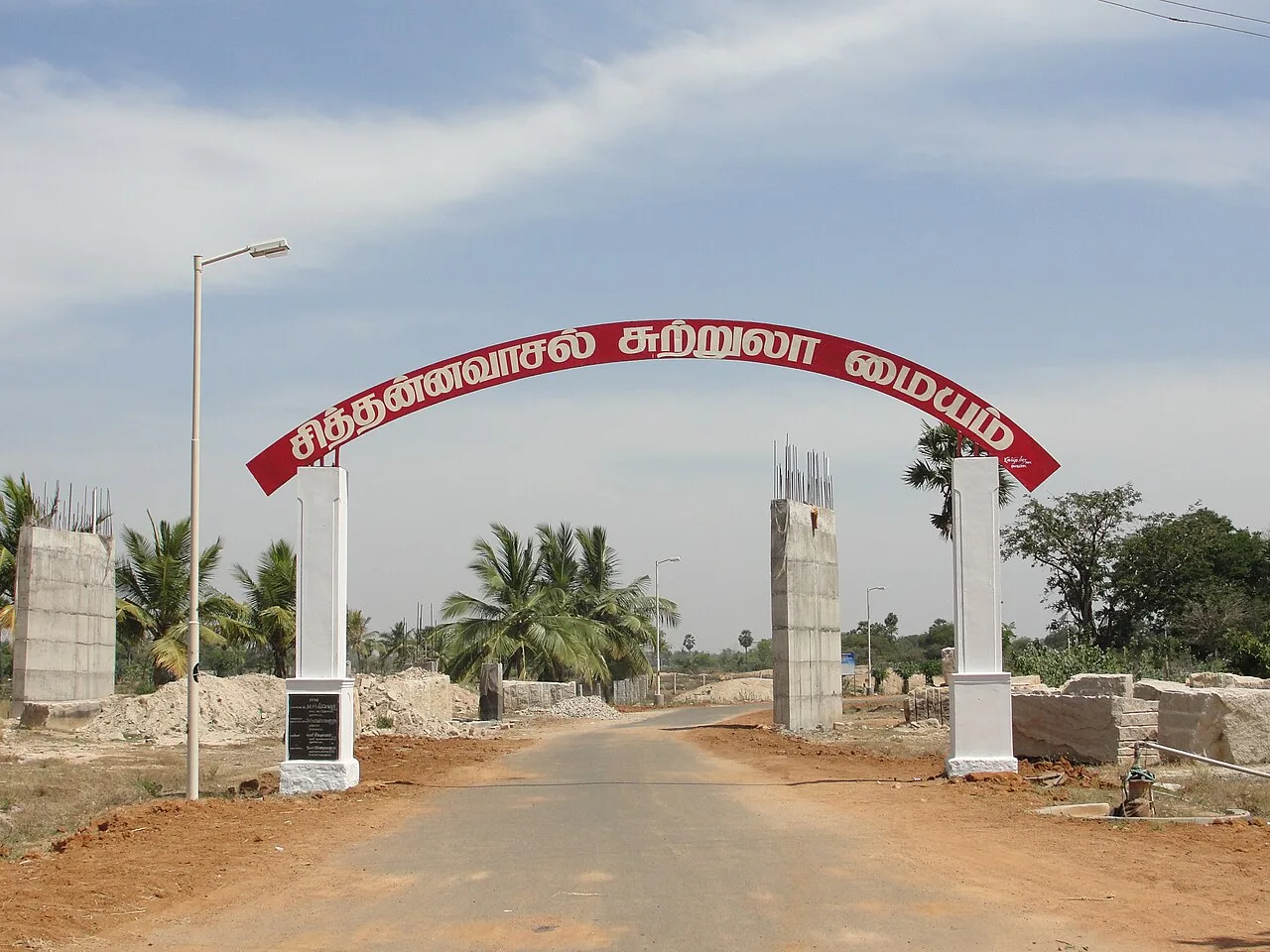
Sittanavasal Caves, near Keeranur

City guide · Tamil Nadu

Keeranur

Keeranur is a panchayat town in Pudukkottai district, Tamil Nadu, serving as a local centre for nearby villages. Its most distinctive heritage landmark is the Uthama Nathaswami Sivan Temple, a Shaivite place of worship noted for its Mutharaya-style architecture and inscriptions associated with the Chola and Vijayanagara periods.

Famous for

  • Uthama Nathaswami Sivan Temple
  • Mutharaya-era temple architecture
  • Chola-period inscriptions
  • Vijayanagara-period inscriptions
In the city
0
Nearby
1
District
Pudukkottai
Plan a trip

Why Keeranur matters

Keeranur is a panchayat town in Pudukkottai district, Tamil Nadu, serving as a local centre for nearby villages. Its most distinctive heritage landmark is the Uthama Nathaswami Sivan Temple, a Shaivite place of worship noted for its Mutharaya-style architecture and inscriptions associated with the Chola and Vijayanagara periods. These features give the town a particular appeal for visitors interested in temple history and regional architecture.

Keeranur is not a large resort or commercial destination; its draw is the chance to see a historic temple within the everyday setting of a Tamil town. Visitors can combine a visit to the temple with a walk through the town centre and its local shops. The town’s importance today is chiefly regional: it provides services and a marketplace for its surrounding area, while its temple preserves a visible link to successive periods of Tamil history. Those seeking a quieter heritage stop in Pudukkottai district may find Keeranur a worthwhile visit.

Famous for: crafts, trade & products

Keeranur’s best-known cultural asset is the Uthama Nathaswami Sivan Temple, rather than a widely recognised textile, craft or manufactured product. Its Mutharaya-style structure and inscriptions linked to the Chola and Vijayanagara periods are the town’s clearest points of distinction. There is no well-established signature saree, handicraft or GI-tagged product specifically associated with Keeranur, so visitors should not expect a dedicated craft bazaar or specialist shopping district.

For everyday purchases, look to the town’s ordinary shops and market streets for household goods, clothing and provisions used by local residents. These shops reflect the needs of a small regional centre, not a specialised visitor trade. Tamil Nadu foods and goods from the wider Pudukkottai area may also be available, but particular products and stock vary. The temple precinct is the natural place to focus on local heritage; the town centre is more suited to routine shopping and observing daily life. Travellers seeking a broader selection of crafts or regional specialities can explore larger towns in the district, rather than assuming these are made or sold in Keeranur itself.

History

Keeranur’s history is most legible in the Uthama Nathaswami Sivan Temple. The building is identified with Mutharaya-style architecture, while inscriptions associated with the Chola and Vijayanagara periods point to successive eras of activity and patronage in the region. These records make the temple an important historical landmark, although they do not by themselves establish a precise account of when the present town began or how it expanded.

During the colonial period, the wider Pudukkottai region was governed by the Thondaiman princely house within the political framework of British India. The town’s later development has been more closely tied to local administration and services than to a documented large-scale industrial or port economy. In modern Tamil Nadu, Keeranur is administered as a panchayat town in Pudukkottai district. Its temple remains a link to its older history, while local shops and civic services serve residents and nearby settlements.

Food, festivals & culture

Tamil is the principal language of everyday life in Keeranur. The Uthama Nathaswami Sivan Temple is the town’s main place of worship and a focal point for its heritage. Hindu observances such as Pongal in January, Tamil New Year in April and Deepavali in the autumn are widely celebrated across Tamil Nadu; local observance and temple events may vary from year to year.

Food follows familiar Tamil Nadu patterns. Local eateries and homes may serve dishes such as idli, dosa, rice meals and other staples, though menus vary and no particular dish is established as Keeranur’s own speciality. Devotional music and regional folk traditions form part of the wider cultural setting, alongside popular Tamil music. Visitors can experience this culture most naturally by spending time around the temple and town centre, keeping in mind that the town is a lived-in community rather than a staged cultural attraction.

Visiting the city

The cooler months, roughly October to February, are generally more comfortable for exploring; the hotter season can make midday walks tiring. The nearest major airport is Tiruchirappalli International Airport. Keeranur has its own railway station, Keeranur railway station; check current connections before travelling. Local buses, taxis and auto-rickshaws are practical options for reaching the town and getting around, with availability depending on the time and route.

Start at the Uthama Nathaswami Sivan Temple, then explore the nearby town centre and market streets on foot. These areas offer the clearest introduction to Keeranur’s heritage and everyday life. The town is compact, but visitors should confirm access arrangements at the temple locally and dress respectfully at places of worship. For a longer itinerary, use Keeranur as one stop within a wider visit to Pudukkottai district.

Short trips

Around Keeranur

Within about 40 km — easy half-day or day trips from the city.

Map

Keeranur on the map

  1. 1Sittanavasal Caves

Tamil Nadu

Other cities to explore