
Ghumoopedia — Explore, Discover, Experience
Sign in
Gingee Fort, near Gingee

City guide · Tamil Nadu

Gingee

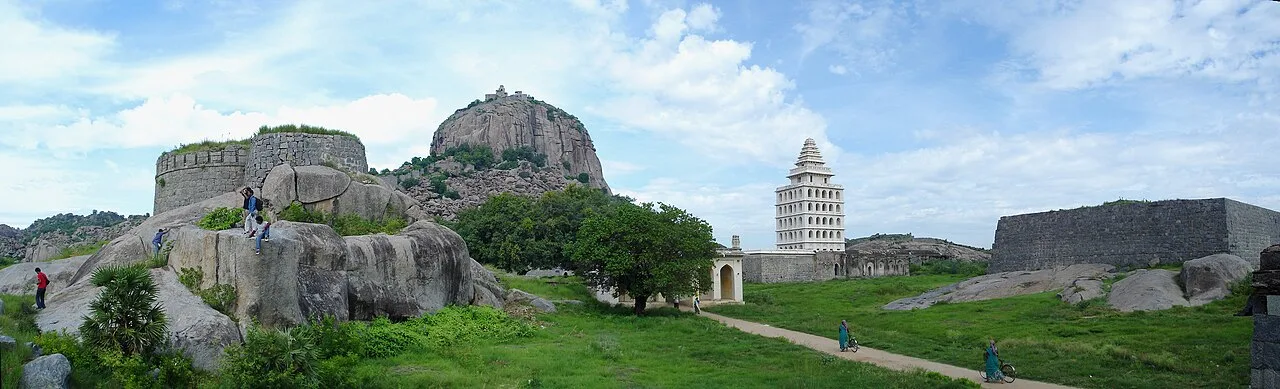
Gingee is a small town in Viluppuram district whose profile is shaped by one of South India’s most striking hill forts. Spread across the rocky heights of Rajagiri, Krishnagiri and Chandrayandurg, Gingee Fort draws visitors interested in history, architecture and dramatic landscapes.

Famous for

  • Gingee Fort
  • Rajagiri and Krishnagiri hills
  • Nayaka-era fortifications
  • Maratha and Mughal heritage
In the city
1
District
Villupuram

Why Gingee matters

Gingee is a small town in Viluppuram district whose profile is shaped by one of South India’s most striking hill forts. Spread across the rocky heights of Rajagiri, Krishnagiri and Chandrayandurg, Gingee Fort draws visitors interested in history, architecture and dramatic landscapes. Its layered defences, gateways, granaries, temples and water structures reflect centuries of strategic use and expansion. The fort is the town’s principal attraction and the reason many travellers make a stop here between Viluppuram, Tiruvannamalai and Puducherry.

Gingee also matters as a regional service town on the highways linking these destinations. Its history brings together Chola, Hoysala, Vijayanagara, Nayaka, Bijapur, Maratha, Mughal, French and British periods, giving the surrounding countryside an unusually complex past. The town itself is modest in scale, with everyday markets and local institutions rather than a large visitor-oriented district. For travellers, it offers a chance to combine a substantial fort visit with a glimpse of life in inland Tamil Nadu; exploring the steep, exposed fort trails requires time, water and suitable footwear.

Famous for: crafts, trade & products

Gingee is best known for its historic fort, not for a nationally recognised textile, handicraft or GI-tagged product. The fort’s stonework, hilltop citadels and surviving structures are its defining heritage, while the town serves mainly as a local market and service centre. There is no widely established craft quarter or specialist shopping district for visitors seeking a signature Gingee-made souvenir.

For everyday needs, small shops and market areas in town are the practical places to look for snacks, drinks and travel supplies before or after visiting the fort. Visitors may find ordinary household goods and locally traded produce, but should not expect a curated selection of regional crafts. Those seeking a broader range of Tamil Nadu handicrafts, textiles or branded regional products may have better options in larger nearby centres such as Viluppuram or Puducherry. At Gingee, the most meaningful keepsake is often a photograph or a visit to the fort itself. Ask locally about current market days and shop availability, as these can vary; carry essentials with you if you plan to spend several hours exploring the hills.

History

Gingee’s past is closely tied to its hill stronghold. References to Senji appear in medieval records, and the fort’s early construction is associated with local rulers; it was later expanded under Chola, Hoysala and Vijayanagara authority. Under the Vijayanagara system, Gingee became the seat of a Nayaka dynasty, whose rulers strengthened the defences and enlarged the settlement.

The fort passed to Bijapur in the seventeenth century, was captured by Maratha ruler Shivaji in 1677, and was taken by Mughal forces after a long siege in 1698. In the early eighteenth century, the conflict between Raja Desingh and the Nawab of Arcot became part of local memory and ballad tradition. French forces took Gingee in 1750; the British gained control after their campaigns against the French. Mysore’s Hyder Ali captured the fortress in 1780, and British control followed again. With its military importance gone, the fort gradually declined. Modern Gingee developed as a small town serving surrounding villages and traffic along regional highways.

Food, festivals & culture

Tamil is the main language of daily life, and the town’s culture reflects the traditions of inland northern Tamil Nadu. Gingee is not especially known for a distinctive local cuisine; visitors will generally find familiar regional meals and tiffin such as rice-based dishes, idli and dosa at local eateries. Simple sweets and savouries may be available in shops, though selection varies. It is useful to carry water and snacks for a fort visit, since facilities on the hill routes are limited.

Pongal, the harvest festival in January, is widely observed across Tamil Nadu, while Tamil New Year in April and Deepavali in autumn are important occasions for families. Temple festivals take place at different times of year according to local calendars. Places of worship in and around town include Hindu temples and Muslim places of worship, reflecting the area’s layered history and diverse communities. The fort itself contains historic religious structures, but visitors should treat active places of worship respectfully and check locally about access or festival arrangements. Tamil devotional music and popular film songs are part of everyday cultural life; classical and folk performance traditions are more often encountered during festivals or events than as scheduled attractions.

Visiting the city

The cooler months, roughly November to February, are generally the most comfortable for exploring Gingee. Summers can be very hot, and the fort’s rocky paths offer little shade, so start early, bring water and wear sturdy footwear. The nearest regional airport is Puducherry Airport; Chennai International Airport is the larger air gateway. Gingee has no railway station: Tindivanam is the nearest nearby railhead, with Viluppuram and Tiruvannamalai as other options.

Buses and road transport connect the town with nearby centres, while taxis or hired cars are useful for reaching the fort and nearby sights. Local auto-rickshaws can help with short journeys; agree on arrangements before setting out. The town centre and its bazaar are convenient for a brief walk and basic provisions. Most visitors’ time is spent at the fort, where the separate hill strongholds and connecting approaches make for a demanding excursion. Allow ample time and check local access conditions before climbing.

Attractions

Places to visit in Gingee

Sights within about 12 km of each other, even when they fall in different districts.

Map

Gingee on the map

  1. 1Gingee Fort

Tamil Nadu

Other cities to explore