Ghumoopedia — Explore, Discover, Experience
Sign in
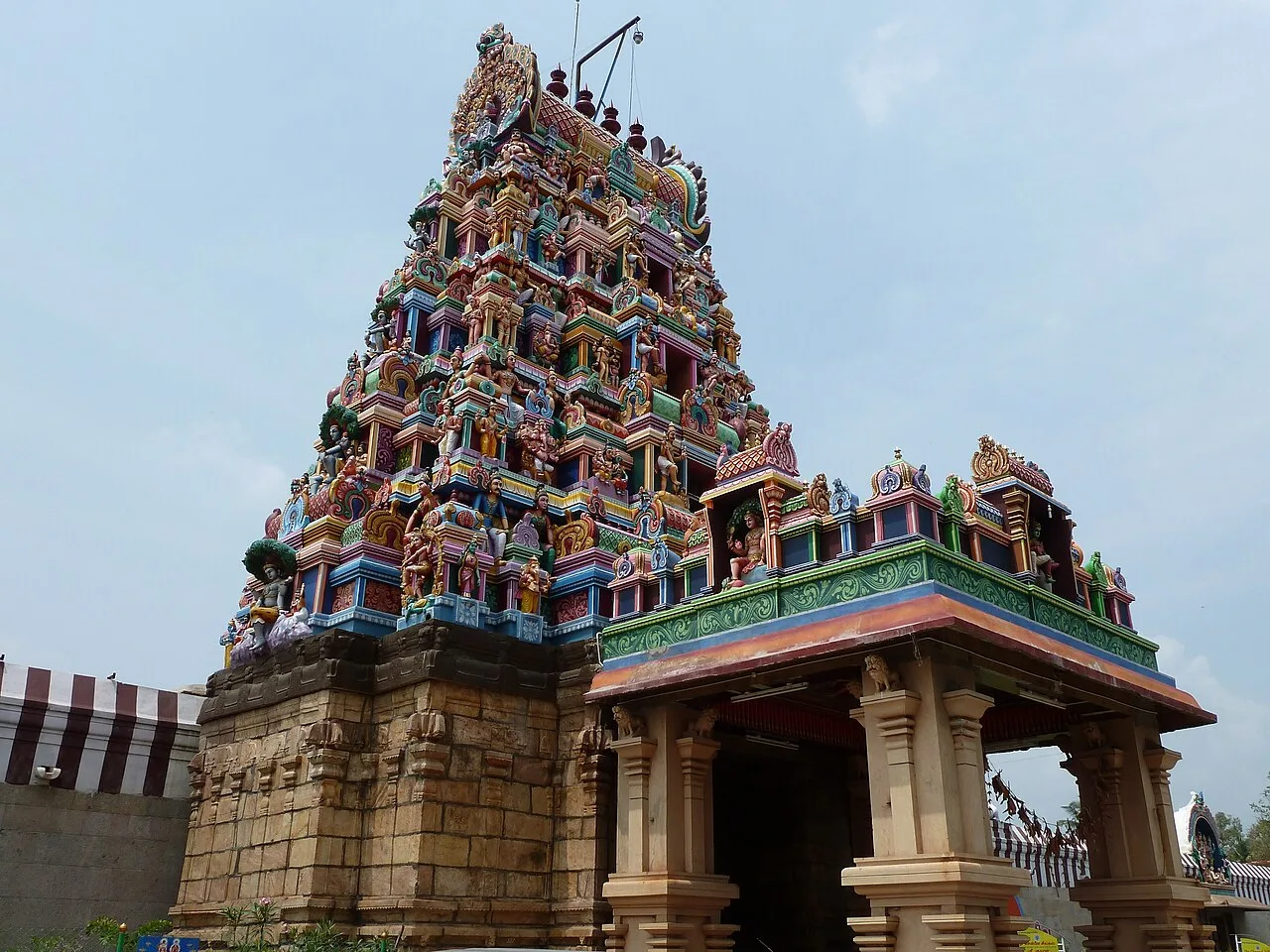
Eachanari Vinayagar Temple, near Coimbatore

City guide · Tamil Nadu

Coimbatore

Coimbatore, often called Kovai, is a major commercial and industrial centre in western Tamil Nadu. Set beside the Noyyal River and framed by the Western Ghats, it serves as an important hub for the surrounding Kongu region.

Famous for

  • Coimbatore Wet Grinders
  • Kovai Cora Cotton
  • Textile and engineering industries
  • Perur Pateeswarar Temple
  • Kongunadu cuisine
  • Western Ghats gateway
In the city
4
Nearby
2
District
Coimbatore

Why Coimbatore matters

Coimbatore, often called Kovai, is a major commercial and industrial centre in western Tamil Nadu. Set beside the Noyyal River and framed by the Western Ghats, it serves as an important hub for the surrounding Kongu region. Textile mills helped shape its reputation as the “Manchester of South India”; today, engineering, pumps, auto components, jewellery and other manufacturing businesses also underpin the city’s economy. Its universities, hospitals and technical institutions draw students and visitors from across the region.

Travellers come for the city’s temples, markets and food, as well as for easy access to hill landscapes and wildlife areas in the Western Ghats. Perur Pateeswarar and Marudhamalai Murugan temples are among its best-known places of worship. Coimbatore is also a practical base for onward journeys towards the Palakkad Gap, hill stations and towns in neighbouring Kerala. Kurichchi, on the city’s southern side, adds a more residential and industrial dimension to this large, varied urban area.
Famous for: crafts, trade & products

Coimbatore’s best-known local products include the GI-recognised Coimbatore Wet Grinder and Kovai Cora Cotton, a distinctive cotton handloom textile. The city’s textile trade spans mills, garment makers, wholesalers and retail shops. Visitors can browse clothing and fabric stores around Town Hall, Oppanakara Street and Big Bazaar Street; handloom and saree retailers offer cottons alongside products sourced from other parts of Tamil Nadu. Appliance shops and manufacturers sell wet grinders, while the wider market also has a strong trade in pumps and motors.

Jewellery, auto components and poultry are important parts of the regional economy, and engineering businesses are visible across the city and its industrial areas, including around Kurichchi. Coimbatore’s reputation for technical education is reflected in institutions such as PSG and Tamil Nadu Agricultural University. For visitors, the central shopping streets provide a useful introduction to everyday commerce, while specialist stores and showrooms are better places to look for particular textiles, jewellery or locally made equipment. Product availability varies by shop, so it is worth comparing workmanship and specifications before buying.

History

The Coimbatore region was part of the ancient Kongu country and lay near the eastern approach to the Palakkad Gap, a key route linking the Tamil plains with the west coast. Chera influence in the early historic period was followed by rule under the medieval Pandyas and Cholas; a Chola highway crossed the region. Vijayanagara authority and then the Nayaks brought the Palayakkarar system, dividing Kongu Nadu into local palayams.

In the later eighteenth century, the area came under the Kingdom of Mysore. After the Anglo-Mysore Wars, the British East India Company annexed it in 1799. Coimbatore became the district headquarters in 1804 and gained municipal status in 1866. Cotton textile production expanded substantially in the early twentieth century, helping the town grow into an industrial centre. After Independence, manufacturing and urban development accelerated, and Coimbatore became a municipal corporation in 1981. Its economy has since broadened beyond textiles to include engineering, pumps, vehicle components and education.

Food, festivals & culture

Tamil is the main language of Coimbatore, while Kannada, Telugu, Malayalam and English are also heard. Local cooking reflects Kongunadu traditions, with rice, lentils, millets, coconut and locally grown produce featuring in everyday meals. Arisi paruppu sadam is a familiar rice-and-lentil dish; restaurants and food stalls also serve idli, dosa, biryani and snacks such as mushroom kaalan. Sweet shops and bakeries offer a range of Indian sweets and savouries, alongside filter coffee.

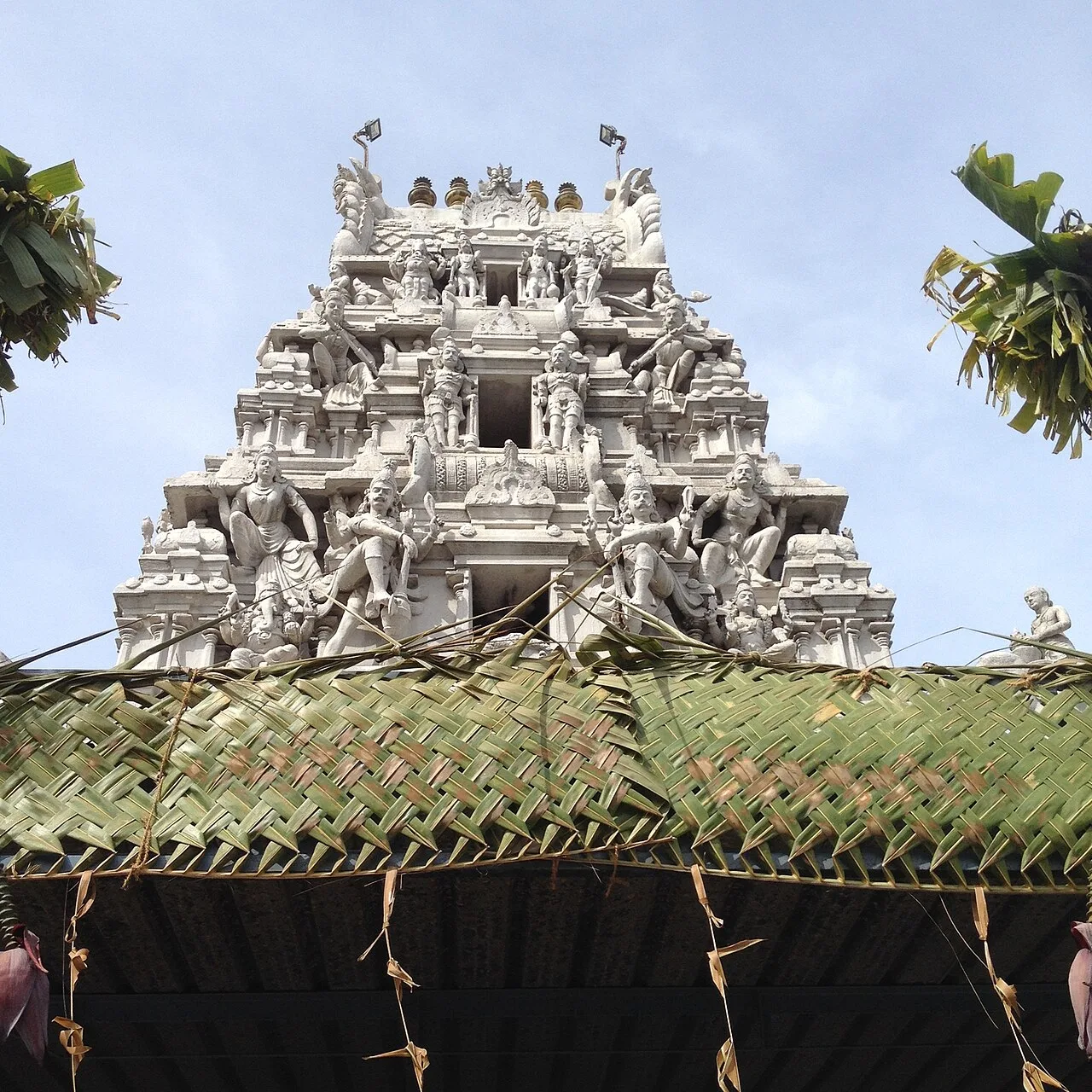
Pongal, celebrated in January, is a major harvest festival, while Tamil New Year falls in April. Vinayagar Chaturthi and Navaratri are observed later in the year, and temple festivals bring neighbourhoods together, often during the warmer months. Music and dance range from Carnatic performances to Tamil folk traditions. Perur Pateeswarar Temple, Marudhamalai Murugan Temple and Eachanari Vinayagar Temple are prominent places of worship; mosques and churches also serve the city’s diverse communities.

Visiting the city

October to February is generally a comfortable period to explore Coimbatore, though warm days are possible year-round. Coimbatore International Airport serves the city, and Coimbatore Junction is its principal railway station. City buses, auto-rickshaws and app-based or hired taxis make it possible to get around; a car can be convenient for temple visits or trips beyond the centre.

Town Hall and the streets around Oppanakara Street are useful for markets and older commercial areas. RS Puram has shops and cafés, while Race Course offers a quieter walking area. Ukkadam is a busy transport and market district, and southern Kurichchi gives a glimpse of the city’s residential and industrial edges. Perur and Marudhamalai are popular excursions within the wider urban area; check local travel conditions before setting out for the hills.

Attractions

Places to visit in Coimbatore

Sights within about 12 km of each other, even when they fall in different districts.

Short trips

Around Coimbatore

Within about 40 km — easy half-day or day trips from the city.

Map

Coimbatore on the map

  1. 1Eachanari Vinayagar Temple
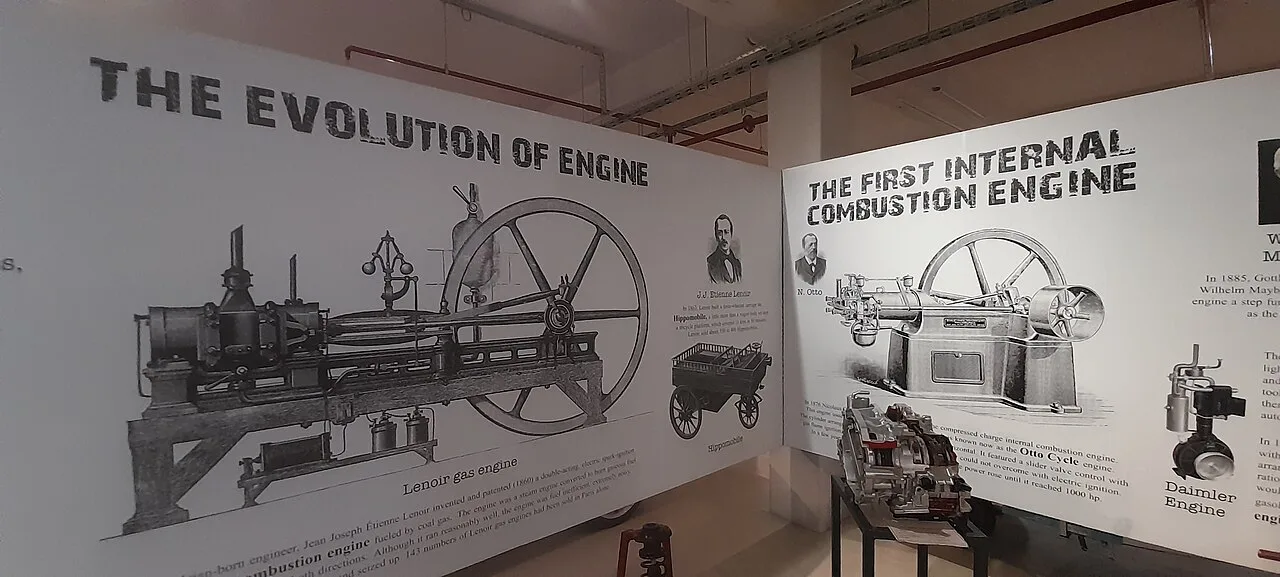
  2. 2Gedee Car Museum
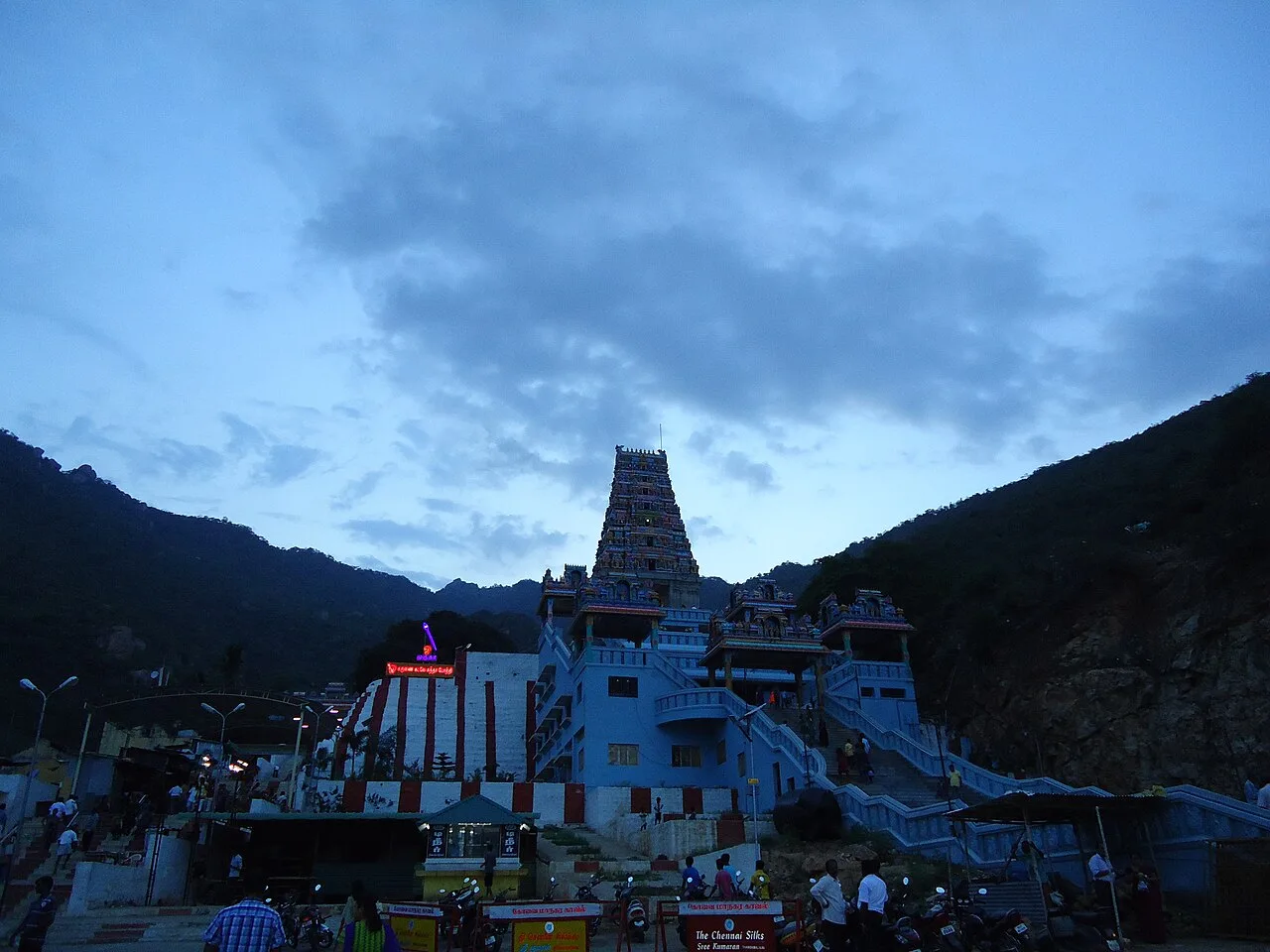
  3. 3Marudamalai Murugan Temple
  4. 4Perur Pateeswarar Temple
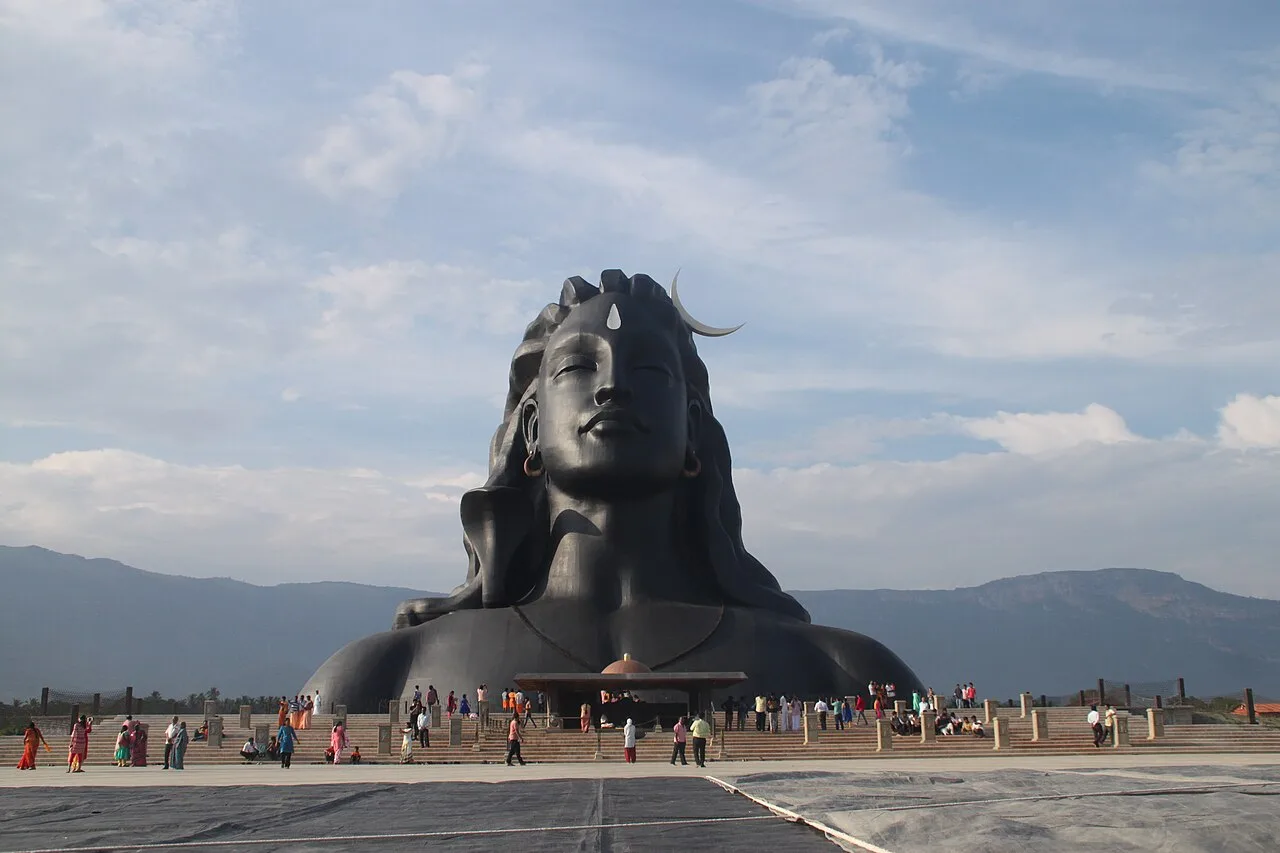
  5. 5Adiyogi Shiva Statue, Coimbatore
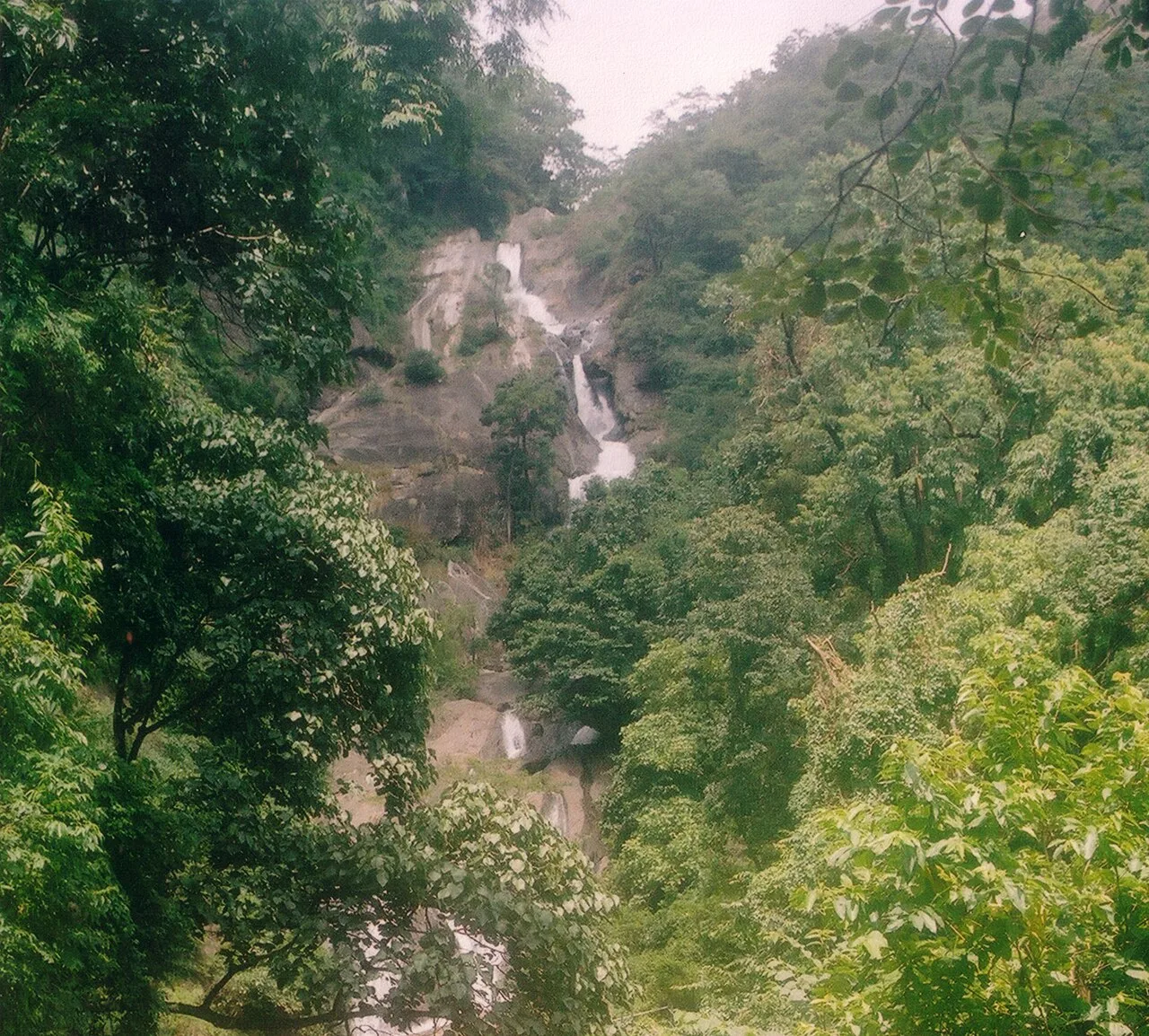
  6. 6Siruvani Waterfalls

Tamil Nadu

Other cities to explore