Ghumoopedia — Explore, Discover, Experience
Sign in
Adi Kumbeswarar Temple, near Kumbakonam

City guide · Tamil Nadu

Kumbakonam

Kumbakonam, also called Kudanthai, is a temple town and an important cultural centre in the Kaveri delta of Tamil Nadu. Set between the Kaveri and Arasalar rivers, it draws pilgrims to its many historic shrines and visitors interested in the region’s architecture, crafts and food.

Famous for

  • Mahamaham festival
  • Kumbakonam temples
  • Kumbakonam degree coffee
  • Kumbakonam betel leaves
  • Swamimalai bronze icons
In the city
4
District
Thanjavur

Why Kumbakonam matters

Kumbakonam, also called Kudanthai, is a temple town and an important cultural centre in the Kaveri delta of Tamil Nadu. Set between the Kaveri and Arasalar rivers, it draws pilgrims to its many historic shrines and visitors interested in the region’s architecture, crafts and food. The Mahamaham festival, held every 12 years around the sacred tank, is a major gathering for worshippers from across India.

The city is also a useful base for exploring nearby temples and heritage sites, including Darasuram and Swamimalai. Its religious life sits alongside a long tradition of learning: during the colonial period, Kumbakonam became known for both Hindu scholarship and Western-style education. Today, its busy streets, temple towers, markets and coffee shops offer a vivid introduction to delta-town life. Kumbakonam degree coffee and the area’s betel leaves are among its best-known local products, while bronze-icon making in nearby Swamimalai reflects a craft tradition closely connected to the town’s temple culture.
Famous for: crafts, trade & products

Kumbakonam is closely associated with its betel leaves, known as Kumbakonam Vetrilai, which have geographical indication recognition. They are grown in the surrounding delta and can be found through local produce sellers and markets. The town is also famous for Kumbakonam degree coffee: look for traditional coffee shops and eateries in the central streets to try a freshly prepared cup. Brass vessels and other metalware are sold by shops in the town, serving both household use and religious practice.

Nearby Swamimalai is a major centre for traditional bronze-icon casting, a craft with GI recognition. Visitors can find workshops and sellers there, as well as in the wider Kumbakonam area. Textile shops in the town offer silk and cotton garments, though Kumbakonam is better known as a temple and craft centre than as a major saree-weaving hub. For everyday shopping, explore the central bazaar streets, where stores and small businesses sell clothing, worship items, metal goods and regional foods. Thanjavur paintings and art plates are also associated with the wider district and may be available through specialist shops.

History

The Kumbakonam region has been inhabited since the Sangam period and is associated with ancient settlements named Kudavayil and Kudanthai. It gained importance under the Cholas; nearby Pazhaiyaarai served as a Chola capital, and the surrounding area remained a centre of royal and religious life. Pandyas, Vijayanagara rulers, the Nayaks of Madurai and Thanjavur, and the Thanjavur Marathas later governed the town and region.

Kumbakonam came under British control in 1799. During the 19th century it developed as a centre for Hindu learning and religious institutions, as well as Western education. Rail connections and expanding trade strengthened its role as a regional town. It became a municipality in 1866 and a municipal corporation in 2021. In modern times, its identity remains shaped by temples, education and delta agriculture. The 2004 fire at a local school, which killed 94 children, remains a painful event in the city’s recent history.

Food, festivals & culture

Tamil is the principal language of daily life; English is also used in many visitor-facing settings. Temple worship, processions and devotional music are central to local culture. Carnatic music has a strong presence across the region, while Bharatanatyam and other classical arts are performed at cultural events and religious celebrations. Kumbakonam’s many temples, including Adi Kumbeswarar and Sarangapani, are active places of worship as well as architectural landmarks.

Pongal, the Tamil harvest festival in January, is celebrated with family gatherings and traditional foods. Temple festivals take place through the year, and the Mahamaham festival—held every 12 years, usually around February or March—is the town’s best-known religious gathering. Navaratri and other Hindu observances also bring music, ritual and processions to the streets. Local food includes rice-based meals, tiffin dishes and sweets such as adhirasam. Kumbakonam degree coffee, prepared with milk and strong coffee decoction, is a much-loved local speciality.

Visiting the city

The cooler months from November to February are generally the most comfortable for exploring; the monsoon period can bring rain, and summers are hot. The nearest major airport is Tiruchirappalli International Airport. Kumbakonam railway station is the main rail station for the city, with bus services connecting it to towns across the delta.

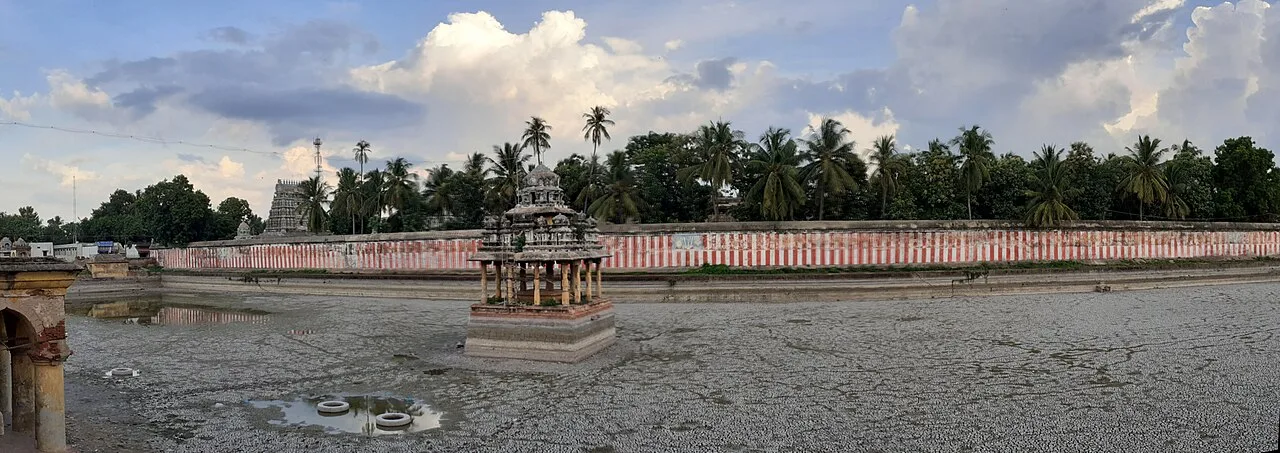
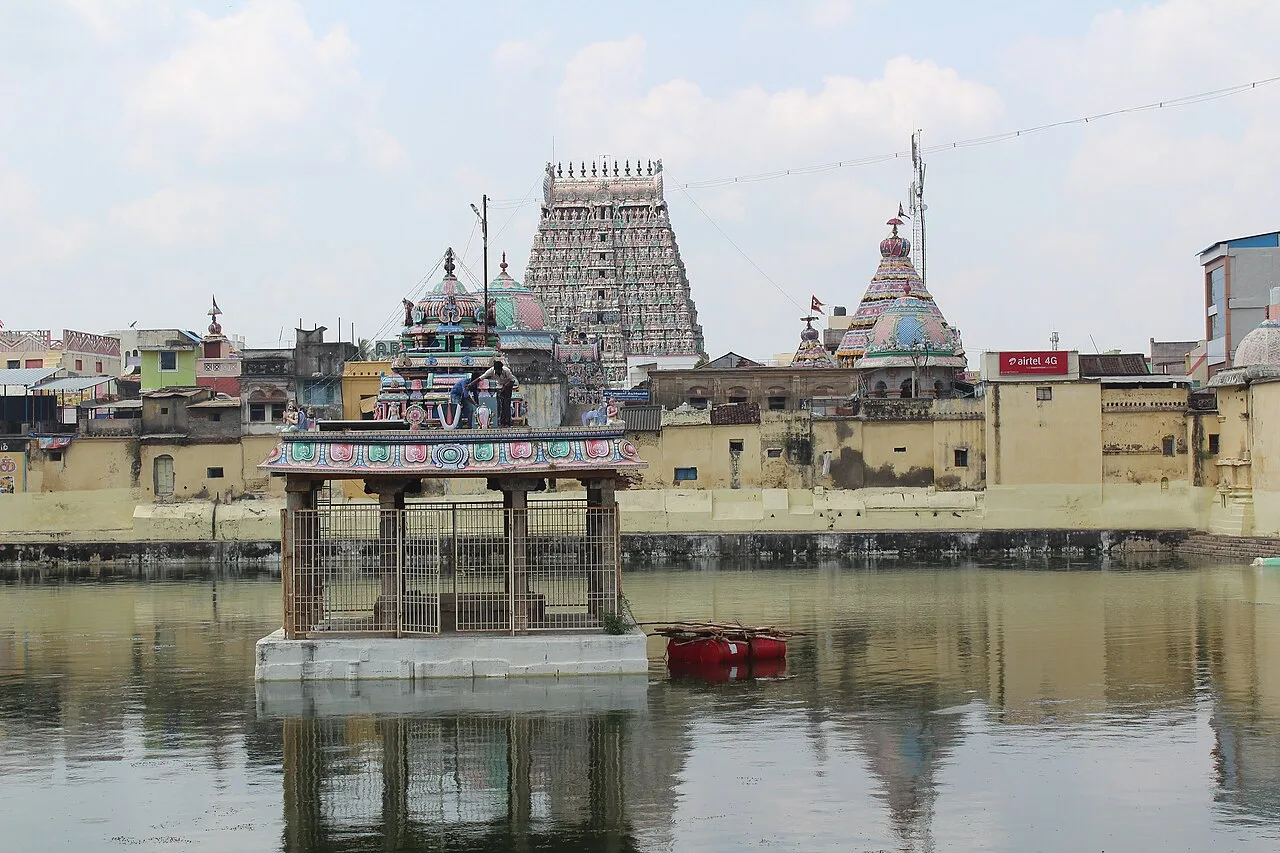
Auto-rickshaws and local buses are useful for getting around, while taxis can help with visits to sites outside the centre. Begin around Mahamaham Tank and the central temple streets, where Adi Kumbeswarar, Sarangapani and local markets are close by. Darasuram and Swamimalai make worthwhile nearby excursions; allow time for the temple architecture at Darasuram and the bronze-casting tradition in Swamimalai. Dress modestly when visiting places of worship and check locally for any visitor rules.

Attractions

Places to visit in Kumbakonam

Sights within about 12 km of each other, even when they fall in different districts.

Map

Kumbakonam on the map

  1. 1Adi Kumbeswarar Temple
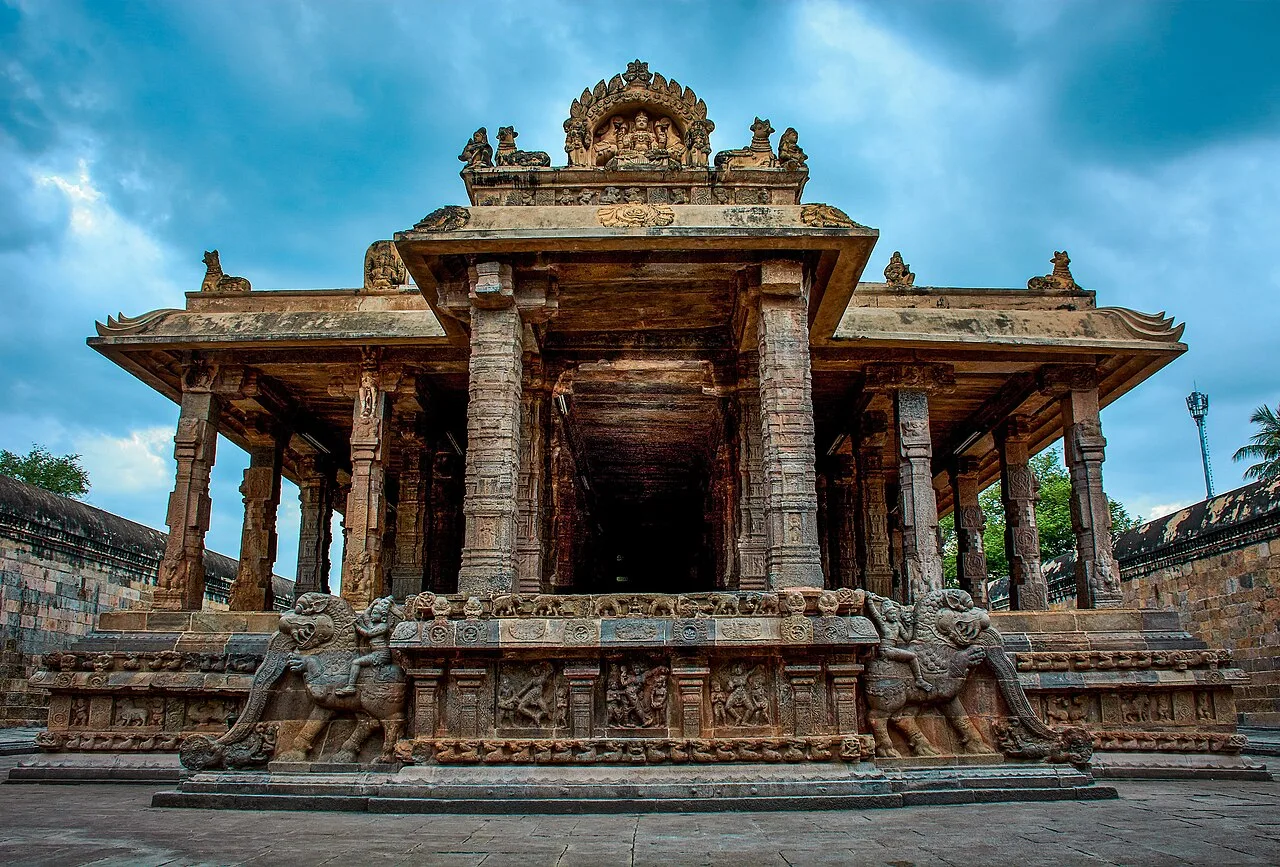
  2. 2Airavatesvara Temple, Darasuram
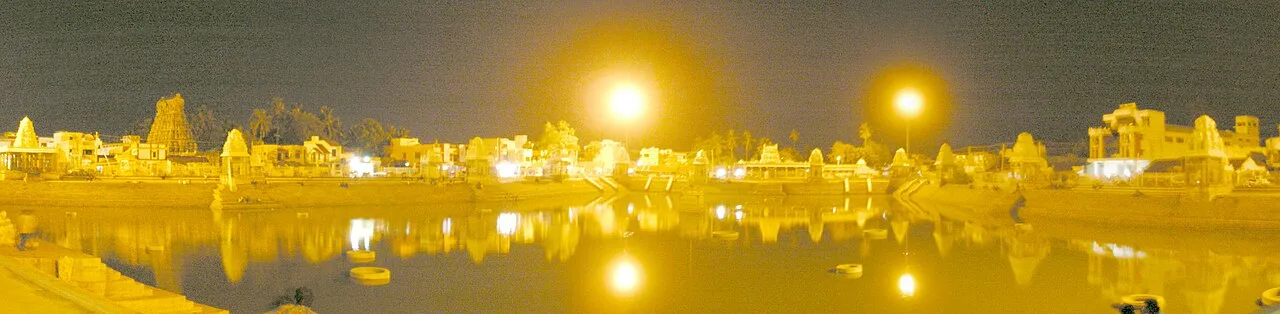
  3. 3Mahamaham Tank, Kumbakonam
  4. 4Nachiyarkoil

Tamil Nadu

Other cities to explore