
Ghumoopedia — Explore, Discover, Experience
Sign in
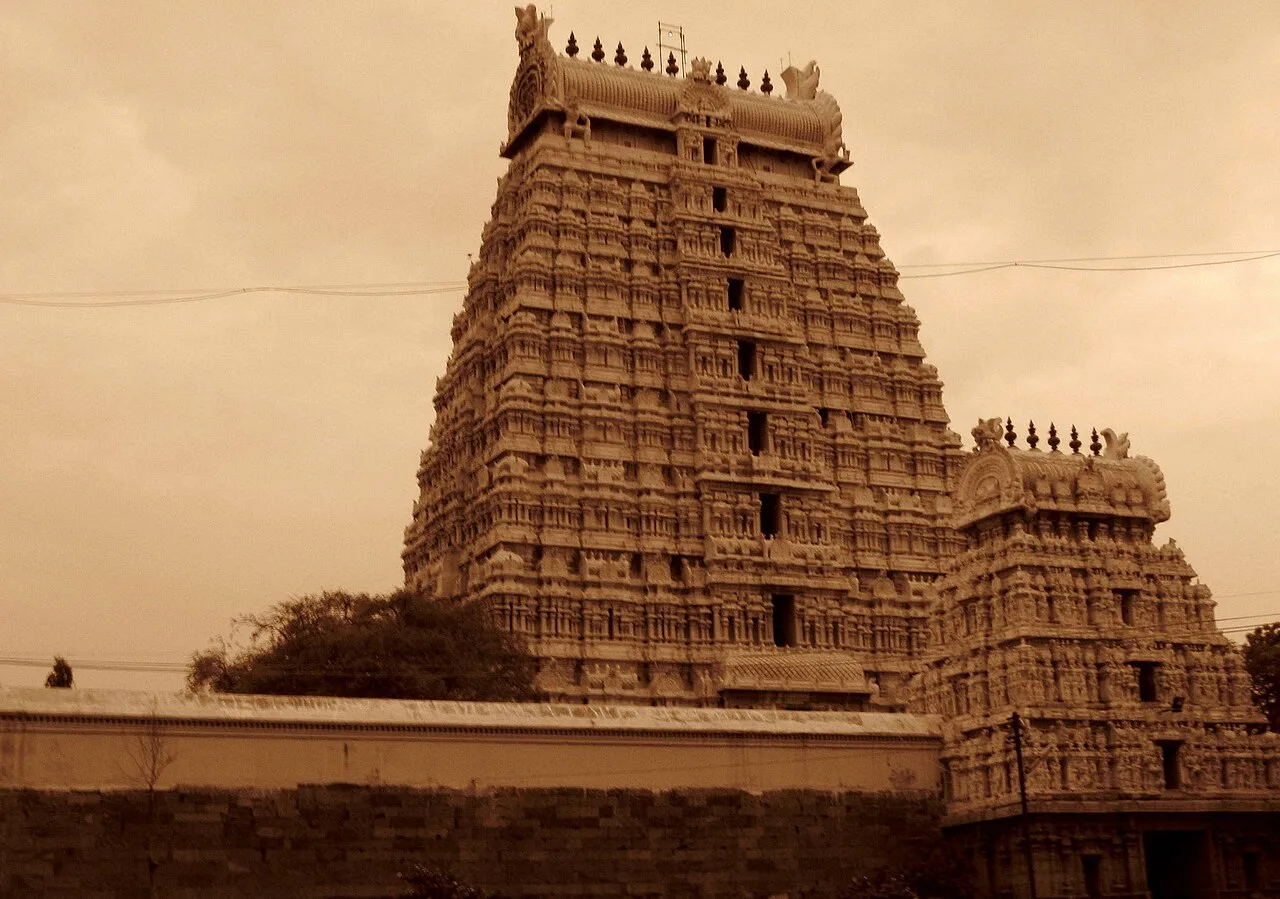
Annamalaiyar Temple, Tiruvannamalai, near Tiruvannamalai

City guide · Tamil Nadu

Tiruvannamalai

Tiruvannamalai is a district headquarters in northern Tamil Nadu and one of South India’s best-known Shaiva pilgrimage centres. Its defining landmark is the Arulmigu Annamalaiyar Temple, set beside sacred Annamalai Hill.

Famous for

  • Arulmigu Annamalaiyar Temple
  • Annamalai Hill
  • Monthly Girivalam
  • Karthigai Deepam festival
  • Spinning mills
In the city
2
District
Tiruvannamalai

Why Tiruvannamalai matters

Tiruvannamalai is a district headquarters in northern Tamil Nadu and one of South India’s best-known Shaiva pilgrimage centres. Its defining landmark is the Arulmigu Annamalaiyar Temple, set beside sacred Annamalai Hill. Devotees regard the hill itself as a form of Shiva, and many walk the Girivalam route around it, especially on full-moon nights. The city’s spiritual calendar reaches a major high point during Karthigai Deepam, when a ceremonial flame is lit atop the hill and draws large crowds.

Beyond pilgrimage, Tiruvannamalai serves as a regional centre for administration, education, retail and services. Its temple streets, markets and visitor facilities support a steady flow of worshippers and travellers, while the surrounding district brings in residents for everyday commerce. The city also has spinning mills and other industrial activity. Its historic temple, living devotional traditions and position on road and rail links between Chennai and Bengaluru make it both a destination and an important local hub.
Famous for: crafts, trade & products

Tiruvannamalai is best known for religious tourism rather than for a single signature textile, handicraft or GI-tagged product. The city has spinning mills and other industrial activity, including units associated with the SIDCO industrial network, as well as a service economy built around retail, visitor accommodation and recreation. Educational institutions also contribute to its role as a district centre.

For everyday shopping, explore the commercial streets around the Annamalaiyar Temple, where shops serve residents, pilgrims and visitors. Flower sellers and shops offering worship supplies, devotional books and souvenirs are part of the temple-area trade. Local markets are useful for daily goods and food, while the city’s retail stores cater to a broader range of needs. Visitors seeking a particular Tamil craft, saree tradition or certified regional product should check the item’s origin and GI status rather than assume it is made locally. Tiruvannamalai’s distinctive economic identity lies in the combination of temple-related commerce, services, education and small-scale industry, rather than in a widely recognised craft export.

History

Tiruvannamalai’s growth has long centred on the Annamalaiyar Temple. Inscriptions record Pallava-era activity, while the temple’s documented history extends to the Chola period. Chola rulers supported the shrine for several centuries, and later Hoysala and Vijayanagara authorities also contributed to its development. Temple inscriptions from successive dynasties record gifts and administration, reflecting the city’s religious and civic importance.

In the eighteenth century, control shifted amid conflict involving the Nawab of the Carnatic, regional powers and European forces. French forces occupied the city in 1757, and the British took control in 1760. Tipu Sultan captured it in 1790; British rule followed during the nineteenth century. The town continued to develop around the temple and its pilgrimage routes. In modern times, Tiruvannamalai has become the administrative headquarters of its district, with expanding education, retail, transport, visitor services and industrial activity supporting its regional role.

Food, festivals & culture

Tamil is the principal language of daily life, worship and commerce; visitors will also encounter people who speak other Indian languages. Religious practice is especially visible around the Annamalaiyar Temple and the hill. Monthly Girivalam brings devotees onto the circumambulation route, with especially large gatherings on full-moon nights. Karthigai Deepam, usually in November or December, is the city’s major annual festival, marked by ceremonies at the temple and a flame lit on the hill. Pongal, celebrated in January, is also observed locally.

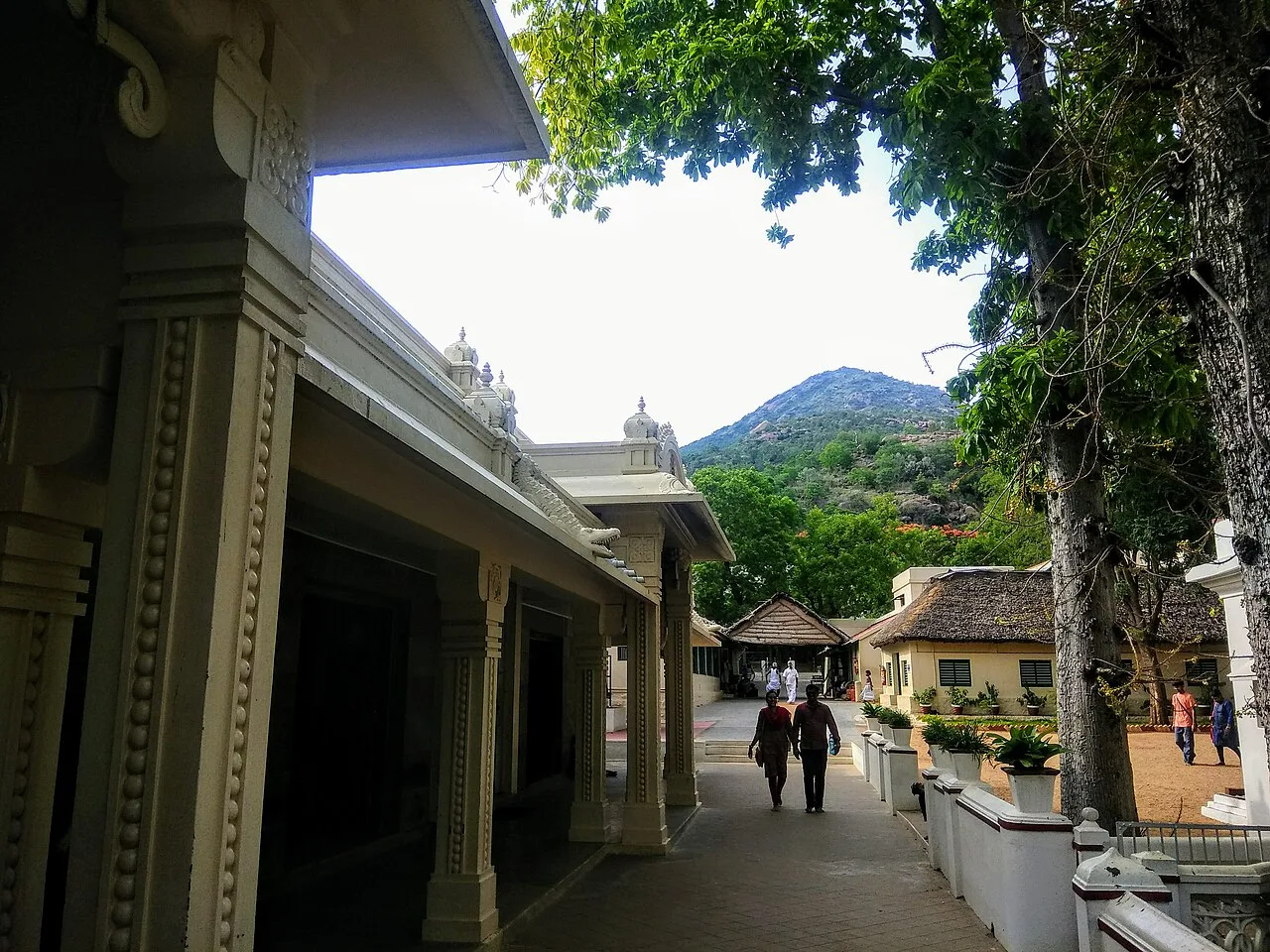
Temple rituals, devotional singing and bhajans shape much of the public cultural life. The Ramana Ashram, near the hill, is another important spiritual centre and attracts visitors interested in meditation and the teachings of Ramana Maharshi. Food is typical of Tamil Nadu: idli, dosa and other tiffin dishes, rice-based meals, snacks and filter coffee are widely available. Sweets and savoury snacks can be found in local shops, though the city is not especially identified with a single signature dish.

Visiting the city

October to February is generally the most comfortable period to visit, with hotter weather from April into June. Karthigai Deepam and full-moon Girivalam are compelling times to experience the city, but expect heavier crowds. The nearest airport is Puducherry Airport, which has limited air services; Chennai International Airport is a larger option with broader connections. Tiruvannamalai railway station serves the city, and road links connect it with Chennai, Bengaluru and nearby towns.

Auto-rickshaws, local buses and taxis are useful for getting around. The temple precinct and surrounding market streets are best explored on foot. The Girivalam route offers a wider circuit around Annamalai Hill, while the Ramana Ashram area provides a quieter visit at the hill’s foot. Allow extra time for road travel and movement near the temple during festival periods.

Attractions

Places to visit in Tiruvannamalai

Sights within about 12 km of each other, even when they fall in different districts.

Map

Tiruvannamalai on the map

  1. 1Annamalaiyar Temple, Tiruvannamalai
  2. 2Sri Ramanasramam

Tamil Nadu

Other cities to explore