
Ghumoopedia — Explore, Discover, Experience
Sign in
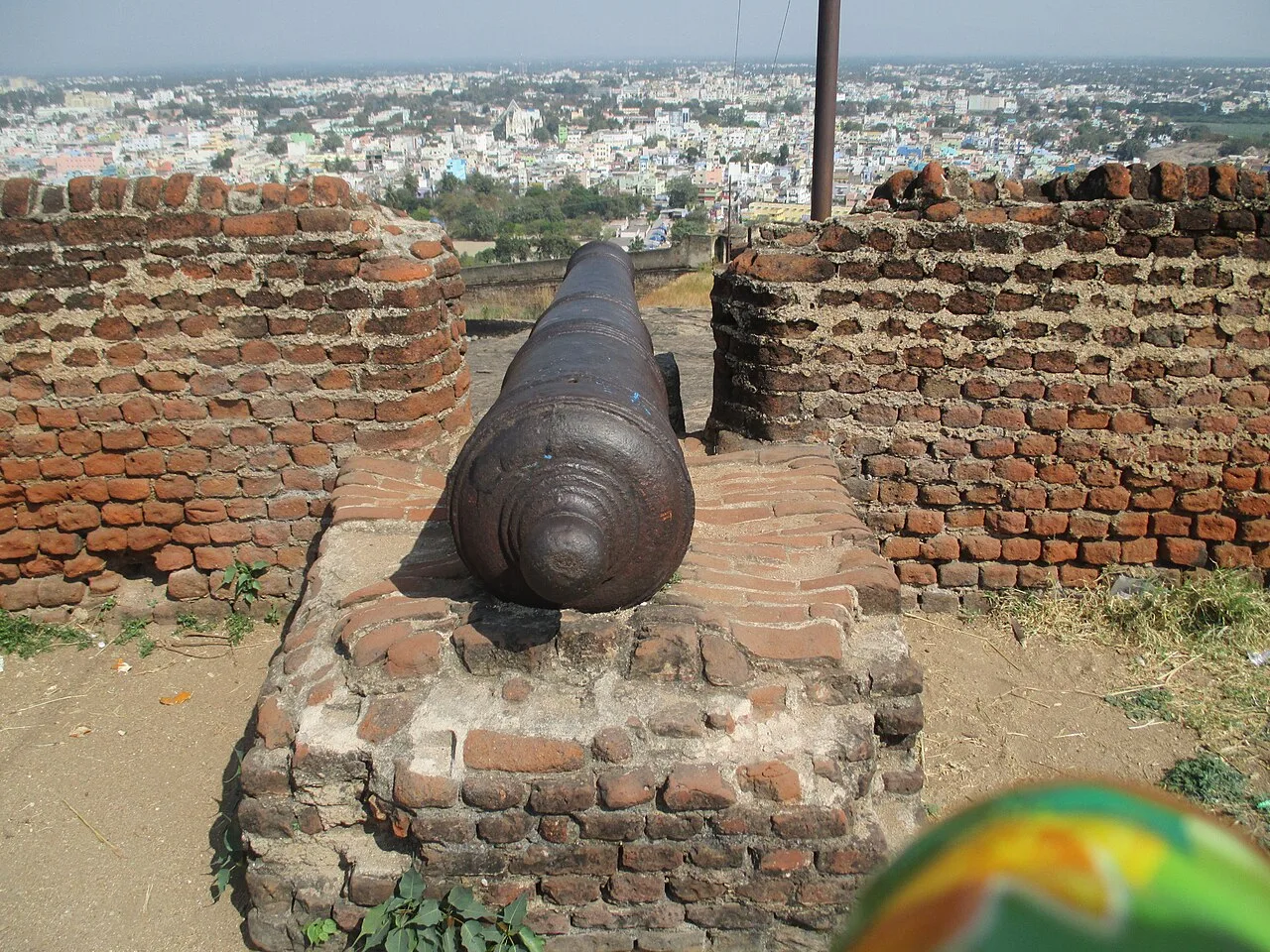
Dindigul Fort, near Dindigul

City guide · Tamil Nadu

Dindigul

Dindigul is an important regional centre in southwestern Tamil Nadu and the administrative headquarters of Dindigul district. Set between the Palani and Sirumalai hills, it combines a busy commercial town with a long history shaped by its position between the old Tamil kingdoms.

Famous for

  • Dindigul Fort
  • GI-tagged Dindigul locks
  • Dindigul-style biryani
  • Leather tanning
  • Textile spinning
In the city
1
District
Dindigul

Why Dindigul matters

Dindigul is an important regional centre in southwestern Tamil Nadu and the administrative headquarters of Dindigul district. Set between the Palani and Sirumalai hills, it combines a busy commercial town with a long history shaped by its position between the old Tamil kingdoms. The rocky Dindigul Fort, rising above the city, is its best-known landmark and a reminder of the strategic role the settlement once played.

Today, visitors come for the fort, historic places of worship and the city’s celebrated biryani. Dindigul is also known for its lock-making tradition, leather industry and textile spinning, while its markets serve surrounding agricultural communities. Its railway and road connections make it a useful stop for exploring the district, including nearby Palani and the Sirumalai hills. The city’s appeal lies in this mix of working-town energy, local food and accessible heritage.

Famous for: crafts, trade & products

Dindigul’s most distinctive craft is its metal lock-making. The city’s locks have a Geographical Indication tag and are produced by specialist makers using traditional skills. Visitors interested in the craft can ask at local lock and hardware shops about Dindigul-made products; availability and designs vary. The city is also associated with leather tanning and goods, textile spinning, agricultural trading and businesses serving the surrounding region.

Dindigul is not chiefly a saree-weaving centre, but textile mills and traders form part of its economy. For everyday shopping, explore the central commercial streets and market areas, where shops sell household goods, clothing, produce and local specialties. The town’s food trade is another draw: restaurants and eateries serve Dindigul-style biryani, known well beyond the district. There is no single visitor market devoted to all these products, so browsing the town centre and asking shopkeepers about locally made locks is a practical way to discover its crafts and trade.

History

Dindigul’s history reflects its position on routes between the Tamil kingdoms. The region was associated at different times with the Cheras, Pandyas and Cholas, and later came under Pallava and Vijayanagara influence. The city’s hill became a strategic stronghold; a fort was built there under the Madurai Nayaks in the early seventeenth century, with later rulers strengthening its defences.

Control changed repeatedly in the eighteenth century, involving the Madurai Nayaks, Chanda Sahib, the Kingdom of Mysore and the British. Haider Ali and Tipu Sultan were among the rulers connected with the fort. British forces occupied Dindigul during their conflicts with Mysore, and it was ceded to the British in the late eighteenth century. Under colonial rule it was administered as part of the Madurai region. After independence, Dindigul developed as a district and commercial centre, with growth in lock-making, leather, textiles, services and agricultural trade. Its municipality became a city corporation in 2014.

Food, festivals & culture

Tamil is the main language of daily life, with other languages also heard in this regional trading centre. Dindigul’s food reputation rests especially on its biryani, served at restaurants across town. Local menus also feature familiar Tamil meals, tiffin dishes and snacks; sweet shops sell festival favourites such as adhirasam and sakkarai pongal alongside other sweets.

Pongal, the harvest festival celebrated in January, is an important time for family gatherings and seasonal observances. Tamil temple festivals take place at different times of year, often with processions, devotional music and folk performances; the wider region also observes festivals such as Deepavali and Tamil New Year in spring. Abirami Amman Temple and Kottai Mariamman Temple are among the city’s notable Hindu places of worship, while mosques and churches reflect its diverse religious life. Carnatic and devotional music, along with folk forms such as karagattam at festival events, contribute to the local cultural scene.

Visiting the city

The cooler months from November to February are generally the most comfortable for exploring Dindigul. Madurai Airport is the nearest major airport; Tiruchirappalli Airport is another option. Dindigul Junction is the city’s main railway station, and buses connect it with towns across Tamil Nadu.

Auto-rickshaws, local buses and taxis are useful for getting around. Begin in the town centre for shops and food, then visit Dindigul Fort and nearby historic places of worship. Begambur is another area to explore for local streets and religious landmarks. The city also makes a practical base for onward trips towards Palani or the Sirumalai hills; check local transport options before setting out.

Attractions

Places to visit in Dindigul

Sights within about 12 km of each other, even when they fall in different districts.

Map

Dindigul on the map

  1. 1Dindigul Fort

Tamil Nadu

Other cities to explore