Ghumoopedia — Explore, Discover, Experience
Sign in
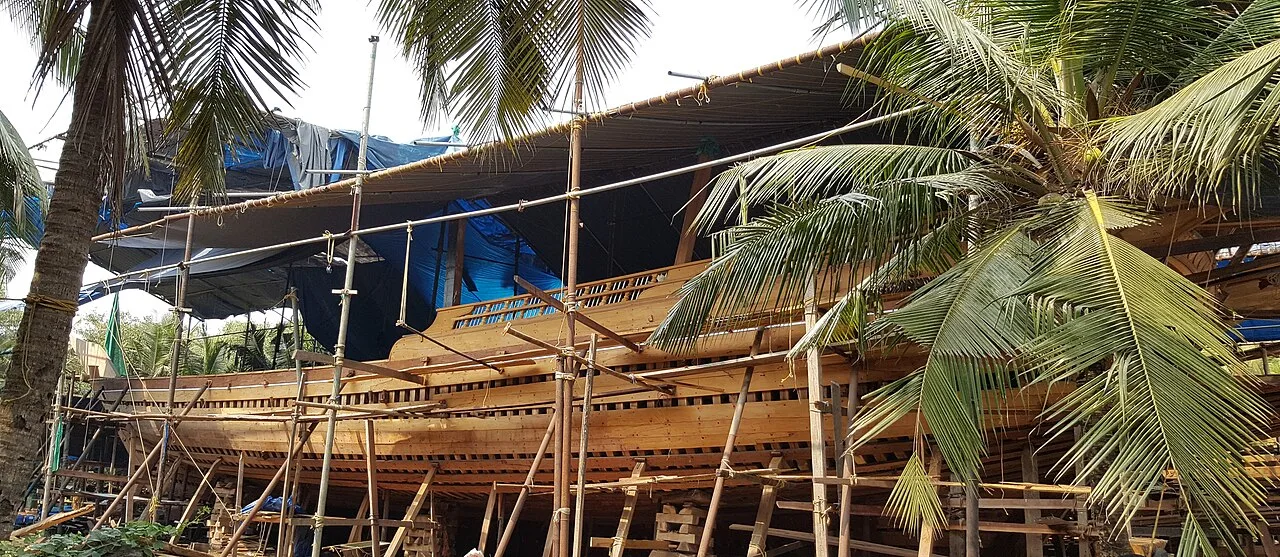
Beypore Port and Uru Yards, near Beypore

City guide · Kerala

Beypore

Beypore is a historic port area in Kozhikode, Kerala, known for its wooden uru shipbuilding tradition. Visitors come to see the harbour, marina and beach, and learn about its maritime past.

Famous for

  • Beypore urus
  • Traditional shipbuilding
  • Historic trading port
  • Beypore Beach
  • Chaliyar estuary
In the city
6
Districts
Kozhikode, Malappuram

Why Beypore matters

Beypore is a coastal neighbourhood of Kozhikode, about 10 kilometres south of the city centre, where the Chaliyar River meets the Arabian Sea. Its working waterfront and long association with seafaring give it a distinct place in Kerala’s maritime story. The town is best known for its urus: large wooden sailing vessels traditionally built for Arab merchants and still made by skilled craftspeople in local yards.

Visitors come to see the shipbuilding tradition, stroll along Beypore Beach and take in the estuary, with Chaliyam lying across the water. The port remains part of the region’s commercial life, while the marina and shoreline add a leisure draw. Beypore is also a convenient stop on a wider Kozhikode visit, combining coastal scenery with links to Malabar’s history of Indian Ocean trade. Its appeal lies less in a busy resort scene than in the meeting of craft, port activity and everyday coastal life.
Famous for: crafts, trade & products

Beypore’s signature craft is the uru, a substantial wooden dhow traditionally made for trade and fishing. Shipwrights shape and assemble the vessels in waterfront yards using inherited techniques; teak, once sourced from Nilambur, is now commonly brought from elsewhere. The craft is the town’s most distinctive product, rather than textiles or sarees, and no particular GI-tagged textile or handicraft is associated with Beypore.

The best place to understand the work is around the boatbuilding yards and port waterfront, where activity varies and entry may depend on the yard. Ask locally before approaching a worksite, and respect workers’ privacy and safety. Some urus are built for export and others have been adapted for tourism. Beypore’s port has long handled trade with the Middle East, though it is not chiefly a retail market for visitors. For regional spices, sweets and other Malabar products, Kozhikode’s established markets offer a broader choice. The craft itself is the main reason to seek out Beypore-made goods; visitors should confirm the maker and provenance of any small wooden souvenir.

History

Beypore’s setting at the Chaliyar estuary made it a natural point of exchange. The wider Kadalundi–Chaliyam–Beypore coast is often associated with the ancient port of Tyndis, described in classical accounts of trade between the Malabar coast and the Roman world. In later centuries, Arab merchants and other seafarers traded here, and the port became known for wooden shipbuilding. The town has also been called Vaypura, Vadaparappanad and Beydary; Tipu Sultan is said to have named it Sultan Pattanam.

In the medieval period, Beypore was linked to the Parappanad royal family. European commercial influence expanded in the colonial era, including the East India Company’s role in shipbuilding. A railway connection from Tirur reached the Beypore–Chaliyam area in 1861, reflecting the coast’s growing transport links. Port land was acquired in the 1960s, and Beypore later became part of Kozhikode Municipal Corporation. Today, its port and boatyards carry forward its maritime identity.

Food, festivals & culture

Beypore shares the food traditions of the Kozhikode and wider Malabar coast. Seafood, rice dishes, biryani, pathiri and coconut-rich curries are common regional favourites; Kozhikode halwa is a well-known sweet to seek out in the city’s shops. Menus and family cooking vary, but fish and other coastal ingredients are central to the local table.

Malayalam is the main language, with English understood in many visitor-facing settings. Mappila Muslim heritage is an important part of the area’s culture, expressed through devotional traditions, Mappila songs and performance forms such as oppana. Onam, usually celebrated in August or September, and Vishu in April are observed across Kerala; Eid celebrations follow the Islamic calendar, while local temple festivals take place at different times of year. The neighbourhood’s mosques and temples, along with places of worship across the nearby Kozhikode area, reflect a diverse coastal community. Visitors should dress and behave respectfully at religious sites.

Visiting the city

The cooler, drier months from November to February are generally comfortable for exploring the waterfront; monsoon weather from June to September can bring heavy rain and rough seas. Kozhikode International Airport at Karipur is the nearest airport. Kozhikode (Calicut) railway station is the main rail hub for the area, while Feroke station is closer to Beypore.

Buses, taxis and auto-rickshaws connect Beypore with Kozhikode and nearby neighbourhoods. Explore the port-side boatbuilding yards, Beypore Beach and the shoreline around the Chaliyar estuary; Chaliyam is across the water. Check locally before entering working yards, as access is not guaranteed. Kozhikode city makes a useful base for combining Beypore with markets, food stops and other regional sights.

Attractions

Places to visit in Beypore

Sights within about 12 km of each other, even when they fall in different districts.

Map

Beypore on the map

  1. 1Beypore Port and Uru Yards
  2. 2Kadalundi Bird Sanctuary
  3. 3Kozhikode Beach
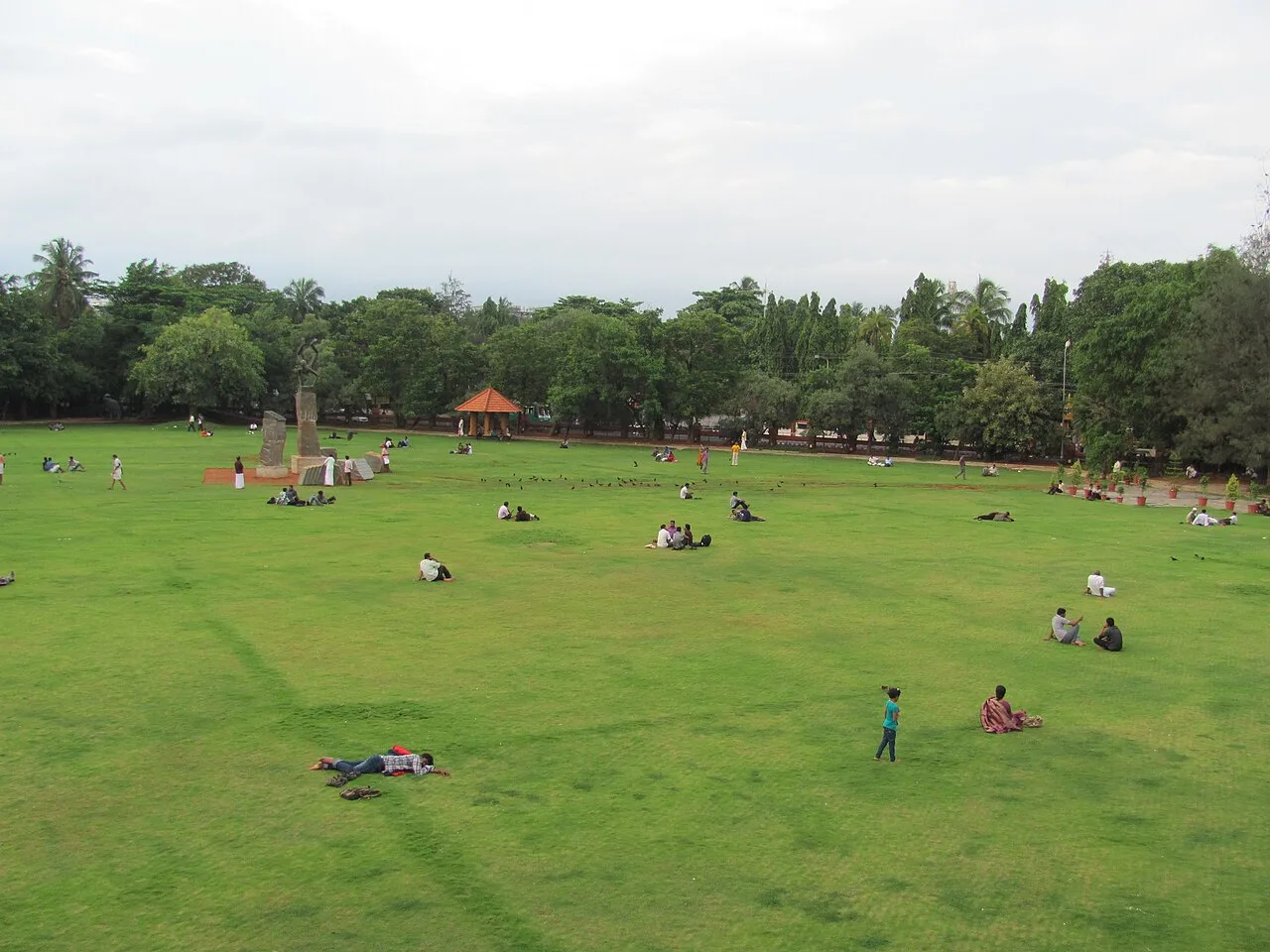
  4. 4Mananchira
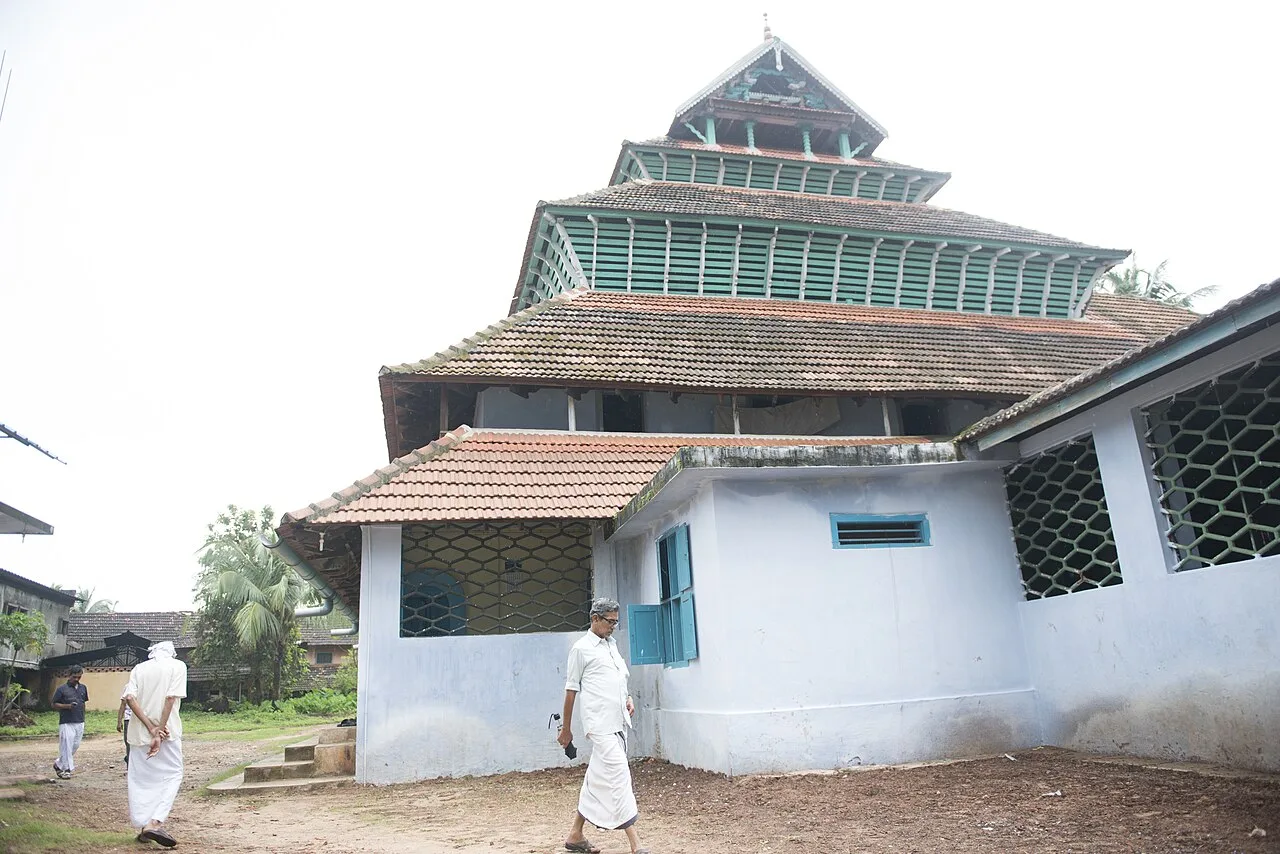
  5. 5Mishkal Mosque, Kozhikode
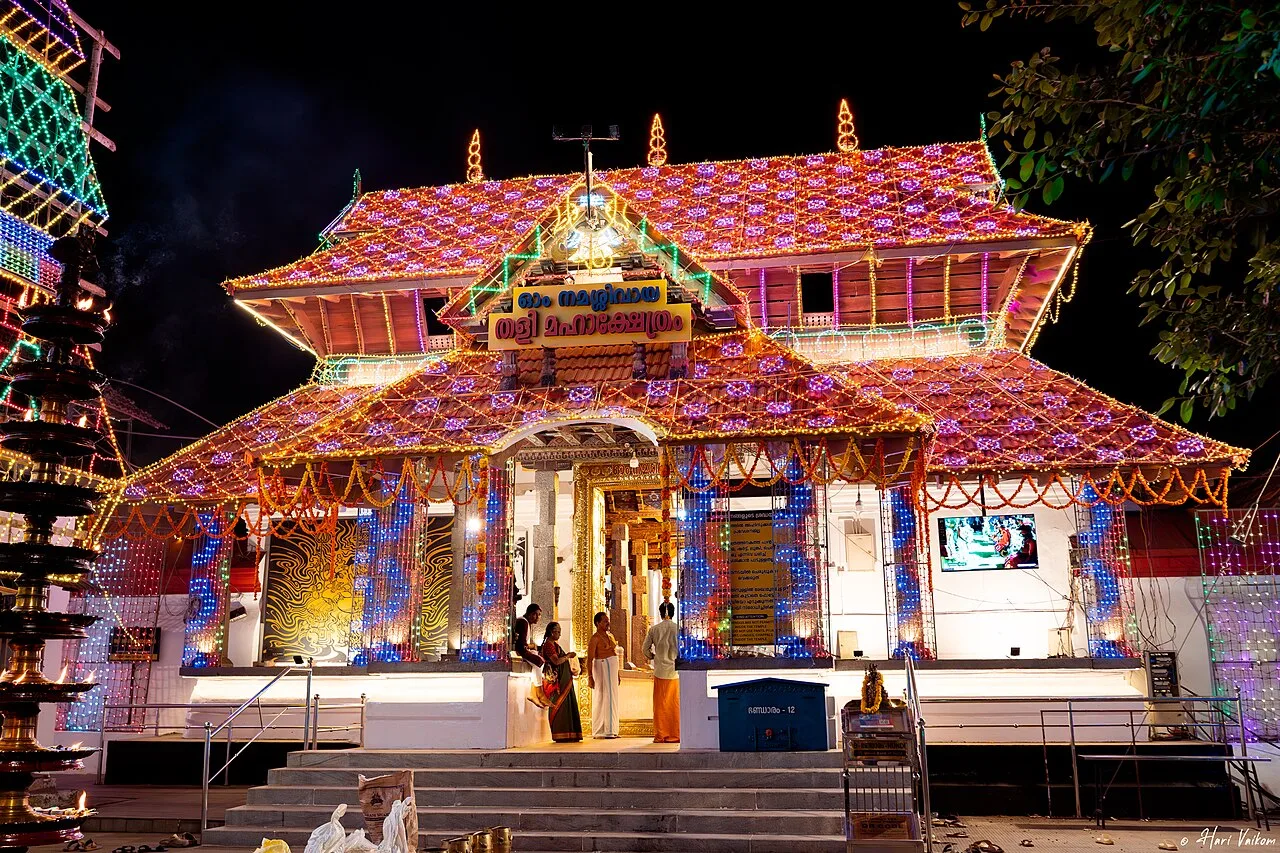
  6. 6Tali Shiva Temple

Kerala

Other cities to explore