Ghumoopedia — Explore, Discover, Experience
Sign in
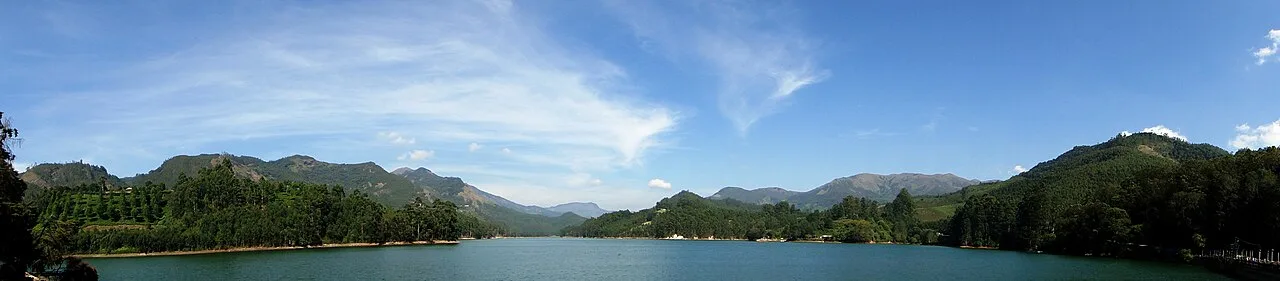
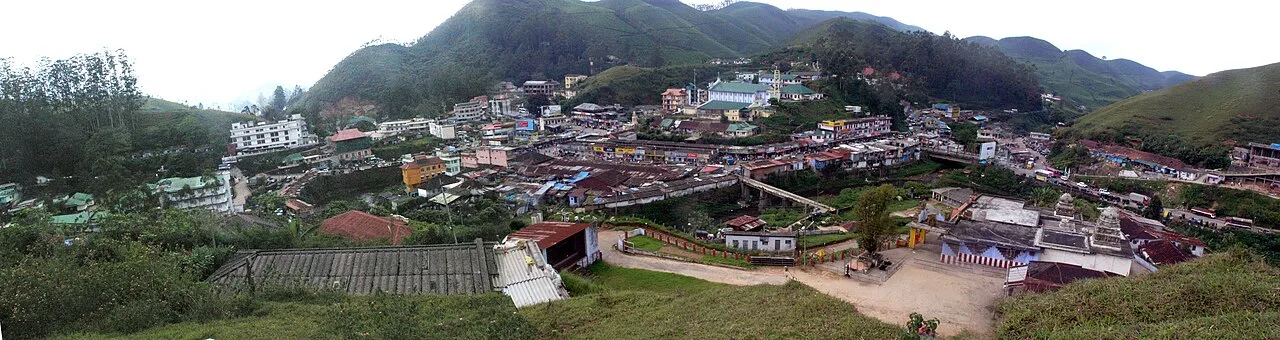
Munnar Hill Station, near Munnar

City guide · Kerala

Munnar

Munnar is a Kerala hill station in the Western Ghats, visited for its elevated setting and its long association with tea plantations.

Famous for

  • Tea plantations
  • Western Ghats scenery
  • Cardamom and spices
  • Eravikulam National Park
  • Highland viewpoints
In the city
4
District
Idukki

Why Munnar matters

Munnar is a hill town in Kerala’s Idukki district, set at about 1,600 metres in the Western Ghats. Its name is commonly understood to mean “three rivers,” referring to the meeting of the Muthirapuzha, Nallathanni and Kundali rivers. The surrounding hills, cool highland climate and extensive tea estates have made it one of Kerala’s best-known mountain destinations.

Tea remains central to Munnar’s identity and economy, while tourism brings visitors to its plantations, viewpoints, waterfalls and nearby wildlife habitats. The town also serves as a base for exploring places such as Eravikulam National Park, Mattupetty and Top Station. Its landscape reflects both the natural high ranges and the plantation economy that shaped the region. Munnar is not a large urban centre; its importance lies in connecting estate communities and visitors with the hill country, and in showcasing a distinctive part of Kerala’s Western Ghats.
Famous for: crafts, trade & products

Tea is Munnar’s signature product. Estates across the hills produce black tea and other varieties, sold in shops around the town and through estate outlets. Visitors can learn about cultivation and processing at tea museums and estate visitor centres; packaged tea makes a popular local purchase. The surrounding high ranges also grow cardamom and other spices, including pepper, cloves and cinnamon, which are available from local shops and markets.

Munnar is not especially known as a textile, saree or handicraft centre, and shoppers should be wary of claims that a product has a special geographical designation unless it is clearly verified. Instead, its trade is closely tied to plantations and tourism: tea, spices, locally made snacks and souvenirs are common finds in the town centre. Some estates and visitor attractions offer opportunities to see tea production, though access and sales vary. For a broader choice of Kerala goods, travellers can shop in larger towns on the route to or from Munnar.

History

The high ranges around Munnar have long been home to Indigenous communities, including the Malayarayan and Muthuvan. British surveys of the area took place in the early nineteenth century, and later explorers assessed the hills for plantations. From the late 1870s, forests were cleared for commercial cultivation; tea estates expanded through the 1880s, alongside coffee and other crops. Estate settlements and the town grew to support plantation work and trade.

Transport links developed to move supplies and tea between the hills and the lowlands. A railway opened in 1909, but a major flood in 1924 damaged its track and roads. Roads later became the principal link. After Indian independence, Indian interests took over the estates, and the tea industry continued to shape local life. In the decades that followed, plantation tourism and Munnar’s reputation as a hill station grew alongside tea production.

Food, festivals & culture

Malayalam is the main language of Kerala, while Tamil is also widely spoken in Munnar, reflecting the area’s close links with Tamil Nadu and its plantation workforce. Food draws on Kerala and Tamil influences: visitors will find rice-based meals, puttu with kadala curry, appam with stew, dosa and idiyappam. Tea is part of everyday life, and shops often sell locally made snacks; Munnar is not especially associated with a distinct regional sweet.

Onam, usually celebrated in August or September, is a major Kerala festival, while Vishu falls in April and Christmas is observed by Christian communities. Celebrations may include family gatherings, special meals, decorations and worship. Temples, churches and mosques serve residents across the town and surrounding settlements. Kerala performance traditions such as Kathakali and Mohiniyattam may be presented for visitors, while music and dance are also part of festival and community occasions. Plantation work and tourism both influence the rhythms of daily life.

Visiting the city

October to March is generally a comfortable time to visit, with cooler weather and less rain than during the monsoon. June to September can bring heavy showers, mist and disrupted hill-road travel, though the landscape is especially green. Cochin International Airport is the nearest major airport. Bodinayakanur is the nearest railway station; Ernakulam Junction is a major rail hub in Kerala, with onward travel by road.

Munnar is reached by winding mountain roads, and local taxis, tour vehicles and buses can help visitors get around. The town centre is convenient for shops and services. Explore the tea-growing slopes around Nallathanni, and plan road trips to Mattupetty, Top Station, Devikulam and Eravikulam National Park. Distances can take longer than they appear on a map because of bends and elevation changes.

Attractions

Places to visit in Munnar

Sights within about 12 km of each other, even when they fall in different districts.

Map

Munnar on the map

  1. 1Munnar Hill Station
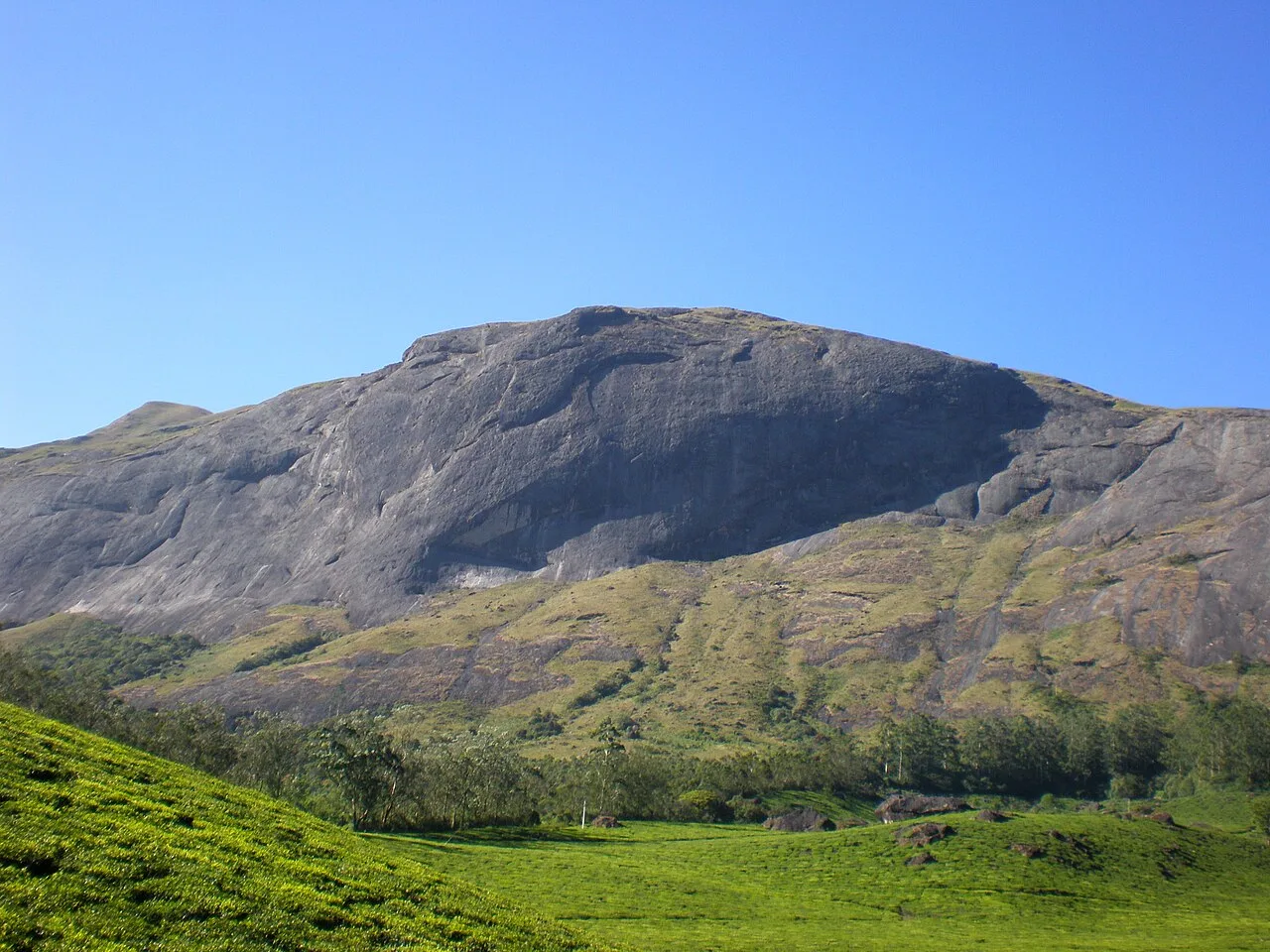
  2. 2Anamudi
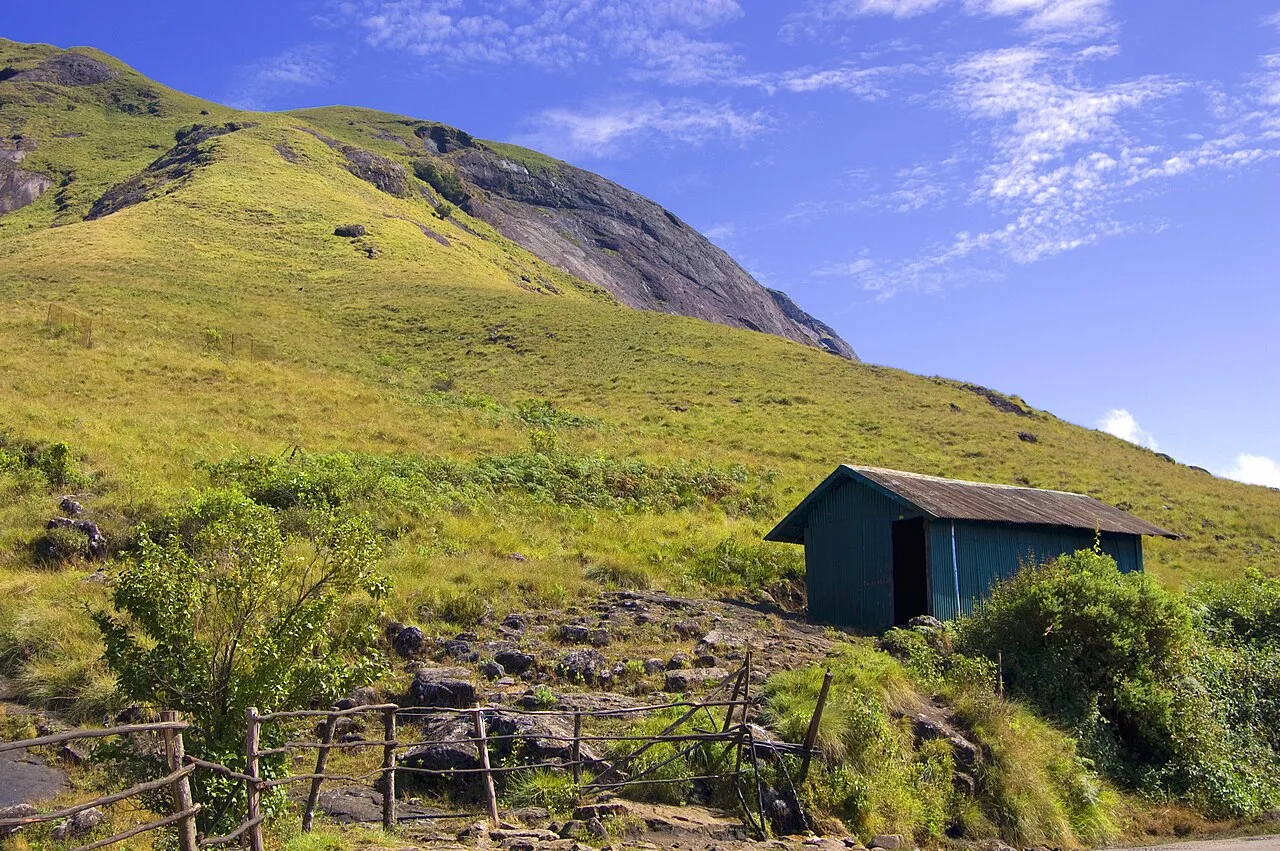
  3. 3Eravikulam National Park
  4. 4Mattupetty Dam

Kerala

Other cities to explore