
Ghumoopedia — Explore, Discover, Experience
Sign in
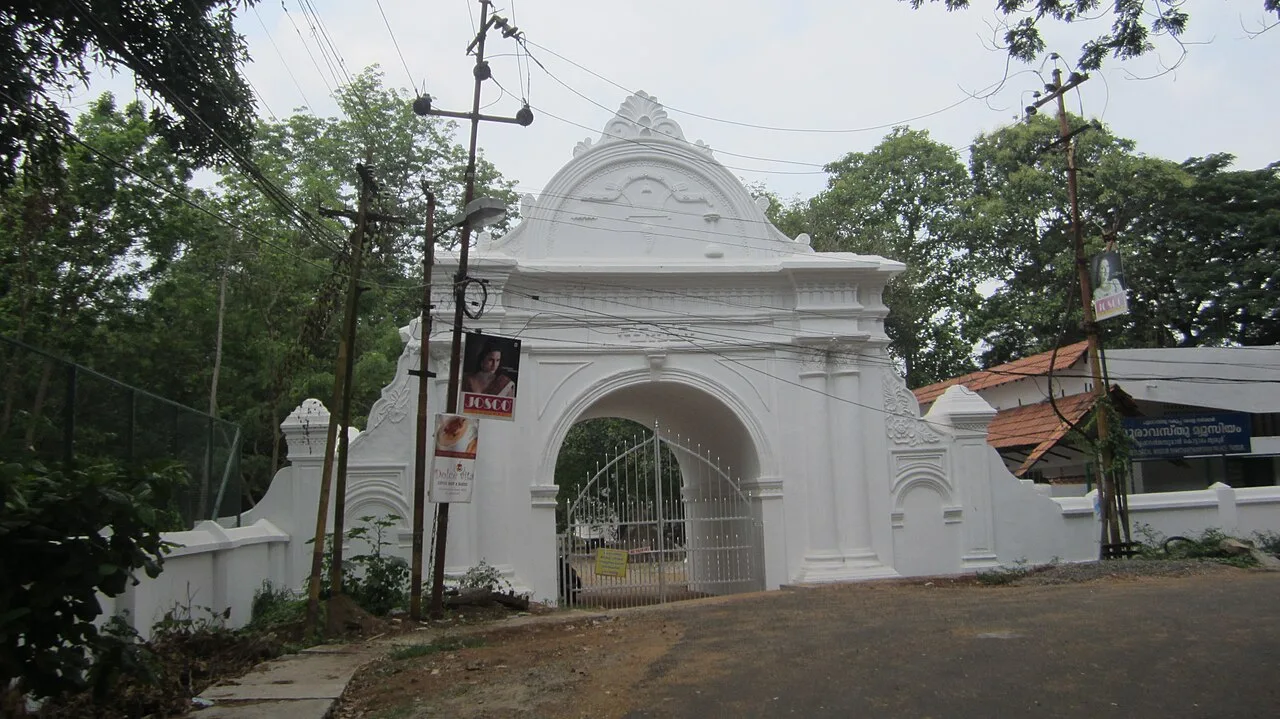
Shakthan Thampuran Palace, near Thrissur

City guide · Kerala

Thrissur

Thrissur is a cultural and commercial centre in central Kerala, serving as the headquarters of its district and an important hub for surrounding towns and villages. The city’s identity is closely tied to Thekkinkadu Maidanam, a wooded hill at its heart, and the Vadakkumnathan Temple within it.

Famous for

  • Thrissur Pooram
  • Vadakkumnathan Temple
  • Kuthampully handloom
  • Gold jewellery making
  • Kerala Kalamandalam
In the city
2
District
Thrissur

Why Thrissur matters

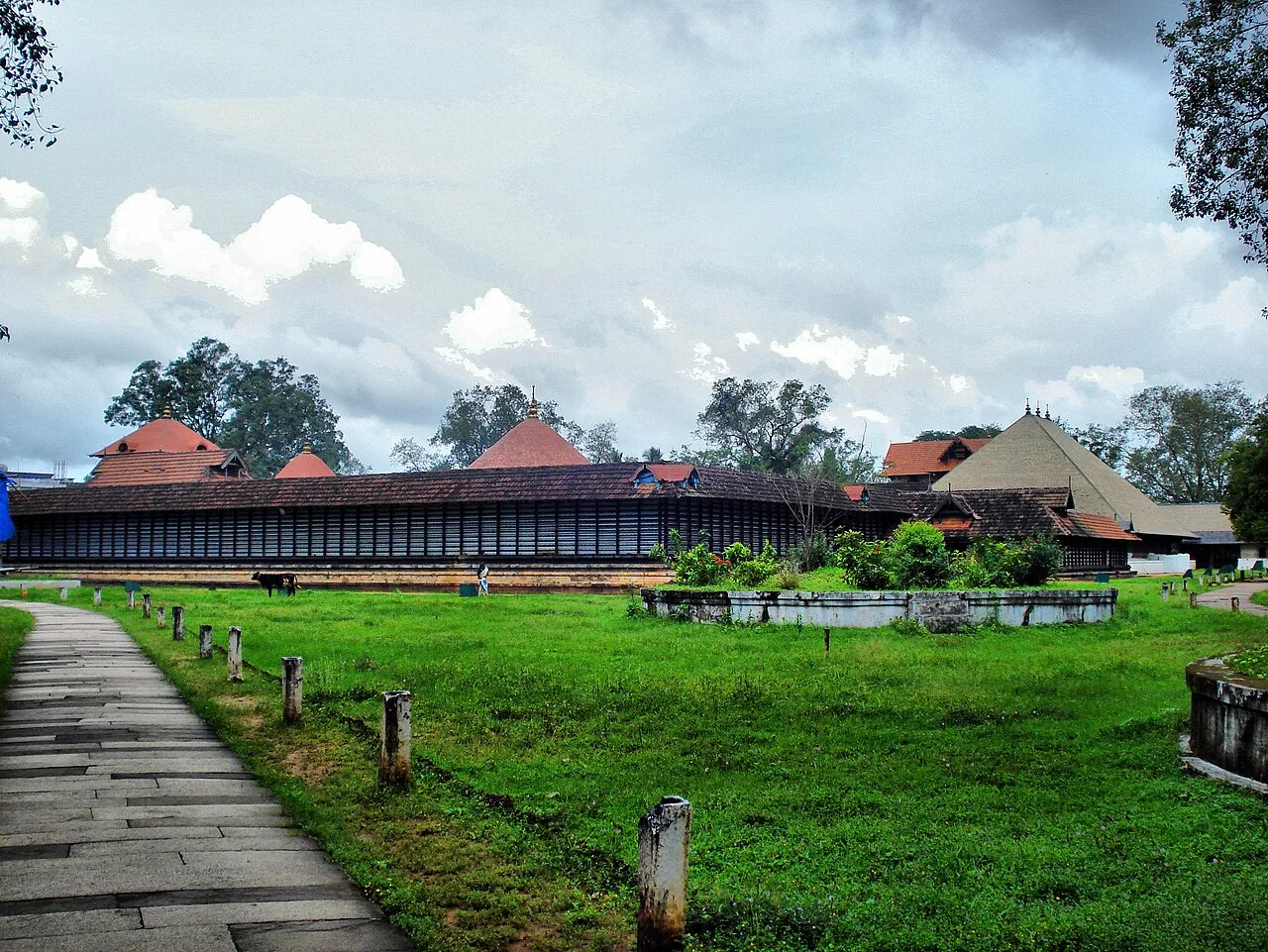
Thrissur is a cultural and commercial centre in central Kerala, serving as the headquarters of its district and an important hub for surrounding towns and villages. The city’s identity is closely tied to Thekkinkadu Maidanam, a wooded hill at its heart, and the Vadakkumnathan Temple within it. Each year, the maidan becomes the setting for Thrissur Pooram, a major temple festival known for its processions, percussion ensembles and decorated elephants.

Visitors come for the city’s temples, churches, museums and performing-arts institutions, as well as its lively central streets. Thrissur is also a long-established centre for gold jewellery, textiles, banking and education. Institutions such as the Kerala Sangeetha Nataka Akademi and Kerala Sahitya Akademi reflect its role in the state’s artistic and literary life. The city’s combination of religious traditions, festival culture and everyday commerce makes it a useful base for exploring central Kerala, including cultural destinations elsewhere in the district.
Famous for: crafts, trade & products

Thrissur is especially associated with gold jewellery manufacturing and trade. Workshops across the city make gold ornaments, while jewellery showrooms are concentrated around the central shopping streets and Swaraj Round. The city is also a destination for silk and other textiles, with clothing shops in and around the centre. Local markets and shops offer everyday Kerala goods alongside festival clothing, jewellery and household items.

In the wider district, Kuthampully is known for handwoven mundu and set-mundu; its handloom textiles have a Geographical Indication tag. Visitors can explore the village’s weaving tradition and look for its products in specialist shops. Thrissur’s craft and cultural identity is also visible in the instruments, costumes and ceremonial objects used in temple festivals and classical performances. The city hosts major cultural institutions, including the Kerala Sangeetha Nataka Akademi, Kerala Lalithakala Akademi and Kerala Sahitya Akademi. For performing arts, Kerala Kalamandalam in Cheruthuruthy, in the district, is a major centre for training and presentation.

History

Archaeological remains, including megalithic monuments in the region, point to settlement in and around Thrissur in ancient times. The area later formed part of the Kingdom of Cochin and experienced Portuguese and Dutch influence along Kerala’s coast, as well as incursions by the rulers of Mysore.

Thrissur’s prominence grew under Sakthan Thampuran, ruler of Cochin from 1769 to 1805, who made it the kingdom’s capital and encouraged merchants and communities to settle there. The city developed as a centre of trade and administration. Cochin later came under British protection, and Thrissur grew further during the colonial period, with civic buildings and the central road layout taking shape. The city also took part in the Indian independence movement; Mahatma Gandhi visited in 1927 and 1934. After India became independent in 1947, Thrissur remained within the former Cochin state. Thrissur district was established in 1949, with the city as its headquarters.

Food, festivals & culture

Malayalam is the main language of daily life; English is also used in education, business and tourism. Thrissur’s food reflects Kerala’s broader culinary traditions: visitors will find rice-based meals and sadya, appam with curry, puttu, seafood, banana chips and sweets such as unniyappam and payasam. Restaurants and small eateries around the centre serve both local dishes and familiar South Indian fare.

The best-known celebration is Thrissur Pooram, usually held in April or May. Its processions, percussion ensembles and ceremonial displays fill Thekkinkadu Maidanam and the streets around the Vadakkumnathan Temple. Onam, generally in August or September, is marked with festive meals and cultural events; Eid and Christmas are also celebrated across the city. Chenda melam and panchavadyam are prominent in festival music, while classical dance and theatre are represented by local academies and performance venues. Important places of worship include Vadakkumnathan, Paramekkavu and Thiruvambadi temples, as well as the Our Lady of Dolours Basilica and other historic churches.

Visiting the city

November to February is generally the most comfortable season to visit, with less rain and cooler conditions than the monsoon months. April and May bring the excitement of Thrissur Pooram, but the city is busy and warm then; southwest monsoon rains usually arrive around June. Cochin International Airport at Nedumbassery is the nearest major airport, and Thrissur railway station is the city’s principal rail hub.

Auto-rickshaws, buses and taxis are useful for getting around; the central sights are relatively close together. Start around Swaraj Round and Thekkinkadu Maidanam for the Vadakkumnathan Temple and nearby cultural landmarks. Sakthan Thampuran Palace offers a glimpse of the city’s royal history, while the shopping streets around the centre are good for textiles and jewellery. Poonkunnam and the areas around the main temples are also worth exploring. For a wider itinerary, consider day trips to cultural and natural attractions elsewhere in Thrissur district.

Attractions

Places to visit in Thrissur

Sights within about 12 km of each other, even when they fall in different districts.

Map

Thrissur on the map

  1. 1Shakthan Thampuran Palace
  2. 2Vadakkunnathan Temple

Kerala

Other cities to explore