
Ghumoopedia — Explore, Discover, Experience
Sign in
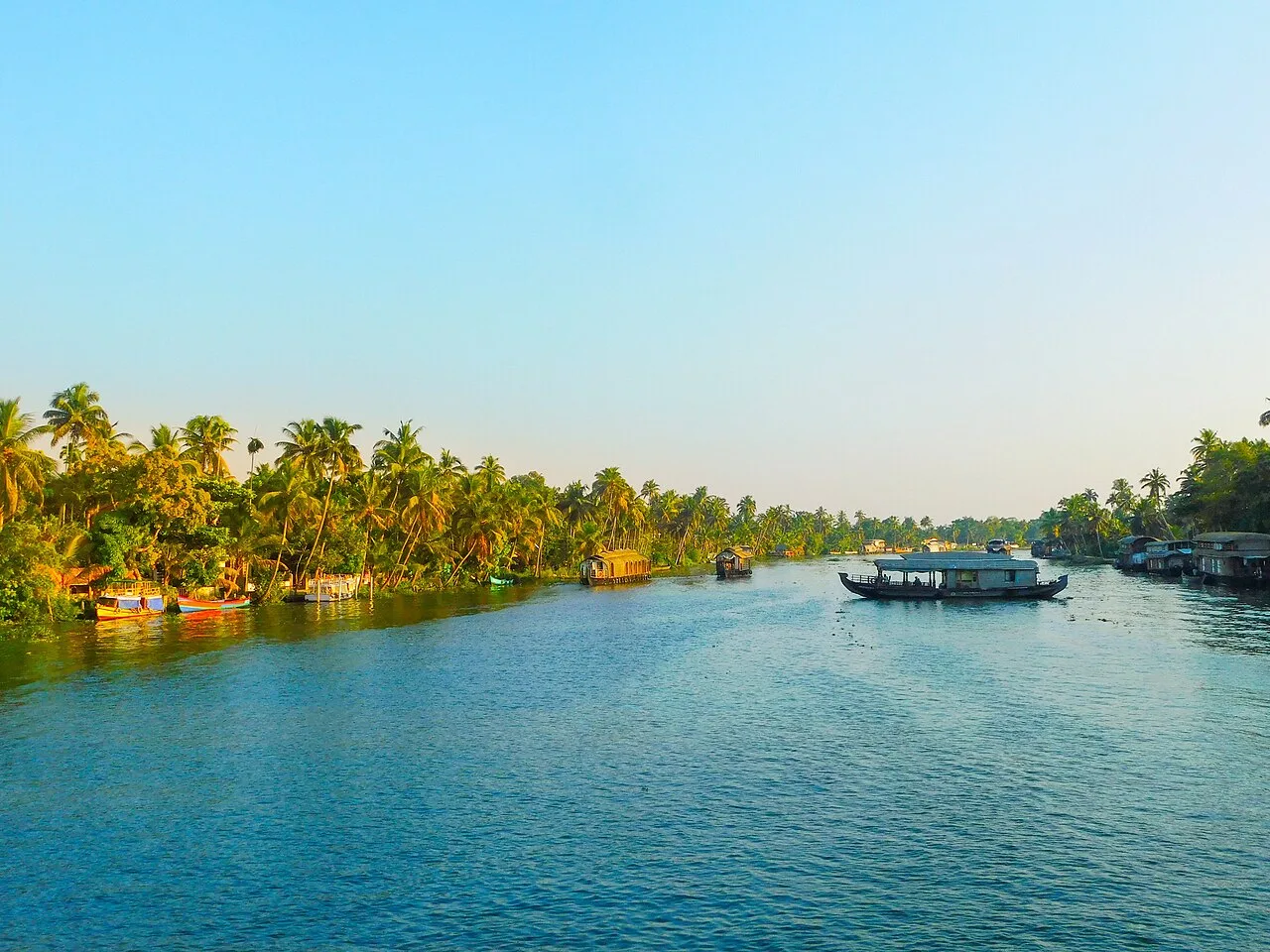
Kumarakom Backwaters, near Kumarakom

City guide · Kerala

Kumarakom

Kumarakom is a lakeside village in Kerala’s Kottayam district, set beside Vembanad Lake, the state’s largest lake. Its network of canals, reed-lined shores and low-lying waterways makes it one of the region’s best-known backwater destinations.

Famous for

  • Vembanad Lake backwaters
  • Houseboat cruises
  • Kumarakom Bird Sanctuary
  • Kerala-style fish cuisine
  • Ayemenem literary connections
In the city
2
Districts
Kottayam, Alappuzha

Why Kumarakom matters

Kumarakom is a lakeside village in Kerala’s Kottayam district, set beside Vembanad Lake, the state’s largest lake. Its network of canals, reed-lined shores and low-lying waterways makes it one of the region’s best-known backwater destinations. Visitors come for houseboat and canoe journeys, lakeside stays, birdwatching and views of village life shaped by water, fishing and farming. The Kumarakom Bird Sanctuary is a popular stop, particularly for people interested in wetland habitats and migratory birds.

The village also offers a quieter base for exploring central Kerala. Kottayam, with its railway connections and cultural institutions, is nearby, while Alappuzha’s waterways and boat-race traditions are within reach. Kumarakom has received attention for its responsible-tourism initiatives and has been recognised internationally for public policy and tourism governance. The neighbouring village of Ayemenem, associated with Arundhati Roy’s The God of Small Things, adds a literary dimension to visits. Together, the lake, village landscapes and nearby cultural sites give Kumarakom a distinctive place in Kerala’s tourism region.
Famous for: crafts, trade & products

Kumarakom is best known for backwater experiences rather than for a major textile, handicraft or manufacturing industry. There is no widely recognised Kumarakom-specific GI-tagged product. Local livelihoods and everyday commerce are linked to fishing, farming, coconut cultivation and the lake. Visitors may find coir goods, woven mats and coconut-shell or wood items in local shops and tourism-oriented outlets, though these crafts are shared across Kerala and are not exclusive to the village.

Food is among the area’s most memorable local products: lake fish, including karimeen (pearl spot), is served in curries and preparations wrapped in banana leaf. Toddy shops and small eateries offer regional dishes, while resorts often present Kerala-style meals. For a wider choice of shops, groceries and services, visitors generally head to Kottayam town, whose markets serve the surrounding district. Kottayam is also known for publishing, printing and educational institutions, but these are regional connections rather than industries centred in Kumarakom. The village’s tourism economy is supported by homestays, resorts, boat operators and responsible-tourism initiatives, which connect visitors with local food, waterways and village activities.

History

Kumarakom’s history is closely tied to Vembanad Lake and the waterways, wetlands and cultivated lands of the Kottayam region. Fishing, coconut cultivation and paddy farming shaped settlement and livelihoods, while boats connected lakeside communities with markets and neighbouring villages. The area formed part of the wider territory ruled by the Kingdom of Travancore before Kerala’s modern statehood; its local history is best understood through these regional connections rather than as that of a large historic city.

The colonial period left traces in nearby Ayemenem, where British missionary Alfred George Baker built a house later known locally as the History House. Baker and his family lived in the area for generations, and the house was subsequently restored and adapted for tourism. The village’s international literary profile grew through its association with Ayemenem and Arundhati Roy’s The God of Small Things. In recent decades, houseboat travel and lakeside accommodation have made tourism a major part of Kumarakom’s public identity. Kerala designated it a special tourism zone under the Kerala Tourism Act, 2005, and its responsible-tourism work has received national and international recognition.

Food, festivals & culture

Kumarakom’s food reflects its lakeside setting and Kerala’s broader culinary traditions. Freshwater fish, especially karimeen, is cooked in spiced curry or wrapped in banana leaf; meals may also include rice, tapioca, appam, coconut-based dishes and seasonal vegetables. Toddy and dishes served at local toddy shops are part of the regional food culture. Sweets such as payasam are commonly associated with festive meals.

Malayalam is the main language, while English is widely used in tourism. Onam, usually celebrated in August or September, brings feasts and cultural observances; Vishu, in April, is another major seasonal festival. Christmas and Easter are observed by Christian communities, alongside temple festivals held at different times of year. Kerala’s classical and folk performance traditions, including Kathakali and Mohiniyattam, may be encountered through cultural programmes, particularly at visitor accommodations. Hindu temples and Christian churches form part of the surrounding community landscape. Boat-race culture is important across the region, though the Nehru Trophy race takes place in Alappuzha, not Kumarakom.

Visiting the city

The most comfortable time to visit is generally from October to March, when conditions are often less rainy and suitable for boating and birdwatching. Kumarakom also experiences the southwest and northeast monsoons, so showers can affect travel at other times of year. Cochin International Airport is the nearest major airport, and Kottayam railway station is the main rail gateway. From either, visitors can continue by road; boats and canoes are useful for exploring the waterways, while taxis and local vehicles connect the village’s dispersed attractions.

Explore the lakeside and canal-side areas for boat trips, village scenery and accommodation, and allow time for the Kumarakom Bird Sanctuary. Nearby Ayemenem offers literary associations and a glimpse of the surrounding countryside. Kottayam is a practical excursion for markets, services and cultural institutions. Check local conditions before planning water-based outings, especially during monsoon periods.

Attractions

Places to visit in Kumarakom

Sights within about 12 km of each other, even when they fall in different districts.

Map

Kumarakom on the map

  1. 1Kumarakom Backwaters
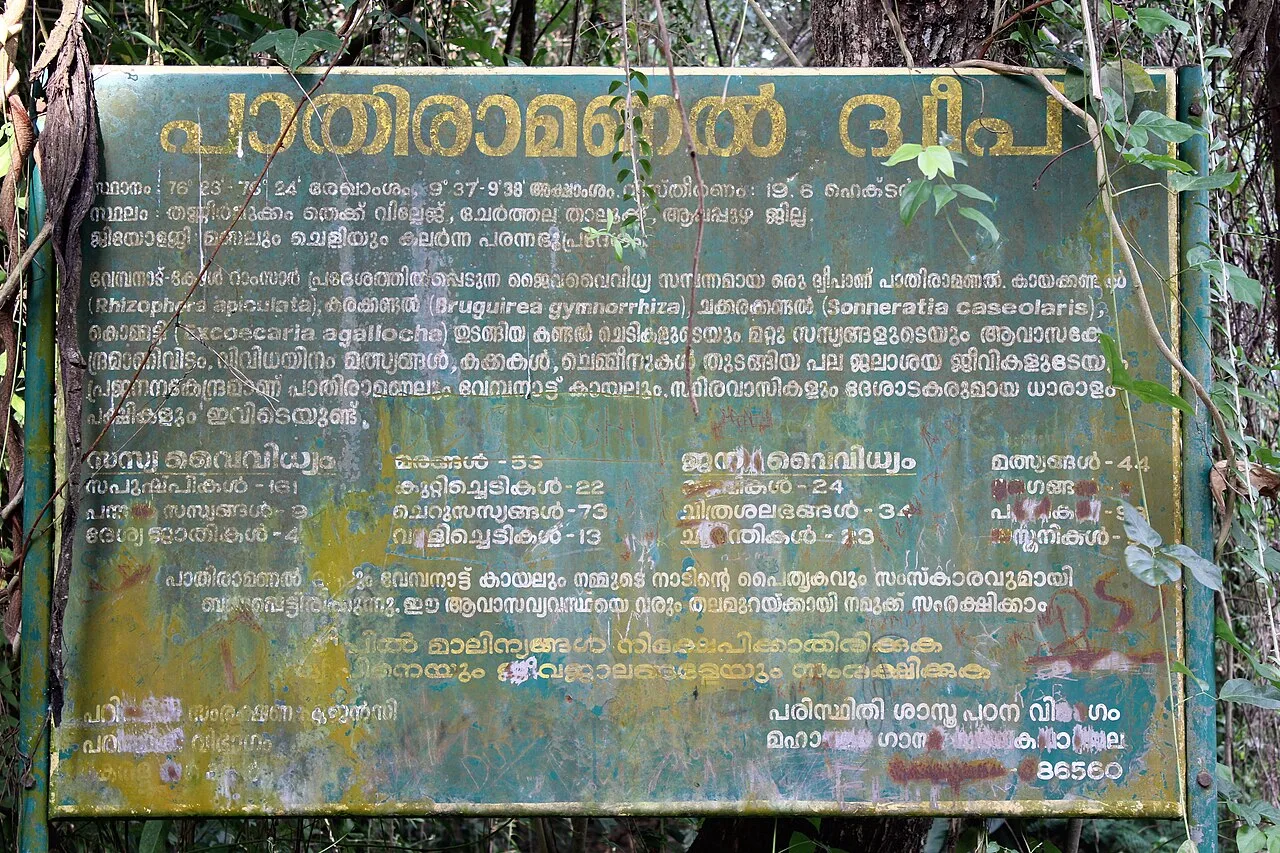
  2. 2Pathiramanal

Kerala

Other cities to explore