
Ghumoopedia — Explore, Discover, Experience
Sign in
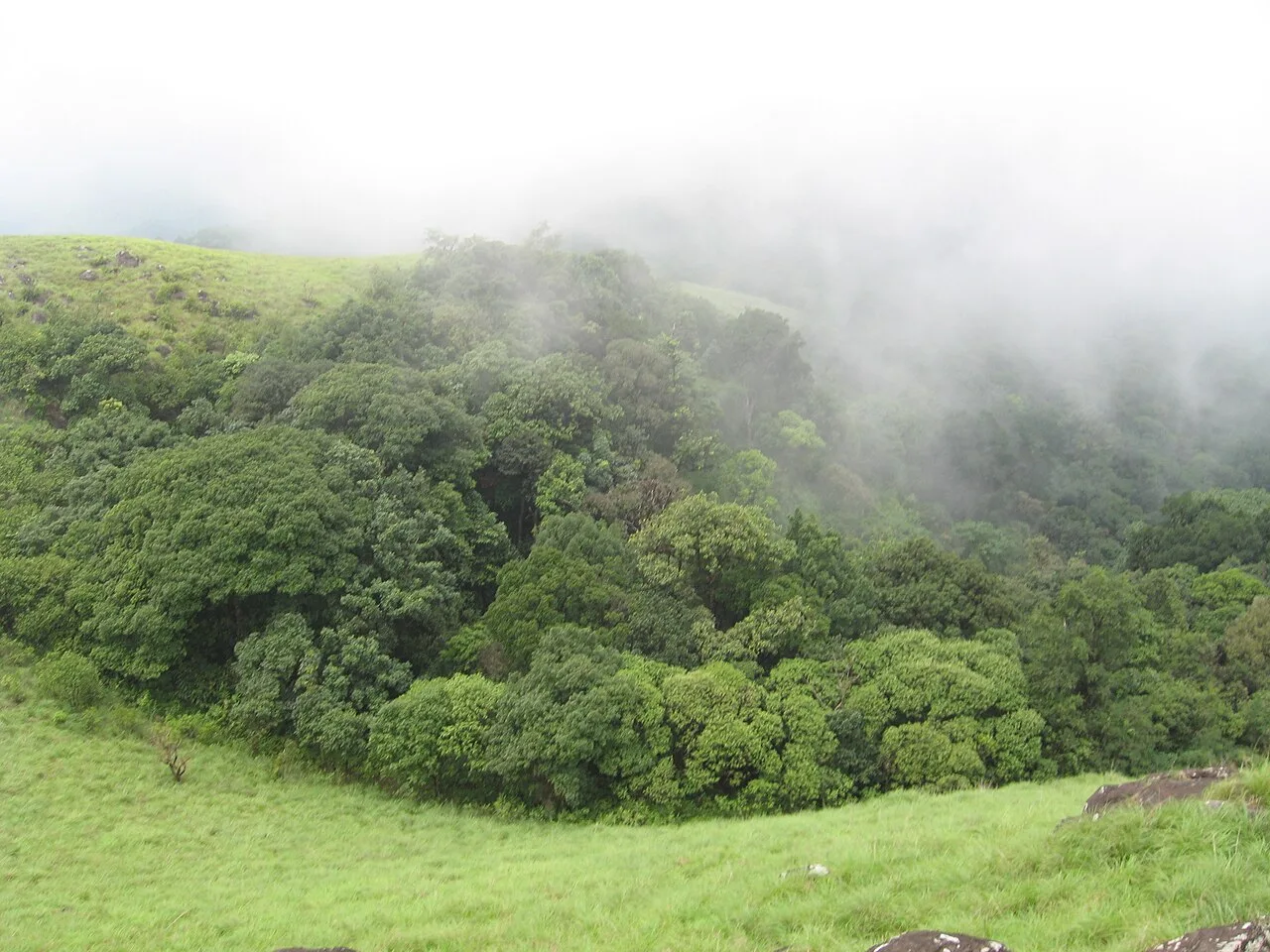
Ranipuram, near Kanhangad

City guide · Kerala

Kanhangad

Kanhangad is a coastal town in Kasaragod district, northern Kerala, serving as a local centre for trade, transport and public services. Its position on the railway and road corridor linking Mangaluru and Kannur makes it a practical base for exploring the district’s coast, temples and countryside.

Famous for

  • Hosdurg Fort
  • Nityananda Ashram
  • Anandashram retreat
  • Madiyan Koolom Temple
  • Kasaragod handloom sarees
  • Theyyam traditions
In the city
0
Nearby
1
District
Kasaragod
Plan a trip

Why Kanhangad matters

Kanhangad is a coastal town in Kasaragod district, northern Kerala, serving as a local centre for trade, transport and public services. Its position on the railway and road corridor linking Mangaluru and Kannur makes it a practical base for exploring the district’s coast, temples and countryside. The Arabian Sea lies to the west, while the land rises into the foothills of the Western Ghats towards the east.

Visitors come for the remains of Hosdurg Fort, also called Puthiyakotta, and for the town’s well-known spiritual centres, including Nityananda Ashram and Anandashram. Madiyan Koolom Temple and nearby places of worship offer a glimpse of the region’s ritual traditions, including Theyyam. The surrounding area is a mix of coconut groves, streams, villages and laterite slopes; the coast and the backwater landscapes around Nileshwaram make worthwhile excursions. Kanhangad is not chiefly a resort town, but its railway access, everyday markets and links to nearby destinations make it a useful stop for travellers discovering northern Kerala.

Famous for: crafts, trade & products

Kanhangad is best known for its historic fort, religious institutions and role as a busy local market town rather than for a single signature craft or manufactured product. The wider Kasaragod region has a handloom tradition, including Kasaragod sarees, a recognised regional textile. Travellers interested in the weave can ask at local textile shops or handloom cooperative outlets in town about locally made stock and its place of production; availability may vary.

The town’s shops and markets serve surrounding villages, with everyday trade in clothing, household goods, fresh fish, vegetables and farm produce. Coconut and related products are part of the wider rural economy, though they are not a distinctive Kanhangad-only speciality. There is no widely established local GI-tagged craft or major industrial product to seek out in the town. For a sense of local commerce, explore the central shopping streets and market area around the town centre and railway station. These are useful places to browse regional foodstuffs and practical goods, while specialist handloom purchases are best confirmed with a retailer before making a dedicated trip.

History

Kanhangad’s early history is associated with the wider kingdoms of North Malabar. Traditions connect the place-name with a local chief named Kanhan, whose territory was called Kanhante Nadu; other explanations link it to a grove of kanjiram trees. The area later came under the Kolathiri rulers and the Nileshwaram kingdom, and its coastal position made it strategically important amid regional conflicts.

In 1713, Keladi Nayaka ruler Somashekara Nayaka built a fort here to guard against attacks. Known as Puthiyakotta or Hosdurg, it remains the town’s most visible historical landmark. Haidar Ali brought the region under the Mysore kingdom in the 1760s, and after Tipu Sultan’s death in 1799 it passed to East India Company rule. It was administered within the Madras Presidency and later became part of Kerala. Kanhangad’s modern growth has been shaped by its railway connections, municipal services and role as a commercial centre for nearby settlements.

Food, festivals & culture

Kanhangad’s food reflects the coastal and North Malabar cooking of the region. Rice is central, served with fish curry, seafood, coconut-rich vegetable dishes and meat preparations. Pathiri, appam and biryani are among the foods visitors may encounter, alongside tea-time snacks and sweets found in local bakeries. Menus and recipes vary across households and communities.

Malayalam is the main language; Kannada and Tulu are also heard in this border district. Temple festivals and local poorams take place through the year, with dates set by the temple calendar. Theyyam performances are a distinctive ritual art of North Malabar and are commonly associated with the cooler-season festival period, though events depend on individual shrines. Onam, usually in August or September, and Vishu in April are widely observed; Ramadan and Eid follow the lunar calendar. Devotional music, percussion and the storytelling tradition of Vadakkan Pattukal contribute to the area’s cultural identity. Madiyan Koolom Temple and the town’s ashrams are notable places of worship and reflection.

Visiting the city

The drier months from October to February are generally comfortable for exploring; monsoon rains are heaviest from around June to September. Kanhangad Railway Station is the main station for the town, with connections along Kerala’s coastal rail corridor. The nearest major airports are Mangaluru International Airport and Kannur International Airport; check current routes and road conditions when planning a transfer.

Auto-rickshaws, local buses and taxis are useful for getting around. The town centre and Hosdurg area are convenient for shops, services and the fort. Ajanur is worth including for Madiyan Koolom Temple, while the ashrams offer quieter visits. Kanhangad also makes a practical base for excursions towards Nileshwaram, the coast and nearby villages. Confirm access and any local visiting arrangements at religious sites before travelling.

Short trips

Around Kanhangad

Within about 40 km — easy half-day or day trips from the city.

Map

Kanhangad on the map

  1. 1Ranipuram

Kerala

Other cities to explore