
Ghumoopedia — Explore, Discover, Experience
Sign in
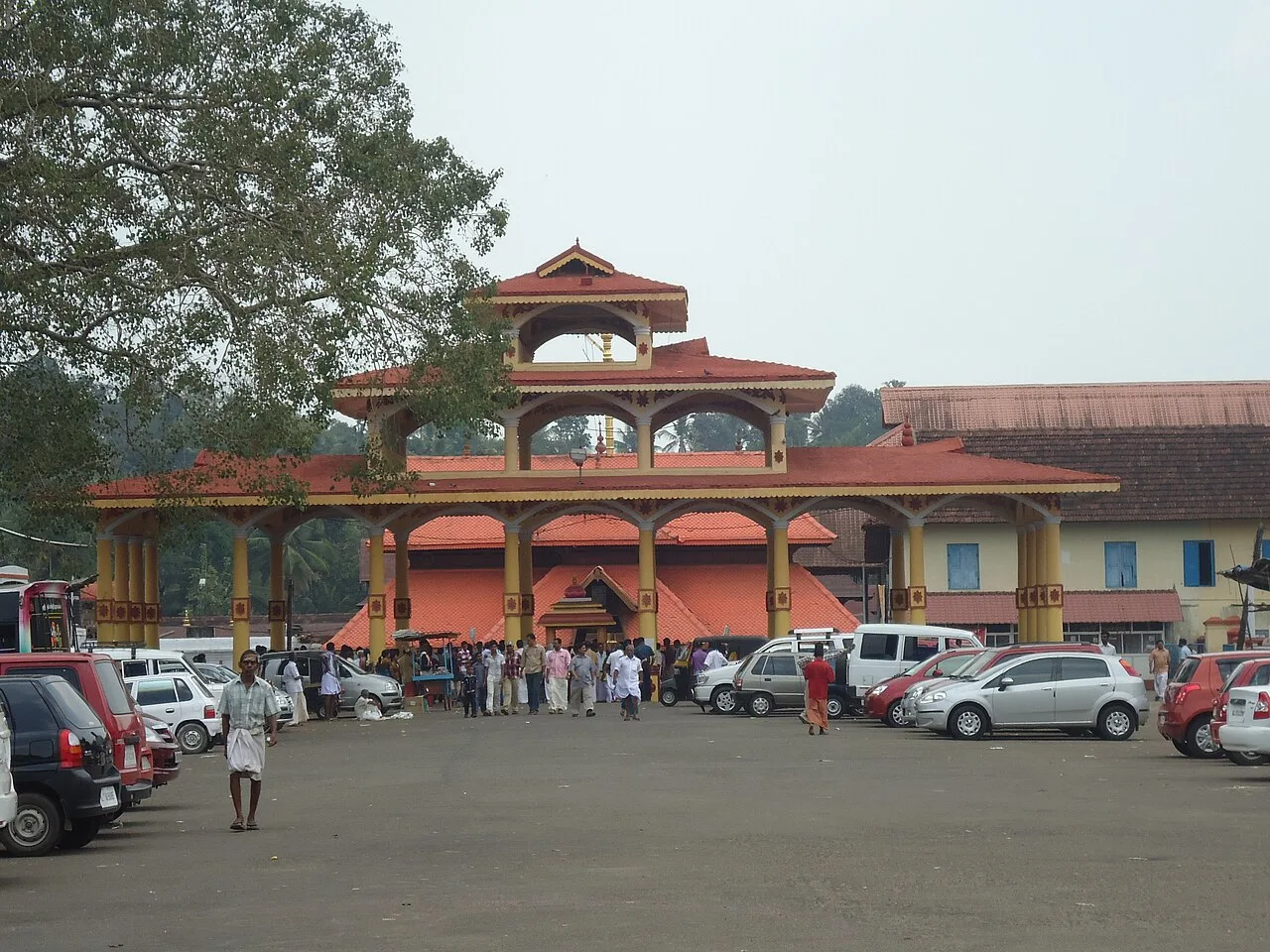
Ettumanoor Mahadeva Temple, near Kottayam

City guide · Kerala

Kottayam

Kottayam is the administrative and commercial centre of its district, linking Kerala’s central highlands with the backwater region around Vembanad Lake. Its location near the Meenachil River and its road and rail connections make it a useful base for exploring the district, including Kumarakom’s waterways and birdlife.

Famous for

  • Malayalam publishing houses
  • Natural rubber industry
  • Rubber Board headquarters
  • CMS College
  • Thazhathangady heritage
In the city
2
District
Kottayam

Why Kottayam matters

Kottayam is the administrative and commercial centre of its district, linking Kerala’s central highlands with the backwater region around Vembanad Lake. Its location near the Meenachil River and its road and rail connections make it a useful base for exploring the district, including Kumarakom’s waterways and birdlife. The town itself offers a quieter mix of historic neighbourhoods, churches, temples and everyday Kerala urban life.

Kottayam is widely called the City of Letters: Malayalam newspapers such as Deepika, Malayala Manorama and Mangalam, along with publishing houses, have made it an important centre for journalism and books. It is also closely tied to Kerala’s rubber economy, with the Rubber Board headquartered here. Visitors come for the surrounding landscape and cultural sites, while the town’s colleges, print industry and public institutions give it importance beyond tourism. Its appeal lies in this combination of regional gateway, literary centre and lively district headquarters.
Famous for: crafts, trade & products

Kottayam is better known for publishing and rubber than for a signature textile, saree or handicraft. Malayalam newspapers and publishing houses have a long presence in the town, and its printing and bookselling businesses reflect that identity. The Rubber Board, a national institution supporting the rubber sector, is headquartered here. Rubber plantations are widespread across the district, alongside crops such as coconut, banana, pepper and other spices.

The town’s central shopping streets and local markets are practical places to browse for books, everyday goods, Kerala spices and produce. Shops and supermarkets also serve residents from surrounding rubber-growing areas. Kottayam does not have a widely recognised city-specific GI-tagged craft or textile to seek out, so visitors looking for handloom sarees or specialised crafts may find a broader selection in other Kerala centres. For a sense of local trade, look for bookshops and newspaper-related businesses in town, and explore the market area for regional food ingredients and seasonal produce.

History

Kottayam’s early history is closely connected with Vempolinad, which divided into the kingdoms of Thekkumkur and Vadakkumkur in the early twelfth century. The Thekkumkur rulers maintained a fortified seat in the area. The name Kottayam is commonly linked to the Malayalam words for “fort” and “inside,” a reference to the fort associated with the royal residence. Portuguese and Dutch traders also engaged with the regional kingdoms in the spice trade.

Travancore annexed Thekkumkur in 1753, bringing Kottayam under its rule. A major institutional change followed in 1817, when the Church Missionary Society established CMS College, among the earliest Western-style colleges in Kerala. Kottayam later became part of modern Travancore and, after the formation of the district in 1949, developed as its administrative centre. In the modern era, its newspapers, educational institutions and the Rubber Board have reinforced its regional influence.

Food, festivals & culture

Malayalam is the main language of daily life; English is also used in education, business and public institutions. Kottayam’s food reflects Kerala’s rice-based cuisine and the varied traditions of its communities. Meals often feature rice, vegetables, coconut and fish; appam with stew, fish curry and tapioca are familiar choices. Bakeries and local eateries offer snacks and sweets, though the town is not defined by a single signature dessert.

Onam, usually celebrated in August or September, brings floral decorations, festive meals and cultural programmes. Vishu in April and Christmas in December are also widely observed, while temple festivals take place at different times of year. The area’s religious landscape includes historic churches, mosques and temples, with Thazhathangady known for its heritage architecture and places of worship. Kerala art forms such as Kathakali and Mohiniyattam may be encountered at cultural events, alongside church music and temple percussion traditions.

Visiting the city

October to March is generally a comfortable time to visit, with less rain than during the southwest monsoon. Kottayam Railway Station is the main station serving the town. Cochin International Airport is the nearest major airport; onward travel is by road. Buses, taxis and auto-rickshaws make it possible to get around town and reach nearby attractions.

Explore the central town for bookshops, markets and civic landmarks, then visit Thazhathangady for its historic riverside setting and religious architecture. Kumaranalloor is another area of local heritage. Kumarakom, on the Vembanad backwaters, makes a popular excursion from Kottayam and offers a very different landscape of canals, wetlands and lakeside villages.

Attractions

Places to visit in Kottayam

Sights within about 12 km of each other, even when they fall in different districts.

Map

Kottayam on the map

  1. 1Ettumanoor Mahadeva Temple
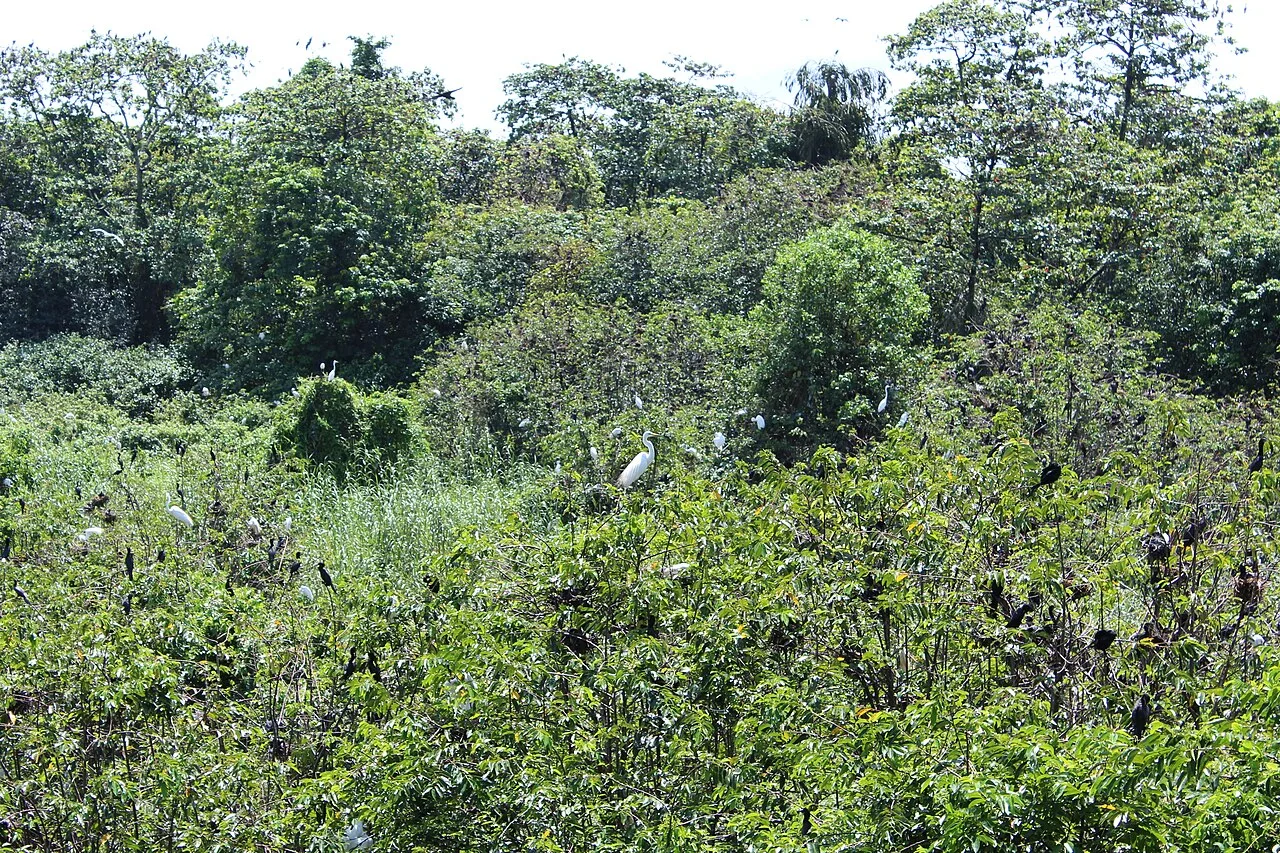
  2. 2Kumarakom Bird Sanctuary

Kerala

Other cities to explore