Ghumoopedia — Explore, Discover, Experience
Sign in
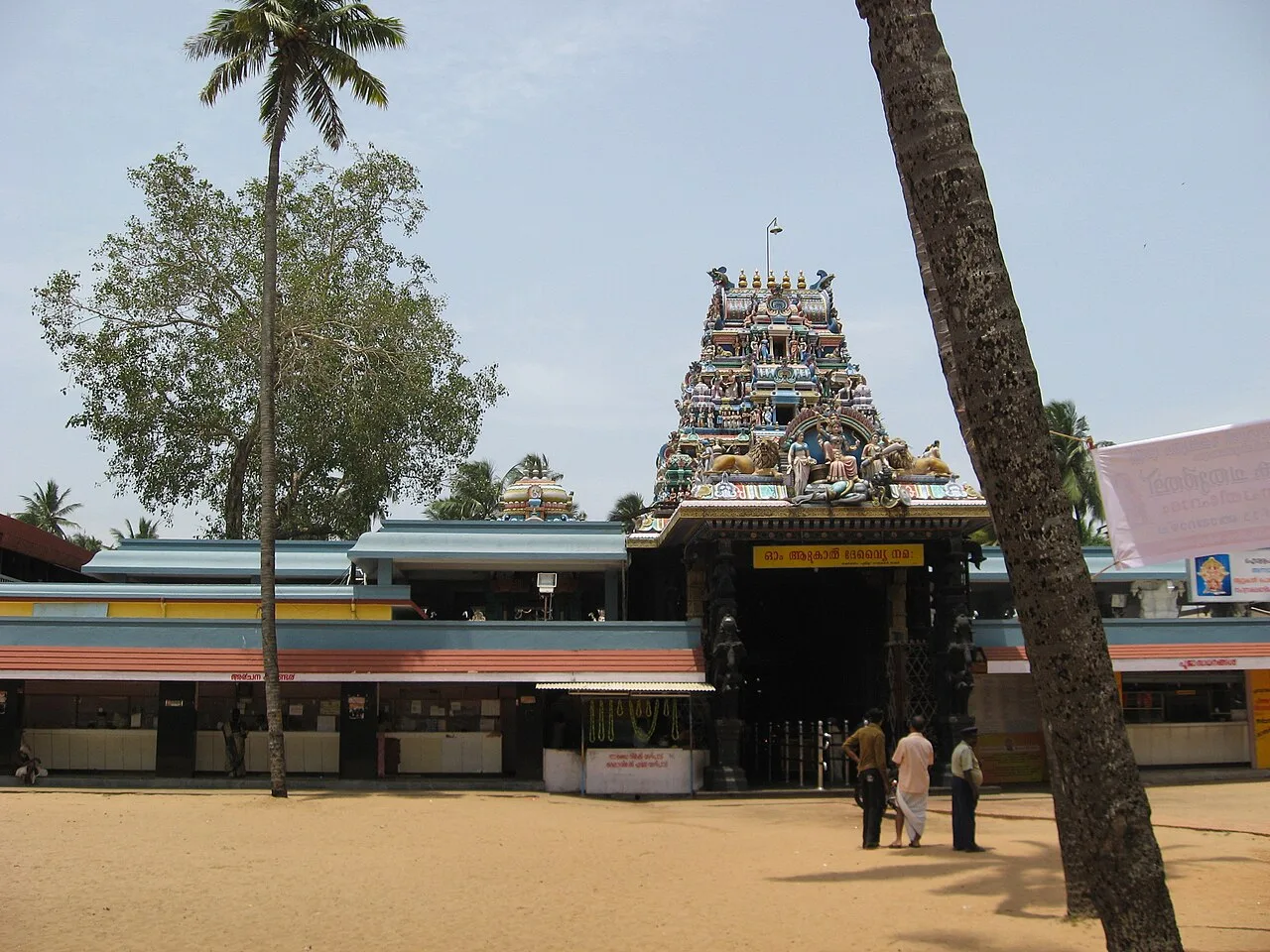
Attukal Bhagavathy Temple, near Thiruvananthapuram

City guide · Kerala

Thiruvananthapuram

Thiruvananthapuram, also called Trivandrum, is Kerala’s capital and its principal centre of government. It is also a hub for education, research, information technology and space science, with institutions including the Vikram Sarabhai Space Centre and the Indian Institute of Space Science and Technology.

Famous for

  • Sree Padmanabhaswamy Temple
  • Attukal Pongala
  • Balaramapuram handloom
  • Travancore heritage
  • India’s space programme
In the city
7
District
Thiruvananthapuram

Why Thiruvananthapuram matters

Thiruvananthapuram, also called Trivandrum, is Kerala’s capital and its principal centre of government. It is also a hub for education, research, information technology and space science, with institutions including the Vikram Sarabhai Space Centre and the Indian Institute of Space Science and Technology. This blend of public life and specialist research gives the city a role well beyond its historic core.

Visitors come for the Sree Padmanabhaswamy Temple, grand reminders of the Travancore era, museums and performing arts, as well as nearby beaches such as Kovalam. The city’s name refers to Anantha, the serpent deity associated with the temple, which remains a powerful presence in local identity. Around the old centre, palace architecture and temple streets contrast with leafy residential districts, university campuses and the developing waterfront at Vizhinjam. Thiruvananthapuram is also a practical gateway to southern Kerala: its international airport and major railway station are close to the centre, while coastal villages and heritage sites make rewarding excursions.
Famous for: crafts, trade & products

The region is associated with Balaramapuram handloom, especially fine cotton fabrics and traditional sarees. Balaramapuram, south of the city centre, is the place to seek out weaving and buy textiles directly or through local showrooms. The handloom tradition is recognised by a Geographical Indication. In the city, Chalai Bazaar is a busy traditional market for everyday goods, household wares, produce and fabrics. Handloom and craft outlets elsewhere in the city offer textiles and products from across Kerala.

Thiruvananthapuram’s major industries today include information technology, animation, aerospace and research. Technopark, in the Kazhakoottam area, is a prominent IT campus; the wider region also has space-research centres and media and film facilities. Vizhinjam is the focus of port development, adding a maritime dimension to the local economy. For visitors, markets and specialist textile shops are better suited to everyday shopping, while museum and cultural-institution shops can be useful for books, art and regional keepsakes. Look for locally made cotton cloth and crafts, and check the origin of items described as traditional or regionally produced.

History

The coast around present-day Thiruvananthapuram was part of the territory of the Ay rulers, with Vizhinjam serving as an important early port. Ay lands later came under the Chera sphere and then the Kingdom of Venad. In the eighteenth century, Marthanda Varma expanded Venad into the powerful princely state of Travancore. Thiruvananthapuram became its capital in 1795, replacing Padmanabhapuram, and grew as a centre of royal administration, temple culture and the arts. Court patronage, especially during the reign of Swathi Thirunal, strengthened its musical and literary life.

Travancore remained a princely state under British paramountcy rather than becoming a directly ruled British province. After Indian independence, the city served as capital of Travancore–Cochin; with the formation of Kerala in 1956, it became the capital of the new state. Modern growth brought universities, research institutions and government offices, followed by major developments in space science and information technology. The city’s historic core and expanding suburbs now sit alongside newer research and commercial districts.

Food, festivals & culture

Malayalam is the principal language; English is widely used, and Tamil is also heard. The city’s cultural life draws on Travancore court traditions and temple arts. Carnatic music is closely associated with Swathi Thirunal, while Kathakali, Mohiniyattam and Koodiyattam can be encountered at cultural venues and festivals. The Sree Padmanabhaswamy Temple is the best-known place of worship; Attukal Bhagavathy Temple and the city’s mosques and churches are also important to local religious life.

Onam, usually celebrated in August or September, brings feasting and seasonal festivities. Attukal Pongala, generally held in February or March, draws large numbers of women who prepare offerings in the city. Navaratri, usually in September or October, is marked by devotional music and ceremonies. Kerala meals often feature rice, coconut-based curries, fish and seasonal vegetables; a sadya is a festive vegetarian spread served with accompaniments and payasam. Appam with stew, puttu and kadala curry, and snacks such as banana fritters are familiar choices. Recipes and festival dates can vary by household and year.

Visiting the city

November to February is generally the most comfortable season for sightseeing, with less rain and milder conditions than the monsoon months. The nearest airport is Thiruvananthapuram International Airport, close to the central districts. The main railway station is Thiruvananthapuram Central. City buses, auto-rickshaws and taxis connect the centre with the airport, station, beaches and outer neighbourhoods.

Explore the historic Fort area and temple surroundings, then visit the museums and galleries around Museum Junction and the green grounds of Kanakakunnu Palace. Chalai is useful for market browsing, while Kowdiar has broad avenues and heritage-era residences. Kovalam and Vizhinjam make coastal excursions; allow extra travel time for them. Temple entry rules and access arrangements can differ, so check current guidance before visiting.

Attractions

Places to visit in Thiruvananthapuram

Sights within about 12 km of each other, even when they fall in different districts.

Attukal Bhagavathy Temple

Thiruvananthapuram district

Attukal Bhagavathy Temple

Attukal Bhagavathy Temple is a Hindu shrine in Thiruvananthapuram, Kerala. Visitors worship the goddess and attend Attukal Pongal, an annual festival that draws millions of women.

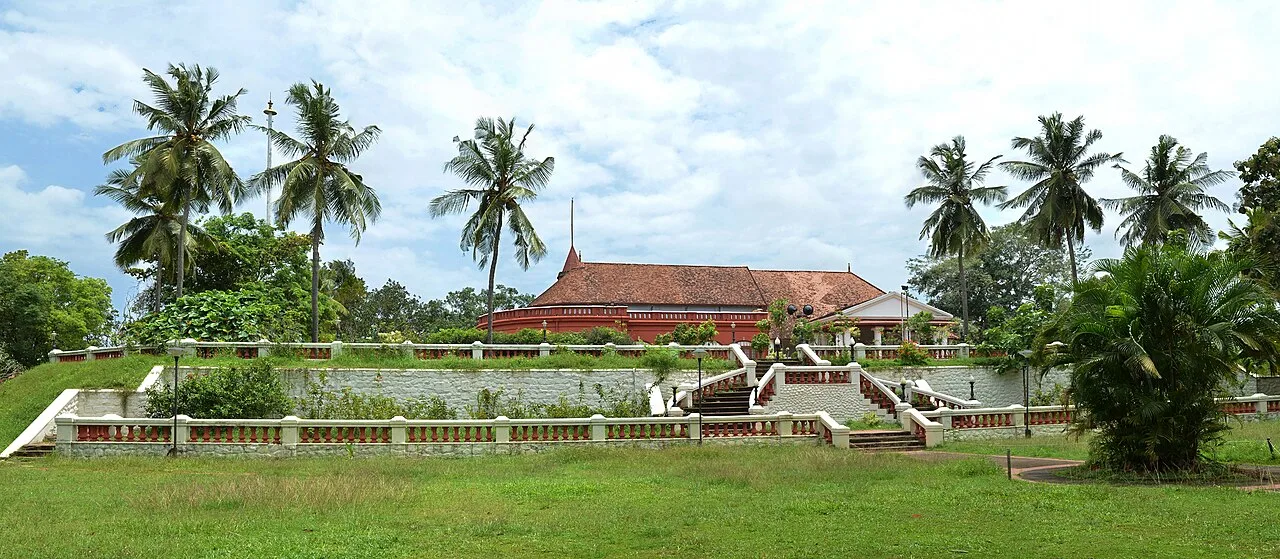
Kanakakkunnu Palace

Thiruvananthapuram district

Kanakakkunnu Palace

Kanakakkunnu Palace is a palace and cultural venue in Thiruvananthapuram, Kerala. Visitors come for events on its grounds, including an annual festival of classical Indian dance.

Kovalam Beach

Thiruvananthapuram district

Kovalam Beach

Kovalam is a beach resort in Thiruvananthapuram, Kerala, with nearby beaches that draw visitors from India and abroad for holidays.

Kuthiramalika

Thiruvananthapuram district

Kuthiramalika

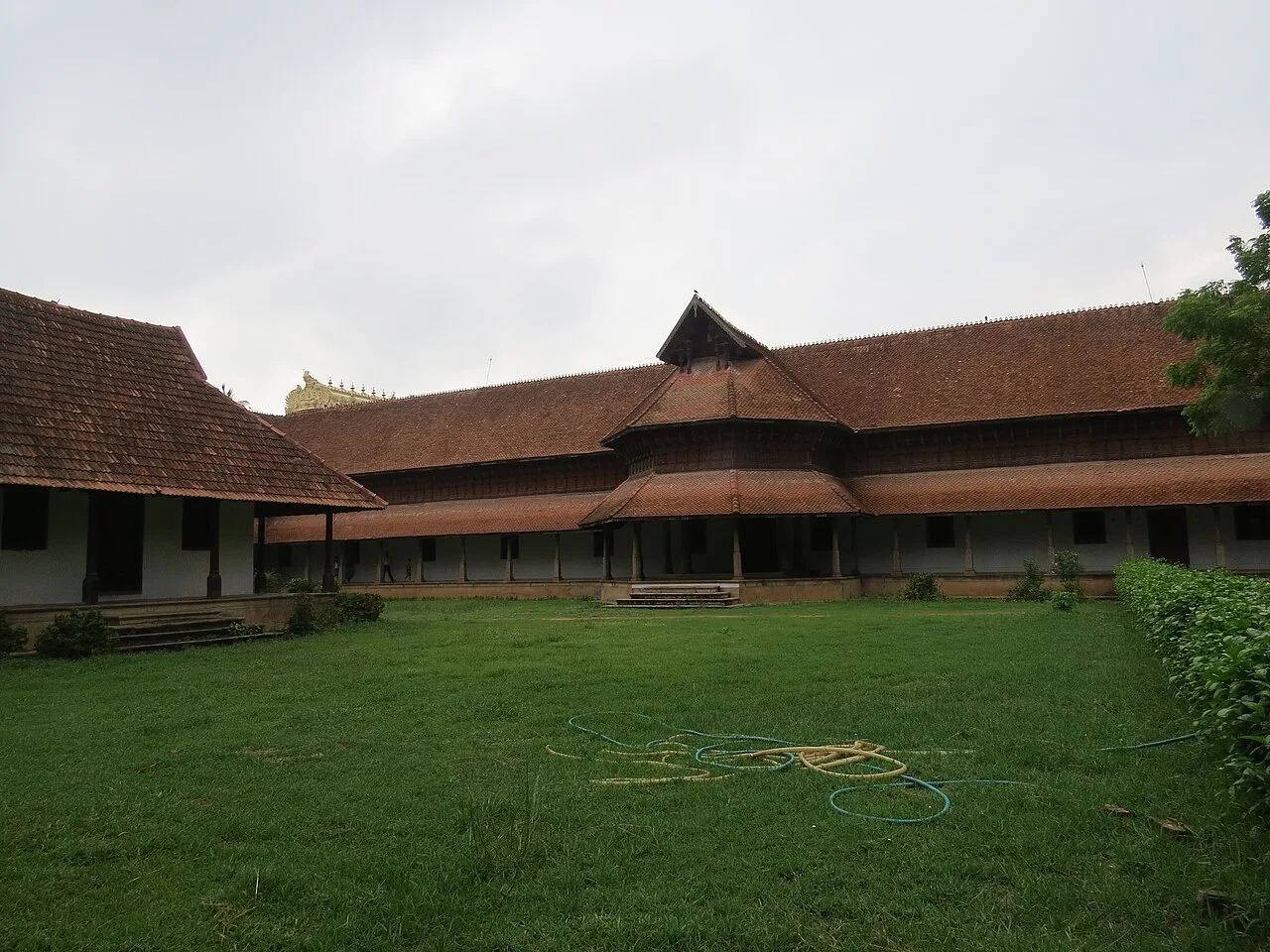
Kuthiramalika is a palace of the Travancore kingdom in Thiruvananthapuram, built under Swathi Thirunal Rama Varma. Visitors come to see its distinctive structure and horse decorations on the pillars.

Napier Museum

Thiruvananthapuram district

Napier Museum

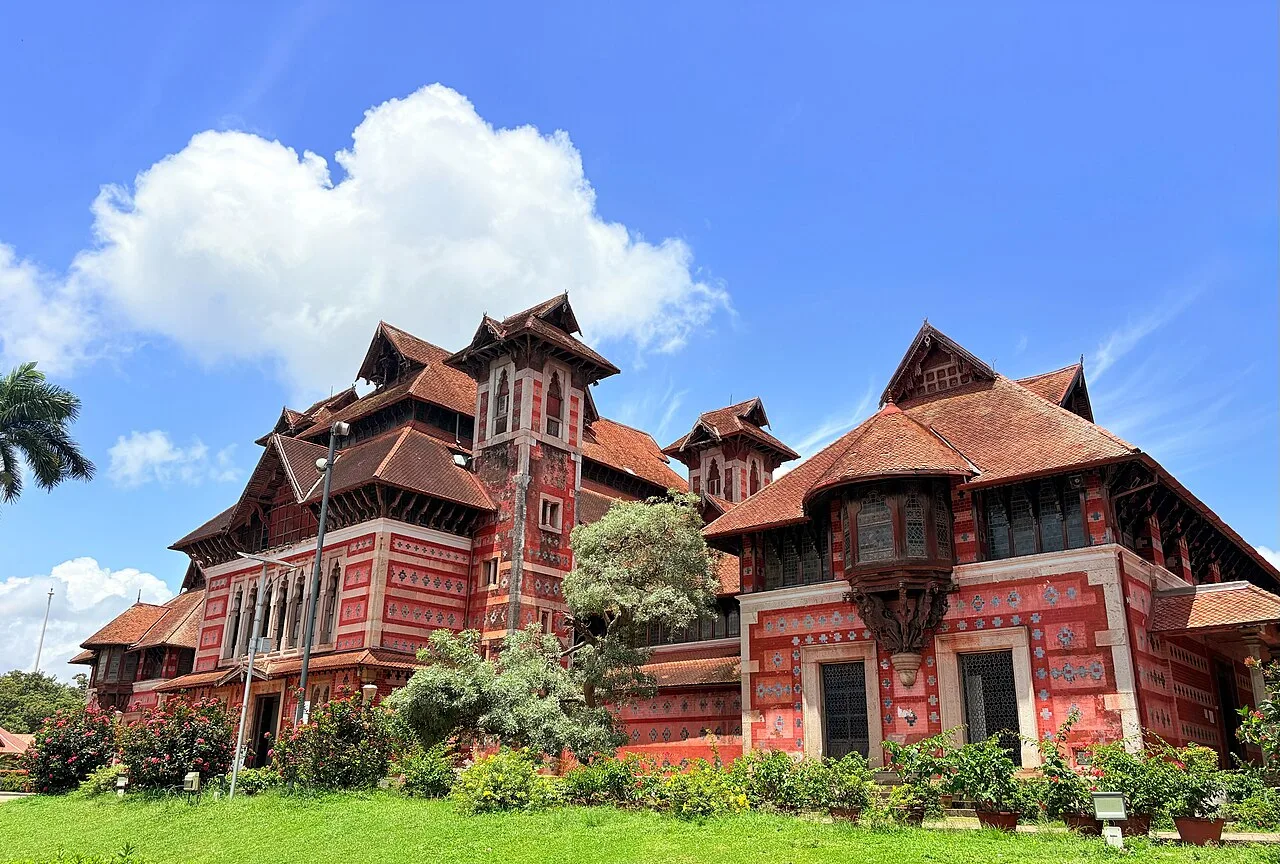
Napier Museum in Thiruvananthapuram is devoted to art and natural history. Visitors can also see the Sree Chitra Art Gallery and the zoo on its grounds.

Padmanabhaswamy Temple

Thiruvananthapuram district

Padmanabhaswamy Temple

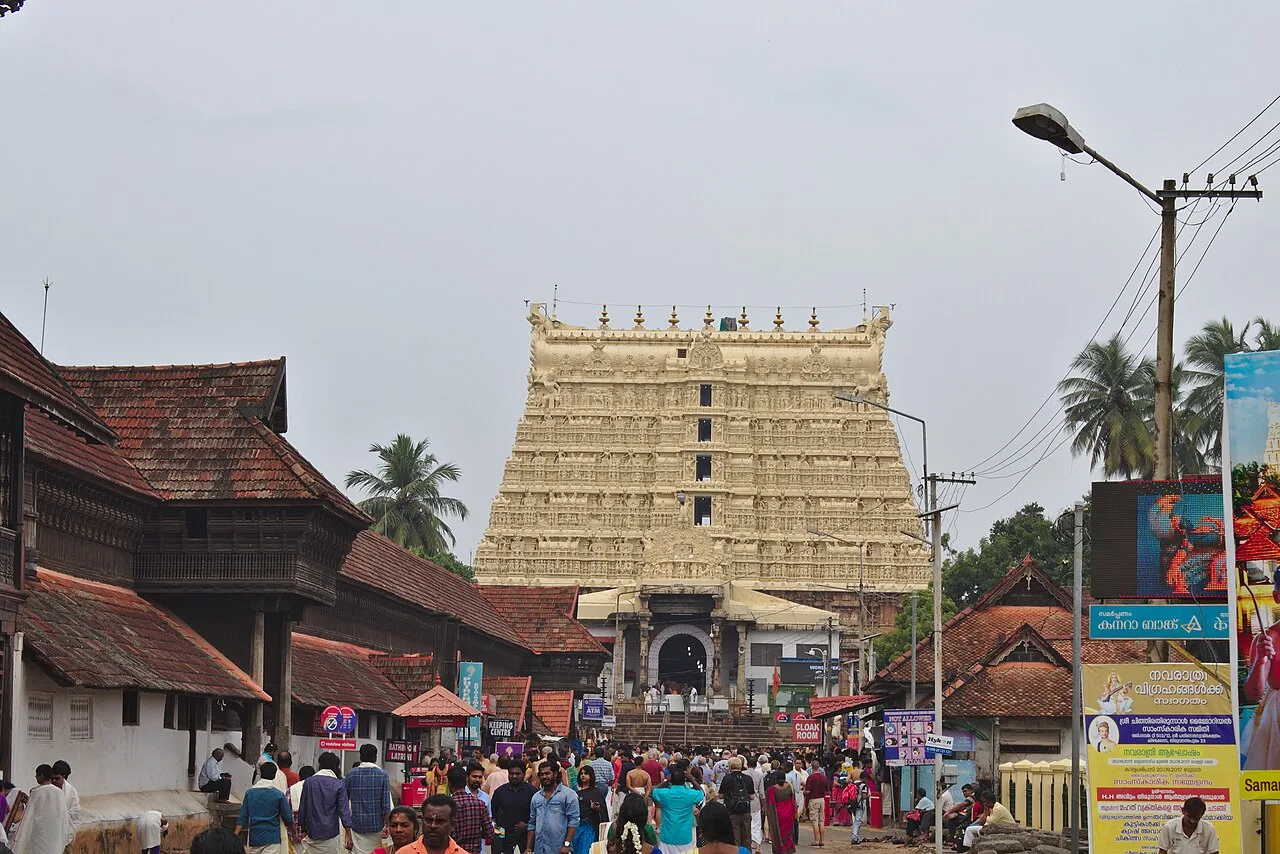
Padmanabhaswamy Temple is a Hindu shrine to Vishnu in Thiruvananthapuram, Kerala. Visitors come to worship and to see a site revered in Sri Vaishnava tradition.

Shankumugham Beach

Thiruvananthapuram district

Shankumugham Beach

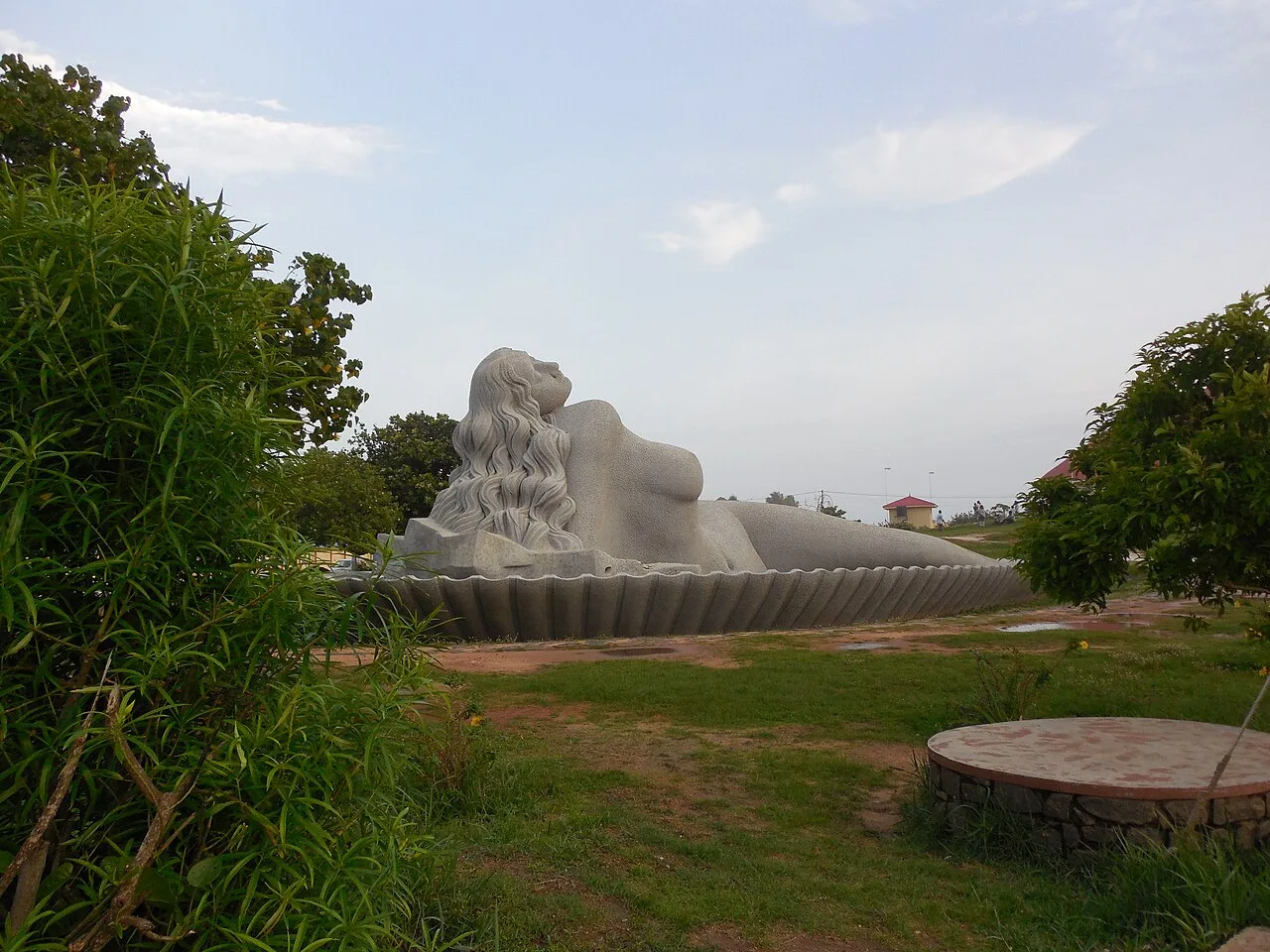
Shankumugham Beach is a coastal and ceremonial site in Thiruvananthapuram district. Visitors come for Hindu rites, festival processions, its large mermaid sculpture and a children’s traffic park.

Map

Thiruvananthapuram on the map

  1. 1Attukal Bhagavathy Temple
  2. 2Kanakakkunnu Palace
  3. 3Kovalam Beach
  4. 4Kuthiramalika
  5. 5Napier Museum
  6. 6Padmanabhaswamy Temple
  7. 7Shankumugham Beach

Kerala

Other cities to explore