
Ghumoopedia — Explore, Discover, Experience
Sign in
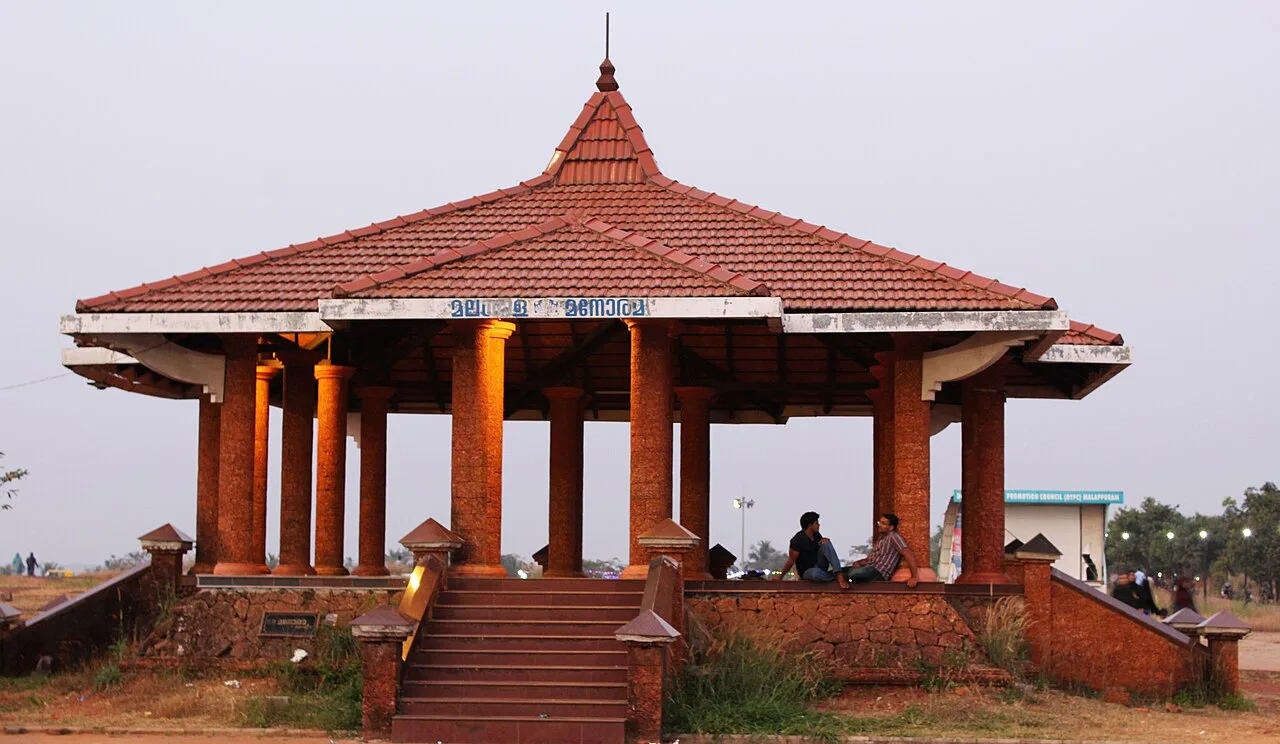
Kottakkunnu, near Malappuram

City guide · Kerala

Malappuram

Malappuram is the administrative headquarters of its district and an important service and transport centre in northern Kerala. Set among green, rolling hills and crossed by freshwater streams, it connects inland towns with the coast and sits on routes linking Kozhikode, Palakkad and other parts of the region.

Famous for

  • Kottakkunnu hilltop
  • Zamorin-era fort site
  • Malabar Special Police
  • Mappila cuisine and music
  • Kottakkal Ayurveda nearby
  • Tirur betel leaf nearby
In the city
2
District
Malappuram

Why Malappuram matters

Malappuram is the administrative headquarters of its district and an important service and transport centre in northern Kerala. Set among green, rolling hills and crossed by freshwater streams, it connects inland towns with the coast and sits on routes linking Kozhikode, Palakkad and other parts of the region. Malayalam is the main language of daily life, while the wider district is known for its strong Mappila Muslim heritage and lively food and cultural traditions.

Visitors come for Kottakkunnu, a hilltop park in the heart of town, and for traces of Malappuram’s past as a military centre under the Zamorins and later the British. The former barracks area is now part of the district’s Civil Station. The city also makes a convenient base for exploring nearby places, including Kottakkal, known for Ayurvedic treatment, and Tirur, associated with its distinctive betel leaf. Malappuram’s appeal lies less in grand monuments than in its layered history, everyday markets, regional cuisine and green surroundings.
Famous for: crafts, trade & products

Malappuram is not especially identified with one signature textile or handicraft. Its town markets serve the surrounding district, with shops selling clothing, household goods, spices, fresh produce and everyday essentials. For a sense of local commerce, explore the busy central shopping streets and market areas around the town centre and Downhill; offerings vary by shop and season.

Some well-known products and institutions are found elsewhere in the district rather than in the city itself. Tirur Vettila, a locally distinctive betel leaf, has a Geographical Indication and is associated with Tirur. Kottakkal, a short trip from Malappuram, is home to the Arya Vaidya Sala, a prominent institution for Ayurveda and traditional medicines. These make useful regional excursions, but they should not be mistaken for products made in Malappuram town. The city’s strongest association is with its role as a district hub, rather than with a single craft, textile or manufacturing industry.

History

Malappuram’s history is closely linked to Eranad and the rule of the Zamorins of Calicut. Local chieftains known as Eradis held authority in the region, and Malappuram developed as a military and administrative centre. Kottakkunnu, the hill above the town, takes its name from the fort associated with the Zamorins; the settlement grew around this strategic site. Rock-cut caves and other archaeological remains in nearby localities point to a much older past, though details of early life here are limited.

Under British rule, Malappuram became a centre for colonial administration and troops. The British established barracks on the hill, and the Malabar Special Police, first organised as the Malappuram Special Force, was formed in 1885. The former barracks site later became the district Civil Station. After independence, Malappuram’s administrative importance continued to grow: the municipality was established in 1970, and the city developed as the headquarters and service centre of the district.

Food, festivals & culture

Malappuram’s food reflects the wider Malabar region and its Mappila heritage. Popular dishes include Malabar biryani, pathiri, chatti pathiri and unnakaya; mutta mala is a well-known sweet. Restaurants and bakeries around the town offer these alongside Kerala staples, though menus and availability differ. Malayalam is the principal everyday language, and English is used in many commercial and official settings.

Eid al-Fitr and Eid al-Adha are important occasions for Muslim communities, while Onam, usually celebrated in August or September, and Vishu in April are widely observed across Kerala. Temple festivals and local poorams add to the seasonal calendar. Mappila musical traditions include Mappila paattu, oppana, duffmuttu and kolkali, heard especially at celebrations and community events. The city and its surroundings have mosques, Hindu temples and churches, reflecting the region’s varied religious life. Oorakam Hill, outside the centre, is also noted for a historic Jain temple.

Visiting the city

September to March is generally a comfortable period to visit, after the heaviest southwest monsoon rains and before the hottest months. Calicut International Airport, at Karipur, is the nearest airport. Malappuram has no railway station in the city centre: Angadipuram is a closer local rail stop, while Tirur is a major mainline station serving the area. Buses, taxis and auto-rickshaws connect the city with nearby towns and sights.

Start at Kottakkunnu for open views and a feel for the town’s hilltop setting, then explore the central market streets and Downhill. The Civil Station area offers a glimpse of the city’s administrative role. For trips beyond town, consider Kottakkal for Ayurveda or Oorakam Hill for its temple and landscape. Local buses are useful for regional journeys; allow extra time during heavy rain or busy travel periods.

Attractions

Places to visit in Malappuram

Sights within about 12 km of each other, even when they fall in different districts.

Map

Malappuram on the map

  1. 1Kottakkunnu
  2. 2Tirunavaya

Kerala

Other cities to explore