
Ghumoopedia — Explore, Discover, Experience
Sign in
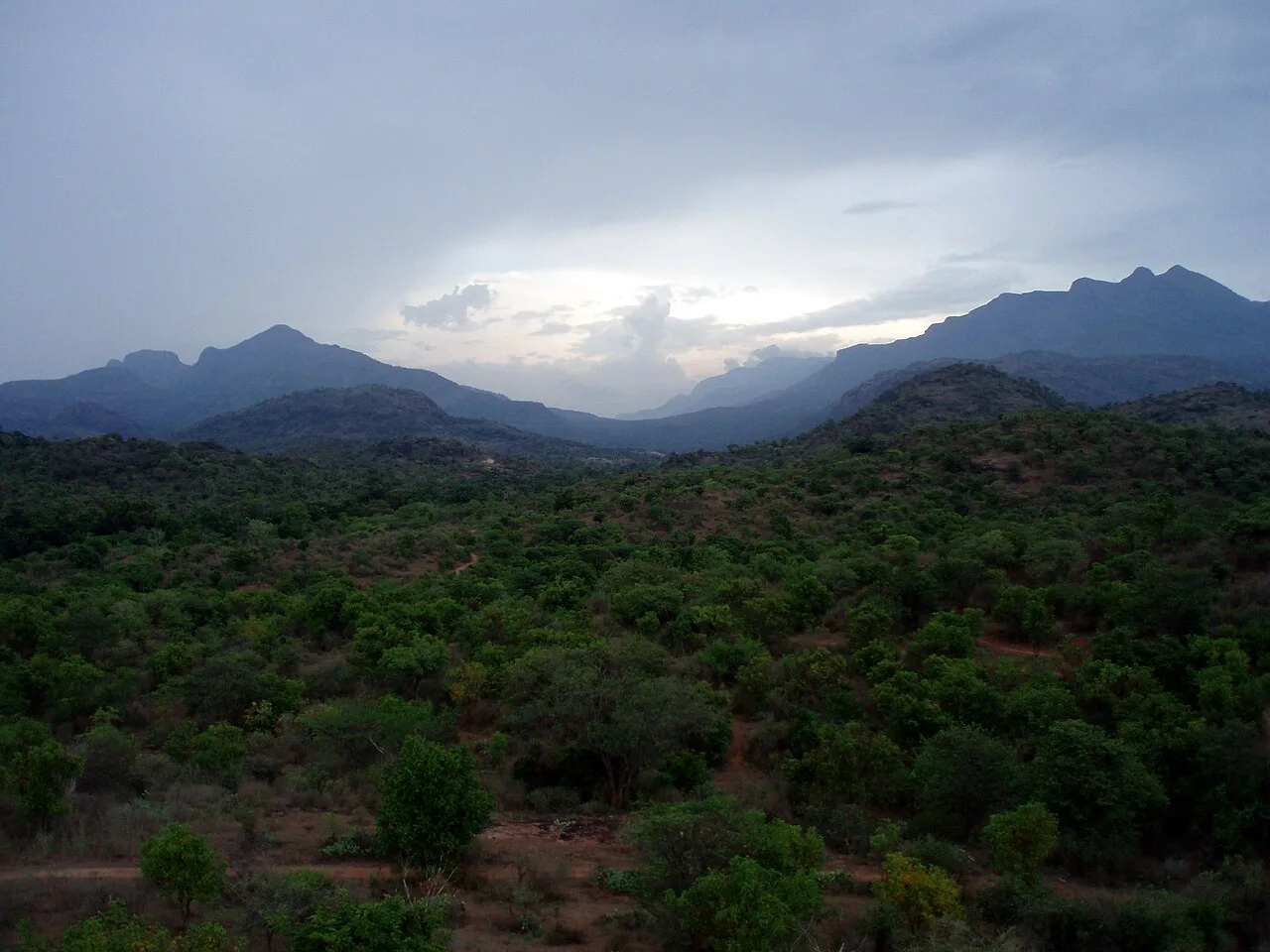
Chinnar Wildlife Sanctuary, near Marayur

City guide · Kerala

Marayur

Marayur, also spelled Marayoor, is a small town in Idukki district, set in Kerala’s eastern highlands near the Tamil Nadu border. Its position on the Munnar–Udumalpet road makes it a stopping point for travellers crossing the Western Ghats, as well as a base for exploring the surrounding countryside and Chinnar Wildlife Sanctuary.

Famous for

  • Marayur sandalwood forests
  • Marayur jaggery
  • Prehistoric dolmens
  • Ancient rock paintings
  • Chinnar wildlife
In the city
2
District
Idukki

Why Marayur matters

Marayur, also spelled Marayoor, is a small town in Idukki district, set in Kerala’s eastern highlands near the Tamil Nadu border. Its position on the Munnar–Udumalpet road makes it a stopping point for travellers crossing the Western Ghats, as well as a base for exploring the surrounding countryside and Chinnar Wildlife Sanctuary.

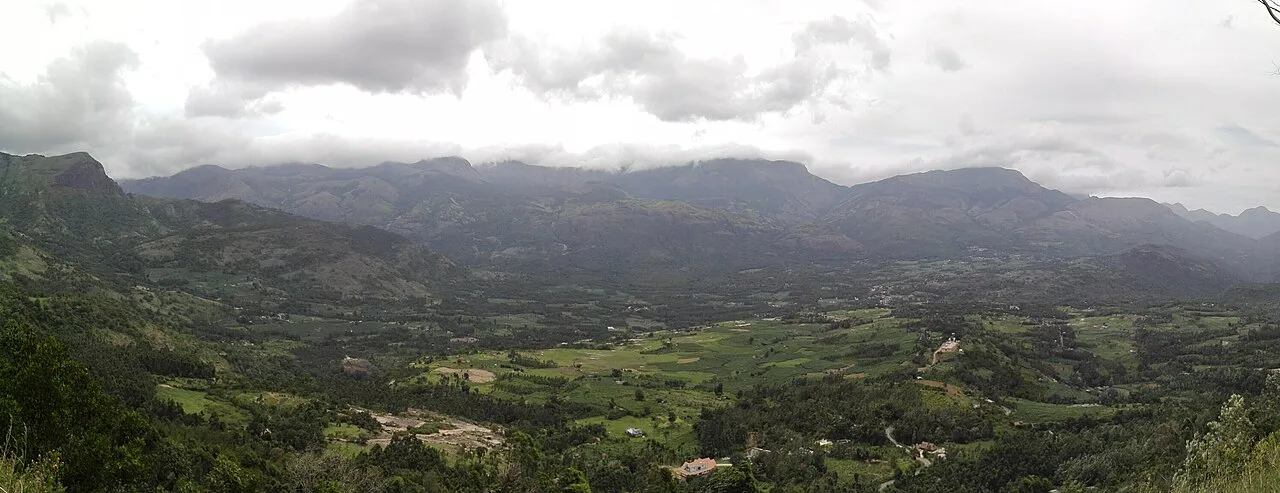
The town is especially known for its natural sandalwood forests, a distinctive feature of Kerala’s landscape, and for jaggery made from locally grown sugarcane. Its appeal also reaches far into the past: dolmens and rock paintings in the area offer glimpses of early human activity. Marayur brings together forest, farming and archaeological heritage in a setting quite different from Kerala’s coastal destinations. Visitors come for the quiet mountain scenery, wildlife and historic sites, while the town remains a working rural centre for nearby communities.
Famous for: crafts, trade & products

Marayur’s best-known local product is jaggery made from sugarcane grown in the area. Often called Marayoor jaggery, it has a Geographical Indication tag and is valued as a regional agricultural specialty. It may be available from local shops and producers, though supplies can vary with the harvest. Sugarcane fields and small-scale production are part of the landscape around town.

The region is also renowned for its sandalwood forests. Sandalwood is a protected forest resource, not an ordinary craft or freely traded souvenir; visitors should buy any sandalwood product only through authorised channels. Marayur is not especially known as a textile, saree or handicraft centre. Its distinctive local identity instead rests on forest produce, farming and archaeology. For a closer look at the area’s heritage, visitors can explore the dolmen sites and rock paintings where access is permitted, and ask locally about jaggery availability. Shops in the town serve everyday needs, but Marayur is better understood as a source region for distinctive products than as a large market town.

History

Marayur’s history is most visible in its archaeological landscape. Dolmens—stone burial structures—and rock paintings in the surrounding area point to human communities living here in remote antiquity. These remains make the region important to the study of early settlement in the Western Ghats, though they do not tell a complete story of the town’s later political history.

Marayur was not principally a royal capital or a major colonial trading city. Its growth has been shaped by its position in the highlands, its forests and its agricultural hinterland. Forests rich in sandalwood and land suited to sugarcane have long influenced local livelihoods and land management. In modern times, the road linking Munnar with Udumalpet has connected the town more closely with both Kerala’s hill destinations and Tamil Nadu. Marayur is now part of Devikulam taluk in Idukki district, combining a rural community role with growing interest in its natural and archaeological heritage.

Food, festivals & culture

Daily life in Marayur reflects its borderland setting between Kerala and Tamil Nadu. Malayalam is widely used, and Tamil is also heard in the area. Rice-based Kerala meals, vegetable and coconut-based curries, and familiar dishes such as puttu and appam are part of the wider regional food culture. Sugarcane jaggery is the local specialty and may be used in sweets and home cooking.

Onam, usually celebrated in August or September, and Vishu, generally in April, are important occasions across Kerala. Temple festivals add to the local calendar, with dates varying by shrine and year. Community celebrations may include devotional music, percussion and dance traditions found across the region; Marayur is not known for a separate, town-specific performance form. Visitors can experience this culture respectfully at local places of worship and during public festivities, bearing in mind that customs and access differ from one temple to another.

Visiting the city

October to March is generally a comfortable time to visit, with milder conditions for outdoor excursions; the monsoon months bring heavier rain and can affect trails and road travel. Coimbatore International Airport is a practical nearby airport, while Udumalaippettai (Udumalpet) railway station is a useful railhead. From either, onward travel is by road. Munnar is the principal nearby hill-town hub, and Marayur lies on the route connecting it with Udumalpet.

Local buses and hired vehicles can help with travel, though a car or taxi offers more flexibility for exploring the surrounding area. Start in Marayur town for local shops and travel arrangements, then visit the nearby dolmen sites, sugarcane-growing countryside and Chinnar Wildlife Sanctuary. Check local guidance before setting out: forest areas and archaeological sites may have access restrictions, and some locations are spread out along the road.

Attractions

Places to visit in Marayur

Sights within about 12 km of each other, even when they fall in different districts.

Map

Marayur on the map

  1. 1Chinnar Wildlife Sanctuary
  2. 2Marayur

Kerala

Other cities to explore