
Ghumoopedia — Explore, Discover, Experience
Sign in
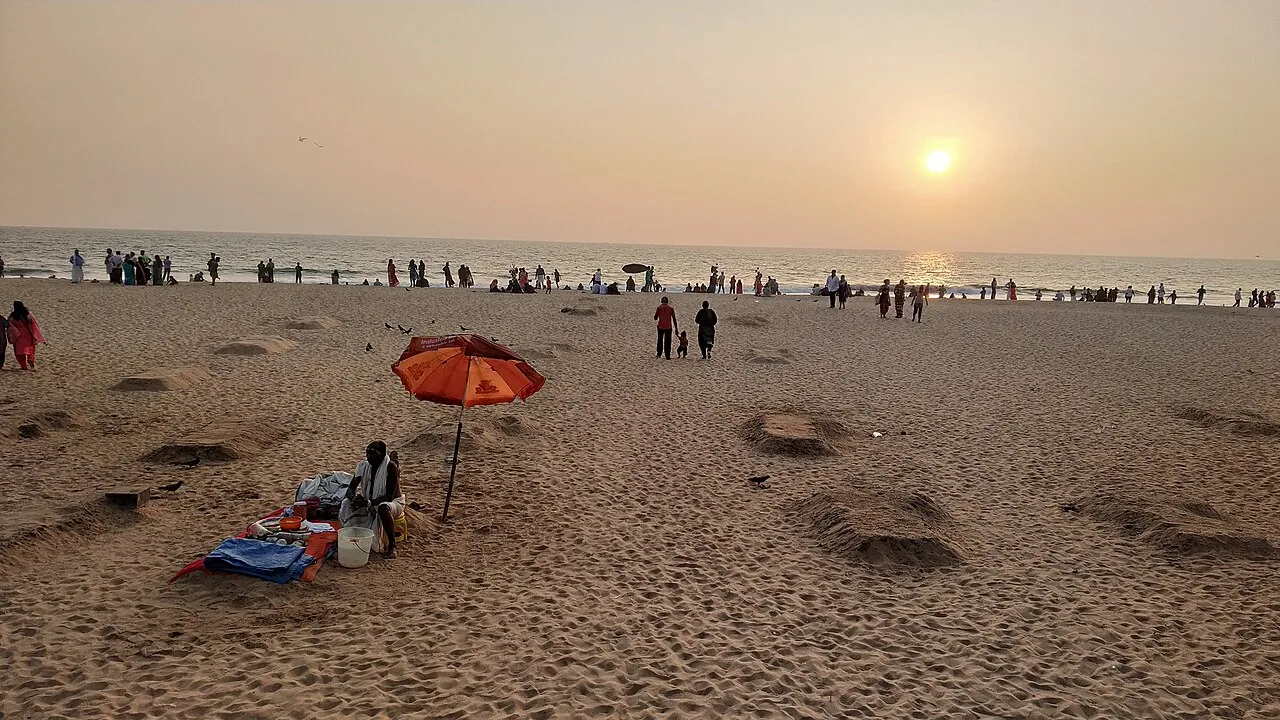
Varkala Beach, near Varkala

City guide · Kerala

Varkala

Varkala is a coastal town in Kerala’s Thiruvananthapuram district, known for a striking meeting of sea, cliffs and pilgrimage traditions. Its sandstone cliffs rise above the Arabian Sea along a long stretch of coast and are recognised as a National Geological Monument.

Famous for

  • Varkala cliffs
  • Papanasam Beach
  • Janardana Swami Temple
  • Sivagiri Mutt
  • Arabian Sea sunsets
In the city
1
District
Thiruvananthapuram

Why Varkala matters

Varkala is a coastal town in Kerala’s Thiruvananthapuram district, known for a striking meeting of sea, cliffs and pilgrimage traditions. Its sandstone cliffs rise above the Arabian Sea along a long stretch of coast and are recognised as a National Geological Monument. Visitors come to walk the cliff-top paths, spend time at Papanasam Beach and explore nearby coves such as Kappil. Cafés and guesthouses along the cliff have also made the town a popular base for beach holidays and longer stays.

Varkala is more than a seaside resort. Janardana Swami Temple, dedicated to Vishnu, is an important place of worship, while Sivagiri Mutt draws pilgrims honouring the social reformer and spiritual leader Sree Narayana Guru. The combination of coastal scenery, religious sites and a relaxed visitor scene gives Varkala a distinctive place in Kerala tourism. The cliffs are also notable for their exposed sedimentary rocks, shaped by geological processes over millions of years.

Famous for: crafts, trade & products

Varkala is best known for its coastal landscape, pilgrimage sites and visitor services rather than for a signature textile, handicraft or large manufacturing industry. The cliff area has cafés, small shops and stalls selling beachwear, souvenirs and crafts, including items brought in from elsewhere in Kerala. These are convenient places to browse, but buyers seeking a particular craft or a product made locally should ask vendors about its origin.

Everyday shopping is found around the town centre and Maithanam, where residents and visitors can find groceries, clothing and household goods. Food shops and restaurants offer Kerala specialities and locally caught seafood when available. Coconut-based products, banana chips and packaged Kerala snacks are common purchases, though they are not unique to Varkala. The town is not especially associated with a GI-tagged product or a major textile market. Its strongest commercial identity is tied to tourism, with accommodation, dining, wellness services and guided activities concentrated around the North Cliff and South Cliff. For a wider selection of regional crafts and established retail markets, visitors can look to Thiruvananthapuram.

History

Varkala’s history is closely connected to Janardana Swami Temple, an old Vishnu shrine that has made the town a pilgrimage destination. Local tradition explains the name through the story of a piece of bark cloth, or valkalam, falling at the site; this is a legend rather than a documented account. The ancient Greek trading text Periplus of the Erythraean Sea refers to a place called Balita, which is sometimes associated with Varkala.

The area later formed part of the Travancore kingdom. An eighteenth-century name, Udaya Marathandapuram, is linked to Travancore ruler Marthanda Varma. Under Travancore, the temple and surrounding settlements remained important to regional religious life. Varkala’s modern growth has been shaped by its rail connection, its proximity to Thiruvananthapuram and the rise of coastal tourism. The cliffs and beaches brought new accommodation and visitor businesses, while the temple and Sivagiri Mutt continue to draw pilgrims. Today, Varkala combines a growing tourism economy with its roles as a local town and religious centre.

Food, festivals & culture

Malayalam is the main language of daily life; English is widely used in tourism, and visitors may also hear Tamil. Food reflects Kerala’s coastal and coconut-rich cooking: fish curry, tapioca, appam with stew, puttu with kadala curry and rice-based meals are common choices. Restaurants around the cliff serve both regional dishes and international fare. Banana chips and payasam are familiar Kerala snacks and sweets.

The annual festival at Janardana Swami Temple is generally held in the Malayalam month of Meenam, around March or April, with temple processions and rituals. Onam, usually in August or September, and Vishu in April are celebrated across the region. Sivagiri becomes a major focus of pilgrimage around the turn of the year, when followers gather to honour Sree Narayana Guru. Kathakali and Mohiniyattam belong to Kerala’s wider performance traditions and may feature in cultural programmes, though they are not exclusive to Varkala. Temples, Sivagiri Mutt and local churches and mosques reflect the town’s varied religious life.

Visiting the city

The most comfortable time to visit is generally November to February, when conditions are cooler and drier. Summer can be hot, while the southwest monsoon, usually from June to August, brings heavy rain and rougher coastal conditions. The nearest airport is Thiruvananthapuram International Airport; Varkala Sivagiri railway station is the town’s main rail stop.

Auto-rickshaws, taxis and local buses connect the station, town centre, beaches and nearby areas. The cliff-top paths are best explored on foot, though access between the cliff and beach can involve steps. North Cliff and South Cliff are the main visitor areas for cafés, stays and sea views. Maithanam offers a more everyday town centre, while Janardana Swami Temple and Sivagiri Mutt are key cultural stops. Kappil is a quieter coastal outing beyond the central beach area.

Attractions

Places to visit in Varkala

Sights within about 12 km of each other, even when they fall in different districts.

Map

Varkala on the map

  1. 1Varkala Beach

Kerala

Other cities to explore