
Ghumoopedia — Explore, Discover, Experience
Sign in
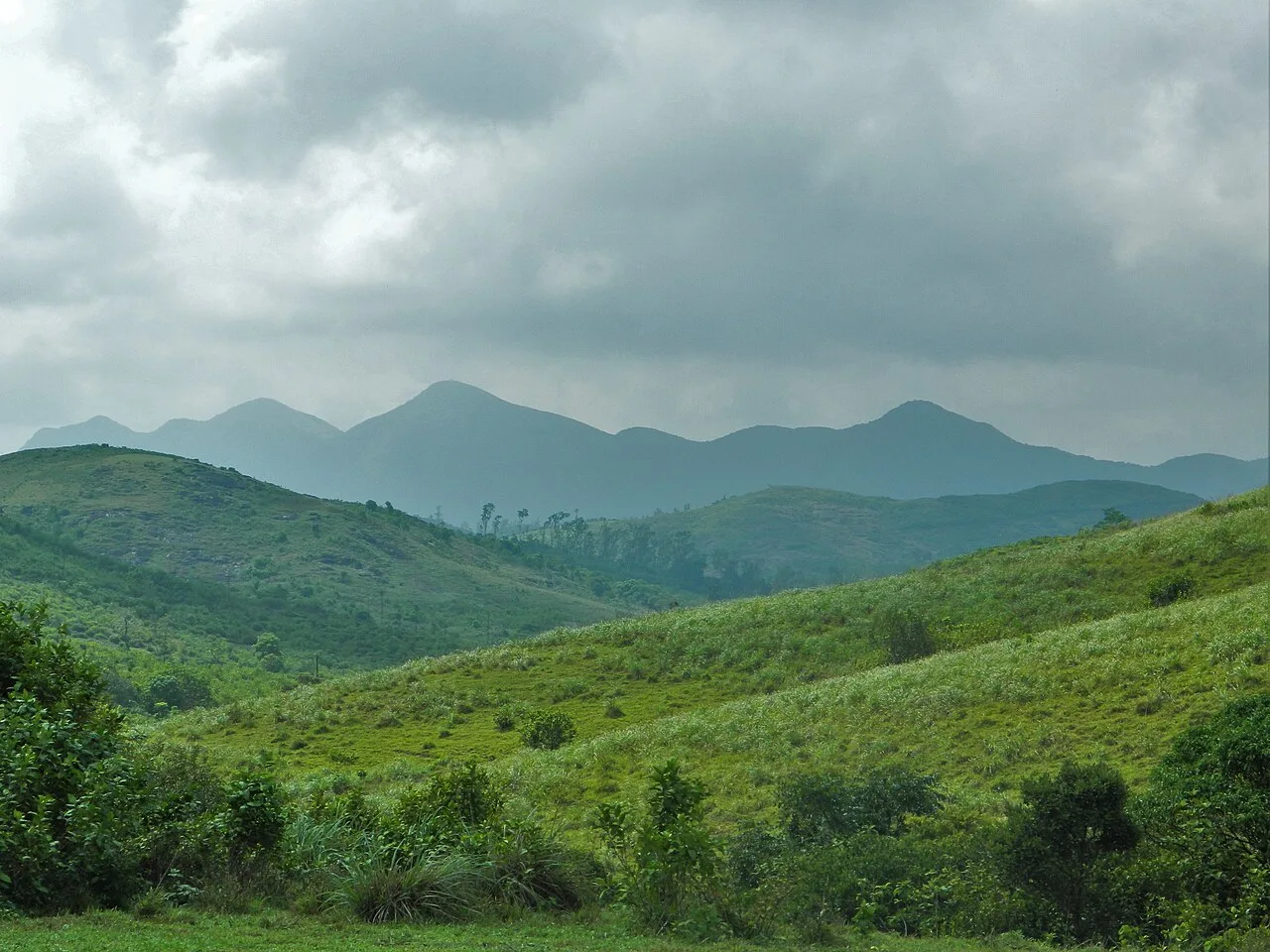
Vagamon Meadows, near Vagamon

City guide · Kerala

Vagamon

Vagamon is a hill station in Kerala’s Western Ghats, spread across parts of Idukki and Kottayam districts. Its highland setting, rolling grasslands, pine-covered slopes and cool, often misty weather make it a popular escape from the warmer lowlands.

Famous for

  • Western Ghats scenery
  • Tea plantations
  • Kurisumala Ashram
  • Vagamon glass bridge
  • Paragliding and trekking
In the city
1
District
Idukki

Why Vagamon matters

Vagamon is a hill station in Kerala’s Western Ghats, spread across parts of Idukki and Kottayam districts. Its highland setting, rolling grasslands, pine-covered slopes and cool, often misty weather make it a popular escape from the warmer lowlands. Tea plantations and rural communities are part of the landscape as well as its tourism appeal.

Visitors come to walk the meadows, explore viewpoints and forest trails, and try outdoor activities such as paragliding. The Vagamon glass bridge is a prominent attraction, while Kurisumala Ashram draws visitors seeking a quieter spiritual retreat. The surrounding hills also offer glimpses of plantation life and Kerala’s varied highland scenery. Vagamon matters to the region as a leisure destination and a gateway to outdoor experiences in the Idukki highlands. Its appeal lies less in urban attractions than in open landscapes, fresh air and the chance to explore at a slower pace.

Famous for: crafts, trade & products

Vagamon is best known for its tea-growing landscape rather than for textiles, a distinctive handicraft tradition or a major commercial market. Tea plantations shape the surrounding hills, and visitors may find locally produced tea in shops and resorts. Small shops and roadside sellers also offer Kerala food products and travel essentials; availability varies, and Vagamon is not a major wholesale or craft-shopping centre.

The area’s best-known institutions and attractions reflect its rural and natural character. Kurisumala Ashram is a Trappist monastery and retreat founded in 1955. Mitraniketan, established at Kurishumala in 1963 by Dr. Elizabeth Baker and architect Laurie Baker, is associated with rural service and climate-sensitive building. The glass bridge and adventure facilities have added to Vagamon’s visitor economy. Nearby towns are better options for a wider range of shopping, while in Vagamon visitors can look for tea, spices and locally made snacks at small stores. No particular GI-tagged product or signature textile is strongly associated with the hill station.

History

Vagamon remained relatively little known for a long time, although British-era plantations were established in the surrounding hills. Its growth as a settled and recognised highland area gathered pace after Walter Duncan and Company began tea planting in 1926. More plantations followed during the 1930s, tying local livelihoods and settlement to the tea industry.

From the 1940s, migrants arrived from Travancore and what is now Tamil Nadu; migration from other parts of Kerala continued after the state was formed. The area’s modern identity has also been shaped by religious and social institutions. Kurisumala Ashram was founded in 1955. In 1963, Dr. Elizabeth Baker and architect Laurie Baker established a hospital and rural service centre at Kurishumala to serve plantation workers and nearby communities. Laurie Baker’s work there is noted for its practical, climate-conscious use of local materials. In recent decades, tourism has become increasingly visible alongside plantations and rural life.

Food, festivals & culture

Malayalam is the main language, and Tamil is also heard, reflecting the area’s migration history and links with neighbouring regions. Food is typical of Kerala’s highlands: rice meals, puttu with kadala curry, appam with stew, tapioca and tea are common choices. Small eateries and homestays serve local dishes, though menus differ from place to place.

Onam, usually celebrated in August or September, and Vishu, in April, are important seasonal festivals in Kerala. Christmas and Easter are observed by Christian communities, while temple and church feasts bring local gatherings through the year. Kurisumala Ashram gives the area a distinctive monastic presence and is visited for prayer and retreat. Hindu temples, Christian churches and Muslim places of worship serve nearby communities. Kathakali and Mohiniyattam are well-known Kerala art forms, but performances are not a daily feature of Vagamon; visitors may encounter cultural programmes during festivals or at organised events.

Visiting the city

October to March is generally a comfortable period for walks and sightseeing, with cooler weather and clearer conditions. The monsoon months bring lush hills and mist, but heavy rain can affect outdoor plans and hill-road travel. Cochin International Airport is the nearest major airport, while Kottayam is the main railway station commonly used for onward road travel.

Vagamon is reached by winding hill roads, and local travel is easiest by car or taxi; buses connect the area with towns in the region. Allow time for steep, curving roads. Explore the meadows and viewpoints, the pine forest area, Kurisumala and Thangalpara, as well as plantation roads and village surroundings. The glass bridge and adventure attractions can be included in a day’s outing, subject to local conditions.

Attractions

Places to visit in Vagamon

Sights within about 12 km of each other, even when they fall in different districts.

Map

Vagamon on the map

  1. 1Vagamon Meadows

Kerala

Other cities to explore