
Ghumoopedia — Explore, Discover, Experience
Sign in
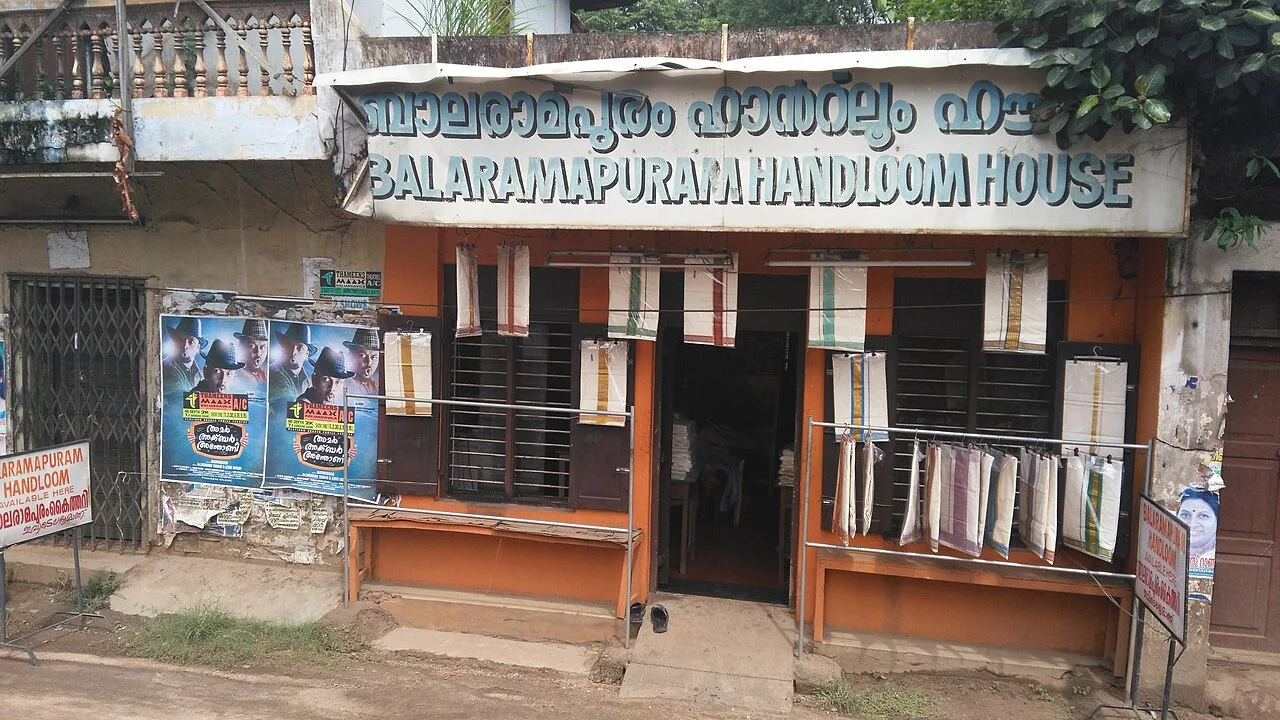
Balaramapuram, near Kovalam

City guide · Kerala

Kovalam

Kovalam is a seaside resort within Thiruvananthapuram, Kerala’s capital, about 12.6 km southeast of the city centre. Its curved coastline, rocky headlands and warm-water beaches make it one of the state’s best-known coastal destinations.

Famous for

  • Lighthouse Beach
  • Vizhinjam Lighthouse
  • Crescent-shaped beaches
  • Ayurvedic wellness retreats
  • Kerala seafood
In the city
1
District
Thiruvananthapuram

Why Kovalam matters

Kovalam is a seaside resort within Thiruvananthapuram, Kerala’s capital, about 12.6 km southeast of the city centre. Its curved coastline, rocky headlands and warm-water beaches make it one of the state’s best-known coastal destinations. The name means “coconut grove,” a fitting reference to the palms that frame much of the shore.

Three beaches anchor the visitor experience: Lighthouse Beach, Hawa Beach—also called Eve’s Beach—and Samudra Beach. The 36-metre Vizhinjam Lighthouse stands above Lighthouse Beach on Kurumkal hill, offering a landmark view of the coast. Visitors come for swimming and relaxation when sea conditions allow, seafood, and resort stays, as well as Ayurvedic treatments and wellness retreats. Fishing remains part of the coastal landscape, especially around Hawa and Samudra beaches. Kovalam’s proximity to Thiruvananthapuram makes it easy to combine a beach stay with the capital’s museums, temples and transport links. It is both a leisure destination and a gateway to the wider southern Kerala coast.

Famous for: crafts, trade & products

Kovalam is best known for tourism rather than for a major textile, craft or manufacturing industry. Its most recognisable local products are linked to the coast: fresh fish and seafood served in beachside restaurants, along with coconut-based foods and goods. The resort area also has small shops and stalls selling holiday souvenirs, beachwear and handicrafts. Visitors may find coconut-shell items, coir products, wood carvings and other crafts associated with Kerala, but these are not exclusive to Kovalam and availability varies.

Lighthouse Beach and the adjoining resort streets are the most convenient places to browse for souvenirs and everyday holiday necessities. For a broader selection of Kerala handicrafts, textiles and regional products, visitors can explore shops and markets in Thiruvananthapuram. Kovalam has also developed a reputation for Ayurvedic wellness: resorts and treatment centres offer therapies and related products, though visitors should check ingredients and credentials before buying or booking. The beach economy—accommodation, dining, wellness services and fishing—is more central to Kovalam’s identity than any particular GI-tagged product or local craft tradition.

History

Kovalam began as a coastal settlement with fishing at the centre of local life. Its transformation into a resort destination gathered pace in the late 1920s, when Regent Maharani Sethu Lakshmi Bayi of Travancore built Halcyon Castle as a beach retreat. The royal connection helped draw attention to the shore, and European visitors to Travancore recognised its appeal during the 1930s.

A wider international profile emerged in the early 1970s, when travellers on the hippie trail to Ceylon began stopping in Kovalam. The quiet fishing village developed into a popular destination, with guesthouses, restaurants and other visitor services growing around its beaches. The Kovalam Beach Resort, designed by architect Charles Correa between 1969 and 1974, became an early landmark of modern resort development. In later decades, Kovalam’s tourism economy broadened beyond beach holidays to include Ayurvedic treatments and wellness stays. Today it remains closely connected to Thiruvananthapuram while retaining fishing activity along parts of its coast.

Food, festivals & culture

Kovalam’s food reflects Kerala’s coastal cooking: fish curry, grilled or fried seafood, coconut-rich sauces, rice and staples such as appam and puttu are common choices. Menus in the resort area also cater to international visitors, so local dishes sit alongside familiar global fare. Onam, usually celebrated in August or September, is Kerala’s major harvest festival; Vishu falls in April. Christmas and Eid are also observed across the wider region, while temple festivals add seasonal processions and performances.

Malayalam is the principal language of the area. English is widely used in tourism, and visitors may also hear Hindi. Kerala’s performance traditions include Kathakali and Mohiniyattam, sometimes featured in cultural programmes for visitors. The coast is shaped by a mix of Hindu, Christian and Muslim communities, with places of worship found in Kovalam and nearby settlements. Fishing, hospitality and the rhythms of beach life are everyday parts of local culture, alongside the broader traditions of Thiruvananthapuram.

Visiting the city

The most comfortable period for a beach visit is generally October to March, after the southwest monsoon; sea conditions can vary, so check locally before swimming. The southwest monsoon brings heavier rain and rougher seas. Thiruvananthapuram International Airport is about 10 km away, and Thiruvananthapuram Central railway station is about 16 km away. Taxis and local buses connect the city and airport with Kovalam; auto-rickshaws and taxis are useful for shorter trips.

Lighthouse Beach is the main visitor hub, with restaurants, accommodation and the route up to Vizhinjam Lighthouse. Hawa Beach offers a more locally used stretch of coast, while Samudra Beach is quieter and separated by a rocky promontory. Nearby Vizhinjam is worth exploring for its fishing harbour atmosphere. Kovalam also works well as a coastal base for visiting central Thiruvananthapuram.

Attractions

Places to visit in Kovalam

Sights within about 12 km of each other, even when they fall in different districts.

Map

Kovalam on the map

  1. 1Balaramapuram

Kerala

Other cities to explore