
Ghumoopedia — Explore, Discover, Experience
Sign in
Nilambur Teak Forests, near Nilambur

City guide · Kerala

Nilambur

Nilambur Teak Forests are part of a wooded region in Malappuram district, Kerala, known for its teak, varied habitats and Chaliyar River setting. Visitors come to experience its forests and natural scenery.

Famous for

  • Nilambur teak
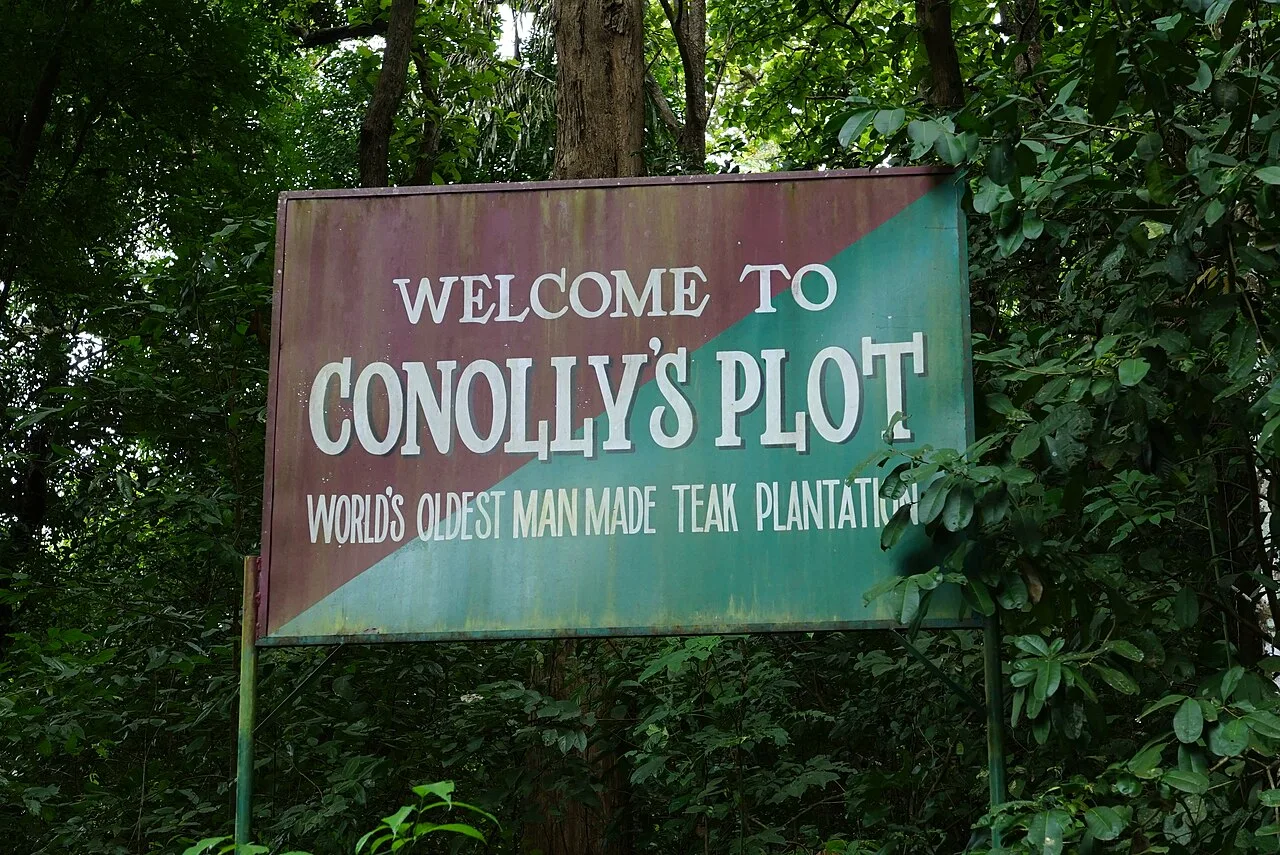
  • Conolly’s Plot
  • Nilambur Teak Museum
  • Nilambur Kovilakam
  • Chaliyar River
  • UNESCO Learning City
In the city
1
District
Malappuram

Why Nilambur matters

Nilambur is a green town in Malappuram district, set beside the Chaliyar River near the forested foothills of the Western Ghats. It serves as a local centre for the surrounding taluk and is best known for its teak, which has shaped the area’s history, landscape and trade. The town’s nickname, “Teak Town”, reflects the prominence of Nilambur teak, a forest product with a Geographical Indication tag.

Visitors come to see the Teak Museum and Conolly’s Plot, regarded as the world’s oldest teak plantation, as well as the historic Nilambur Kovilakam. The Chaliyar and nearby wooded country add to the appeal for travellers interested in rivers, forests and rural landscapes. Nilambur is also part of the Nilgiri Biosphere Reserve region. In 2022, it joined UNESCO’s Global Network of Learning Cities, recognising local efforts to support lifelong learning. Its mix of forestry heritage, cultural landmarks and access to the Western Ghats makes it an important stop in northern Kerala.

Famous for: crafts, trade & products

Nilambur’s signature product is its teak, prized for its strength and used in furniture, construction and traditional boatbuilding. Nilambur teak was the first forest produce in India to receive a Geographical Indication tag. The town’s forestry story is best explored at the Teak Museum, which presents information on teak and forest research, and at Conolly’s Plot, a historic plantation established in the nineteenth century. The museum is maintained by the Kerala Forest Research Institute.

Nilambur is not primarily a textile or handicraft centre; its identity is closely tied to timber and forest products. Visitors looking for teak furniture or woodwork can enquire at established local furniture and timber businesses, and should choose authorised sellers. The town’s institutions and heritage sites are also part of its appeal: the Teak Museum interprets the region’s forestry legacy, while Nilambur Kovilakam recalls the former ruling house. The historic Nilambur–Shoranur railway line is another reminder of how teak shaped local trade and transport.

History

Nilambur is associated with the former Nilambur Kingdom, and its name is believed to derive from Nilambapuri, an earlier name for the kingdom. The Nilambur Rajas ruled from Nilambur Kovilakam and were vassals of the Zamorins of Calicut. The Nilambur plates, discovered in the town, are among its notable historical finds.

Under British rule, the area was known in records as Nilambur Valley and became especially important for teak. A government plantation established in 1844 is remembered today as Conolly’s Plot, named after Henry Valentine Conolly, the Malabar district collector. Teak from the region was used in shipbuilding, including for vessels built at Beypore. The British-era Nilambur–Shoranur railway helped move timber towards the coast and remains known for its scenic route. In modern times, Nilambur has grown as a municipal and taluk centre, while forestry, heritage tourism and education continue to shape its public identity. Its inclusion in UNESCO’s Global Network of Learning Cities in 2022 marked a further chapter in that development.

Food, festivals & culture

Malayalam is the main language of daily life. The wider Malappuram region’s food culture brings together Kerala and Malabar traditions: visitors may find dishes such as pathiri, Malabar biryani, appam and seafood, along with snacks and sweets including unnakaya. Recipes and menus vary between homes and eateries, so local restaurants are a good way to discover seasonal specialities.

Onam, usually celebrated in August or September, and Vishu in April are important parts of Kerala’s festival calendar. Eid is also widely observed in the region. Nilambur is associated with the Nilambur Pattu festivities at the Kovilakam, where ritual performance and music form part of local heritage. Mappilappattu and Oppana belong to the broader Muslim cultural traditions of Malabar, while temple celebrations may feature traditional Kerala music and dance. Temples, mosques and churches serve communities across the town and its surrounding settlements.

Visiting the city

The drier months from October to February are generally comfortable for exploring; the monsoon brings heavy rain but also lush scenery. The nearest airport is Calicut International Airport, also called Kozhikode Airport. Nilambur Road is the town’s main railway station, with rail connections on the Nilambur–Shoranur line.

Auto-rickshaws and local buses are useful for getting around town, while a hired vehicle can help with visits beyond the centre. Explore the Teak Museum and Conolly’s Plot for the forestry heritage, and visit Nilambur Kovilakam for a sense of the town’s history. The Chaliyar riverfront and nearby wooded areas offer a quieter change of scene. Check local access conditions before planning trips to forest or waterfall areas, especially during the rainy season.

Attractions

Places to visit in Nilambur

Sights within about 12 km of each other, even when they fall in different districts.

Map

Nilambur on the map

  1. 1Nilambur Teak Forests

Kerala

Other cities to explore