
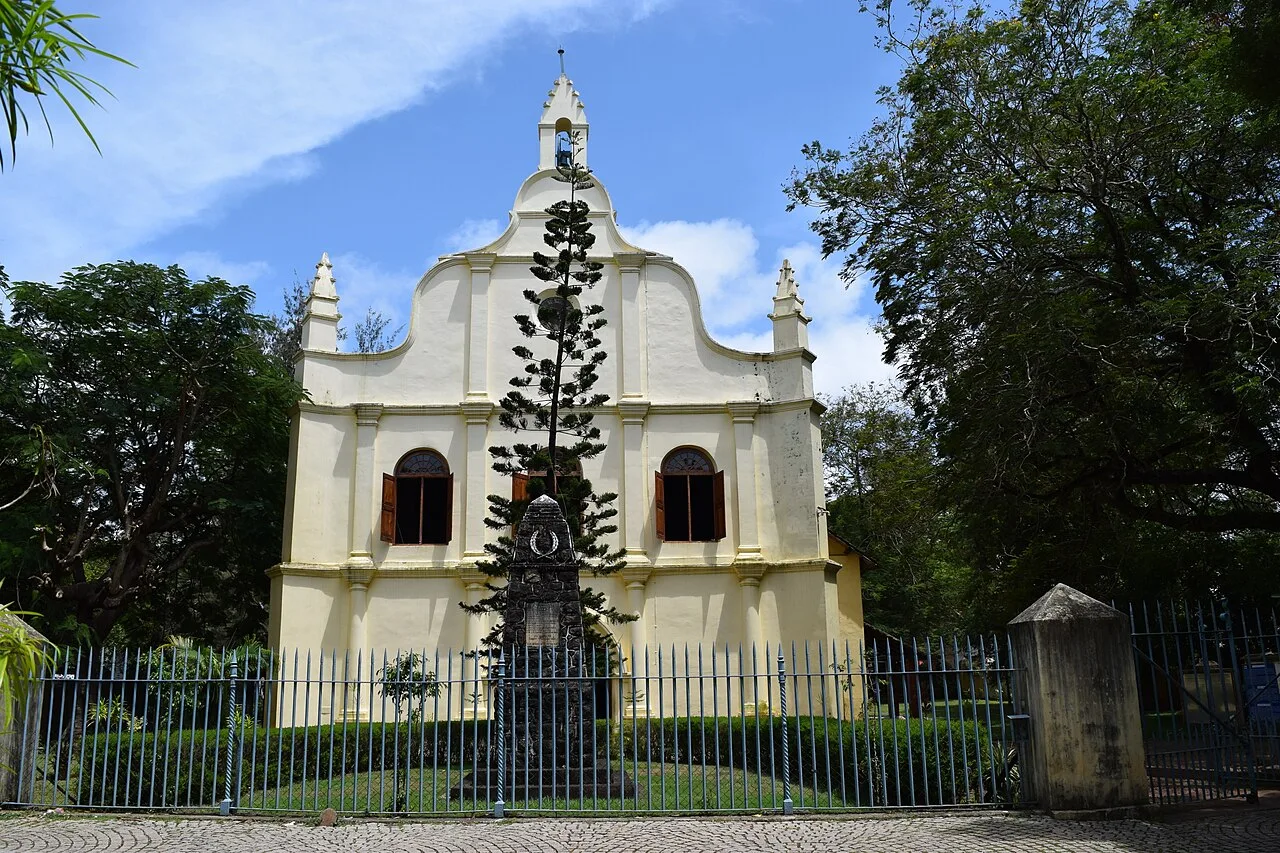
St. Francis Church, Fort Kochi
St. Francis Church is a historic church in Fort Kochi, Kerala. Visitors are drawn by its early European history and its connection to Vasco da Gama’s burial.
Key facts · verified by Ghumoopedia editors
- Type of place
- Temple / pilgrimage site
- Best time to visit
- September to March; June to August for monsoon Ayurveda and green landscapes
- Nearest railway station
- Ernakulam Junction · about 5 km (straight line)
- Nearest airport
- Cochin International Airport · about 27 km (straight line)
- Verified
- 21 Nov 2026
Plan a trip from St. Francis Church, Fort Kochi — a day-by-day route through places nearby.
Situated in Fort Kochi, in Kerala’s Ernakulam district, St. Francis Church dates to 1503. It is among the earliest churches of European origin in India, and its history reflects European colonial ambitions in the subcontinent. Portuguese explorer Vasco da Gama died in Kochi in 1524, during his third journey to India. He was first buried at the church. Fourteen years later, his remains were transferred to Lisbon, where they are now interred at Jerónimos Monastery. Its early construction and association with Vasco da Gama connect the church with the history of European colonial ambitions in India. Kerala packs a lot into a narrow strip: the backwaters and houseboats of Alappuzha and Kumarakom, the tea hills of Munnar and the spice forests of Thekkady, the beaches of Kovalam, Varkala and Bekal, the colonial and Jewish heritage of Fort Kochi, and living art forms — Kathakali, Theyyam, Mohiniyattam and temple festivals with caparisoned elephants. Kerala is warm and humid at sea level all year. The southwest monsoon from June to September brings very heavy rain, and the northeast monsoon adds showers in October and November; the hill stations of Munnar, Wayanad and Vagamon are cool year-round and cold on winter nights. The usual best time to visit is September to March; June to August for monsoon Ayurveda and green landscapes. Timings, fees and access arrangements must be confirmed locally. For official information, see Kerala Tourism at https://www.keralatourism.org.
Why it matters
St. Francis Church is an important landmark in Fort Kochi and a witness to the Portuguese, Dutch and British presence on the Malabar Coast. It is widely described as one of the oldest European-built churches in India. Its best-known historical association is with the explorer Vasco da Gama, who died in Kochi in 1524 and was first buried here; his remains were later taken to Portugal. The church remains an active Christian place of worship as well as a heritage site visited by people of many faiths. The Archaeological Survey of India lists it as a protected monument, reflecting its national historical and architectural value.
Portuguese Franciscan friars established the church in Fort Kochi in the early sixteenth century, traditionally dated to 1503. The first structure is understood to have been timber; it was later rebuilt in masonry, commonly dated to 1516. Vasco da Gama died in Kochi in 1524 during his third voyage to India and was buried in the church. Fourteen years later, his remains were transferred to Portugal, though his burial marker is still associated with the building. Control of Kochi changed hands during the colonial period. After the Dutch took the city in 1663, the church was used by the Dutch Reformed community. The British took Kochi in the late eighteenth century, and the building subsequently served an Anglican congregation. In 1949, following the formation of the Church of South India, it became part of that church's worshipping community. The building has undergone repairs and conservation over time; its protected status means that changes to the historic fabric are subject to heritage oversight. The church’s successive uses reflect the changing European powers and Christian communities in coastal Kochi.
Origin stories & folklore
St. Francis Church is not especially associated with a widely documented supernatural origin legend. Stories told about the site tend to centre on its early Portuguese period and Vasco da Gama’s burial. Local memory often presents the church as a place where the explorer’s body rested before being returned to Portugal; this is a historical account rather than a legend. Visitors may also hear broader Fort Kochi tales about seafarers, traders and communities arriving across the Arabian Sea. These stories are part of the region’s oral heritage, but details can vary, and they should not be mistaken for documented facts about the church’s construction.
Architecture & design
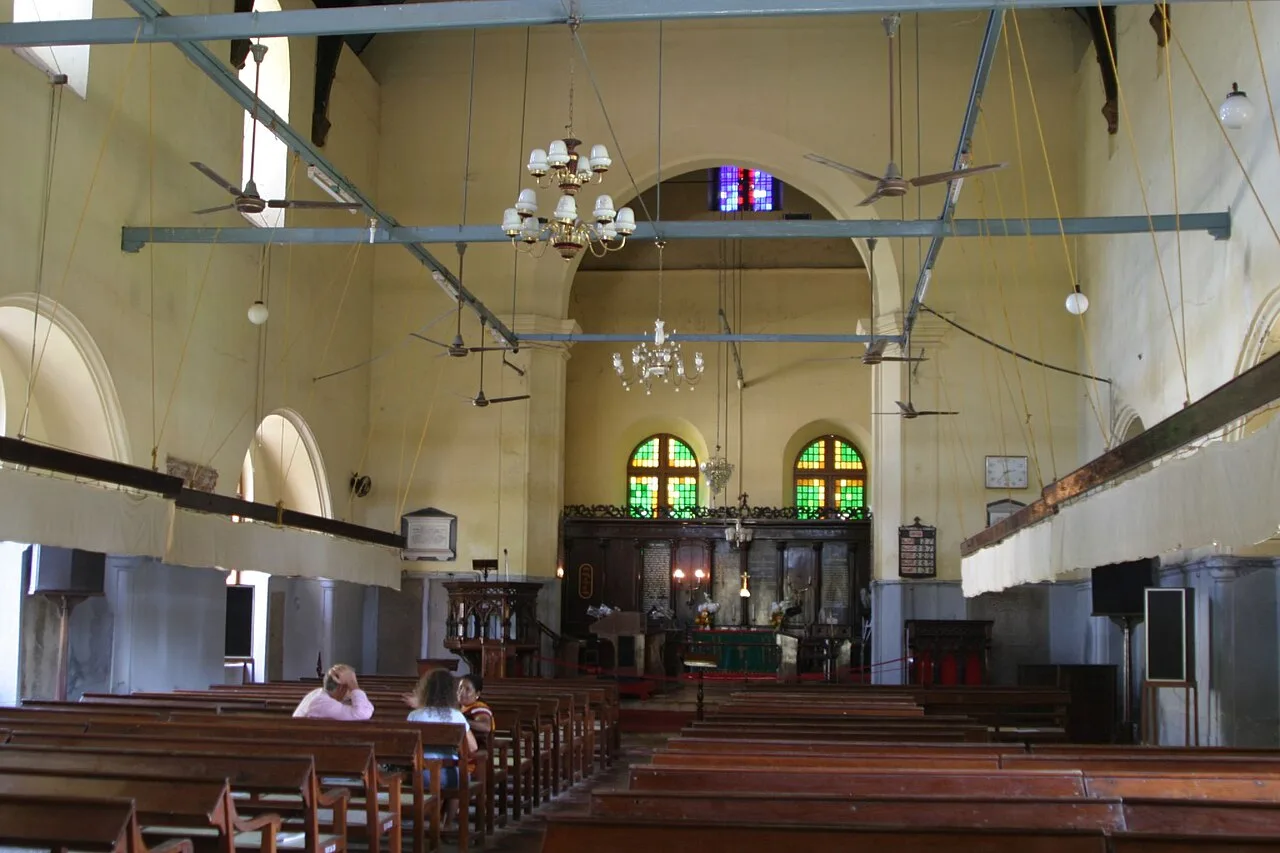
The church is a relatively simple, historic European-style building, with a whitewashed exterior, a pitched roof and a restrained façade. Its early fabric is associated with Portuguese colonial church building, while later periods of Dutch and British use shaped its history and appearance. The structure is generally described as having begun as a timber building before being rebuilt in masonry. Inside, the layout is that of a Christian church, with a central nave leading towards the sanctuary and rows of seating for worshippers. Timber features and an uncluttered interior give the building a plain, functional character rather than the elaborate decoration found in some later churches. The combination of European ecclesiastical form and local construction materials reflects the coastal setting. As a protected historic structure, it should be viewed as a layered building whose details have been maintained and altered over several centuries.
Important objects & sculptures
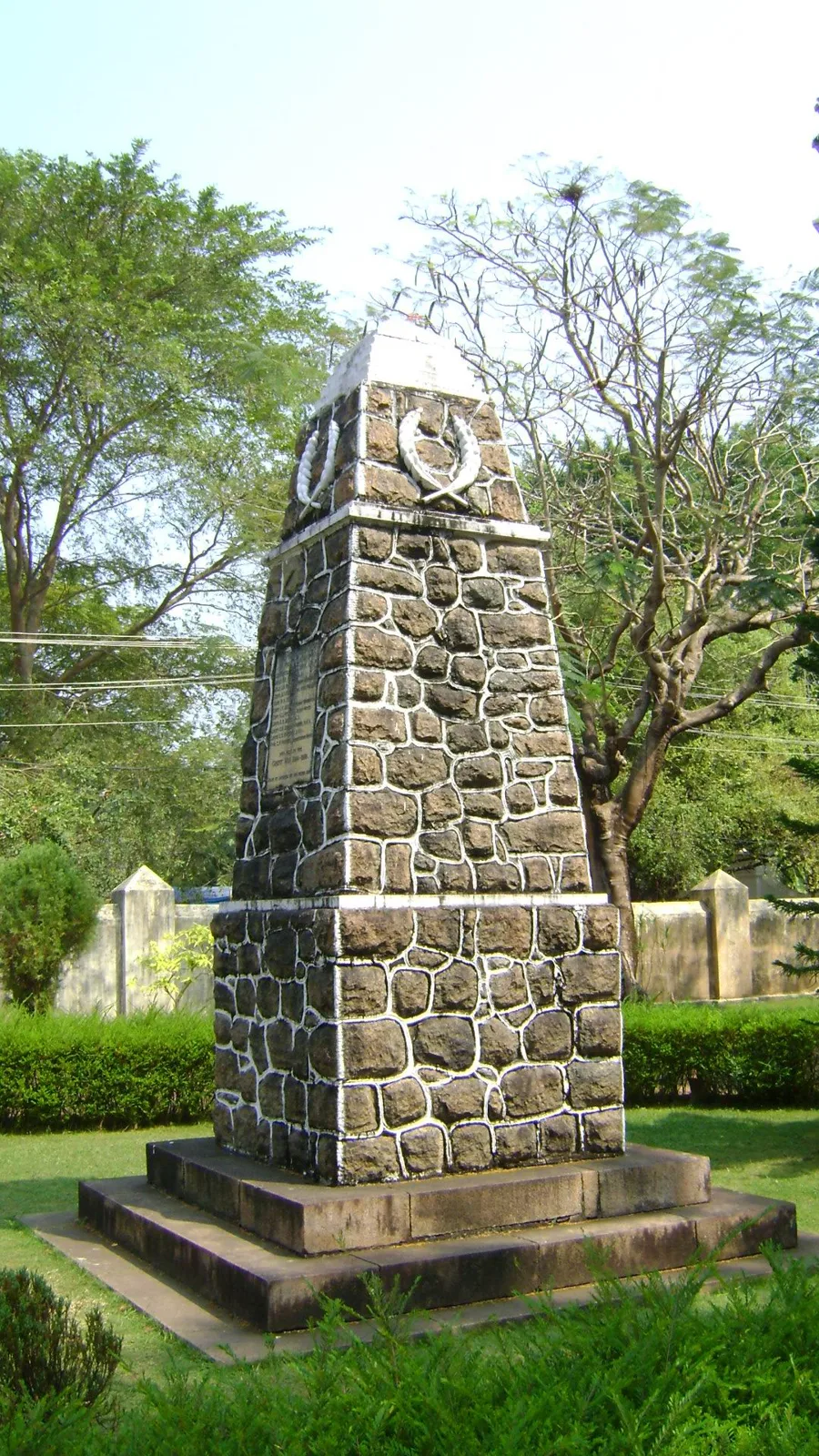
Look for the burial marker associated with Vasco da Gama, whose remains were moved to Portugal in 1538. The marker commemorates the church’s connection with the explorer, rather than containing his remains today. Historic gravestones and memorial inscriptions within the church also record the presence of European communities in Fort Kochi. Their names, dates and styles offer clues to the people who worshipped and lived here across different colonial periods. Visitors should take time to notice the church’s restrained interior fittings and historic woodwork, where accessible, but not touch, lean on or attempt to move objects. Some inscriptions may be difficult to read, and interpretation or access to particular areas can vary.
Religious significance
St. Francis Church is a Christian place of worship and is part of the Church of South India, a Protestant church formed through the union of several church traditions. Worshippers come for services, prayer and important moments in the Christian calendar. The building’s historic connection to Portuguese Franciscans and later Dutch Reformed and Anglican congregations gives it a religious history shaped by changing communities. Today, its significance is both devotional and historical: it remains a church, not simply a monument. Visitors who are not attending worship are welcome to appreciate the building respectfully, but should give services and personal prayer priority. Follow any instructions from church staff, keep voices low and avoid entering areas reserved for worship or clergy.
Visit St. Francis Church with time to observe daily prayers and rituals respectfully. Follow the posted rules on footwear, photography, phones, head covering and dress, and avoid interrupting worshippers; popular shrines may have separate queues and mobile-phone deposit counters. Beware of unofficial agents offering quick darshan for a fee. A comfortable itinerary is one main visit in the morning, a local meal at midday and a short nearby stop before an afternoon return. Use the district list on this site to find other places in Ernakulam, but check the route and its condition before combining stops. If a festival is on — such as Onam, Thrissur Pooram, the Nehru Trophy snake-boat race on Punnamada Lake, the Theyyam season in Kannur and Kasaragod, or the Attukal Pongala — roads and stays can be busy, and the experience can be unforgettable. Leave no litter: many sites are protected by the communities around them.
Suggested itineraries
Half day: Visit St. Francis Church (45–60 minutes), walk to the Chinese fishing nets and Fort Kochi waterfront (45 minutes), then explore nearby lanes and have a local meal (about 1 hour). Full day: Begin at St. Francis Church (45–60 minutes), continue to Santa Cruz Basilica and the waterfront (1–2 hours), take a break for lunch, then visit Mattancherry Palace and the Paradesi Synagogue area (allow 2–3 hours, checking access in advance). Gentler option: Visit the church at an unhurried pace, rest at a nearby café, and choose one close-by stop reachable with minimal walking; arrange a vehicle drop-off close to each destination.
The church stands within Fort Kochi’s culturally layered neighbourhood, where Malayali life meets histories of Portuguese, Dutch, British, Arab and other maritime connections. Malayalam is widely spoken locally, and English is commonly understood in visitor-facing settings. Christian worship and church-calendar observances remain part of community life, while the wider area is known for art events, heritage walks and cafés. Visitors may encounter local residents in everyday dress alongside tourists and worshippers; there is no special costume associated with visiting the church. The best way to engage with this living culture is to be considerate during services, ask before photographing people and support local businesses without treating the neighbourhood as a staged attraction.
Festivals & events
Christian observances such as Christmas in December and Holy Week and Easter, which fall in March or April depending on the year, are marked by worship and community gatherings. The feast day associated with St. Francis of Assisi is observed in October in many Christian communities, though visitors should check whether the church holds a public celebration. Nearby Fort Kochi is also busy during the Cochin Carnival, usually around late December and early January. Festival periods can bring larger crowds, altered local movement and fuller accommodation. These events are community occasions; visitors should follow church guidance and avoid obstructing services or processions.
Local food in Kerala includes appam with stew, puttu with kadala curry, idiyappam, the vegetarian sadya served on a banana leaf, Kerala parotta with beef or chicken fry, Malabar biryani and pathiri in the north, karimeen pollichathu (pearl-spot fish in banana leaf), toddy-shop fish curry, banana chips and many kinds of payasam. Ask what is fresh that day; many small eateries cook a limited daily menu. Coconut oil and coconut are used in most dishes; ask for less spice if needed. Toddy shops serve some of the best fish curry in Kerala, and a full sadya is the highlight of Onam. Remote sites may have no restaurant at all. Carry water and snacks, eat a proper breakfast before long drives, and ask your accommodation for a packed lunch if you are heading out early. If prasad is offered, accept it according to local custom. Choose clean places, drink sealed or filtered water, and carry your packaging back with you.
Shopping & local experiences
Fort Kochi and nearby Mattancherry have shops selling spices, locally made crafts, textiles, artwork and small souvenirs. Jew Town is known for its heritage-oriented shops, though stock and authenticity vary. Visitors interested in antiques should ask about provenance and avoid buying protected cultural objects or items whose export legality is unclear. Local cafés and restaurants offer Kerala dishes and seafood, alongside other cuisines. Choose locally run businesses where possible, and carry reusable bags to reduce packaging. Shopping is not part of the church visit itself, so keep purchases and food outside the worship space.
September to March; June to August for monsoon Ayurveda and green landscapes
The nearest principal railway station by straight-line distance is Ernakulam Junction, roughly 5 km away. The nearest operating airport by straight-line distance is Cochin International Airport, roughly 27 km away. These figures are calculated from map coordinates — actual road distance is longer. Thiruvananthapuram, Kollam, Kottayam, Ernakulam, Thrissur, Shoranur, Kozhikode and Kannur are the main rail stops along the coast line; Kochi, Thiruvananthapuram, Kozhikode and Kannur have international airports. For the final leg, KSRTC buses (from ordinary to air-conditioned Swift services), fast private buses, metered autos, app cabs and the Water Transport Department's public ferries in the backwaters link the towns. Distances look short on the map, but road and town traffic are slow, so allow extra time. When comparing train, bus and flight, count the complete door-to-door time: a flight saves the most time only if the onward road transfer is short, while an overnight train can save a hotel night. Kerala's coastal rail line is busy, so reserve trains early; KSRTC buses are frequent and often quicker to hill stations. Book your return before you leave, because seats fill quickly on weekends, festivals and holidays. Current train numbers, timings, return services and fares are not listed here; check IRCTC and NTES for trains and the airline's own schedule for flights. No permit is needed to visit Kerala. Several major temples, including Sree Padmanabhaswamy in Thiruvananthapuram and Guruvayur, admit only Hindus and enforce a strict dress code — men wear a mundu (dhoti) and remove shirts, women wear a saree or long skirt. Forest activities in Periyar, Eravikulam, Silent Valley, Parambikulam and Thattekad must be booked with the Kerala Forest Department, and Eravikulam National Park usually closes in February and March for the Nilgiri tahr calving season.
Confirm onward and return timings on IRCTC / NTES, the state bus operator or your airline before travel. A dash means current timings or fares have not been verified.
Getting around
Fort Kochi is best explored on foot for short visits, though pavements can be uneven and distances between attractions add up. Auto-rickshaws and taxis can take visitors around the peninsula; app-based rides may also be available, depending on demand. Local buses connect Fort Kochi with other parts of Kochi, while public ferries serve routes across the harbour and backwaters; check the route before boarding, as a ferry may not stop near the church itself. Vehicle access and parking can be limited on busy days, so consider being dropped nearby and walking the final stretch. Allow extra time for town traffic.
Hours, tickets & permissions
Entry arrangements can differ between worship periods and visitor visits. The church may restrict access during services or for conservation, and some interior areas may not be open to visitors. Ticketing, permits, photography permissions and any other entry conditions can change. There is no need to assume that every visitor rule is the same as at nearby heritage attractions. Confirm current opening arrangements, hours and any fees directly with the church or its managing authority before travelling. Respect notices at the entrance and any instructions from staff or worshippers.
Facilities
Facilities inside the church may be limited, as it is an active historic building. Toilets, drinking water, cafés and small shops are usually available in the wider Fort Kochi area, but check locally for the nearest options. Nearby restaurants offer meals and refreshments. Parking is not guaranteed close to the entrance, especially during busy periods. Guides and heritage walks can often be found in the neighbourhood, though availability and quality vary. ATMs are more likely to be found in the broader town area than immediately beside the church. Carry water and confirm facilities before setting out, particularly if travelling with children or older visitors.
Accessibility
Fort Kochi’s streets and footpaths can be uneven, and the approach may involve walking from a vehicle drop-off or parking area. As a historic church, the building may have steps, thresholds or flooring that is difficult for wheelchairs and strollers; do not assume a ramp or step-free route is available. Shade is limited along some streets, so plan pauses and carry water in warm weather. Older visitors may find the short visit manageable with time to rest, but should check access conditions locally before arrival. If mobility is a concern, contact the church or arrange assistance in advance rather than relying on facilities being available.
No permit is needed to visit Kerala. Several major temples, including Sree Padmanabhaswamy in Thiruvananthapuram and Guruvayur, admit only Hindus and enforce a strict dress code — men wear a mundu (dhoti) and remove shirts, women wear a saree or long skirt. Forest activities in Periyar, Eravikulam, Silent Valley, Parambikulam and Thattekad must be booked with the Kerala Forest Department, and Eravikulam National Park usually closes in February and March for the Nilgiri tahr calving season. Carry a photo ID at all times and save the emergency number 112 and your accommodation's contact offline. Watch your belongings in crowds and on public transport, and follow posted instructions.
Visitor rules
St. Francis Church is a place of worship as well as a heritage site. Dress modestly and follow any posted instructions about footwear, head covering or access to particular areas. Keep voices low, silence phones and do not interrupt prayer or services. Photography may be restricted inside or during worship; ask or check notices before taking pictures. Do not touch historic fittings, inscriptions or memorials, and stay out of closed areas. Avoid littering and single-use plastic, and follow local waste guidance. Be considerate of worshippers and staff, and do not pay unofficial agents who promise special access.
Photography
The church exterior and surrounding Fort Kochi streets can be appealing in soft morning or late-afternoon light. Check posted rules before photographing inside; permission may be limited during services or in particular areas. Do not photograph worshippers, clergy or private prayer without consent, and never interrupt a service to get a picture. Keep equipment unobtrusive and avoid blocking entrances. Drone use is subject to local aviation and site restrictions, so do not fly one without confirming the applicable permissions. Respect conservation notices and avoid leaning equipment against historic surfaces.
Choose a stay by the full journey to St. Francis Church, not just the district name. Kerala Tourism's classified homestays are good value and a way to taste home cooking; beach towns have everything from hostels to Ayurveda resorts. In summer, check air-conditioning and backup power; in the monsoon, check that the property is accessible if roads flood. Book in advance for weekends, festivals and the peak season (September to March; June to August for monsoon Ayurveda and green landscapes). Confirm the exact location, meals included, check-in time and cancellation terms in writing. Avoid sending money to unverified contacts or touts at stations. Carry some cash, as card and digital payments can be unreliable in remote areas.
Within Fort Kochi, visitors can combine the church with Santa Cruz Basilica, the Chinese fishing nets, Fort Kochi Beach and the Dutch Cemetery. The Indo-Portuguese Museum is another nearby heritage stop; check its current access arrangements before planning around it. Mattancherry offers Mattancherry Palace and the Paradesi Synagogue and Jew Town area, where opening arrangements may differ by day. These sites can be reached by local transport or, depending on the route, by walking and ferry connections. They are all in the wider Kochi area, but traffic and time between stops should be considered when planning a day.
For couples, St. Francis Church rewards a slow pace: arrive early for soft light and fewer crowds, share a local meal and keep the evening free. An overnight houseboat on Vembanad, a sunset on the Varkala cliffs or a misty morning walk through Munnar's tea estates makes the trip memorable. Public displays of affection can be frowned upon in conservative communities and at religious sites, so be discreet. Keep a buffer in your itinerary, because weather and road conditions can delay plans.
Q: How much time should I allow for St. Francis Church? A: Allow around 45–60 minutes for a respectful visit, with extra time if you are exploring nearby Fort Kochi. Q: What is the best season to visit? A: September to March is generally more comfortable in Kerala; expect heavy rain during the southwest monsoon from June to September. Q: Is there an entry fee? A: Entry arrangements can change. Confirm any current fee or visitor conditions with the church or managing authority. Q: Is the church suitable for children and elderly visitors? A: It can be visited by families, but uneven paths, steps and limited shade may require extra care and rest breaks. Q: Where can I stay nearby? A: Fort Kochi has guesthouses, homestays and hotels; book ahead during major events and busy travel periods.
Be the first to share photos, stories, advice or a helpful contact for St. Francis Church, Fort Kochi.
Loading…