
Meghamalai
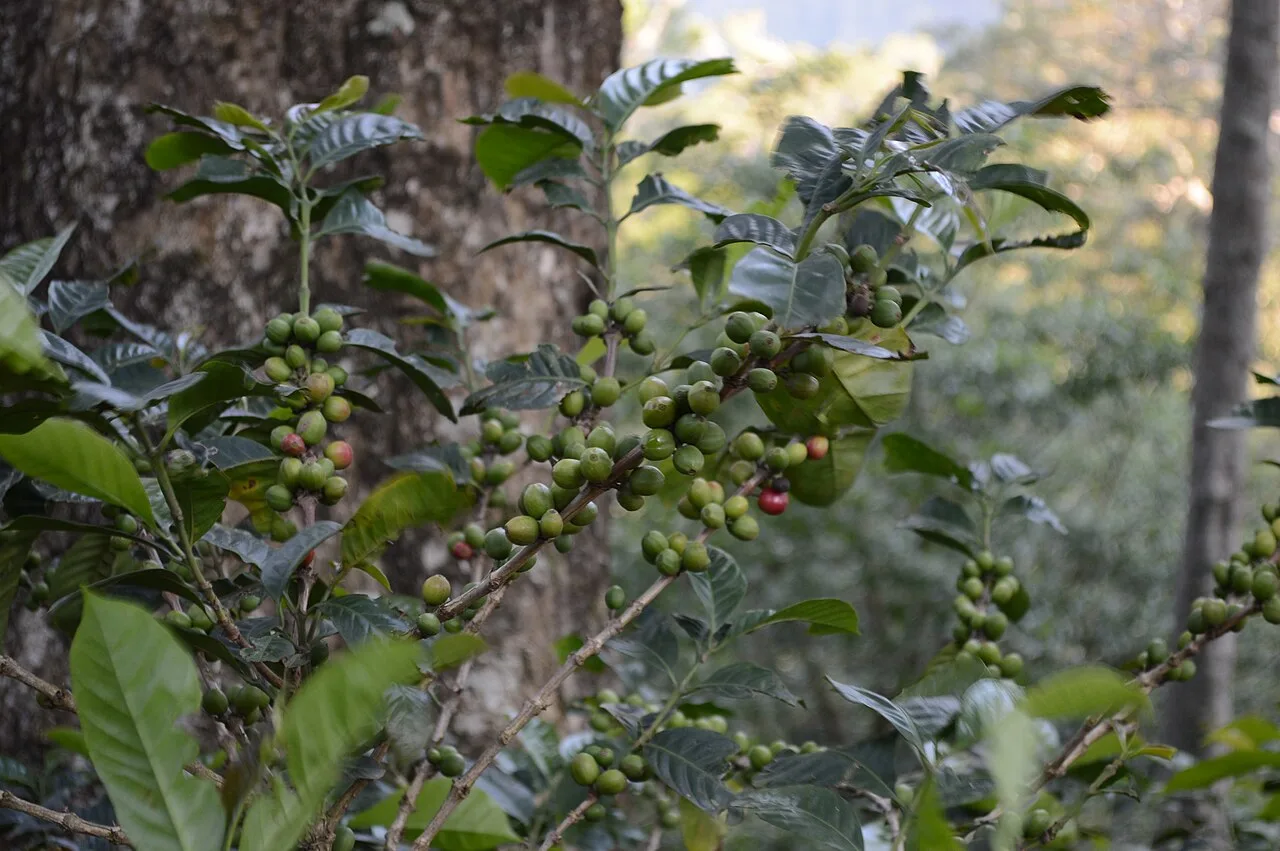
Meghamalai is a mountain range in the Western Ghats, in Tamil Nadu’s Theni district near Kumily. Visitors are drawn to its tea and cardamom plantations, high-altitude setting and surviving evergreen woodland.
Key facts · verified by Ghumoopedia editors
- Type of place
- Temple / pilgrimage site
- Best time to visit
- November to February; April to June for the hill stations
- Nearest railway station
- Virudhunagar Junction · about 63 km (straight line)
- Nearest airport
- Madurai Airport · about 77 km (straight line)
- Verified
- 21 Nov 2026
Plan a trip from Meghamalai — a day-by-day route through places nearby.
Located near Kumily in Theni district, Tamil Nadu, Meghamalai forms part of the Western Ghats. The range is also called the High Wavy Mountains and rises to around 1,500 metres above sea level. Its landscape supports diverse plant and animal life. Tea cultivation now occupies much of the area, while cardamom is also grown there. The estates include Cloudlands, High Wavys, Venniar and Manalar, all belonging to the Woodbriar Group. Access across much of Meghamalai is restricted, but largely undisturbed evergreen forest remains. These cultivated slopes and forest remnants give the mountain region its character. Tamil Nadu is the land of great living temples — Madurai's Meenakshi, Thanjavur's Brihadeeswara, Srirangam, Chidambaram and Rameswaram — along with the Pallava shore monuments of Mamallapuram, the Chettinad mansions, the hill stations of Ooty and Kodaikanal and the meeting of three seas at Kanyakumari. The state is hot from March to June, gets light southwest-monsoon rain from June to September, and receives its main rainfall from the northeast monsoon between October and December. January to March is the most comfortable season; the Nilgiri and Kodaikanal hills are cool year-round. The usual best time to visit is November to February; April to June for the hill stations. Timings, fees and access arrangements must be confirmed locally. For official information, see Tamil Nadu Tourism at https://www.tamilnadutourism.tn.gov.in.
Why it matters
Meghamalai, also known as the High Wavy Mountains, is a mountain range in the Western Ghats of Theni district, Tamil Nadu. Its high-elevation landscape, tea and cardamom plantations, and remnants of evergreen forest give it regional importance for scenery, biodiversity and plantation life. The range reaches about 1,500 metres above sea level, according to the destination guide. This is a hill destination, not a known temple complex or established pilgrimage site; visitors should not assume that it has a principal shrine or formal religious designation. The wider Western Ghats are recognised for their biodiversity, but no specific UNESCO or Archaeological Survey of India designation for Meghamalai itself is confirmed here. Access to parts of the area is restricted, so conservation rules matter.
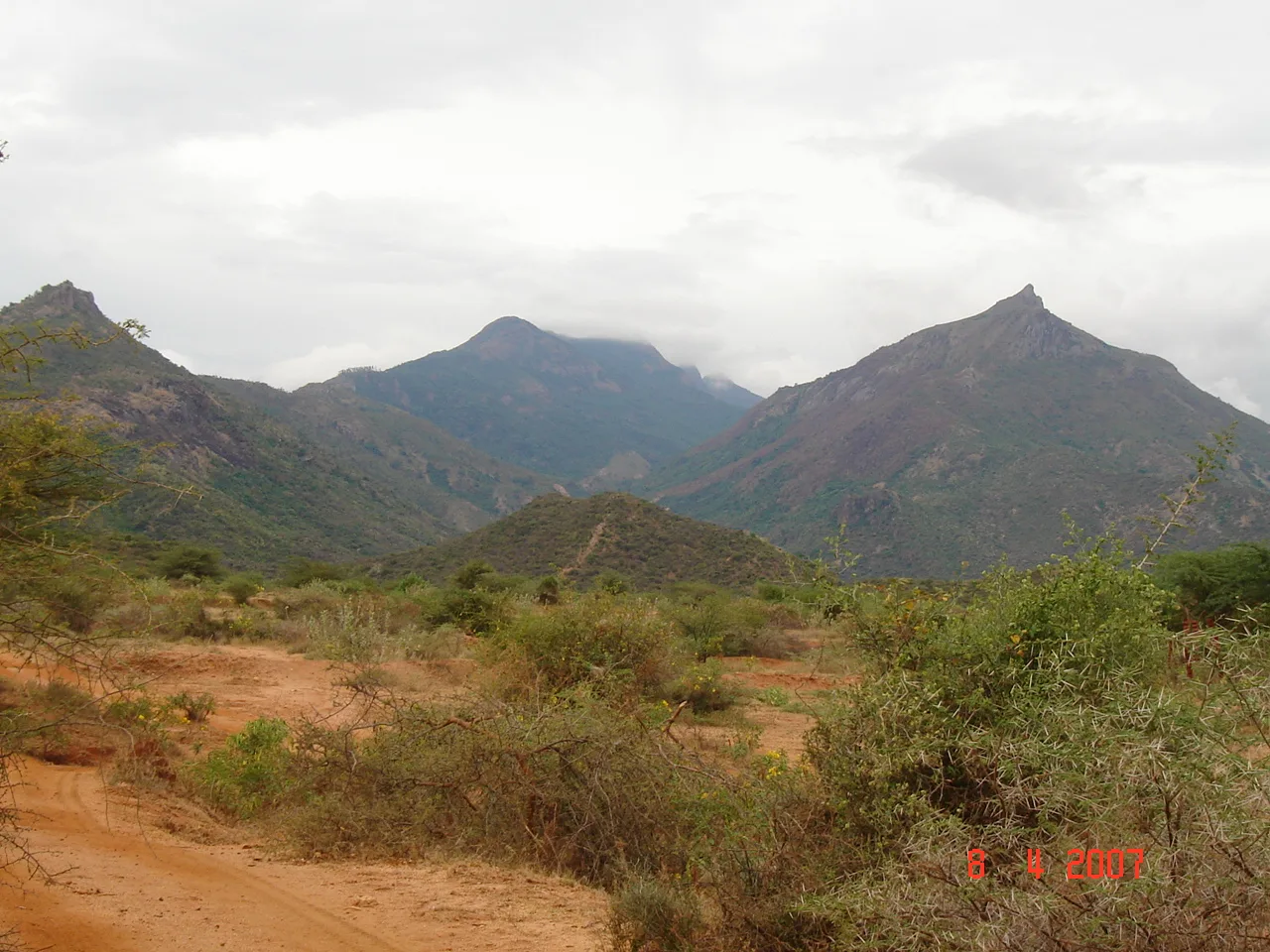
Meghamalai’s recorded character is chiefly that of a mountain landscape shaped by forests, plantations and changing access, rather than a documented temple settlement. The area lies in the Western Ghats and includes remnants of evergreen forest as well as extensive cultivated land. Tea and cardamom growing are prominent features of its present-day identity. The destination guide identifies the Cloudlands, High Wavys, Venniar and Manalar estates as properties belonging to the Woodbriar Group. These estate names reflect the plantation landscape, but reliable dates for their establishment or a detailed account of earlier ownership are not established here. The area’s development as a plantation region changed parts of the landscape, while sections of forest remain and access is largely restricted. No well-documented founding date, temple builder, historic shrine, or major restoration campaign is associated with Meghamalai as a whole. Visitors seeking a fuller account of local forest management, plantation history or community history should consult local authorities or knowledgeable residents rather than infer a chronology from the landscape alone.
Origin stories & folklore
No widely documented origin legend specific to Meghamalai as a pilgrimage site is established here. The name is commonly associated with the area’s high, cloud-wreathed mountains, and visitors may encounter local stories about the hills, forests and their wildlife. Such accounts belong to oral tradition and can vary between communities; they should not be presented as verified history. Meghamalai is primarily known as a mountain and plantation destination, not as a shrine with a single, commonly recognised foundation story. Ask residents respectfully if they wish to share local lore, and distinguish personal or community belief from historical evidence.
Architecture & design
Meghamalai is a natural mountain landscape rather than a temple or architectural monument. Its most visible human-made features are plantation roads, estate buildings and cultivated slopes among hills that rise to about 1,500 metres. Tea and cardamom plantations form much of the managed landscape; evergreen forest survives in less-disturbed areas. There is no confirmed monumental shrine, carved gateway, formal temple enclosure or historic architectural plan to describe as a visitor attraction. Roads through the hills can be narrow and winding, and some areas have restricted access, so the built environment is functional and shaped by terrain and plantation use. Visitors should use authorised roads and viewpoints rather than treating estate tracks or forest paths as public routes. Any buildings encountered may be private or operational; do not enter without permission.
Important objects & sculptures
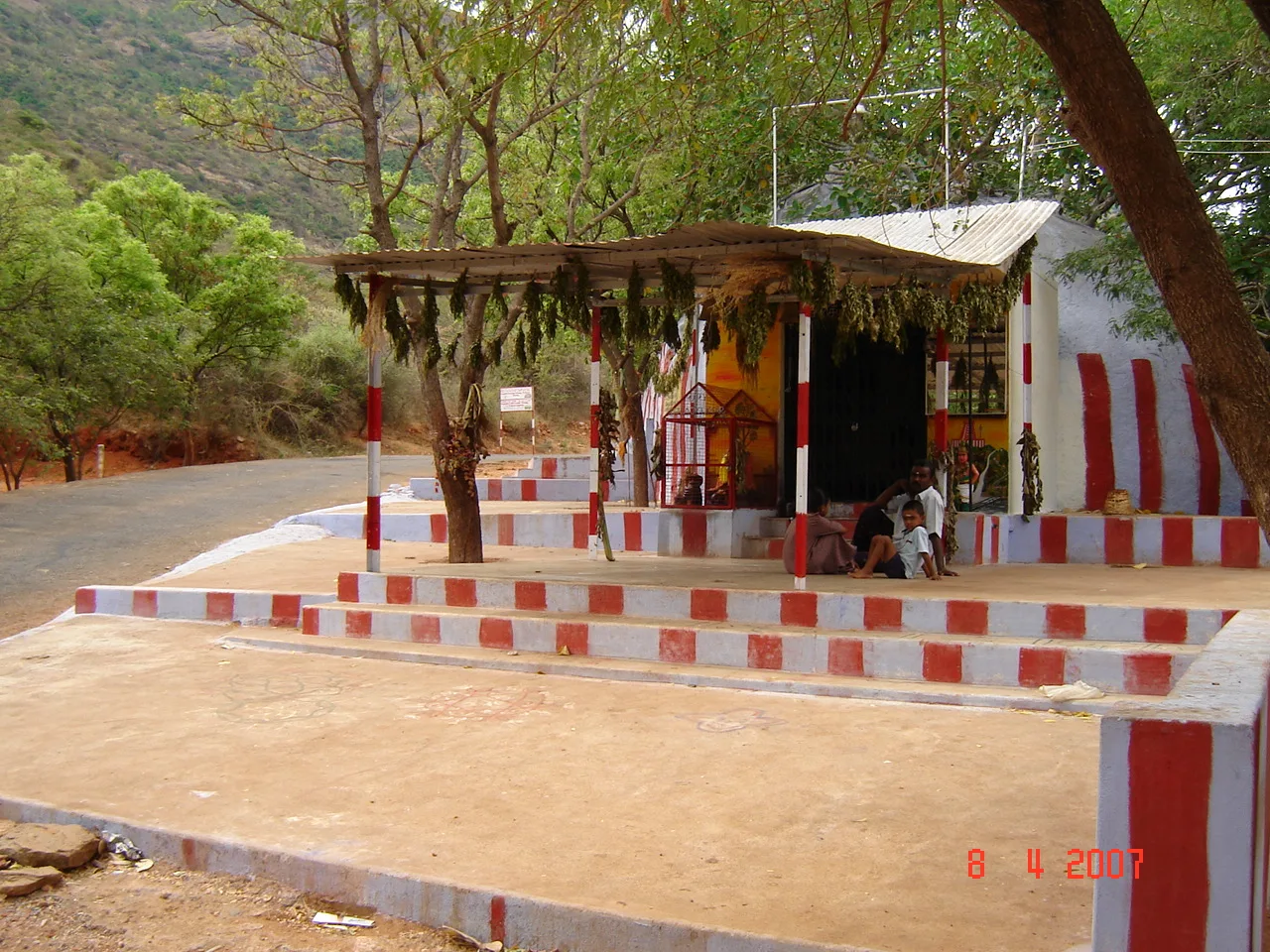
Meghamalai is not known as a museum or temple collection, and no particular set of idols, inscriptions or sculptures is established as a visitor highlight. The landscape itself is the main focus: look for changing patterns of tea cultivation, cardamom-growing areas, forest edges and views across the hills where access is permitted. The destination guide notes that remnants of evergreen forest remain among planted areas, but wildlife and plants should be observed without disturbance or collecting. Estate structures and equipment may be private working property, not exhibits. If a local shrine or memorial is encountered, treat it as a place of worship or community significance and ask before photographing or entering.
Religious significance
Meghamalai is not identified in the available destination information as a major temple or pilgrimage centre, and no principal presiding deity or established ritual calendar is confirmed. It is best understood as a mountain destination in Theni district, with plantations and forest as its defining features. Residents and workers may have local places of worship or household traditions, but these should not be assumed to represent a formal Meghamalai-wide religious institution. Visitors who encounter a shrine should behave respectfully, follow any posted guidance and ask before entering private or sacred spaces. Do not plan a pilgrimage around an unverified temple claim; confirm details with local residents or the relevant managing authority.
Spend unhurried time at Meghamalai: walk the marked paths, use official viewpoints and ask locally whether a guide, entry ticket or forest permission is needed. Weather can change quickly in the hills, so carry a rain layer even on a clear morning. A comfortable itinerary is one main visit in the morning, a local meal at midday and a short nearby stop before an afternoon return. Use the district list on this site to find other places in Theni, but check the route and its condition before combining stops. If a festival is on — such as Pongal in January, the Madurai Chithirai festival, the Mahamaham at Kumbakonam or the Chennai music season in December — roads and stays can be busy, and the experience can be unforgettable. Leave no litter: many sites are protected by the communities around them.
Suggested itineraries
Half day: Check access locally; take the permitted road to an official viewpoint, pause for the mountain and plantation scenery, then return without entering restricted tracks (about 3–4 hours, depending on the route). Full day: Start with a locally confirmed route and viewpoint; spend an unhurried morning observing the landscape, have a meal in an accessible town or authorised facility, then make one short permitted stop before returning (about 6–8 hours, subject to road and access conditions). Gentler option: Arrange a vehicle-based visit with minimal walking, choose a confirmed roadside viewpoint and allow plenty of time for breaks.
Meghamalai’s contemporary character is closely connected with plantation work, rural life and the surrounding hills. Tea and cardamom cultivation are prominent parts of the landscape, while forest and estate access shape how visitors experience the area. Tamil is the principal language of the district; visitors may find it useful to learn a few courteous phrases or use translation support. The destination information does not establish a distinctive local performance tradition, costume or music programme for visitors. Customs vary among residents and workers, so ask before photographing people, homes or work sites. A respectful visit means keeping to authorised routes, avoiding disruption to plantation activity and leaving the landscape clean.
Festivals & events
No major annual festival is confirmed as being held specifically at Meghamalai. Pongal, celebrated in Tamil Nadu in January, is a significant harvest festival across the state, and nearby towns may hold local temple festivals at other times of year; dates and programmes vary. These occasions can bring more visitors and affect road traffic or accommodation availability, so check locally before travelling. Do not assume that a festival at a nearby town is part of a Meghamalai shrine tradition. Visitors are welcome to observe public celebrations respectfully, while following organisers’ instructions and asking before photographing worshippers or ceremonies.
Local food in Tamil Nadu includes idli, dosa and filter coffee, Chettinad chicken and pepper curries, Madurai's kari dosa and jigarthanda, Thanjavur's banana-leaf vegetarian meals, Kanyakumari's seafood, and sweets such as Mysore pak, adhirasam and Tirunelveli halwa. Ask what is fresh that day; many small eateries cook a limited daily menu. Tamil Nadu is a paradise for vegetarian meals served on banana leaf; Chettinad and Madurai are the centres for meat and spice lovers. Filter coffee is a ritual — have it at a local 'hotel' (eatery). Remote sites may have no restaurant at all. Carry water and snacks, eat a proper breakfast before long drives, and ask your accommodation for a packed lunch if you are heading out early. Try a home-cooked or local thali meal when you can — it is often the best food on the route. Choose busy, clean places, drink sealed or filtered water, and carry your packaging back with you.
Shopping & local experiences
Tea and cardamom are closely associated with the plantation landscape, and visitors can look for locally produced goods at authorised shops in nearby towns. Availability, origin and retail arrangements vary; do not assume that estate products are sold to the public at the plantations themselves. Theni and other district towns offer more general shopping and food options than remote hill viewpoints. Choose packaged goods from legitimate sellers, avoid buying products made from wildlife or protected plants, and carry reusable bags where practical. Ask locally about regional snacks or meals rather than expecting a dedicated souvenir market in Meghamalai.
November to February; April to June for the hill stations
The nearest principal railway station by straight-line distance is Virudhunagar Junction, roughly 63 km away. The nearest operating airport by straight-line distance is Madurai Airport, roughly 77 km away. These figures are calculated from map coordinates — actual road distance is longer. Chennai is the main gateway; Coimbatore serves the west and Mettupalayam is the railhead for the Ooty toy train; Madurai and Tiruchirappalli serve the south and centre; Rameswaram and Kanniyakumari have their own rail termini. For the final leg, TNSTC and SETC buses reach nearly every town, with private sleeper coaches between cities and app cabs in Chennai, Coimbatore and Madurai link district towns. A private taxi gives more flexibility for remote sites such as hill stations, forest gates and coastal temples. When comparing train, bus and flight, count the complete door-to-door time: a flight saves the most time only if the onward road transfer is short, while an overnight train can save a hotel night. Book your return before you leave, because seats fill quickly on weekends, festivals and holidays. Current train numbers, timings, return services and fares are not listed here; check IRCTC and NTES for trains and the airline's own schedule for flights. No permit is needed to visit Tamil Nadu. The Nilgiri Mountain Railway toy train to Ooty must be booked well in advance on IRCTC — seats are few and sell out weeks ahead. Major temples such as Madurai Meenakshi and Srirangam have darshan queues and some enforce a dress code (dhoti or formal trousers for men, saree or salwar for women); phones and cameras are not allowed inside several temple sanctums. Boating to the Vivekananda Rock at Kanyakumari depends on sea conditions.
Confirm onward and return timings on IRCTC / NTES, the state bus operator or your airline before travel. A dash means current timings or fares have not been verified.
Getting around
Meghamalai is best explored by road, with a private vehicle or locally arranged taxi offering flexibility for the final hill approach. Roads are winding, and conditions can change with weather or access restrictions; check the route locally before departure. Public transport availability within the hills may be limited, so do not rely on frequent local buses for moving between viewpoints or estates. Walking is suitable only on permitted routes and should not replace transport on narrow roads. Confirm parking arrangements at any authorised stop, keep roads clear and avoid stopping on blind bends. Autos may be more available in district towns than in the hill area itself.
Hours, tickets & permissions
Meghamalai is a broad landscape, not a single gated temple with one universal schedule. Access may depend on forest restrictions, estate permissions, road conditions or local entry controls. Tickets, permits, identity checks and camera rules may apply in some areas, but requirements can change and should not be assumed. Confirm current entry arrangements, permitted routes, hours and any fees with the relevant forest or local managing authority before setting out. Do not enter closed roads, private estates or protected areas without permission.
Facilities
Facilities in Meghamalai may be limited and unevenly distributed. Do not assume that public toilets, drinking-water points, food outlets, fuel, ATMs or visitor information desks are available at viewpoints or along the hill road. Check locally before leaving a larger town, carry drinking water and take essential supplies with you. Parking and guides may be available at some authorised stops, but arrangements vary. Ask whether a guide or permission is required before walking on forest or estate land. Take rubbish back with you and avoid relying on mobile connectivity in remote stretches.
Accessibility
The terrain is hilly, with winding roads and potentially uneven ground at viewpoints or walking routes. Walking distances, shade and surfaces vary, and there is no confirmed information here about wheelchair ramps, step-free facilities or accessible toilets. Wheelchair users, visitors with strollers and people with limited mobility should confirm the precise route and stopping arrangements before travelling; a vehicle-based visit with a short, level stop may be the gentler choice if locally available. Older visitors should allow time for breaks and avoid walking on steep or slippery paths. Rain and mist can make outdoor surfaces harder to negotiate.
No permit is needed to visit Tamil Nadu. The Nilgiri Mountain Railway toy train to Ooty must be booked well in advance on IRCTC — seats are few and sell out weeks ahead. Major temples such as Madurai Meenakshi and Srirangam have darshan queues and some enforce a dress code (dhoti or formal trousers for men, saree or salwar for women); phones and cameras are not allowed inside several temple sanctums. Boating to the Vivekananda Rock at Kanyakumari depends on sea conditions. Carry a photo ID at all times and save the emergency number 112 and your accommodation's contact offline. Ghat roads have hairpin bends and mist; avoid night driving in the hills, keep to marked trails and stay back from cliff edges in rain. Stay on marked paths, keep away from cliff edges and fast water, and never approach wild animals.
Visitor rules
Follow instructions from forest staff, estate managers and other local authorities. Stay on roads and paths confirmed as open to visitors; do not enter restricted forest areas, private plantation land or closed tracks without permission. Wear secure footwear and clothing suited to changing hill weather. Carry out all litter, especially plastic, and do not pick plants, feed wildlife or disturb animals. Keep noise low and respect workers and residents. Photography may be restricted in some areas; ask before photographing people, private property or any shrine. Confirm local rules before setting out.
Photography
Clear mornings can offer good visibility across the hills, while cloud and mist may change the view quickly; pause only at safe, authorised viewpoints. Plantation patterns, forest edges and the mountain scenery are natural subjects, but access and visibility vary with weather. Photography rules may differ between public viewpoints, forest areas and private estates, so check locally and respect signs. Ask before photographing residents, workers or places of worship. Do not use a drone without confirming current permissions and restrictions with the relevant authorities. Avoid stopping on narrow roads or blocking plantation activity for a photograph.
Choose a stay by the full journey to Meghamalai, not just the district name. Chennai, Coimbatore, Madurai and Tiruchirappalli offer the widest choice; Ooty and Kodaikanal have everything from heritage hotels to cottages — book far ahead for the April–June school holidays and the Pongal weekend. In the hills, nights are cold from November to February — check heating and hot water. Book in advance for weekends, festivals and the peak season (November to February; April to June for the hill stations). Confirm the exact location, meals included, check-in time and cancellation terms in writing. Avoid sending money to unverified contacts or touts at stations. Carry some cash, as card and digital payments can be unreliable in remote areas.
Within Theni district, visitors may consider Vaigai Dam, Suruli Falls, Bodinayakanur and Theni town, subject to route, weather and local access conditions. These are separate stops and may not make practical additions to a single hill visit; check road conditions and allow realistic travel time. Kumily and the Periyar area lie nearby across the Kerala border, but are in a different state and have their own access and conservation rules. Confirm which attractions are open before combining them with Meghamalai, especially during heavy rain or when forest restrictions are in force.
For couples, Meghamalai rewards a slow pace: arrive early for soft light and fewer crowds, share a local meal and keep the evening free. Sunrise at Kanyakumari, a boat ride on Kodaikanal lake or an evening stroll through Mamallapuram's shore monuments makes the trip memorable. Public displays of affection can be frowned upon in conservative communities and at religious sites, so be discreet. Keep a buffer in your itinerary, because weather and road conditions can delay plans.
Q: How much time should I allow for Meghamalai? A: Allow at least a half day for a limited road-and-viewpoint visit; a full day gives more time for breaks, but access and road conditions shape what is possible. Q: When is a good season to visit? A: November to February is generally a comfortable period for Tamil Nadu travel. Hill weather can change quickly, so check the forecast and carry a rain layer. Q: Is there an entry ticket or permit? A: Requirements may vary by route and access restrictions. Confirm current rules with the relevant local or forest authority before travelling. Q: Is Meghamalai suitable for children and older visitors? A: It can suit visitors who are comfortable with winding roads and limited facilities. Choose a vehicle-based visit and avoid steep or slippery walks if needed. Q: Can I stay nearby? A: Accommodation options may be limited in the hills. Check current availability locally and consider staying in a larger nearby town if suitable.
Be the first to share photos, stories, advice or a helpful contact for Meghamalai.
Loading…