
Mettur Dam
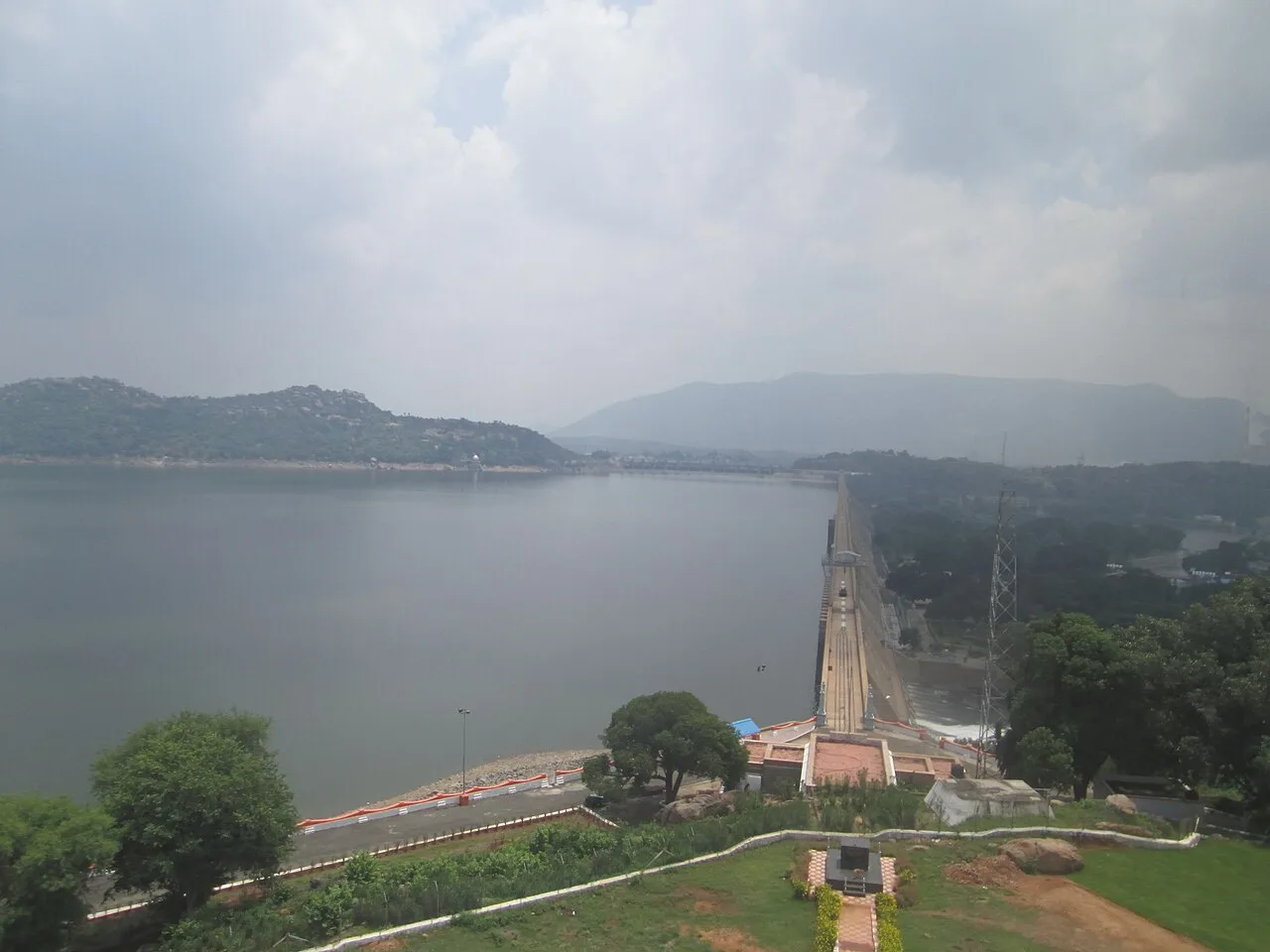
Mettur Dam, in Salem district, is among India’s largest dams and Tamil Nadu’s largest; visitors come to view the structure and the park at its base.
Key facts · verified by Ghumoopedia editors
- Type of place
- Heritage monument
- Best time to visit
- November to February; April to June for the hill stations
- Nearest railway station
- Salem Junction · about 41 km (straight line)
- Nearest airport
- Salem Airport · about 29 km (straight line)
- Verified
- 21 Nov 2026
Plan a trip from Mettur Dam — a day-by-day route through places nearby.
In Salem district of Tamil Nadu, the structure spans the Kaveri at the point where the river reaches the plains. It ranks among India’s largest dams and is Tamil Nadu’s biggest. Work began in 1934, and completion followed nine years later. The dam measures 214 feet in height and 171 feet in width. Water reaches it from its surrounding catchment as well as from Kabini Dam and Krishna Raja Sagara Dams, both in Karnataka. Water stored here supports irrigation and drinking supplies across more than 12 Tamil Nadu districts. A park is located at its foot, giving visitors another reason to stop at the site. Tamil Nadu is the land of great living temples — Madurai's Meenakshi, Thanjavur's Brihadeeswara, Srirangam, Chidambaram and Rameswaram — along with the Pallava shore monuments of Mamallapuram, the Chettinad mansions, the hill stations of Ooty and Kodaikanal and the meeting of three seas at Kanyakumari. The state is hot from March to June, gets light southwest-monsoon rain from June to September, and receives its main rainfall from the northeast monsoon between October and December. January to March is the most comfortable season; the Nilgiri and Kodaikanal hills are cool year-round. The usual best time to visit is November to February; April to June for the hill stations. Timings, fees and access arrangements must be confirmed locally. For official information, see Tamil Nadu Tourism at https://www.tamilnadutourism.tn.gov.in.
Why it matters
Mettur Dam is a major water-storage and irrigation structure on the Kaveri River in Salem district. Its reservoir supports irrigation and drinking-water supply across more than a dozen Tamil Nadu districts, making it important to agriculture and daily life well beyond Mettur. The dam receives water from its own catchment and from the Kabini and Krishna Raja Sagara dams in Karnataka. It is a significant piece of regional public infrastructure as well as a visitor landmark.
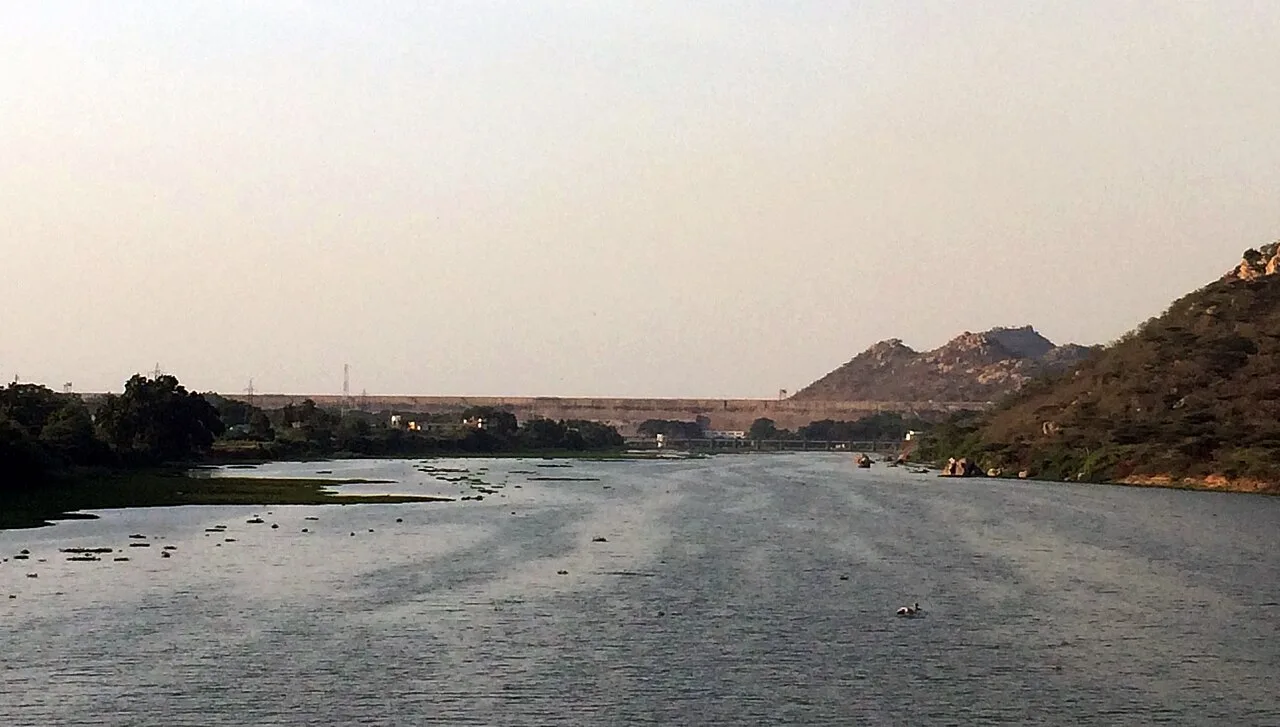
The Mettur Dam was constructed across the Kaveri where the river leaves the uplands and enters the plains of Tamil Nadu. Work began during British rule in the Madras Presidency, and the dam was completed in 1934 after nine years of construction. The resulting reservoir is commonly known as Stanley Reservoir. The project was intended to regulate river water and support irrigation; its role has since extended to drinking-water supply for communities in numerous districts. Inflows reach the reservoir from its local catchment and from upstream river systems, including the Kabini and Krishna Raja Sagara dams in Karnataka. The dam remains a working water-management structure, so its operations and access conditions are linked to water levels, maintenance and public-safety decisions. It is not simply a historic ruin or a museum site. The available information does not establish a separate restoration campaign or a detailed account of later structural alterations; visitors should treat the dam as an active piece of infrastructure and follow current restrictions rather than assume every area is open.
Origin stories & folklore
No well-established legend specifically explains the construction of Mettur Dam. The Kaveri, however, has a much older place in regional religious tradition: it is revered as a sacred river and associated in Hindu stories with the sage Agastya and Lopamudra. Such accounts belong to the wider cultural history of the river, not to a documented origin story for the dam. Around the river, water is also regarded by many people as a source of fertility and livelihood, a belief reflected in seasonal observances and offerings at Kaveri-side places. These traditions vary between communities and should be understood as living faith and folklore, rather than as historical evidence about the engineering project.
Architecture & design
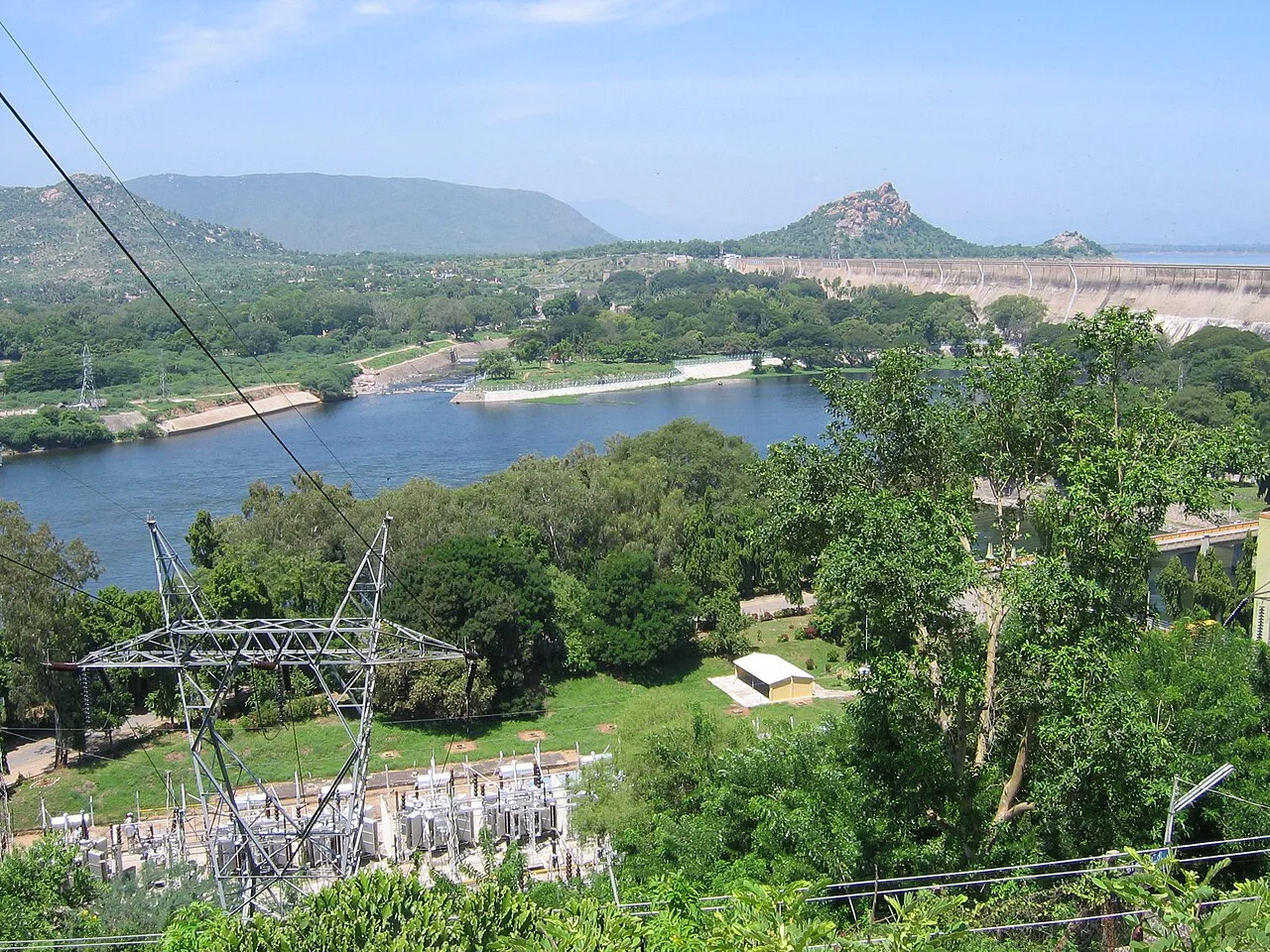
Mettur is a large, functional dam built across a river valley, rather than a monument designed around a temple or palace plan. Its long barrier holds back the Kaveri to form the Stanley Reservoir, with water-management structures incorporated into the working dam. The guide records a maximum height of 214 feet and a width of 171 feet. The scale of the structure and the broad reservoir are its defining visual features. Its design serves water storage and controlled release, supporting irrigation and drinking-water supply. A park at the base provides a public-facing setting, although access to the dam itself and particular viewpoints may be restricted for operational or safety reasons.
Important objects & sculptures
Mettur Dam is an engineering landmark, not a conventional heritage site with a documented collection of sculptures, idols or displayed antiquities. Visitors should not expect galleries or a curated set of objects. The principal features to notice are the broad dam structure, its water-control works where visible, the reservoir and the surrounding river landscape. A park lies at the base of the dam, but the available guide does not identify specific statues, inscriptions or memorials there. Access to operational structures may be prohibited, and visitors should observe barriers rather than approach machinery or restricted areas.
Spend unhurried time at Mettur Dam: walk the marked paths, use official viewpoints and ask locally whether a guide, entry ticket or forest permission is needed. Enjoy the water from safe, marked points; rocks near falls and dams are slippery and currents are dangerous, especially in the monsoon when waterfalls in the Ghats swell suddenly. A comfortable itinerary is one main visit in the morning, a local meal at midday and a short nearby stop before an afternoon return. Use the district list on this site to find other places in Salem, but check the route and its condition before combining stops. If a festival is on — such as Pongal in January, the Madurai Chithirai festival, the Mahamaham at Kumbakonam or the Chennai music season in December — roads and stays can be busy, and the experience can be unforgettable. Leave no litter: many sites are protected by the communities around them.
Suggested itineraries
Half day: Spend 1–2 hours at the public park and permitted viewpoints, then take a relaxed walk around accessible areas and have a local meal in Mettur. Full day: Visit the dam and park in the morning, pause for lunch in town, then make a locally checked afternoon trip to another Salem-district attraction such as Sankagiri Fort. Gentler option: Keep to the park and the nearest accessible viewpoint, take frequent rests and arrange a vehicle close to the public entrance.
The dam is closely connected to everyday life in the Kaveri basin through irrigation and water supply. Tamil is the main language of the surrounding region; visitors may also encounter people who speak other languages. The wider river culture includes respect for water, seasonal observances and visits to riverbanks, though practices differ among families and communities. Mettur is an active town as well as a visitor destination, so local customs are generally those of contemporary Tamil Nadu rather than a staged heritage performance. Modest, considerate behaviour around religious observances and public spaces is appreciated. Do not assume that music, dance or cultural demonstrations are regularly presented at the dam itself.
Festivals & events
Pongal, the Tamil harvest festival, is celebrated across the region in January, with family gatherings and seasonal foods; it is not a festival specific to the dam. Aadi Perukku, usually observed during the Tamil month of Aadi in the monsoon season, honours the Kaveri and is associated with riverbanks in parts of Tamil Nadu. Local temple festivals may also take place in nearby communities at different times of year. Festival days can bring more visitors to public spaces and river areas, and road or parking conditions may be busier. Confirm locally whether any event is taking place at Mettur before planning a visit.
Local food in Tamil Nadu includes idli, dosa and filter coffee, Chettinad chicken and pepper curries, Madurai's kari dosa and jigarthanda, Thanjavur's banana-leaf vegetarian meals, Kanyakumari's seafood, and sweets such as Mysore pak, adhirasam and Tirunelveli halwa. Ask what is fresh that day; many small eateries cook a limited daily menu. Tamil Nadu is a paradise for vegetarian meals served on banana leaf; Chettinad and Madurai are the centres for meat and spice lovers. Filter coffee is a ritual — have it at a local 'hotel' (eatery). Remote sites may have no restaurant at all. Carry water and snacks, eat a proper breakfast before long drives, and ask your accommodation for a packed lunch if you are heading out early. Try a home-cooked or local thali meal when you can — it is often the best food on the route. Choose busy, clean places, drink sealed or filtered water, and carry your packaging back with you.
Shopping & local experiences
Mettur is not known from the available information as a major destination for a distinctive craft or souvenir market. Visitors can look for everyday Tamil Nadu snacks, locally prepared foods and seasonal produce in town, subject to what is available. For a broader selection of shops and regional goods, Salem city is a more practical stop. Buy food from clean, reputable vendors and carry reusable bags; do not collect stones, plants or other material from the river or dam grounds. Ask locally about current markets rather than relying on a fixed market schedule.
November to February; April to June for the hill stations
The nearest principal railway station by straight-line distance is Salem Junction, roughly 41 km away. The nearest operating airport by straight-line distance is Salem Airport, roughly 29 km away. These figures are calculated from map coordinates — actual road distance is longer. Chennai is the main gateway; Coimbatore serves the west and Mettupalayam is the railhead for the Ooty toy train; Madurai and Tiruchirappalli serve the south and centre; Rameswaram and Kanniyakumari have their own rail termini. For the final leg, TNSTC and SETC buses reach nearly every town, with private sleeper coaches between cities and app cabs in Chennai, Coimbatore and Madurai link district towns. A private taxi gives more flexibility for remote sites such as hill stations, forest gates and coastal temples. When comparing train, bus and flight, count the complete door-to-door time: a flight saves the most time only if the onward road transfer is short, while an overnight train can save a hotel night. Book your return before you leave, because seats fill quickly on weekends, festivals and holidays. Current train numbers, timings, return services and fares are not listed here; check IRCTC and NTES for trains and the airline's own schedule for flights. No permit is needed to visit Tamil Nadu. The Nilgiri Mountain Railway toy train to Ooty must be booked well in advance on IRCTC — seats are few and sell out weeks ahead. Major temples such as Madurai Meenakshi and Srirangam have darshan queues and some enforce a dress code (dhoti or formal trousers for men, saree or salwar for women); phones and cameras are not allowed inside several temple sanctums. Boating to the Vivekananda Rock at Kanyakumari depends on sea conditions.
Confirm onward and return timings on IRCTC / NTES, the state bus operator or your airline before travel. A dash means current timings or fares have not been verified.
Getting around
Mettur town is the practical arrival point for the dam. Local buses connect towns in the region, while autos and hired taxis may be available for the final approach; availability can vary, so arrange a return ride if needed. Walking is possible around accessible public areas, but the site is spread out and the dam’s operational zones may be closed to pedestrians. Use signed public approaches and designated parking where provided, rather than stopping on the roadway. Do not assume boats operate on the reservoir or that visitors can travel along the dam crest; check locally and obey safety restrictions.
Hours, tickets & permissions
Access arrangements can vary because the dam is an operating water-management facility. Public areas, viewpoints and the park may have separate entry rules, and some sections may close for safety, maintenance or water operations. Tickets, permits, camera restrictions or identity checks may apply depending on the area and current policy; do not assume access to the dam structure itself. Dress respectfully for public and religious settings, and follow notices and staff directions. Confirm current hours, fees and access conditions with the relevant managing authority or local tourism office before travelling.
Facilities
The park at the base of the dam is the main visitor amenity identified in the available guide. Toilets, drinking-water points, food stalls, seating and parking may be available in public areas or nearby, but provision and upkeep can change; check locally and carry drinking water. Mettur town is the best place to look for meals and everyday services. Do not count on a visitor information desk, on-site guide, ATM or medical facility at the dam. Bring essential supplies and confirm what is open before setting out, especially if travelling with children or older visitors.
Accessibility
The dam and its surrounding public areas cover a substantial site, and the ground may include uneven paths, slopes or steps. The guide confirms a park but does not establish that all routes have ramps, smooth surfaces or wheelchair access. Ask locally about the nearest accessible viewpoint and vehicle drop-off before visiting. Shade and seating may be limited outside the park, so plan rests and avoid prolonged walking in hot weather. Wheelchair users, stroller users and visitors with limited mobility may find it difficult to reach every viewing area. Older visitors should stay within signed public zones and avoid slippery or exposed edges.
No permit is needed to visit Tamil Nadu. The Nilgiri Mountain Railway toy train to Ooty must be booked well in advance on IRCTC — seats are few and sell out weeks ahead. Major temples such as Madurai Meenakshi and Srirangam have darshan queues and some enforce a dress code (dhoti or formal trousers for men, saree or salwar for women); phones and cameras are not allowed inside several temple sanctums. Boating to the Vivekananda Rock at Kanyakumari depends on sea conditions. Carry a photo ID at all times and save the emergency number 112 and your accommodation's contact offline. Heat in summer and heavy rain in the monsoon are the main weather risks; carry water, avoid midday sun and allow extra time when roads flood. Waterfalls and dams are dangerous in the monsoon: keep behind barriers and leave the area if the water level rises suddenly.
Photography
The reservoir and dam can be especially attractive in softer morning or late-afternoon light, viewed only from public, permitted points. Photography rules may differ between the park and operational sections, so check signs and staff instructions before using a camera. Do not cross barriers for a clearer view. Drone use can be restricted around dams and other sensitive infrastructure; obtain explicit permission from the relevant authority rather than flying on assumption. Ask before photographing people, and be discreet around worship or private gatherings. Water levels and weather change the appearance of the landscape.
Choose a stay by the full journey to Mettur Dam, not just the district name. Chennai, Coimbatore, Madurai and Tiruchirappalli offer the widest choice; Ooty and Kodaikanal have everything from heritage hotels to cottages — book far ahead for the April–June school holidays and the Pongal weekend. In summer, check air-conditioning; in the monsoon, check that the property is accessible if roads flood. Book in advance for weekends, festivals and the peak season (November to February; April to June for the hill stations). Confirm the exact location, meals included, check-in time and cancellation terms in writing. Avoid sending money to unverified contacts or touts at stations. Carry some cash, as card and digital payments can be unreliable in remote areas.
Mettur town is the most convenient place to combine with a dam visit for food and local services. Within Salem district, Sankagiri Fort offers a contrasting historic stop, while Yercaud is a hill destination that requires a separate road journey and more time. Salem city has additional urban services and places of interest. Hogenakkal Falls, in neighbouring Dharmapuri district, is another well-known Kaveri-area destination, but it is not an immediate stop and should be planned as a separate excursion after checking road conditions and access. Confirm routes and current site arrangements before combining attractions in one day.
For couples, Mettur Dam rewards a slow pace: arrive early for soft light and fewer crowds, share a local meal and keep the evening free. Sunrise at Kanyakumari, a boat ride on Kodaikanal lake or an evening stroll through Mamallapuram's shore monuments makes the trip memorable. Public displays of affection can be frowned upon in conservative communities and at religious sites, so be discreet. Keep a buffer in your itinerary, because weather and road conditions can delay plans.
Q: How much time should I allow for Mettur Dam? A: A half-day visit is usually a reasonable plan for the public park and permitted viewpoints; allow longer if combining it with another attraction. Q: When is a comfortable season to visit? A: November to February is generally a comfortable period in Tamil Nadu. Check local weather and river conditions, especially during the monsoon. Q: Is there an entry ticket or can visitors access the dam itself? A: Rules can vary, and some operational areas may be restricted. Confirm current entry requirements and permitted viewpoints with the managing authority. Q: Is the visit suitable for children and older people? A: Families can visit public areas, but supervise children closely near water and barriers. Uneven walking surfaces may make some viewpoints difficult for older visitors. Q: Where can I stay nearby? A: Look for accommodation in Mettur or Salem; check availability and transport arrangements before travelling.
Be the first to share photos, stories, advice or a helpful contact for Mettur Dam.
Loading…