
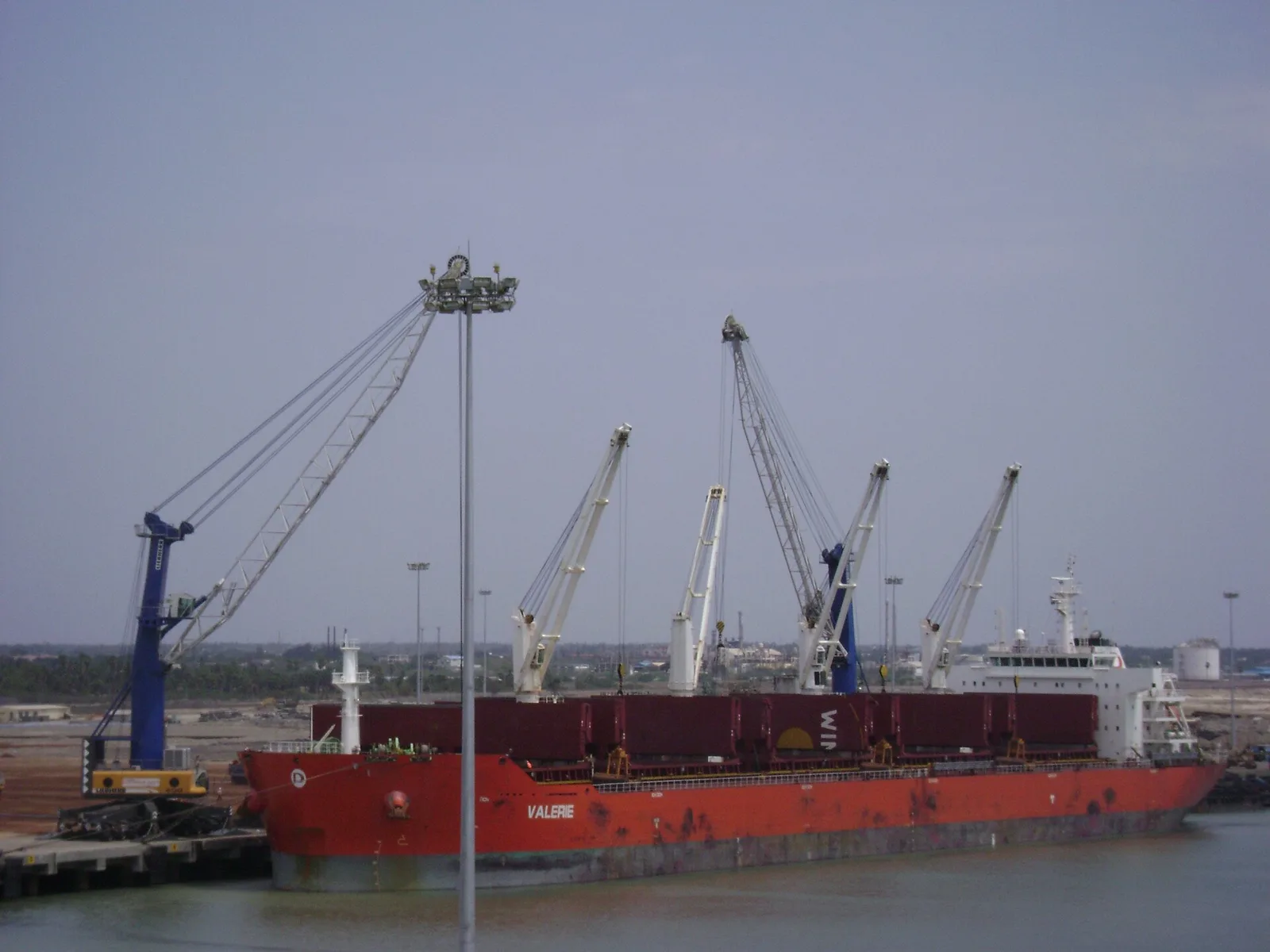
District · Puducherry
Karaikal
Karaikal is one of the four geographically separate regions of the Union Territory of Puducherry, set within Tamil Nadu on the fertile Cauvery delta coast.
Karaikal is a coastal district of the Union Territory of Puducherry, geographically separate from Puducherry city and surrounded on its landward sides by Tamil Nadu. Its landscape belongs to the fertile Cauvery delta, where waterways, cultivated fields and settlements meet the Bay of Bengal. A former French possession, the district combines that administrative legacy with a strongly Tamil cultural character. Karaikal town is its urban centre, while the beach offers an easy coastal outing. Religious traditions are especially important: Karaikal Ammaiyar Temple honours the revered woman saint of Tamil Shaivism, and nearby Thirunallar is known for Dharbaranyeswarar Temple, a Shiva temple particularly associated with worship of Saniswaran.
Karaikal is one of the four geographically separate regions of the Union Territory of Puducherry, set within Tamil Nadu on the fertile Cauvery delta coast. Travellers come for its blend of Tamil religious life, coastal scenery and French colonial history. Karaikal town is the district’s practical base, with a beach and the shrine of Karaikal Ammaiyar, the celebrated woman saint of Tamil Shaivism. Inland, Thirunallar’s Dharbaranyeswarar Temple is particularly associated with Saniswaran worship and draws pilgrims from across the region. The compact district suits a short visit combining temples, local food and an easy coastal outing.
Karaikal lies in the historic Cauvery delta, a region shaped by successive Tamil kingdoms and strongly associated with Chola-era influence. Later, authority in the wider area shifted among rulers of Thanjavur, including Nayak and Maratha powers. French control of Karaikal began in 1739, when the settlement was acquired from the ruler of Thanjavur. It became a French possession surrounded by territories that came under British rule, and its administration and architecture retain traces of that colonial period. After Indian independence, the French territories in India were transferred to Indian administration de facto in 1954; the legal transfer followed in 1962. Karaikal joined the Union Territory of Puducherry, established in 1963, as one of its separate regions. Tamil language and customs have remained central to local life, alongside the distinct legacy of French rule. The district’s religious history is also significant: Karaikal Ammaiyar is revered in Tamil Shaivism, while Thirunallar has long been an important centre of Shiva worship associated with Saniswaran.
4 destination guides
Karaikal
Karaikal is a port city and district administrative centre in Puducherry. Its Coromandel Coast setting and position within Tamil Nadu make it notable to visitors.
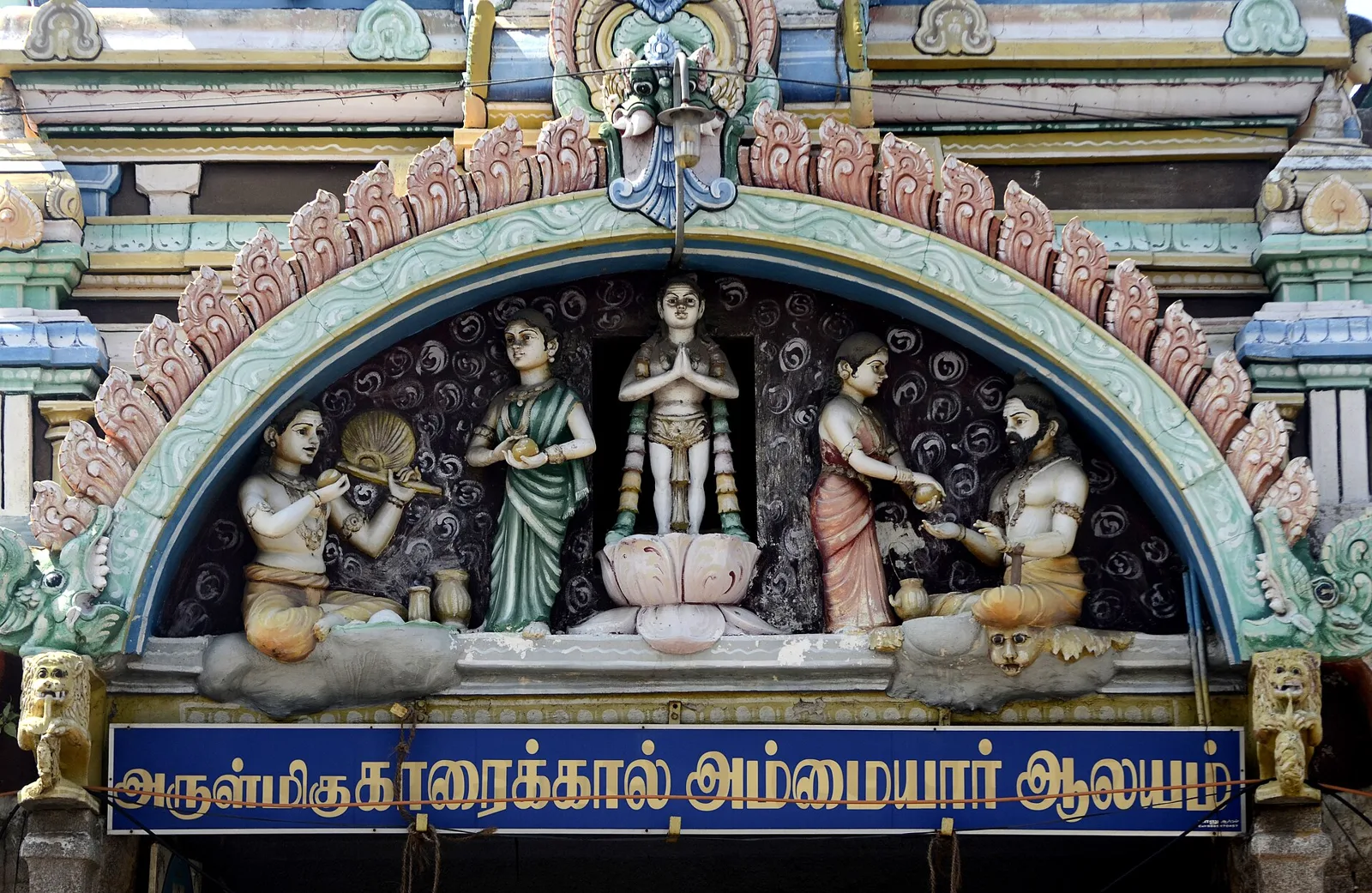
Karaikal Ammaiyar Temple
A Hindu place of worship in Karaikal, this temple honours Punithavathi, the Shaivite Nayanmar known as Karaikal Ammaiyar. Visitors come to pay respect to the saint.
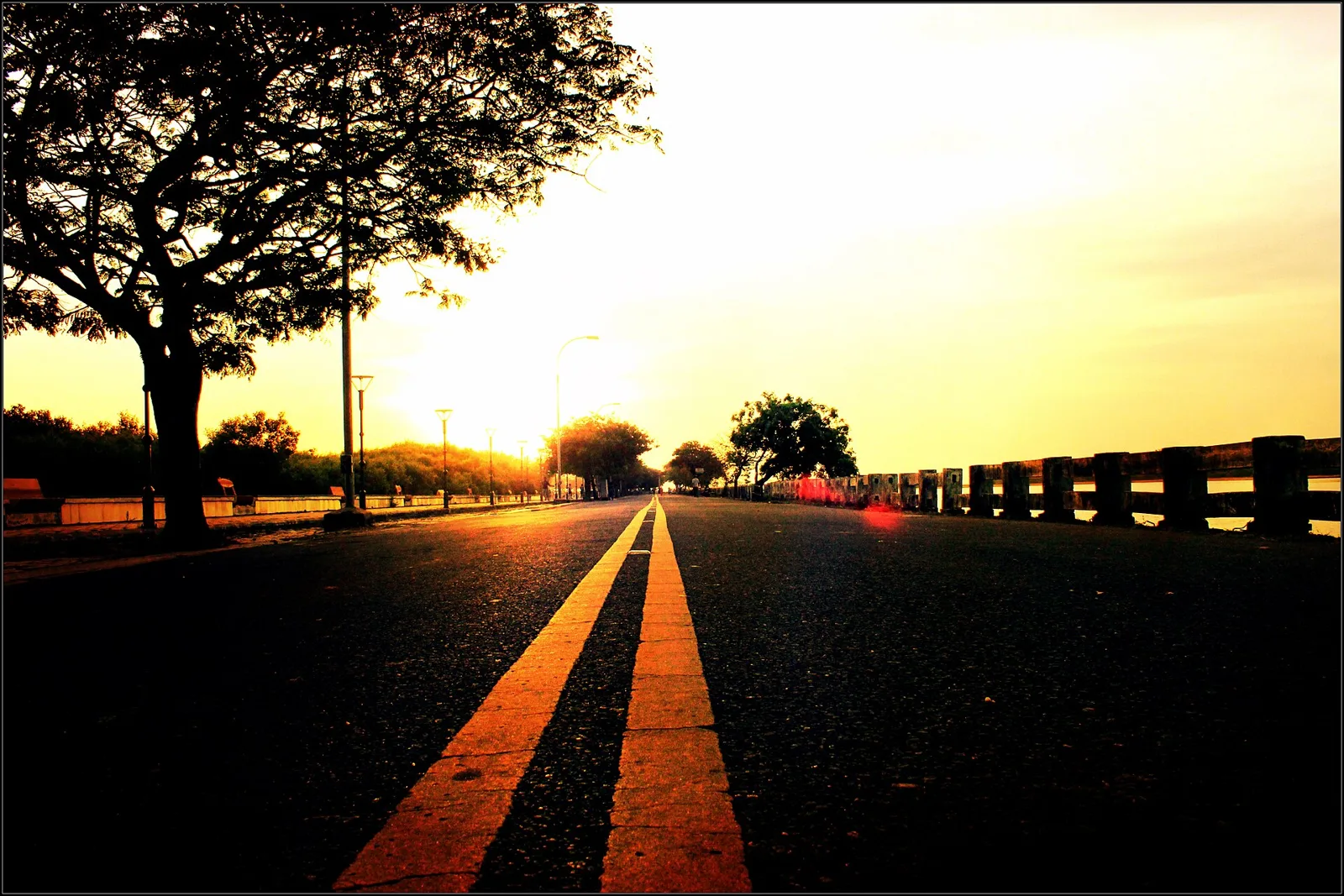
Karaikal Beach
This coastal destination in Karaikal, Puducherry, draws residents and visitors for its Bay of Bengal shore, river estuary and recreation facilities, including a park, restaurants and tennis courts.
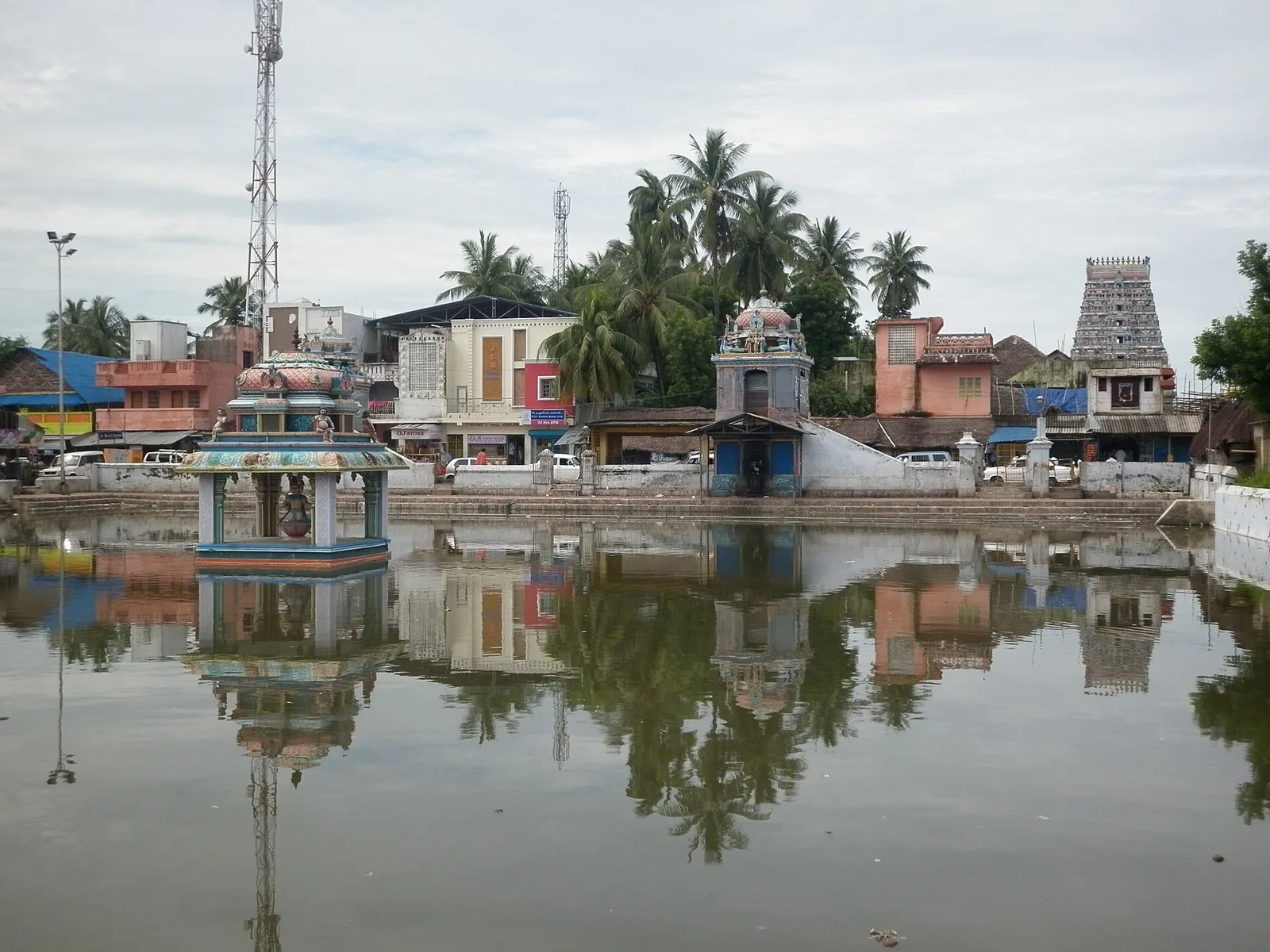
Thirunallar Saniswaran Temple
Dharbaranyeswarar Temple, better known as Thirunallar Saniswaran Temple, is a Shiva shrine in Karaikal district. Visitors come to worship Shiva and Shani and attend their associated festivals.
Food in Karaikal is rooted primarily in the Tamil coastal and delta region. Rice-based meals, sambar, rasam, vegetable preparations and curd are everyday staples, while idli, dosa and filter coffee are familiar breakfast choices. Fish curries, prawns and other seafood reflect the coastal setting, with availability depending on the day's catch. Vegetarian eateries are useful around pilgrimage centres such as Thirunallar. French-Tamil Creole cooking belongs to Puducherry's wider culinary heritage, but visitors should not assume that the cafés and bakeries associated with Puducherry city's White Town are equally prominent here. Ask small eateries what is freshly prepared.
Karaikal's artistic context is closely connected to Tamil temple culture and the wider Cauvery delta. Temple sculpture, devotional imagery and festival decoration are useful ways to encounter this heritage locally. The broader delta region is renowned for bronze casting, particularly at Swamimalai, and for the painting traditions associated with Thanjavur; these should not be described as Karaikal-specific crafts. Handloom textiles from Tamil Nadu also form part of the regional shopping landscape. When buying textiles or religious objects, ask where they were made and whether they are handmade.
Pongal, celebrated in January, is an important harvest festival across the Tamil-speaking region. Karaikal Ammaiyar Temple’s Mangani festival, usually held around June or July, brings processions and local gatherings. Thirunallar’s temple observances, including Maha Shivaratri and the periodic Sani Peyarchi occasion, can attract large numbers of pilgrims; Sani Peyarchi is associated with a roughly two-and-a-half-year astrological cycle. These events may make roads, temple areas and accommodation busier than usual. If visiting during a major observance, arrange a room ahead and allow extra time for local travel.
Karaikal occupies a low-lying stretch of the Cauvery delta, where cultivated fields, settlements and waterways extend towards the Bay of Bengal. The Arasalar and other delta channels are part of a landscape shaped by irrigation and seasonal water flows. There are no major hills or extensive forests in the district; the coast and flat terrain define most journeys. Karaikal town, Thirunallar and the beach are linked by short road trips, though rural routes may pass through narrow village streets and agricultural areas. Coastal weather and seasonal rain can affect outings and road conditions.
Karaikal is generally hot and humid, with the warmest conditions before and around the onset of the monsoon. The northeast monsoon, usually from October into December, can bring substantial rain and occasional disruption; the southwest monsoon also brings showers. Winters are comparatively comfortable and are generally the easiest season for temple visits and time outdoors. November to February is often a good period to plan a visit, while checking forecasts during the rainy season. Pack light, breathable clothing, sun protection and water for warm days, plus a compact rain layer or umbrella during monsoon months. Modest clothing is useful when visiting temples.
Karaikal railway station serves the town and is the most convenient rail arrival point for the district's main sights. Puducherry Airport is nearby in regional terms but has limited services; Tiruchirappalli International Airport is another option worth considering, depending on available flights and onward road connections. Roads connect Karaikal with Nagapattinam, Mayiladuthurai, Chidambaram and Puducherry, with buses providing regional links. Within the district, local buses, auto-rickshaws and taxis are practical for reaching Thirunallar, the town temples and Karaikal Beach. Allow extra travel time during major temple gatherings, and check current services locally.
Karaikal town is the main local hub, with road connections towards Nagapattinam, Mayiladuthurai and other Tamil Nadu towns, as well as regional links to Puducherry. Local buses serve routes within the district, including Thirunallar, though frequency can vary. Auto-rickshaws are useful for shorter trips, while a taxi or hired car offers more flexibility for visiting the temple, town and beach in one outing. Rural roads can be narrow, and travel may take longer during temple gatherings or heavy rain. There is no need to rely on boats for ordinary visits to the listed sights.
2 days: Karaikal Ammaiyar Temple → Karaikal Beach → Thirunallar Saniswaran Temple; sleep in Karaikal both nights. 3 days: Karaikal → Karaikal Ammaiyar Temple → Thirunallar Saniswaran Temple → Karaikal Beach; sleep in Karaikal on nights 1 and 2.
Karaikal town is the most convenient base for both short circuits, with access to the railway station, local transport, food and the district’s main sights. It generally offers hotels and guesthouses, with some homestay-style options; availability can tighten during major temple events. Thirunallar may suit pilgrims who want to stay close to its temple, though the choice of accommodation is more limited than in town. Check facilities and transport arrangements in advance, especially during festival periods.
The district is mostly flat, but coastal weather, heavy monsoon rain and occasional cyclonic conditions can disrupt road travel; check official weather and local travel advisories. Follow warnings at the beach and avoid entering the sea in rough conditions. Carry drinking water, use sun protection and take care on wet or uneven roads. Traffic may be congested around temples during major observances, so agree on a clear meeting point if travelling in a group. Mobile connectivity is generally available in town but may be less reliable in some rural areas. For current access rules or any permit requirements, confirm with official local authorities.
- Tiruvarur · Tamil Naduabout 27 km
- Nagapattinam · Tamil Naduabout 27 km
- Mayiladuthurai · Tamil Naduabout 28 km
- Ariyalur · Tamil Naduabout 52 km
- Cuddalore · Tamil Naduabout 56 km
- Thanjavur · Tamil Naduabout 58 km
- Puducherryabout 112 km
- Tiruchirappalli · Tamil Naduabout 124 km
Straight-line distance between the centres of each district's destinations; road distance is longer.
All districts of Puducherry
Q: How many days should I spend in Karaikal? A: Two days cover the main town, beach and Thirunallar sights; three days allow a slower pace. Q: When is the best time to visit? A: November to February is generally more comfortable. Check weather conditions during the monsoon seasons. Q: What is the best base for visiting the district? A: Karaikal town is the most practical base for transport, services and the listed sights. Q: How do I get to Karaikal? A: Karaikal railway station serves the town. Regional roads and buses connect it with nearby Tamil Nadu towns and Puducherry; air travellers can consider Puducherry or Tiruchirappalli, depending on available services. Q: Is Karaikal suitable for families or elderly travellers? A: Yes, the main sights are reachable by road, but plan for heat, temple crowds and walking within shrine areas. Choose transport and a visit pace suited to individual mobility.
This page draws on our 4 destination guides for Karaikal and is updated as our team checks it.
Be the first to share photos, stories, advice or a helpful contact for Karaikal.
Loading…