
Karaikal
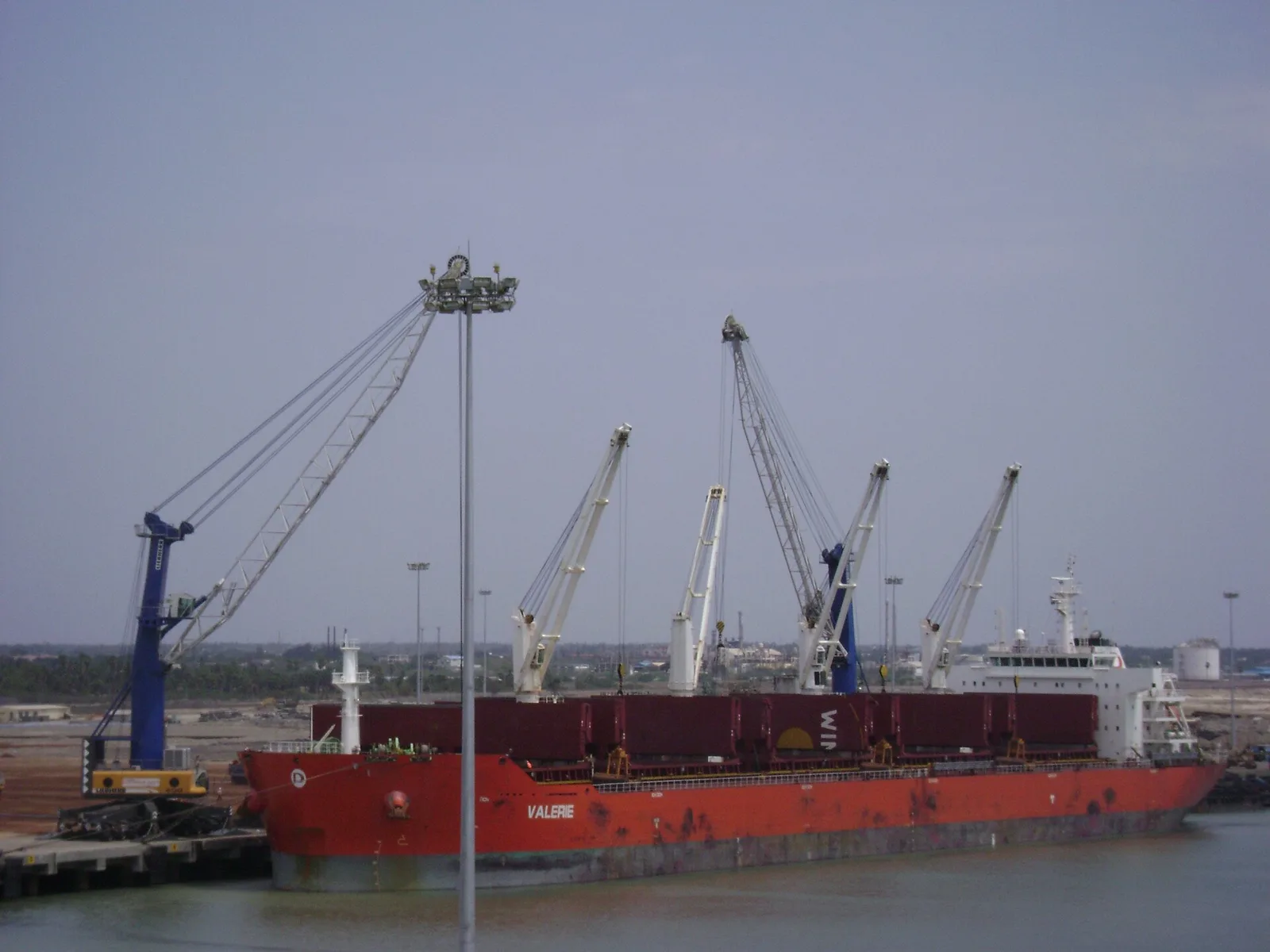
Karaikal is a port city and district administrative centre in Puducherry. Its Coromandel Coast setting and position within Tamil Nadu make it notable to visitors.
Key facts · verified by Ghumoopedia editors
- Type of place
- Food / craft destination
- Best time to visit
- November to March
- Nearest railway station
- Karaikal · about 2 km (straight line)
- Nearest airport
- Puducherry Airport (limited flights) · about 115 km (straight line)
- Verified
- 21 Nov 2026
Plan a trip from Karaikal — a day-by-day route through places nearby.
Karaikal is part of the Union Territory of Puducherry and serves as the administrative centre of Karaikal district. It is a port city and, by size, is surpassed in the territory only by its capital, Pondicherry. In southern India, the city lies on the Coromandel Coast beside the Bay of Bengal. It occupies a coastal enclave encircled by Tamil Nadu, rather than being joined to the territory’s main area. The Tamil Nadu districts around Karaikal include areas of the Cauvery delta. Its coastal position and port-city character are part of the setting, while its role as district headquarters gives it an administrative function within Puducherry. Puducherry is a former French territory of four separated enclaves — Pondicherry and Karaikal on the Tamil coast, Mahé on the Kerala coast and Yanam in the Godavari delta — known for the French Quarter's mustard-yellow villas, the Sri Aurobindo Ashram, colonial churches, Tamil temples and a laid-back seaside promenade. The coast is hot and humid for most of the year. April to June is the hottest period; the northeast monsoon from October to December brings most of the rain and occasional cyclones; December to March is the most pleasant. Mahé gets heavy southwest-monsoon rain from June to September. The usual best time to visit is November to March. Timings, fees and access arrangements must be confirmed locally. For official information, see Puducherry Tourism at https://www.pondytourism.in.
Why it matters
Karaikal is a coastal port city and the administrative headquarters of Karaikal district, one of the four separated regions of the Union Territory of Puducherry. Its location within Tamil Nadu, near the Cauvery delta, gives it connections to the region’s agriculture, fishing and coastal trade. Karaikal is also a useful base for visiting Thirunallar and other nearby religious and coastal places. Its food scene reflects Tamil coastal and delta traditions, while markets serve residents and visitors alike. The city has a documented French colonial past, but it is not part of Puducherry’s better-known French Quarter. No UNESCO or Archaeological Survey of India recognition for Karaikal as a whole is asserted here.
Karaikal’s history is rooted in the Tamil-speaking coastal and river-delta region, where farming, fishing and local trade shaped settlement long before French rule. The French acquired Karaikal from the ruler of Thanjavur in 1739 and made it one of their settlements on India’s Coromandel Coast. The settlement remained geographically separate from Pondicherry and surrounded by territory that later formed part of Tamil Nadu. French administration left a legacy in the region’s political history and some built heritage, though Karaikal’s everyday language and cultural life remain strongly Tamil. As French rule in India ended, Karaikal became part of the transfer of French Indian territories to the Indian Union. The transfer took effect de facto in 1954 and was completed de jure in 1962. It is now a district of the Union Territory of Puducherry, with the city serving as its administrative centre. Karaikal is also associated by tradition with Karaikal Ammaiyar, an important Tamil Saiva devotional poet; stories about her life belong to religious tradition rather than a fully documented civic history.
Use Karaikal as a base to understand local life: walk through the market, look for local crafts such as handmade paper, Auroville-made incense, pottery and textiles, leather sandals and French-style home décor, and ask your host about nearby viewpoints and short excursions. Always ask before photographing people, homes or ceremonies. A comfortable itinerary is one main visit in the morning, a local meal at midday and a short nearby stop before an afternoon return. Walk or cycle the French Quarter in the early morning or at dusk, when the promenade is closed to traffic and the light is soft; spend the hot midday in a café or museum. Use the district list on this site to find other places in Karaikal, but check the route and its condition before combining stops. If a festival is on — such as Bastille Day in July, Pongal in January, the Masi Magam sea festival, the International Yoga Festival in January or Sani Peyarchi at Thirunallar — transport and stays can be busy, and the experience can be unforgettable. Keep beaches clean and carry your plastic back with you.
Suggested itineraries
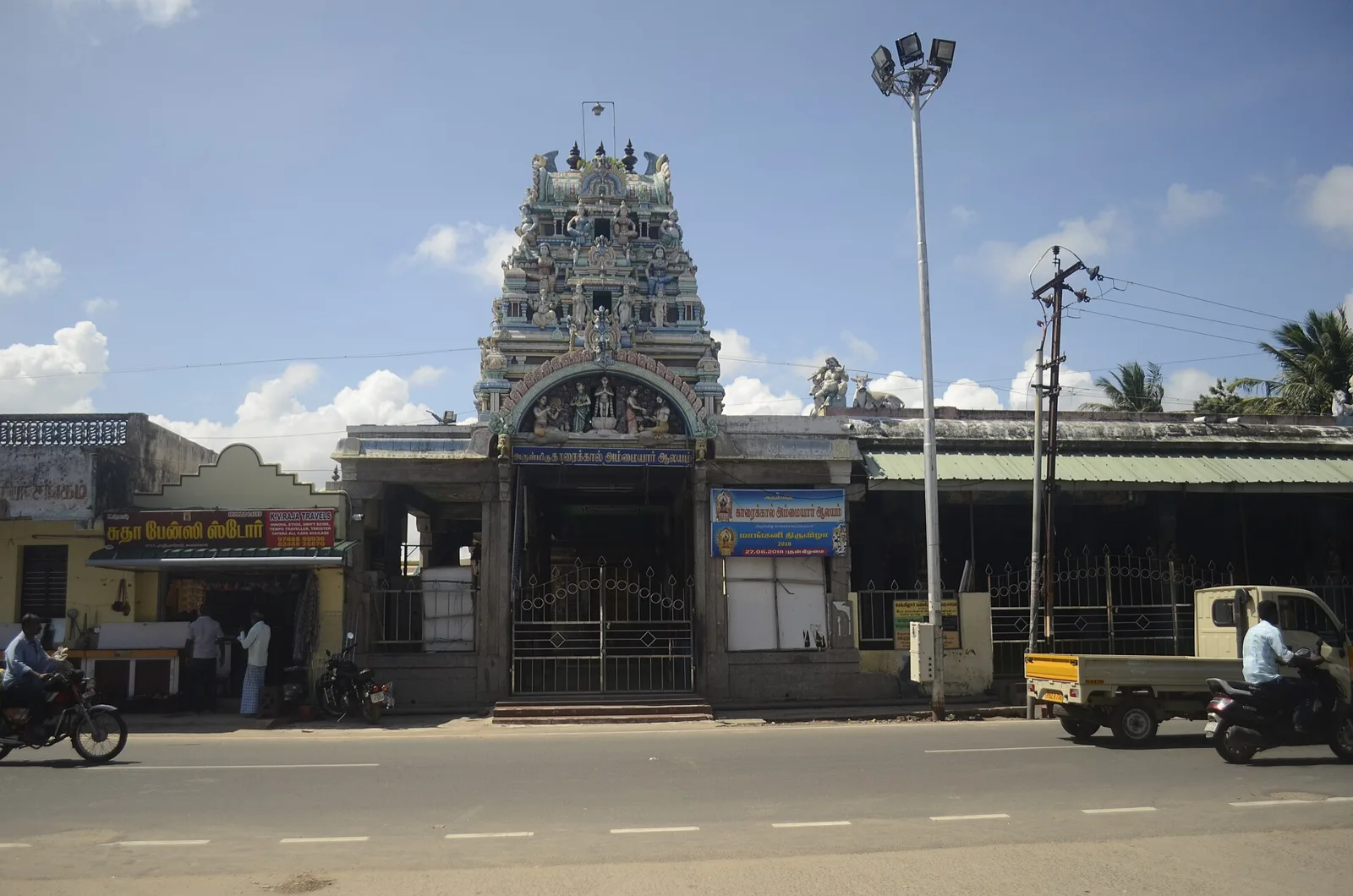
Half day: Explore Karaikal market (about 1–1.5 hours), visit Karaikal Ammaiyar Temple (about 45 minutes), have a local meal, then take a relaxed stop at Karaikal beach (about 1 hour). Full day: Begin at the market (about 1–1.5 hours), visit Karaikal Ammaiyar Temple, have lunch, continue to Thirunallar (allow 2–3 hours including travel and the temple visit), then return for a short coastal stop if conditions allow. Gentler option: Choose one central visit, such as the market or Karaikal Ammaiyar Temple, take a seated meal nearby and use a taxi for transfers; avoid the hottest part of the day.
Tamil is the principal language of everyday life, and Tamil customs, devotional practices and foodways are prominent. Coastal and Cauvery-delta influences meet in meals based on rice, vegetables and seafood; menus vary between homes and eateries. The calendar includes temple observances as well as celebrations shared across religious communities. Music and devotional singing are part of festival and worship settings, while local cultural events may include Tamil performance traditions. Everyday dress is varied and modern, with traditional clothing also worn for worship, celebrations and family occasions. French rule is an important part of Karaikal’s history, but French is not the main language of daily interaction.
Local communities
Tamil-speaking residents form the largest cultural presence in Karaikal, alongside Hindu, Muslim and Christian communities. Fishing supports coastal livelihoods, while agriculture and related work connect residents to the surrounding delta. Retailers, market vendors, transport workers, public employees and people in local services contribute to city life. Visitors may encounter pilgrims travelling to temples in Karaikal and nearby Thirunallar, as well as traders and customers from surrounding towns. These communities are not defined by a single occupation or tradition; ask permission before photographing people, homes, workplaces or religious activity.
Festivals & events
Pongal, the Tamil harvest festival, is celebrated in January. Masi Magam, usually in February or March, draws worshippers to coastal observances and can make local roads and public spaces busier. Karaikal’s Mangani festival, associated with Karaikal Ammaiyar, is generally held around June or July and brings visitors to the town. Thirunallar’s Sani Peyarchi observance takes place when the relevant astrological transition occurs, so its timing varies and large pilgrim crowds may affect transport and accommodation. Ramadan and Eid, Christmas and other community observances are also part of the local calendar. Check locally for current event arrangements.
Local food in Puducherry includes French-Tamil Creole dishes such as meen moilee, assad and curried prawns, fresh seafood, crêpes, croissants and French bakeries in White Town, South Indian breakfasts of idli, dosa and filter coffee, Chettinad dishes and, in Mahé, Malabar biryani and pathiri. Ask what is fresh that day; many small eateries cook a limited daily menu. White Town has many cafés and bakeries; the Tamil town across the canal has busy, inexpensive meal houses. Temple towns such as Thirunallar serve strictly vegetarian food. Remote sites may have no restaurant at all. Carry water and snacks, eat a proper breakfast before long journeys, and ask your accommodation for a packed lunch if you are heading out early. Try a home-cooked or local meal when you can — it is often the best food on the route. Choose busy, clean places, drink sealed or filtered water, and carry your packaging back with you.
Shopping & local experiences
The central market is a practical place to look for everyday goods, seasonal produce, spices and locally sold snacks. Karaikal’s food culture is a better-established draw than a clearly documented signature craft industry: try Tamil-style rice meals and seafood dishes such as fish curry where available, noting that menus and catches change. Packaged snacks, pickles or spices can make useful food souvenirs. Textiles, pottery, incense and other crafts may be stocked by individual sellers, but ask where an item was made rather than assuming it is a Karaikal product. Carry reusable bags and keep food purchases securely packed.
November to March
The nearest principal railway station by straight-line distance is Karaikal, roughly 2 km away. The nearest operating airport by straight-line distance is Puducherry Airport (limited flights), roughly 115 km away. These figures are calculated from map coordinates — actual road distance is longer. Chennai airport (about three hours by road) is the main gateway; Puducherry's small airport has limited flights. Trains reach Puducherry station via Villupuram Junction, Karaikal has its own station, Mahé lies on the Mangaluru–Kozhikode line, and Yanam is reached from Kakinada or Rajahmundry. For the final leg, PRTC and Tamil Nadu state buses, rented bicycles and scooters in Pondicherry town, and autos and app cabs cover the local area. A private taxi gives more flexibility for spread-out sights. When comparing train, bus and flight, count the complete door-to-door time: a flight saves the most time only if the onward transfer is short, while an overnight train can save a hotel night. For Puducherry, flying to Chennai and taking a road transfer along the East Coast Road is usually quickest from distant cities, while an overnight train to Villupuram or Puducherry can save a hotel night. For Mahé, fly to Kannur; for Yanam, fly to Rajahmundry. Book your return before you leave, because seats fill quickly on weekends, festivals and holidays. Current train numbers, timings, return services, ferry departures and fares are not listed here; check IRCTC and NTES for trains, the airline's own schedule for flights and the official operator for ships and ferries. No permit is needed to visit Puducherry, Karaikal, Mahé or Yanam. Some heritage buildings, the Sri Aurobindo Ashram and churches have their own visiting hours and rules on photography and silence. The Puducherry territory sets its own fuel and liquor prices, so do not carry alcohol across the border into Tamil Nadu, Kerala or Andhra Pradesh, where it is an offence above small limits.
Confirm onward and return timings on IRCTC / NTES, the state bus operator or your airline before travel. A dash means current timings or fares have not been verified.
Getting around
Autos are useful for short trips around the city; taxis or hired vehicles make it easier to visit sites spread across the district or continue to nearby towns. Local buses serve Karaikal and surrounding settlements, though routes and service frequency should be checked locally. The railway station is within the city, and the main market and central streets can be explored on foot if the weather and walking conditions suit. Walking is less comfortable in strong midday heat. Check parking availability near busy temples and festival areas, and allow extra time when processions or pilgrim crowds are present.
Hours, tickets & permissions
Karaikal is a working city, not a single ticketed attraction. Markets, temples, the beach and other public places have different access arrangements; some religious sites may have rules on clothing, footwear, photography or access to particular areas. Permits or extra restrictions may apply to photography or drone use in controlled locations. Do not assume that all areas of a temple are open to visitors. Confirm current opening arrangements, entry rules and any fees with the relevant managing authority or locally before setting out.
Facilities
Karaikal has eateries, shops, banks and other everyday services, particularly around central commercial areas. Food and drinking water are available from local businesses, but carry water when travelling between sites. Toilets and public drinking-water points vary by location; check locally, especially before a longer outing. Parking may be available near major destinations but can be limited during festivals. Guides are not guaranteed at every site, so arrange help through a local host or tourism contact if needed. Keep some flexibility for smaller businesses that may not accept digital payments.
Accessibility
The city and surrounding delta are generally low-lying, but this does not mean every pavement or entrance is accessible. Market streets can be busy or uneven, and temple visits may involve steps, thresholds or barefoot areas; confirm access arrangements directly with the site. Karaikal beach may have soft sand that is difficult for wheelchairs and strollers. Shade can be limited outdoors, and heat and humidity can make even short walks tiring. Older visitors and people with limited mobility may find a vehicle-assisted itinerary with one main stop more comfortable. Do not assume that ramps, accessible toilets or lifts are available.
No permit is needed to visit Puducherry, Karaikal, Mahé or Yanam. Some heritage buildings, the Sri Aurobindo Ashram and churches have their own visiting hours and rules on photography and silence. The Puducherry territory sets its own fuel and liquor prices, so do not carry alcohol across the border into Tamil Nadu, Kerala or Andhra Pradesh, where it is an offence above small limits. Carry a photo ID at all times and save the emergency number 112 and your accommodation's contact offline. The sea along the Promenade is rocky and the currents are strong — do not swim there; swim only at beaches with lifeguards, such as Paradise Beach, and leave the water if a flag or guard says so. Watch your belongings in crowds and on public transport, and follow posted instructions.
Photography
Early morning and late afternoon usually offer softer light for street, market and coastal photographs. Ask vendors before photographing their stalls and always seek people’s permission for portraits. At temples, follow posted rules and ask staff before photographing worship, ceremonies or interiors; some areas may restrict cameras. Avoid obstructing customers or processions. Drone use is subject to Indian aviation rules and may be restricted near ports, sensitive sites or other controlled areas; obtain the required permissions rather than relying on local custom. Keep equipment and belongings secure in crowded places.
Choose a stay by the full journey to Karaikal, not just the district name. White Town has heritage guesthouses and boutique hotels in old French villas; the Tamil Quarter and the East Coast Road have mid-range hotels and beach resorts; Karaikal, Mahé and Yanam have simple hotels suited to short stays. In the hot months, check air-conditioning; in the monsoon, check that the property is reachable if roads flood or ferries are cancelled. Book in advance for weekends, festivals and the peak season (November to March). Confirm the exact location, meals included, check-in time and cancellation terms in writing. Avoid sending money to unverified contacts or touts at stations, airports and jetties. Carry some cash, as card and digital payments can be unreliable in remote areas.
Within Karaikal, visitors can look for Karaikal Ammaiyar Temple, Karaikal beach and the coastal settlement of Karaikal. Thirunallar, in Karaikal district, is known for the Dharbaranyeswarar Temple and its association with Sani worship; festival periods can be especially busy. For a longer outing beyond the district, Nagore is known for the Nagore Dargah, while Velankanni is a major pilgrimage town. Tharangambadi, also called Tranquebar, has a distinct coastal and colonial history. These places are in neighbouring parts of Tamil Nadu, so check road conditions and travel time before combining them with Karaikal.
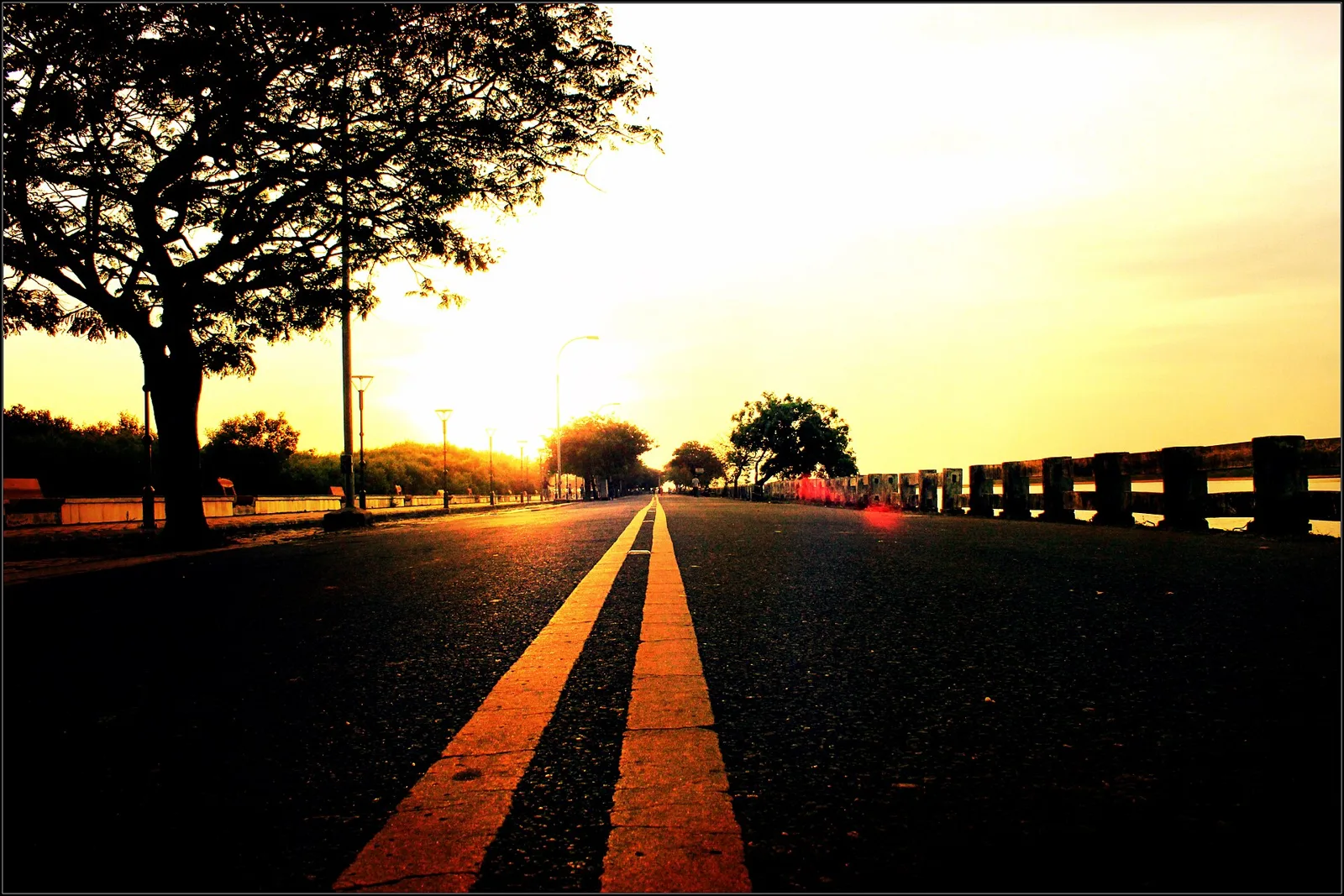
For couples, Karaikal rewards a slow pace: arrive early for soft light and fewer crowds, share a local meal and keep the evening free. A sunrise walk on the Promenade, an evening in the French Quarter's cafés, a boat ride to Paradise Beach or a quiet afternoon at Ousteri Lake makes the trip memorable. Public displays of affection can be frowned upon in conservative communities and at religious sites, so be discreet. Keep a buffer in your itinerary, because weather and transport can delay plans.
Q: How much time should I allow for Karaikal? A: A half day can cover a market visit, one central temple and the coast; allow a full day if adding Thirunallar. Q: When is a comfortable season to visit? A: November to March is generally more pleasant. The coast is hot and humid for much of the year, and the northeast monsoon can bring heavy rain from October to December. Q: Is there an entry ticket for Karaikal? A: The city itself is not a ticketed attraction. Individual temples or events may have their own entry and photography rules; confirm with the relevant authority. Q: Is Karaikal suitable for children and elderly visitors? A: It can be, with vehicle transfers, rest breaks and attention to heat. Check temple steps and beach access, which may not suit every visitor. Q: Can I stay nearby? A: Karaikal has local accommodation options, and visitors also use nearby towns as a base. Check current availability and book ahead during major festivals.
Be the first to share photos, stories, advice or a helpful contact for Karaikal.
Loading…