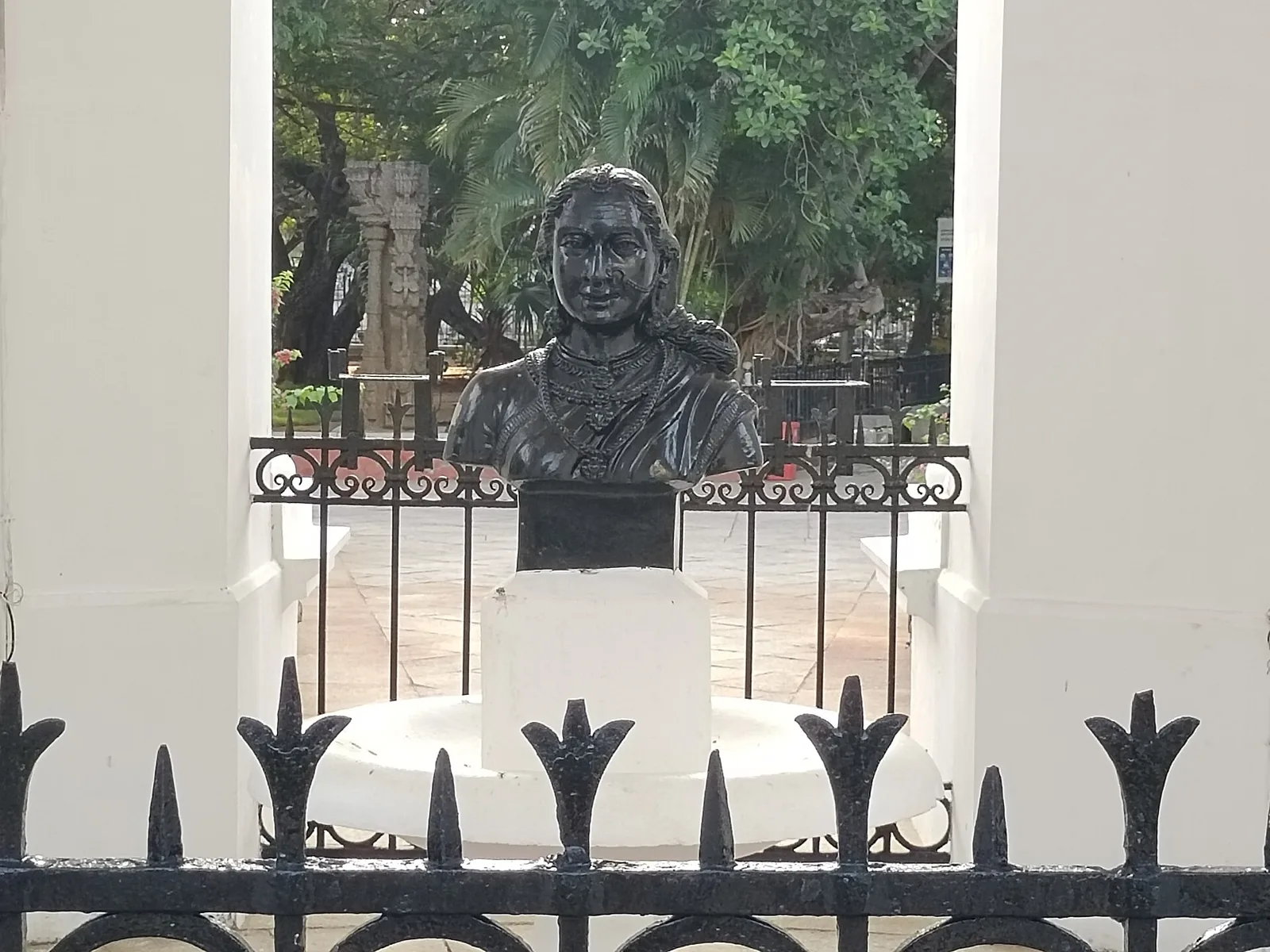
Ghumoopedia — Explore, Discover, Experience
Sign in
Aayi Mandapam, Puducherry

Union Territory · South India

Puducherry

French Quarter boulevards, Auroville and a calm Coromandel promenade.

Capital
Puducherry
Districts
4
Destinations
26
Plan a trip in Puducherry

Overview

Understanding Puducherry

Culture

Franco-Tamil architecture and Sri Aurobindo Ashram.

Food

  • Creole seafood
  • Tamil-French bakes

Festivals

  • Bastille Day
  • Masi Magam

Experiences here

  • Beach
  • Heritage
  • Spiritual

Verified by the Ghumoopedia editorial team on 21 Nov 2026. Written and reviewed by Ghumoopedia's editors. Timings, fees and permits can change, so check them with the managing authority shortly before you travel.

The complete guide

Puducherry: a traveller's guide

Why visit

Puducherry is a Union Territory of four separate coastal districts, each with its own setting and regional character. The capital, Puducherry, is known for the boulevards and pale façades of White Town, the seafront promenade and the Sri Aurobindo Ashram. Nearby, Auroville offers a different kind of visit, centred on an international community and its distinctive architecture. The territory’s French and Tamil influences are visible in its streets, places of worship, food and everyday life, but it is not simply a French-themed beach destination: its communities and histories are varied.

Puducherry suits short heritage breaks, slower seaside stays, spiritual visits and journeys linking several regions of South India. Visitors can explore Arikamedu’s ancient trading past, gardens and museums in the capital, or travel farther to Karaikal’s temples and coast, Mahe’s green Malabar setting, and Yanam near the Godavari delta. Beach time, architecture, religious sites and local food can all fit into a trip, though the separated districts require planning. The calm promenade, lively Tamil neighbourhoods and Creole-influenced cooking make the capital especially rewarding for travellers who prefer unhurried exploration to a packed sightseeing schedule.
Landscape & climate

Puducherry is not one continuous area: its four districts are separated by parts of Tamil Nadu, Kerala and Andhra Pradesh. Puducherry and Karaikal lie on the Coromandel Coast beside the Bay of Bengal. Their mostly level terrain includes beaches, lagoons, wetlands and the fertile fields of the Cauvery delta around Karaikal. The Sankaraparani river system reaches the coast near Puducherry, while Karaikal’s waterways include distributaries of the Cauvery such as the Arasalar. Ousteri Lake, shared with Tamil Nadu, is an important wetland near the capital. The coast is generally open and low-lying, rather than backed by hills or extensive forests.

Mahe is a compact enclave on Kerala’s Malabar Coast, where heavy monsoon rain supports a greener landscape and rivers drain towards the Arabian Sea. Yanam sits beside the Godavari river system in a delta landscape of waterways, fields and settlements. Across the territory, small groves, wetlands and coastal vegetation provide more characteristic natural habitats than large forest tracts. Conditions are tropical and humid. The southwest monsoon, broadly from June to September, brings especially strong rainfall to Mahe; the northeast monsoon, usually from October to December, is important for Puducherry and Karaikal. Rainfall and storm conditions vary from year to year, and the exposed coast can be rough during unsettled weather.

History & heritage

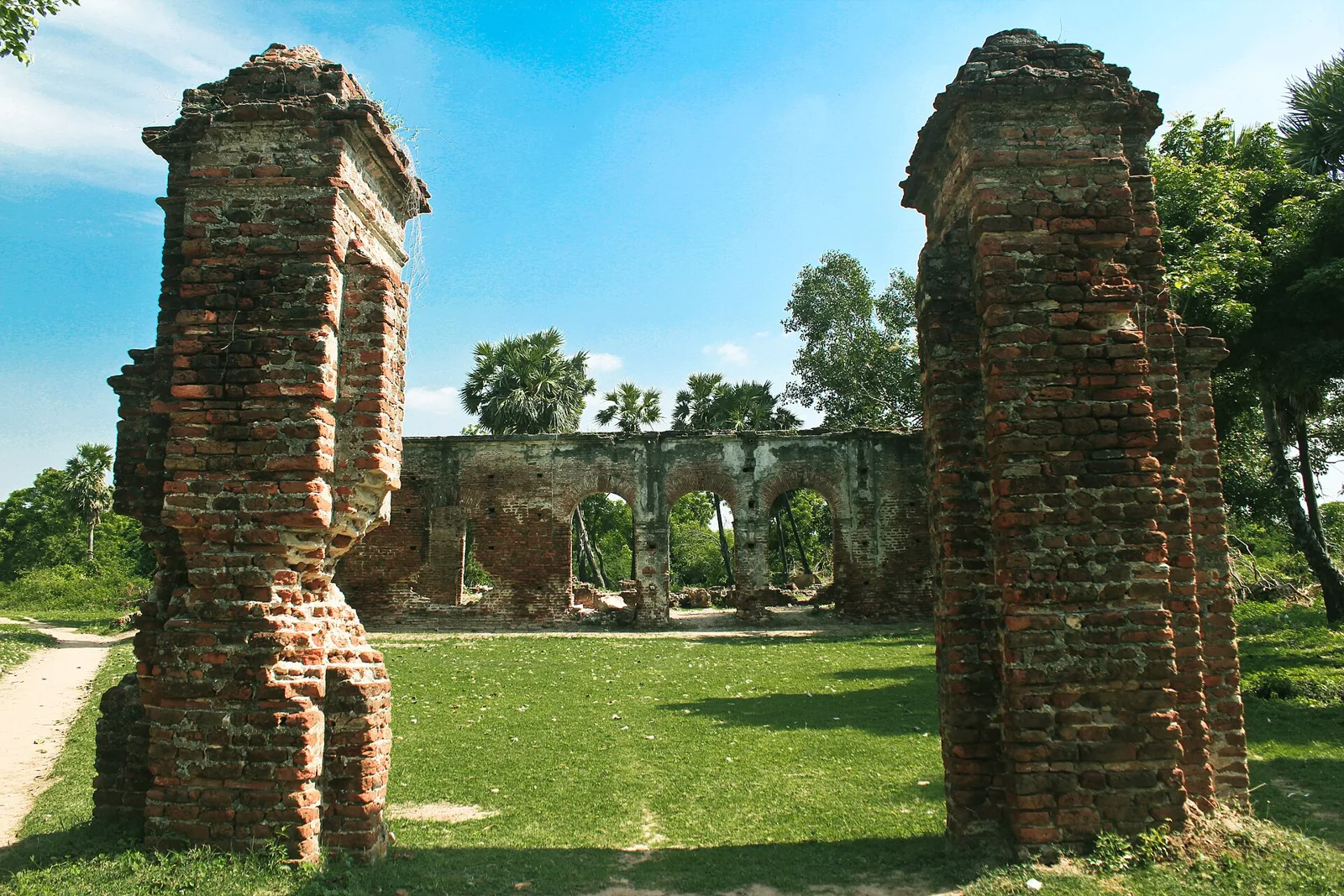
Puducherry’s history reaches well before the French colonial period. Arikamedu, near the capital, is an archaeological site associated with ancient maritime exchange; finds there point to connections between the region and long-distance trade, including links with the Roman world. Over the centuries, different South Indian powers, including Pallava, Chola, Pandya and Vijayanagara rulers, held influence in parts of the area. Tamil-speaking communities, temples and agrarian landscapes developed through these changing political eras. Karaikal’s temples and delta settlements also reflect the long history of Tamil religious and cultural life.

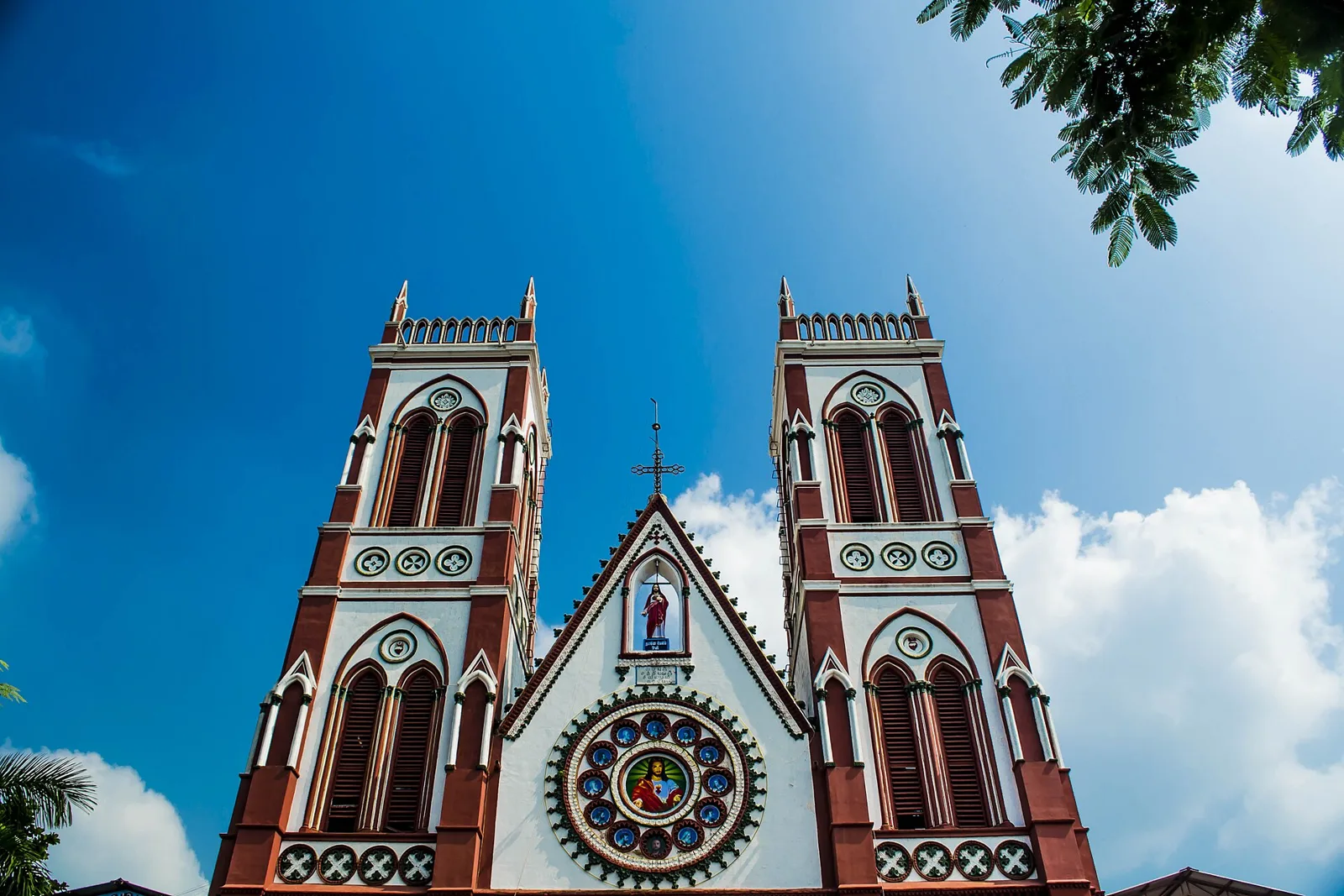
The French established a foothold at Puducherry in the seventeenth century, and the town became the centre of a wider group of French possessions on India’s coast. French and British rivalry repeatedly changed control of the settlement; after the Napoleonic conflicts, French administration was restored in the early nineteenth century. The colonial legacy is most visible in the capital’s planned streets, civic buildings and churches, but it also shaped local institutions and a distinctive Franco-Tamil urban culture. The French enclaves were not a single continuous territory: Karaikal, Mahe and Yanam had their own settings and relationships with neighbouring regions.

After India became independent, the French settlements joined the Indian Union through a gradual process. The transfer of administration took effect in 1954, while the formal de jure transfer followed in 1962. The Union Territory of Pondicherry was constituted in 1963, bringing together the four geographically separate former French settlements. The official name was changed to Puducherry in 2006. Today, heritage sites such as White Town, Arikamedu, churches and temples sit within a modern territory whose different districts retain strong linguistic and regional connections to the states around them.

Culture, people & festivals

Culture in Puducherry reflects its four distinct districts as well as centuries of contact across South India and the Indian Ocean. Tamil is the principal language in Puducherry and Karaikal; Telugu is widely associated with Yanam, while Malayalam is spoken in Mahe. English is commonly used in education and tourism, and French remains part of the territory’s heritage and is used by some residents and institutions. Hindu, Christian and Muslim communities contribute to the region’s religious life. Temples, churches and mosques are part of both everyday neighbourhoods and major public celebrations. Carnatic music and Bharatanatyam connect the territory to wider Tamil cultural traditions, alongside folk performance, devotional music and contemporary arts.

Pongal, the Tamil harvest festival, is celebrated in January with family gatherings, festive cooking and decorated homes. Masi Magam, usually in February or March, is marked by processions and ritual bathing associated with temples and the sea; dates follow the Tamil calendar and vary each year. Bastille Day is observed on 14 July, reflecting the French connection, while French cultural events and heritage programming may take place at other times. Deepavali and other Hindu festivals, Christmas and Easter among Christian communities, and Muslim observances are also part of the annual calendar. Auroville and the Sri Aurobindo Ashram draw visitors interested in spiritual practice, but they are distinct institutions and should be approached with respect for their own customs and visitor guidance.

Food & flavours

The food of Puducherry brings together Tamil staples and coastal cooking with French and Creole influences. Rice is central, accompanied by lentils, vegetables, tamarind-based gravies and a wide range of chutneys and pickles. Along the coast, fish, prawns, crab and other seafood are prepared in local styles, often with coconut, pepper, chilli or souring ingredients. Puducherry town’s older Franco-Tamil kitchens have their own blended repertoire, sometimes combining French techniques or breads with South Indian spices and seafood. Recipes and restaurant menus vary, so “Creole” describes a broad local influence rather than a single standard cuisine.

Karaikal’s food draws on Tamil coastal and Cauvery-delta traditions, while Mahe’s dishes often share the coconut-rich flavours of Kerala’s Malabar coast. Yanam’s Telugu-influenced cooking brings another regional character, with rice, spice and river or coastal produce. In the capital, visitors can look for baguettes, pastries and other bakes alongside idli, dosa, meals served with rice, and savoury snacks. Sweets include local and broader South Indian favourites, as well as French-style pastries in some bakeries. Seafood availability and preparation depend on season and the establishment. Ask about chilli, allergens and whether a dish contains meat or seafood if these matter to you; vegetarian food is also widely available.

Crafts, textiles & what to buy

Handmade crafts in the territory include terracotta, pottery, woodwork, embroidery, incense, handmade paper and small decorative objects. Villianur, near Puducherry town, is particularly associated with terracotta work. Villianur Terracotta Works is a registered Geographical Indication, so shoppers seeking the GI product should check its origin and seller information rather than assuming that every terracotta item sold in the capital is locally made. The craft’s forms include traditional figures and household or devotional objects, with designs and finishes varying between makers.

Puducherry’s handmade-paper workshops and small studios are another source of locally produced gifts, while boutiques in White Town and the Tamil quarters sell clothing, printed textiles, accessories and homewares. Some goods are made in the territory; others come from neighbouring Tamil Nadu or elsewhere, so ask about provenance when local production matters. There is no single textile tradition that represents all four districts, and the shops’ selections change. Look for clearly described materials, maker details and responsible sourcing, especially for shell or marine-themed souvenirs. Buying directly from a workshop or artisan can help clarify how an item was made and whether it is genuinely associated with the place.

Getting there & getting around

Puducherry Airport is close to the capital, but its scheduled services may be limited or change, so check current routes before planning around it. Chennai International Airport is the main air gateway for many visitors to Puducherry and the northern coast. For Karaikal, travellers also use rail and road connections through Tamil Nadu; Tiruchirappalli International Airport can be useful for journeys in the wider region. Mahe is served by the coastal rail line, and airports in Kerala, including Kannur and Calicut, are possible gateways. Yanam has no airport or railway station within the district; Rajahmundry Airport and rail connections in Andhra Pradesh can be considered, followed by a road journey.

Puducherry railway station connects the capital with selected destinations, while Villupuram Junction is a major nearby rail interchange with broader connections. Karaikal and Mahe have railway stations; check the current network and onward transport when choosing a route. By road, the East Coast Road links Chennai and Puducherry through the coastal corridor, and National Highway 32 serves the wider southeast coast. National Highway 66 is the principal coastal route near Mahe. Yanam is approached by road from the Andhra Pradesh side, including the Kakinada area. Within towns, auto-rickshaws, taxis, local buses, bicycles and walking are useful options. The districts are far apart, so allow substantial road time between them and avoid assuming that a Puducherry-town base is convenient for every excursion.

When to go & travel tips

For Puducherry and Karaikal, the cooler, drier months from roughly November to February are often comfortable for walking and heritage visits. October to December can bring northeast-monsoon rain, rough seas and occasional travel disruption, so check local forecasts. Mahe is lush in the southwest monsoon but receives heavy rain; drier months are generally easier for outdoor plans. Yanam is hot and humid for much of the year, so early mornings and the cooler part of the year can make sightseeing more pleasant. Seasonal patterns vary, and festival dates such as Masi Magam change annually.

Pack light, breathable clothing, sun protection, a refillable water bottle and comfortable walking shoes; add rain protection during monsoon periods. Swim only where conditions are safe and follow local beach advice, since currents and surf can be hazardous. Dress respectfully at temples, churches and the Ashram, and follow signs about photography, footwear and quiet. Carry identification and keep valuables secure in crowded areas. No special travel permit is generally required for ordinary visits to these districts, but confirm current requirements with official authorities if your itinerary involves restricted sites or special activities. Check transport, weather and institutional visitor guidance shortly before departure.

Highlights

Where to begin

City by city

Cities & hubs of Puducherry

Every sight is grouped under its city — places within about 12 km together, day trips within 40 km alongside — even across district lines. Open a city to see its attractions.

See every city, town and village of Puducherry

More cities of Puducherry

Away from the cities — 6 more places by district

District discovery

Puducherry: 4 districts covered

Open a district to see its destinations and neighbours. More districts are added as our team writes them.

4 of 4 districts have destination guides

Destinations

Every guide in this state

Open a district to see its cities and towns, villages and places to see.

Festivals & fairs

The calendar here

Full calendar

Festivals of Puducherry through the year

Usual season and where each is best known. Exact dates follow local calendars — linked festivals have dated guides.

  • Masi MagamFebruary–MarchSea-bathing festival, Puducherry.
  • Bastille Day14 JulyFrench heritage celebrated.
  • International Yoga FestivalJanuary
  • Karaikal Ammaiyar Mango FestivalJune–JulyKaraikal.
  • Feast at MaheOctoberSt Theresa, Mahe.
  • Pongal and Tamil new year as in Tamil Nadu
From travellers and locals

Be the first to share photos, stories, advice or a helpful contact for Puducherry.

Loading…