Ghumoopedia — Explore, Discover, Experience
Sign in
Karaikal, near Karaikal

City guide · Puducherry

Karaikal

Karaikal is a port city and district administrative centre in Puducherry. Its Coromandel Coast setting and position within Tamil Nadu make it notable to visitors.

Famous for

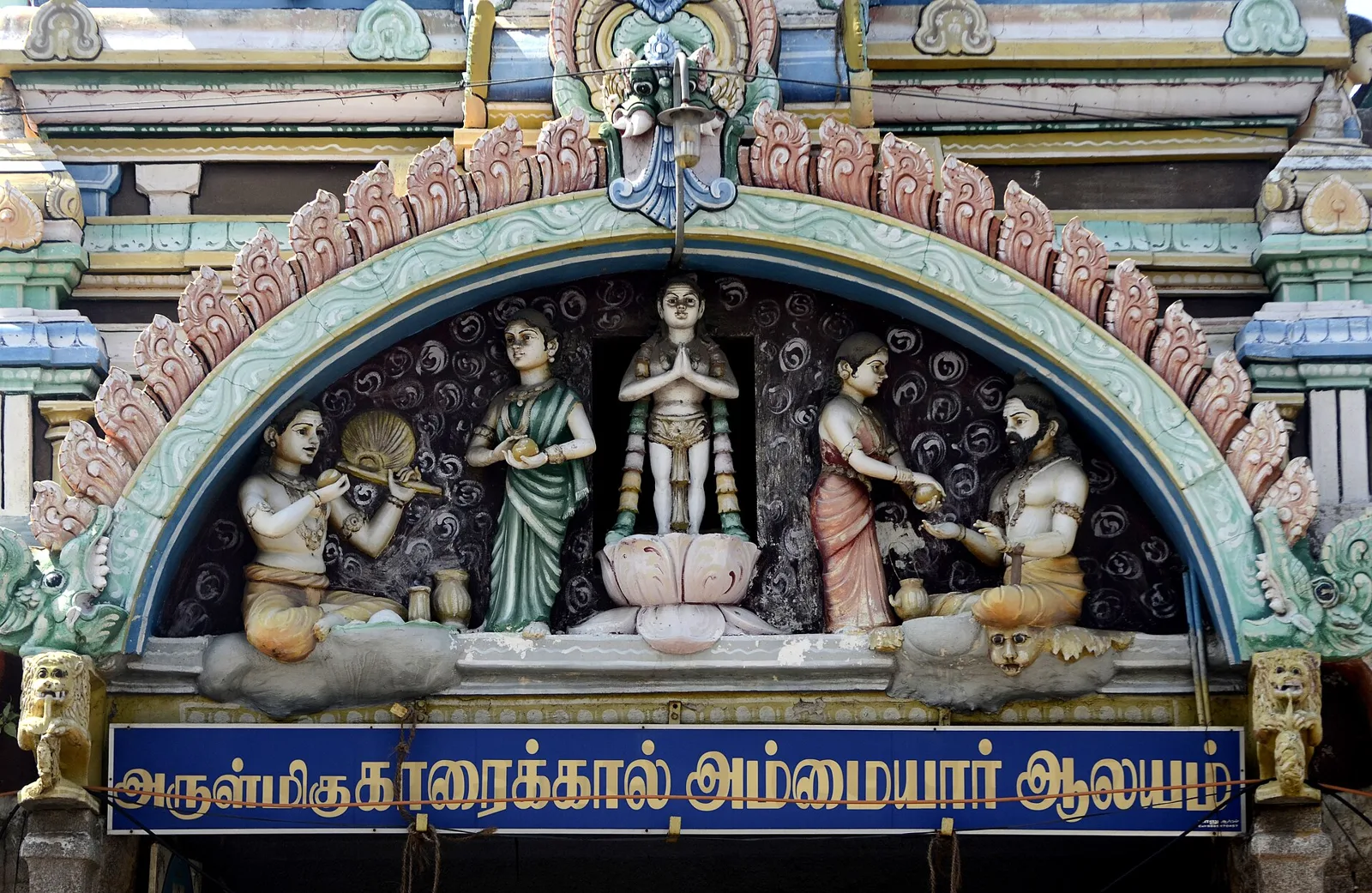
  • Karaikal Ammaiyar Temple
  • Thirunallar Saneeswaran Temple
  • Mangani Festival
  • Kaveri delta rice
  • Bay of Bengal coast
In the city
4
District
Karaikal

Why Karaikal matters

Karaikal is a coastal town and the administrative headquarters of Karaikal district, one of the four separated regions of the Union Territory of Puducherry. Set within Tamil Nadu’s Kaveri delta, it is bordered by Tamil Nadu districts on three sides and the Bay of Bengal to the east. This distinct geography gives the town both a regional role in administration and close connections to the delta’s farming and fishing communities.

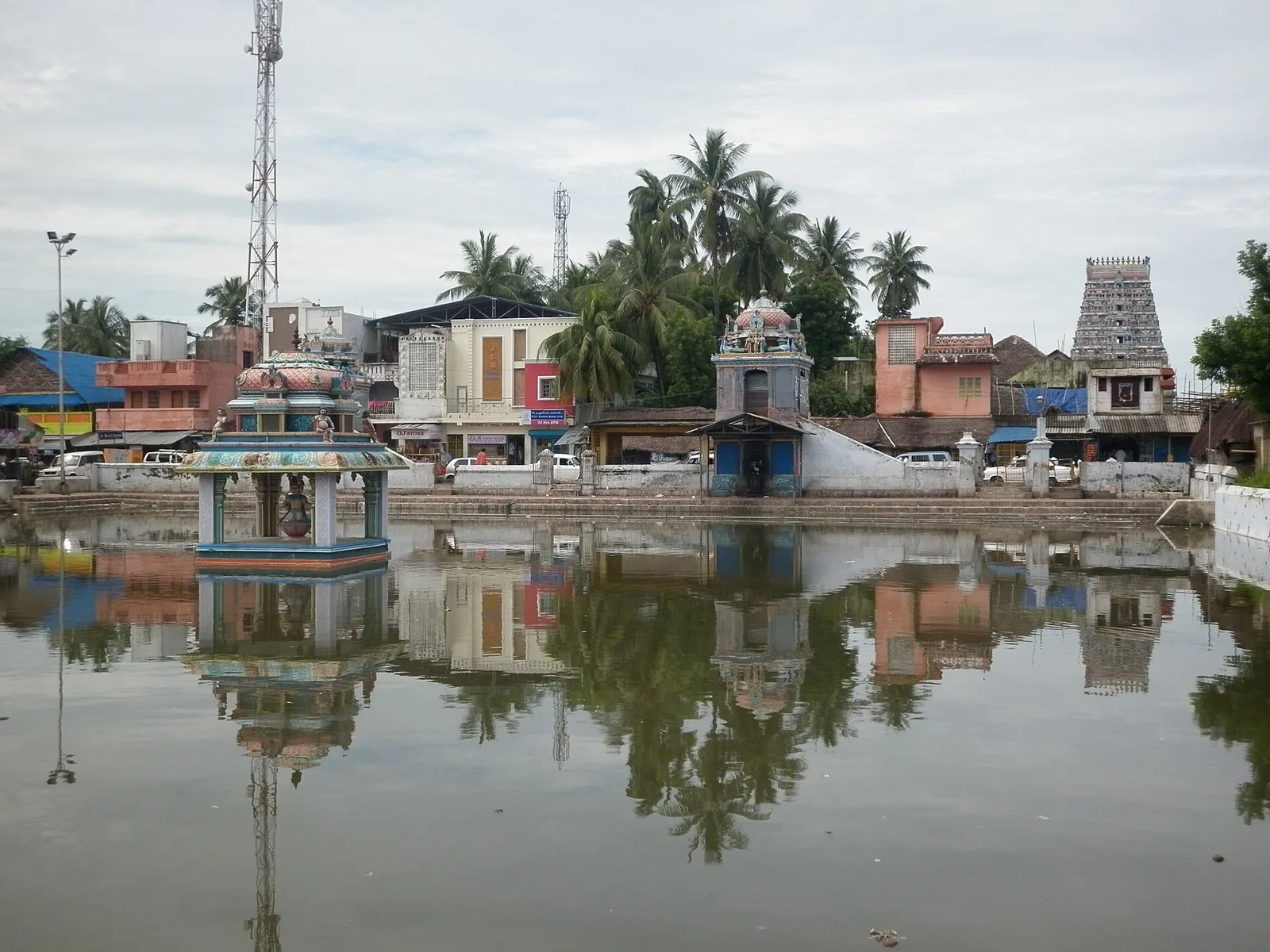
Visitors come chiefly for its places of worship. Karaikal Ammaiyar Temple honours the revered Tamil Shaivite poet-saint, while the Saneeswaran Temple at nearby Thirunallar is an important pilgrimage destination. Karaikal’s beach and its traces of French-era history offer quieter ways to explore the town. The surrounding landscape is shaped by the Kaveri’s distributaries, which support rice cultivation and flow towards the coast. Together, pilgrimage, coastal scenery and a layered Tamil-French past make Karaikal a distinctive stop in the southern part of Puducherry Union Territory.
Famous for: crafts, trade & products

Karaikal is better known for delta agriculture, fishing and regional trade than for a signature textile, handicraft or GI-tagged product. Rice is a prominent crop in the fertile Kaveri delta, and fish from the coast is part of local commerce and daily cooking. Visitors can look for rice, seafood and other everyday provisions in the town’s local markets and shops; availability varies by season. There is no widely recognised Karaikal-specific saree or craft tradition to seek out as a defining city product.

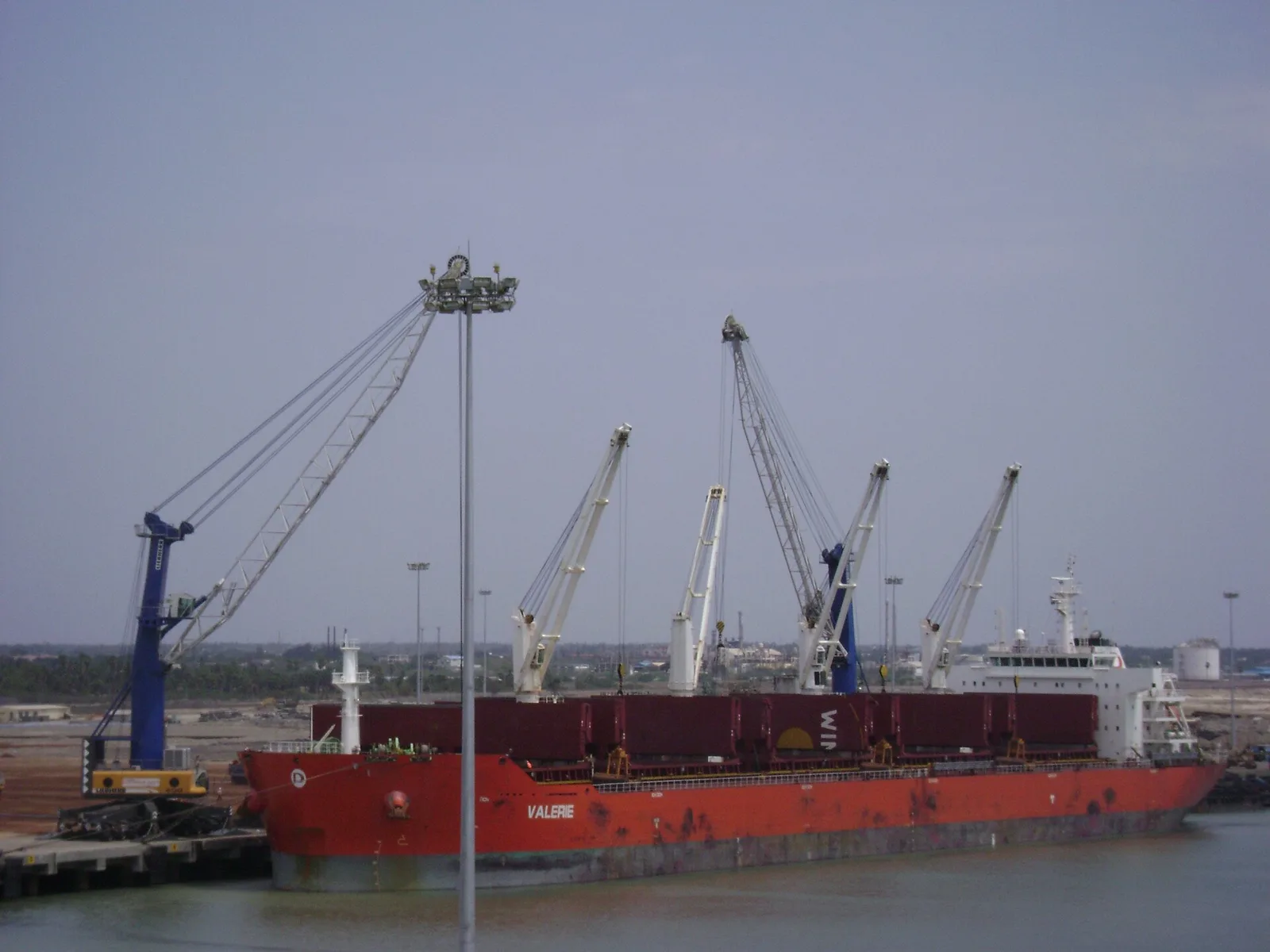
The port at Karaikal supports cargo movement for the wider region and adds a trading dimension to the town’s economy. Retail shops and markets in the town centre serve residents and visitors, while agricultural activity is spread across the surrounding communes and villages. For a sense of local trade, browse food and provision shops rather than expecting a dedicated craft district. The temples at Karaikal and Thirunallar are among the area’s most prominent institutions, drawing pilgrims and sustaining businesses such as flower, offering and food sellers nearby. These everyday trades, alongside farming and fishing, give a more accurate picture of what the region produces and exchanges.

History

Karaikal’s recorded colonial history took shape in the eighteenth century. In 1738, the exiled Rajah of Thanjavur promised the town to the French in return for assistance; the French formally took control in 1739 with the help of Chanda Sahib of Arcot. Further territory, including 81 villages, was ceded to the French in 1749 and confirmed by treaty in 1754.

The town changed hands during conflicts between French and British forces. British troops captured it in 1760, and French control was restored in 1817 after the Napoleonic Wars. France retained Karaikal, with interruptions, until it joined India de facto in 1954. Its legal integration into India followed in 1962, along with the other former French Indian territories. Today Karaikal is the district’s administrative centre. Its development is also tied to the surrounding Kaveri delta’s agriculture and fishing, as well as the port and road and rail links that connect the enclave with Tamil Nadu.

Food, festivals & culture

Tamil is the principal language of daily life; English is also used, and the French period remains part of the town’s historical identity. Rice and seafood are central to local meals, with fish curry and other coastal Tamil preparations commonly found in eateries. Traditional Tamil snacks and sweets are available from local bakeries and sweet shops, though Karaikal is not especially known for one signature confection.

Religious observances shape the calendar. The Mangani Festival at Karaikal Ammaiyar Temple, usually held around June or July, recalls the saint’s story and draws devotees. Thirunallar’s Saneeswaran Temple attracts pilgrims throughout the year, with special crowds around major astrological observances. Pongal, celebrated in January, marks the harvest season, while Deepavali and Tamil New Year are also widely observed. Devotional music accompanies temple worship; Carnatic music and Bharatanatyam belong to the wider Tamil cultural tradition. Karaikal Ammaiyar Temple and the nearby Thirunallar shrine are the area’s best-known places of worship.

Visiting the city

November to February is generally the most comfortable time to visit, with cooler conditions than the hot months; the northeast monsoon can bring rain, especially later in the year. Karaikal has its own railway station, Karaikal railway station. The nearest airport with regular commercial services is Puducherry Airport, though services are limited; Tiruchirappalli International Airport is a larger alternative for more flight connections.

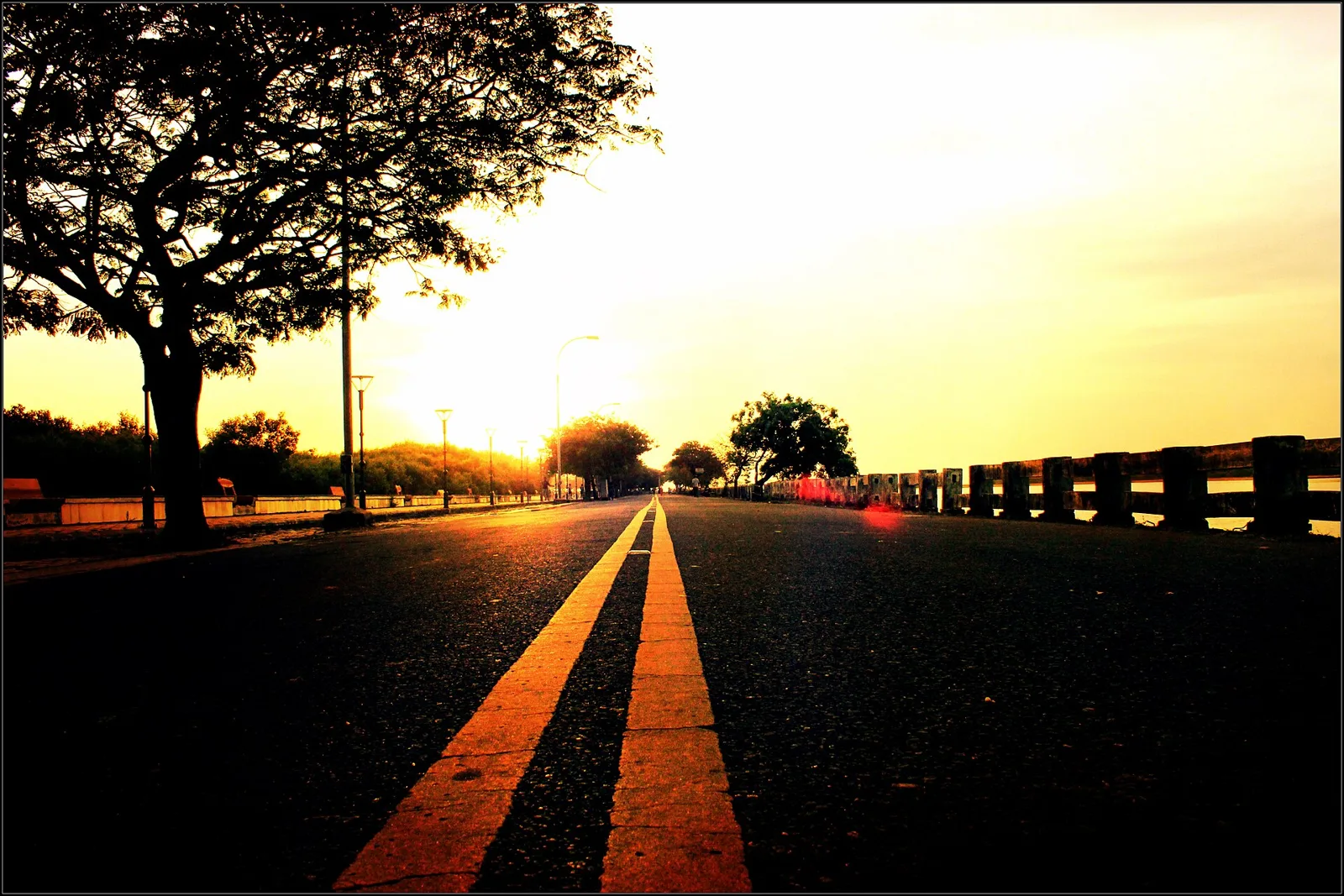
Auto-rickshaws, local buses and taxis are practical for getting around, including trips to nearby temples and coastal areas. Explore the town centre for shops and historic streets, visit Karaikal Ammaiyar Temple, and head towards Karaikal Beach for the coast. Thirunallar, a short journey from town, is a major pilgrimage stop. The surrounding villages and delta landscape offer a glimpse of the region beyond the urban centre.

Attractions

Places to visit in Karaikal

Sights within about 12 km of each other, even when they fall in different districts.

Map

Karaikal on the map

  1. 1Karaikal
  2. 2Karaikal Ammaiyar Temple
  3. 3Karaikal Beach
  4. 4Thirunallar Saniswaran Temple

Puducherry

Other cities to explore