
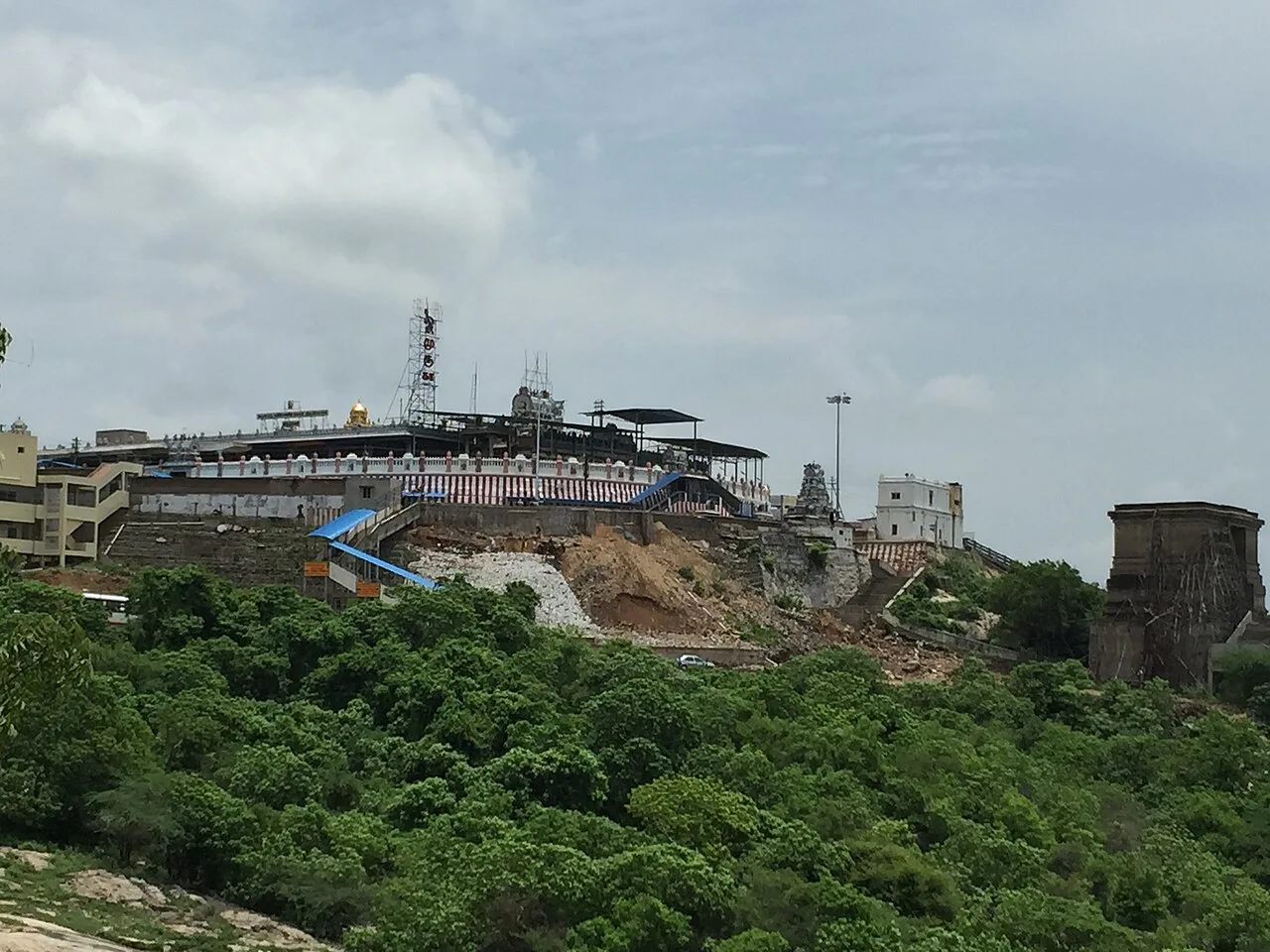
Tiruttani Murugan Temple
Tiruttani is a historic town in Tamil Nadu’s Tiruvallur district and part of Chennai’s metropolitan area. Visitors come to its ancient Murugan temple, counted among six important abodes of the deity.
Key facts · verified by Ghumoopedia editors
- Type of place
- Temple / pilgrimage site
- Best time to visit
- November to February; April to June for the hill stations
- Nearest railway station
- Arakkonam Junction · about 14 km (straight line)
- Nearest airport
- Tirupati Airport · about 51 km (straight line)
- Verified
- 21 Nov 2026
Plan a trip from Tiruttani Murugan Temple — a day-by-day route through places nearby.
Tiruttani is a historic settlement in Tiruvallur district, Tamil Nadu. It functions as a suburb of Chennai within the Chennai Metropolitan Area. The town’s best-known landmark is the Tiruttani Murugan Temple, an ancient Hindu place of worship. The temple is dedicated to Kartikeya, known as Murugan in Hindu tradition and described as the god of war. It forms part of the Arupadaiveedu, the name given to six significant abodes associated with Murugan. Tiruttani’s official inclusion in the Chennai Metropolitan Area took place in October 2022, reflecting the town’s growing importance within the region. Tamil Nadu is the land of great living temples — Madurai's Meenakshi, Thanjavur's Brihadeeswara, Srirangam, Chidambaram and Rameswaram — along with the Pallava shore monuments of Mamallapuram, the Chettinad mansions, the hill stations of Ooty and Kodaikanal and the meeting of three seas at Kanyakumari. The state is hot from March to June, gets light southwest-monsoon rain from June to September, and receives its main rainfall from the northeast monsoon between October and December. January to March is the most comfortable season; the Nilgiri and Kodaikanal hills are cool year-round. The usual best time to visit is November to February; April to June for the hill stations. Timings, fees and access arrangements must be confirmed locally. For official information, see Tamil Nadu Tourism at https://www.tamilnadutourism.tn.gov.in.
Why it matters
Tiruttani Murugan Temple is a major Hindu pilgrimage site in Tiruvallur district, Tamil Nadu. It is one of the Arupadaiveedu, the six sacred abodes of Murugan (Kartikeya) celebrated in Tamil religious tradition, and draws worshippers from across the state and beyond. The hilltop shrine is central to Tiruttani’s identity as a temple town and is an important setting for Murugan worship in northern Tamil Nadu. Its significance comes from religious tradition and continuing pilgrimage; it is not a UNESCO World Heritage Site. Visitors should check with the temple administration or Tamil Nadu’s Hindu Religious and Charitable Endowments Department for current information about management and access.
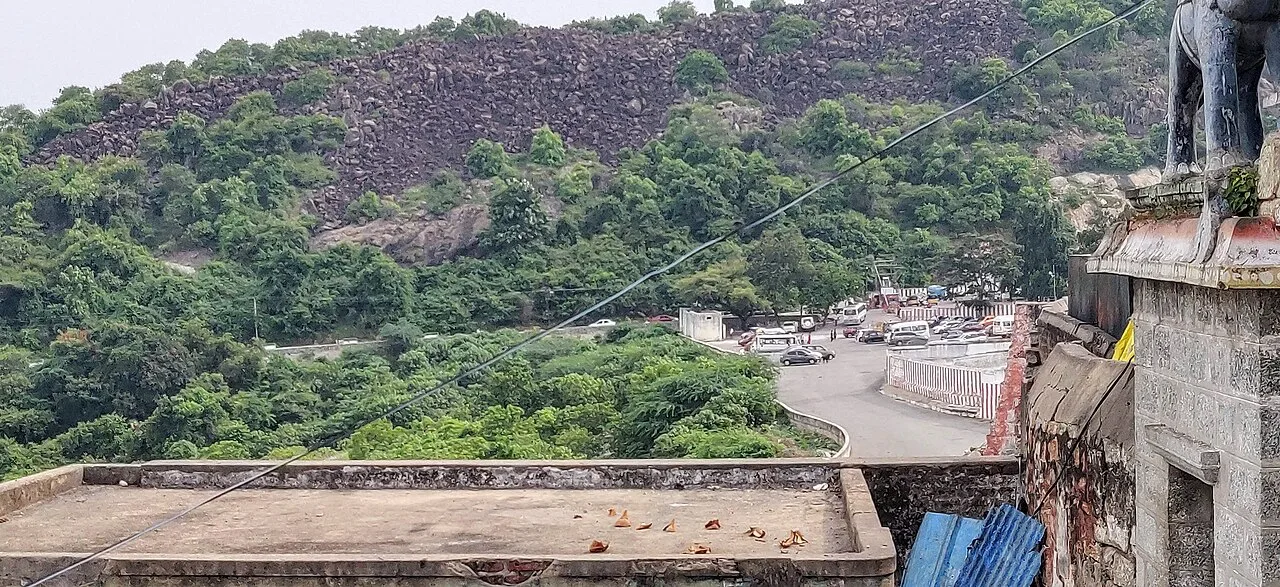
The temple’s origins are traditionally regarded as ancient, but the exact date of its foundation is not firmly established. Tiruttani became one of the six celebrated abodes of Murugan in Tamil devotional tradition, a status that helped sustain pilgrimage to the hill over many generations. The surviving complex reflects successive periods of construction, additions and upkeep rather than a single building campaign. Inscriptions and architectural features at the site are associated with the wider history of regional dynasties and temple patronage; claims about individual builders or precise construction dates should be treated cautiously unless confirmed by an authoritative source. As with many long-lived Tamil temples, local rulers, communities and devotees contributed to its maintenance and religious life. The hill shrine remains active, with continuing worship and festival observances. For detailed inscriptional history, conservation work and administrative changes, consult the temple authorities or relevant state heritage records rather than relying on popular summaries.
Origin stories & folklore
According to local tradition, Murugan came to Tiruttani after his battle with the demon Surapadman. Here, devotees say, the deity’s anger and fatigue subsided, giving the hill its association with peace and composure. The name Tanikai is sometimes explained in devotional accounts through this calming of the god. Other traditions connect Murugan at Tiruttani with his marriage to Valli, though accounts of the marriage and its setting vary across regional stories. These narratives are matters of faith and folklore, not verifiable historical events. Worshippers may hear them retold in songs, temple explanations and festival observances; visitors can ask locally which versions are most commonly followed.
Architecture & design
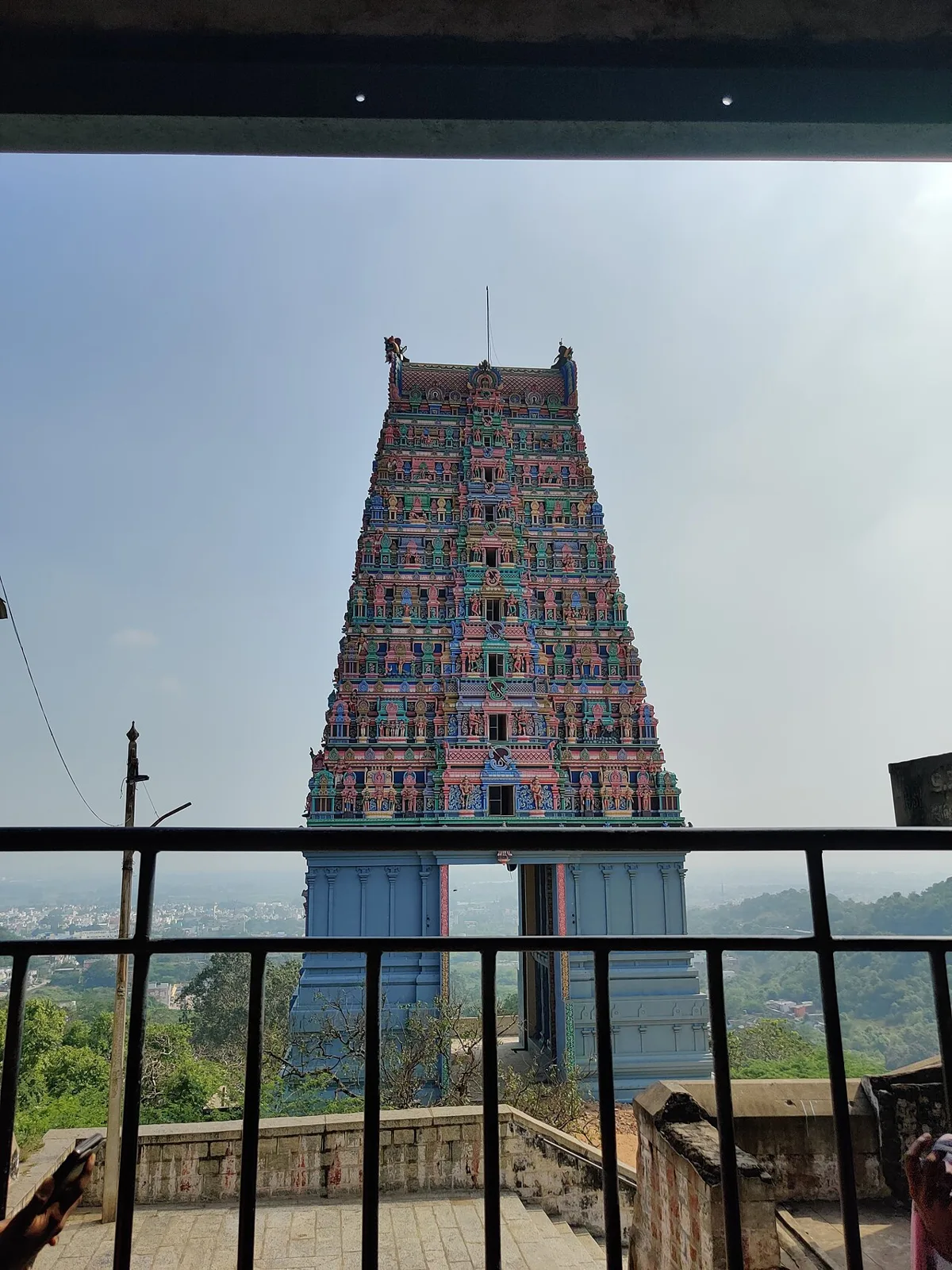
The temple occupies the summit of a hill in Tiruttani and is approached by a traditional stairway as well as a road route. The steps are popularly associated with the days of the year, an interpretation shared as devotional tradition rather than an architectural measurement. The complex follows the South Indian temple pattern, with an entrance tower, enclosed areas and shrines arranged around the principal sanctum. The main shrine is dedicated to Murugan, and subsidiary shrines and halls support worship and festival activity. The structures are built primarily of masonry, with sculpted and painted elements characteristic of active Tamil temples; appearance can change with maintenance and repainting. The hill setting shapes the visitor’s approach and offers views over the surrounding town and countryside. Access routes, open areas and the sequence of shrines may be adjusted during ceremonies or repairs.
Important objects & sculptures
The principal focus is the consecrated image of Murugan in the sanctum; the deity is worshipped through established temple rites, and access to the innermost area may be restricted. Visitors can also notice images and shrines associated with Murugan’s family and other Hindu deities, along with sculptural details on gateways and temple structures. Look for carved or painted figures in the entrance areas and halls, while remembering that repainting and renovation may affect what is visible. The temple has historical inscriptions reported in accounts of the site, but their locations and accessibility are not guaranteed; do not touch or attempt to read marked surfaces without guidance. There is no general public museum collection to assume on a visit.
Religious significance
The temple is dedicated to Murugan, also known as Kartikeya, Subramanya or Skanda, a major deity in Tamil Hindu worship. As one of the Arupadaiveedu, Tiruttani is regarded by devotees as a particularly sacred place for prayer, vows and seeking the deity’s blessings. Worship generally includes offerings and daily puja conducted by temple priests; the form and access of rituals can vary with the occasion. Devotees may undertake the hill ascent as an act of worship, and some visit with family or as part of a pilgrimage to several Murugan shrines. Customs and rules inside the complex are set by the temple, so visitors should follow staff instructions and avoid entering sanctified or restricted areas.
Visit Tiruttani Murugan Temple with time to observe daily prayers and rituals respectfully. Follow the posted rules on footwear, photography, phones, head covering and dress — many major temples require modest clothing, prohibit leather items and phones inside, and have separate darshan queues; non-Hindus may not be admitted to some sanctums. Ask caretakers which areas are open to visitors, and beware of unofficial 'guides' or agents offering quick darshan for a fee. A comfortable itinerary is one main visit in the morning, a local meal at midday and a short nearby stop before an afternoon return. Use the district list on this site to find other places in Tiruvallur, but check the route and its condition before combining stops. If a festival is on — such as Pongal in January, the Madurai Chithirai festival, the Mahamaham at Kumbakonam or the Chennai music season in December — roads and stays can be busy, and the experience can be unforgettable. Leave no litter: many sites are protected by the communities around them.
Suggested itineraries
Half day: Reach the hill, allow time for the ascent or road approach, visit the temple respectfully, and take a short rest and meal in town; allow roughly three to five hours overall. Full day: Visit the temple in the morning, pause for a local meal, then travel to another confirmed attraction in Tiruvallur district before returning; allow most of the day and check routes first. Gentler option: Use road access if operating, ask about the closest permitted drop-off, limit the visit to accessible areas and plan seated rest breaks; confirm assistance and access conditions with the temple before travelling.
Tiruttani’s daily life is closely connected with pilgrimage and the temple calendar. Tamil is widely used in the town and in devotional activity; visitors may also encounter worshippers and staff speaking other Indian languages. Murugan songs, devotional recitation and temple music are part of the religious atmosphere, especially during festivals and processions. Dress is generally modest, and worshippers commonly remove footwear before entering designated temple areas. Offerings, family vows and shared meals form part of many visits. The town is also a suburb within the Chennai Metropolitan Area, so its contemporary life combines temple traditions with ordinary urban services and transport. Visitors should ask before joining or photographing any ritual.
Festivals & events
The temple observes major occasions in the Murugan calendar, including Skanda Sashti, usually in October or November, and Thaipusam, usually in January or February. Panguni Uthiram, commonly falling in March or April, is another important Murugan festival season. The Tamil month of Aadi and the New Year period may also bring increased devotional activity. Festival practices can include special worship, processions and larger gatherings, but programmes vary by year and temple arrangements. Crowds, queues and pressure on local roads may increase during major observances; check current notices before travelling and allow extra time.
Local food in Tamil Nadu includes idli, dosa and filter coffee, Chettinad chicken and pepper curries, Madurai's kari dosa and jigarthanda, Thanjavur's banana-leaf vegetarian meals, Kanyakumari's seafood, and sweets such as Mysore pak, adhirasam and Tirunelveli halwa. Ask what is fresh that day; many small eateries cook a limited daily menu. Tamil Nadu is a paradise for vegetarian meals served on banana leaf; Chettinad and Madurai are the centres for meat and spice lovers. Filter coffee is a ritual — have it at a local 'hotel' (eatery). Remote sites may have no restaurant at all. Carry water and snacks, eat a proper breakfast before long drives, and ask your accommodation for a packed lunch if you are heading out early. If prasad is offered, accept it according to local custom. Choose busy, clean places, drink sealed or filtered water, and carry your packaging back with you.
Shopping & local experiences
Small shops around the temple and in town may sell devotional pictures, पूजा items, flowers, coconuts and offerings; selection and availability vary. Visitors can look for locally prepared snacks and ordinary Tamil meals in town rather than expecting a specialised craft market. Check that packaged food is sealed and carry reusable bags where practical. Buy religious items only from vendors you choose, and avoid purchasing objects claimed to be old temple artefacts or removed from the site. Ask before taking flowers or offerings into restricted areas, and leave the temple surroundings clean.
November to February; April to June for the hill stations
The nearest principal railway station by straight-line distance is Arakkonam Junction, roughly 14 km away. The nearest operating airport by straight-line distance is Tirupati Airport, roughly 51 km away. These figures are calculated from map coordinates — actual road distance is longer. Chennai is the main gateway; Coimbatore serves the west and Mettupalayam is the railhead for the Ooty toy train; Madurai and Tiruchirappalli serve the south and centre; Rameswaram and Kanniyakumari have their own rail termini. For the final leg, TNSTC and SETC buses reach nearly every town, with private sleeper coaches between cities and app cabs in Chennai, Coimbatore and Madurai link district towns. A private taxi gives more flexibility for remote sites such as hill stations, forest gates and coastal temples. When comparing train, bus and flight, count the complete door-to-door time: a flight saves the most time only if the onward road transfer is short, while an overnight train can save a hotel night. Book your return before you leave, because seats fill quickly on weekends, festivals and holidays. Current train numbers, timings, return services and fares are not listed here; check IRCTC and NTES for trains and the airline's own schedule for flights. No permit is needed to visit Tamil Nadu. The Nilgiri Mountain Railway toy train to Ooty must be booked well in advance on IRCTC — seats are few and sell out weeks ahead. Major temples such as Madurai Meenakshi and Srirangam have darshan queues and some enforce a dress code (dhoti or formal trousers for men, saree or salwar for women); phones and cameras are not allowed inside several temple sanctums. Boating to the Vivekananda Rock at Kanyakumari depends on sea conditions.
Confirm onward and return timings on IRCTC / NTES, the state bus operator or your airline before travel. A dash means current timings or fares have not been verified.
Getting around
Tiruttani town has local road transport, including buses and auto-rickshaws; taxis can usually be arranged through local providers or from larger towns. From the town, visitors can proceed toward the hill temple by road or use the stairway, depending on mobility and current access arrangements. Ask locally about vehicle access, drop-off points and parking, particularly on festival days when traffic controls may apply. Walking between nearby town services is possible, but the ascent and temple approach involve uneven or stepped sections. Public transport connections and availability can vary, so confirm the onward journey before relying on a late return.
Hours, tickets & permissions
Entry arrangements can differ between the hill approach, temple areas and the sanctum, and may change during worship, festivals or maintenance. Some areas may have separate queues or restrictions, and offerings or special forms of worship may follow separate procedures. Do not assume that every visitor can enter every shrine. Confirm current opening hours, entry rules and any applicable fees or permissions with the temple’s managing authority before setting out. Carry identification only if requested by the current rules, and follow posted instructions on dress, footwear and belongings.
Facilities
Facilities can vary by season and crowd levels. The temple and town usually have basic services for pilgrims, and food, drinking water and shops are generally easier to find in the town than at every point on the hill. Toilets, footwear storage and parking may be available in designated areas, but check locally for their location and condition. ATMs and broader accommodation options are more likely in town or along the main road than within the temple complex. Official staff can advise on worship arrangements; do not assume that a guide service is available or that an unsolicited guide is authorised.
Accessibility
The hill setting means that reaching the temple may involve a substantial stairway, uneven walking and changes in level. A road approach is also associated with the site, but vehicle access, drop-off points and the distance from them to the shrine should be confirmed locally. Do not assume that ramps, lifts or wheelchair access to the sanctum are available. The steps may be difficult for wheelchair users, stroller users, people with limited mobility and some older visitors; heat and limited shade can add to the effort. Plan rest stops, carry water where permitted and ask the temple administration about assistance and the most suitable route before arrival.
No permit is needed to visit Tamil Nadu. The Nilgiri Mountain Railway toy train to Ooty must be booked well in advance on IRCTC — seats are few and sell out weeks ahead. Major temples such as Madurai Meenakshi and Srirangam have darshan queues and some enforce a dress code (dhoti or formal trousers for men, saree or salwar for women); phones and cameras are not allowed inside several temple sanctums. Boating to the Vivekananda Rock at Kanyakumari depends on sea conditions. Carry a photo ID at all times and save the emergency number 112 and your accommodation's contact offline. Heat in summer and heavy rain in the monsoon are the main weather risks; carry water, avoid midday sun and allow extra time when roads flood. Watch your belongings in crowds and on public transport, and follow posted instructions.
Visitor rules
Follow signs and instructions from temple staff, remove footwear only in designated areas and dress modestly. Certain shrines or ritual spaces may be restricted, and visitors should not cross barriers or interrupt worship. Keep voices low, avoid littering and use waste bins where provided; do not leave plastic or offerings in the surroundings. Rules on leather items, phones and bags can differ, so check posted notices before entering. Do not touch idols, carvings, offerings or ritual equipment unless invited to do so. Be alert to unofficial intermediaries promising special access or rapid darshan for payment.
Photography
Photography rules may differ between the outer approach, halls and inner worship areas; follow signs and ask staff before taking pictures. Photography of the sanctum, ceremonies or worshippers may be prohibited or inappropriate even where outdoor photography is permitted. The hill setting can be most attractive in softer morning or late-afternoon light, subject to weather and access. Avoid blocking paths while taking pictures, and never use flash near rituals or people without consent. Drone use may require permissions and can be restricted around religious sites; do not fly one without checking applicable rules.
Choose a stay by the full journey to Tiruttani Murugan Temple, not just the district name. Chennai, Coimbatore, Madurai and Tiruchirappalli offer the widest choice; Ooty and Kodaikanal have everything from heritage hotels to cottages — book far ahead for the April–June school holidays and the Pongal weekend. In summer, check air-conditioning; in the monsoon, check that the property is accessible if roads flood. Book in advance for weekends, festivals and the peak season (November to February; April to June for the hill stations). Confirm the exact location, meals included, check-in time and cancellation terms in writing. Avoid sending money to unverified contacts or touts at stations. Carry some cash, as card and digital payments can be unreliable in remote areas.
Within Tiruvallur district, Veeraraghava Perumal Temple in Tiruvallur town is a notable Vishnu pilgrimage site and may be considered for a separate visit if travel time allows. Poondi Reservoir, also known as Sathyamoorthy Sagar, is another district landmark, but check access and current local conditions before going. Arakkonam is a useful nearby transport town rather than a temple attraction. These stops are not all immediately beside Tiruttani, so check road routes and allow enough time instead of assuming they fit into a short visit. The district’s other sites can be explored through current local tourism information.
For couples, Tiruttani Murugan Temple rewards a slow pace: arrive early for soft light and fewer crowds, share a local meal and keep the evening free. Sunrise at Kanyakumari, a boat ride on Kodaikanal lake or an evening stroll through Mamallapuram's shore monuments makes the trip memorable. Public displays of affection can be frowned upon in conservative communities and at religious sites, so be discreet. Keep a buffer in your itinerary, because weather and road conditions can delay plans.
Q: How much time should I allow for a visit? A: A half day is usually a comfortable plan for the temple and a meal, with extra time needed during festivals or for a slower ascent. Q: When is a good season to visit? A: November to February is generally more comfortable in Tamil Nadu; check weather and festival crowd conditions before travel. Q: Is there an entry fee, and can everyone enter the sanctum? A: Rules and any fees can change, and access to inner areas may be restricted. Confirm current arrangements with the temple authority. Q: Is the temple suitable for children and older visitors? A: Families can visit, but the hill approach and steps may be tiring. Plan rest breaks and check road access or assistance in advance. Q: Where can I stay nearby? A: Tiruttani and larger nearby towns offer accommodation options, with more choice in larger centres. Confirm availability and location before booking.
Be the first to share photos, stories, advice or a helpful contact for Tiruttani Murugan Temple.
Loading…