
Why Amaravati matters
Amaravati is Andhra Pradesh’s designated capital and a planned administrative centre on the southern bank of the Krishna River, close to Vijayawada and Guntur. Its modern identity is tied to the development of a new capital region, while its name also evokes a much older history: nearby Dhānyakataka, around present-day Dharanikota, was an important Satavahana centre nearly two millennia ago.
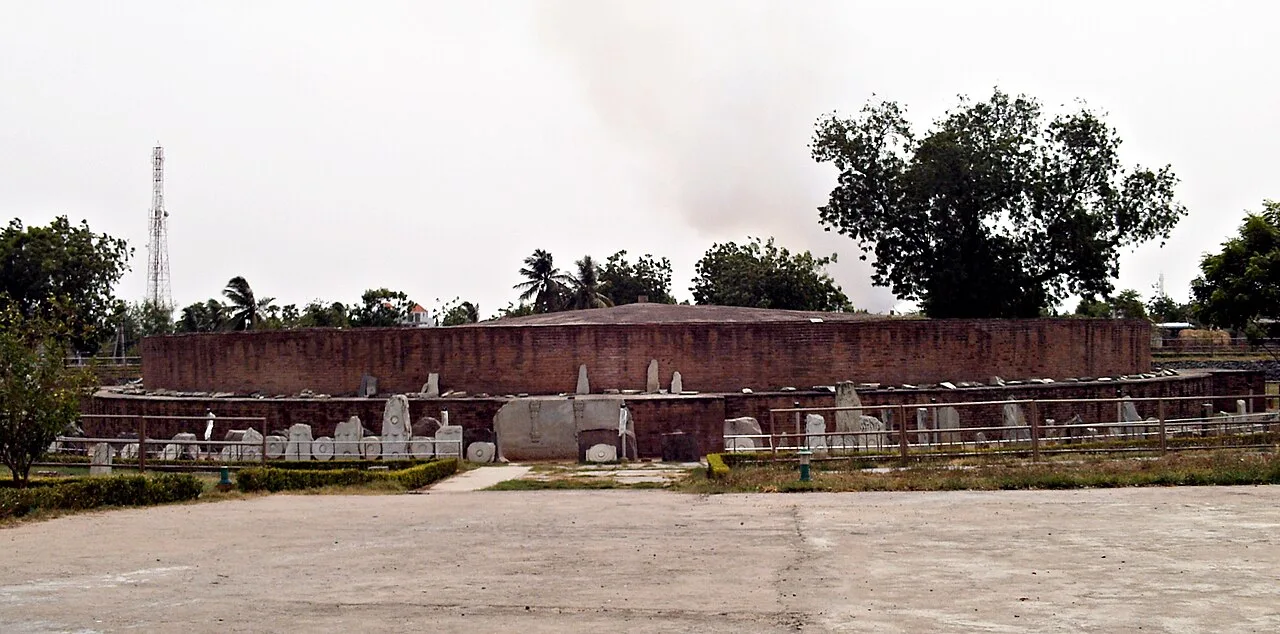
Visitors come for the contrast between this emerging urban landscape and the region’s archaeological and religious heritage. The ancient Amaravati Buddhist Stupa, its sculptural tradition and the collections at the local archaeological museum are central attractions. The Amareswara Temple and riverside surroundings add a different dimension to a visit. Amaravati is also a useful base for exploring Mangalagiri, Vijayawada and Guntur, whose temples, markets and regional foods broaden the experience. The capital project has faced political and legal uncertainty, so the city’s development remains an evolving story rather than a finished showcase.