
Ghumoopedia — Explore, Discover, Experience
Sign in
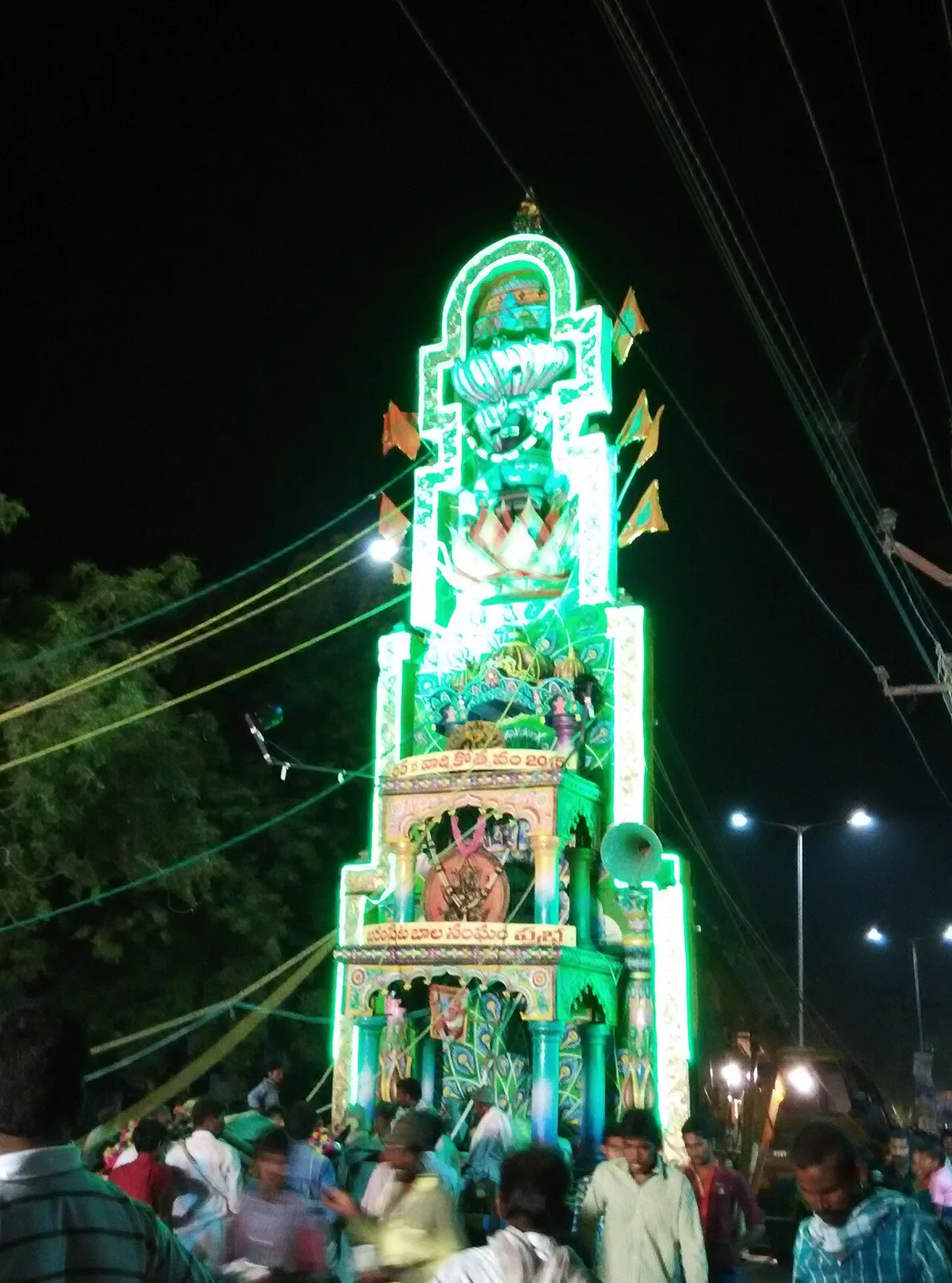
Kotappakonda Temple, near Narasaraopet

City guide · Andhra Pradesh

Narasaraopet

Narasaraopet is an administrative and commercial centre in Andhra Pradesh’s Palnadu district. It serves as the district headquarters, a mandal headquarters and the seat of a revenue division, bringing government offices, courts and services together for people across the surrounding region.

Famous for

  • Gateway to Palnadu
  • Kotappakonda Tirunalla
  • Trikoteswara Swamy temple
  • Regional agricultural trade
  • Palnadu district administration
In the city
1
District
Guntur

Why Narasaraopet matters

Narasaraopet is an administrative and commercial centre in Andhra Pradesh’s Palnadu district. It serves as the district headquarters, a mandal headquarters and the seat of a revenue division, bringing government offices, courts and services together for people across the surrounding region. Its role as a trading town has also earned it the name “Gateway to Palnadu.” Offices connected with the Nagarjuna Sagar Jawahar Canal’s right canal operations add to its regional importance.

Visitors often use the town as a base for exploring Palnadu, especially the nearby hill and pilgrimage site of Kotappakonda. Its Trikoteswara Swamy temple and the annual Kotappakonda Tirunalla draw worshippers and festival-goers. Within town, the commercial centre offers a glimpse of everyday life in the district, while the surrounding flat landscape and rocky hills provide a sense of the region’s geography. Narasaraopet is not principally a resort destination; its appeal lies in its mix of administration, local trade and access to religious and cultural sites.

Famous for: crafts, trade & products

Narasaraopet is best known for trade and public services rather than a signature textile, handicraft or GI-tagged product. As a commercial centre for Palnadu, it serves buyers and sellers from nearby towns and rural areas. Agricultural produce from the wider region moves through local trading networks; seasonal availability varies. The town’s central commercial streets and general markets are practical places to look for everyday goods, groceries and regional produce.

There is no single craft or saree tradition that defines the town. Visitors seeking locally made items can browse small shops and ask traders about products from surrounding villages, but should not assume that a particular craft is unique to Narasaraopet. The city’s institutional presence is more distinctive: it hosts district and revenue administration, the court of an Additional District Judge, and the main offices of the Nagarjuna Sagar Jawahar Canal right canal’s operation and maintenance circle at Lingamguntla. These services, alongside education, retail and other town businesses, support Narasaraopet’s role as a regional hub.

History

The settlement was once known as Atluru. Its later name is associated with Rajah Malraju Narasa Rao, a local zamindar who held land in the surrounding area. The town grew from a village into a local centre for administration and commerce, serving communities across the Palnadu region.

During British rule, the area formed part of the Madras Presidency. In the decades that followed, Narasaraopet developed as an important administrative town within Guntur district, with municipal and mandal functions and a revenue division based here. Its courts and public offices strengthened its role as a service centre, while regional trade connected it with nearby agricultural communities. The town’s administrative position changed when Palnadu district was created in 2022, making Narasaraopet its headquarters. Irrigation administration, including offices for the Nagarjuna Sagar Jawahar Canal right canal, is another part of its modern development.

Food, festivals & culture

Telugu is the principal language of daily life, and regional Andhra customs shape the town’s food and celebrations. Local eateries serve familiar meals with rice, lentils, vegetables, pickles and spicy accompaniments, alongside popular tiffin such as dosa and idli. Sweet shops offer a range of Andhra-style sweets, though no one confection is uniquely associated with Narasaraopet. Devotional songs and folk performances are part of public celebrations and temple events.

Sankranti in mid-January, Ugadi in spring and Dasara in autumn are important points in the local festival calendar. Maha Shivaratri is especially significant for pilgrims visiting nearby Kotappakonda, where the Tirunalla draws large crowds for worship and festivities. The Trikoteswara Swamy temple is the area’s best-known pilgrimage site; Narasaraopet also has neighbourhood temples, mosques and churches that serve its diverse communities. Festival dates follow the traditional lunar calendar and vary from year to year.

Visiting the city

The cooler months, roughly November to February, are generally the most comfortable for exploring Narasaraopet and making trips to nearby Kotappakonda. Summers can be very hot, while July to September brings much of the monsoon rain. The nearest major airport is Vijayawada International Airport. Narasaraopet railway station is the town’s main rail connection.

Auto-rickshaws and local buses are useful for getting around; taxis can be arranged for visits beyond the centre. Explore the central commercial streets and market area for shops and everyday town life, then set aside time for the temples and pilgrimage grounds at Kotappakonda. Ask locally about road and weather conditions before travelling to the hills during the rainy season.

Attractions

Places to visit in Narasaraopet

Sights within about 12 km of each other, even when they fall in different districts.

Map

Narasaraopet on the map

  1. 1Kotappakonda Temple

Andhra Pradesh

Other cities to explore