
Ghumoopedia — Explore, Discover, Experience
Sign in
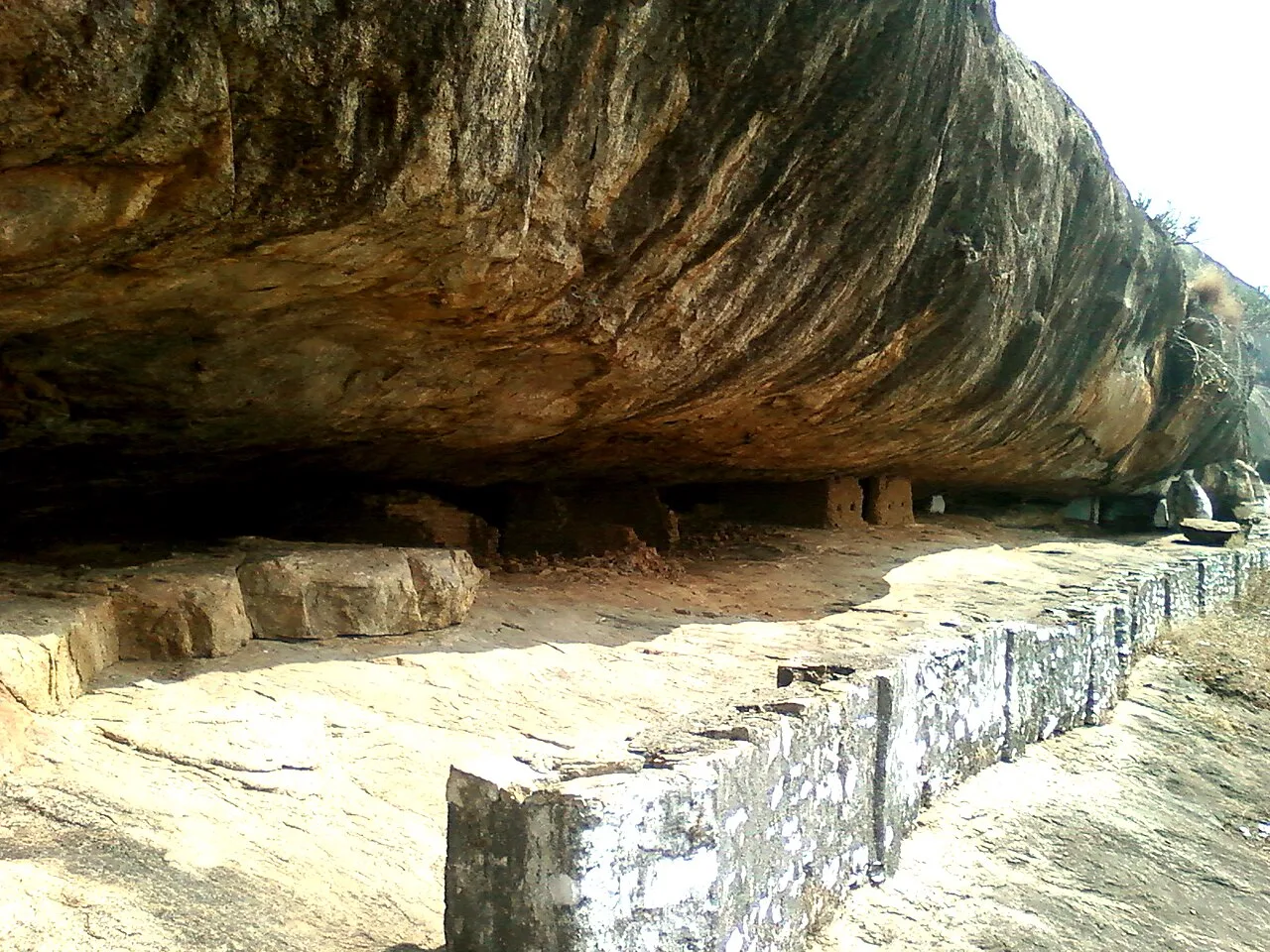
Ramatheertham Temple, near Vizianagaram

City guide · Andhra Pradesh

Vizianagaram

Vizianagaram is the administrative headquarters of its district and an important service, education and trade centre for the surrounding towns and rural communities. It lies in northeastern Andhra Pradesh, around 40 kilometres north of Visakhapatnam, between the coast and the Eastern Ghats.

Famous for

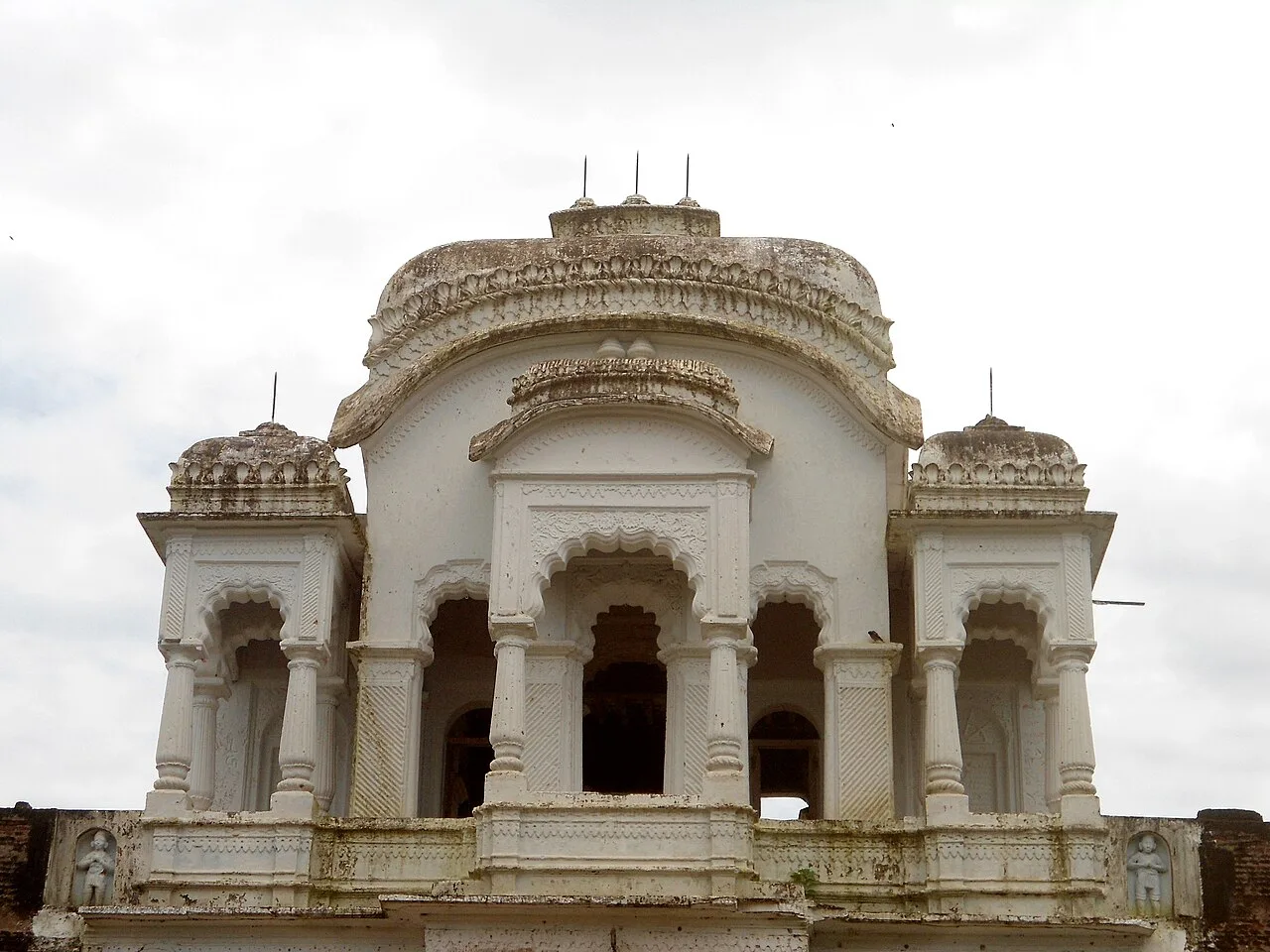
  • Vizianagaram Fort
  • Pydithalli Ammavari Sirimanotsavam
  • Pusapati royal heritage
  • Maharaja's College
  • Nearby Bobbili veenas
  • Ramateertham heritage
In the city
2
District
Vizianagaram

Why Vizianagaram matters

Vizianagaram is the administrative headquarters of its district and an important service, education and trade centre for the surrounding towns and rural communities. It lies in northeastern Andhra Pradesh, around 40 kilometres north of Visakhapatnam, between the coast and the Eastern Ghats. Its history is closely tied to the Pusapati rulers, whose former seat gives the city a distinctive royal character.

Visitors come for Vizianagaram Fort, the town’s old institutions and temples, and the annual celebrations for Pydithalli Ammavaru. The wider district also offers places of interest such as Ramateertham, where religious remains and a hilltop temple make a rewarding excursion. The city is known for its musical and educational heritage, including Maharaja’s College and the Maharaja Government College of Music and Dance. Its markets serve a broad hinterland, while its location makes it a convenient stop between Visakhapatnam and destinations farther north in Andhra Pradesh.
Famous for: crafts, trade & products

Vizianagaram is better known for its royal legacy, education and regional trade than for a single signature textile or handicraft. Its central bazaars and commercial streets are practical places to browse clothing, household goods and everyday wares, as well as shops selling produce and goods brought in from nearby towns. Rice and other agricultural products from the surrounding region pass through local trade networks. The city does not have a widely recognised, city-specific saree tradition or a prominent GI-tagged product of its own.

The wider district’s best-known craft is the Bobbili veena, a hand-crafted string instrument associated with the town of Bobbili. To see the craft at its source, visitors can make a separate trip to Bobbili rather than expect a large concentration of makers in Vizianagaram’s markets. The city’s cultural institutions are another part of its identity: Maharaja’s College and the Maharaja Government College of Music and Dance reflect the Pusapati rulers’ patronage of learning and the arts. The fort and its surroundings offer a sense of the city’s historic centre.

History

Archaeological finds in the area point to a long history: copper coins associated with the Kalinga period have been reported from local excavations, while hills near Ramateertham have yielded Buddhist and Jain remains. The city itself grew in prominence under the Pusapati rulers, who established it as the capital of their estate. The dynasty’s influence shaped the region’s political life and its traditions of education and artistic patronage.

During the eighteenth century, the estate became involved in the conflicts that accompanied the expansion of British power in coastal Andhra. The 1794 Battle of Padmanabham, fought between the British East India Company and the Vizianagaram ruler, marked a major turning point in that history. Under colonial rule, the town continued as an administrative and commercial centre. After independence, its role developed further through district administration, transport links, education and services for nearby communities. It is now the headquarters of Vizianagaram district.

Food, festivals & culture

Telugu is the principal language of daily life, with English used in education and administration and other regional languages heard in the district. The city’s best-known celebration is the Sirimanotsavam for Pydithalli Ammavaru, generally held in October or November after Dasara. The procession and associated temple rituals draw devotees from the city and surrounding areas. Sankranti in January and Ugadi in March or April are also widely observed, alongside Dasara and other Hindu festivals.

Rice-based Andhra meals are common, often accompanied by lentils, vegetables, pickles and chilli-rich curries. Snacks and sweets enjoyed across the region include pesarattu, pulihora, bobbatlu and ariselu; these are regional favourites rather than products unique to the city. Music has a notable place in Vizianagaram’s identity, reflected in its long-standing educational institutions and music college. Temples in town and the nearby hilltop shrine at Ramateertham are important places of worship and pilgrimage.

Visiting the city

October to February is generally the most comfortable period to visit, with cooler conditions than the hot months before the monsoon. The nearest major airport is Visakhapatnam International Airport; Vizianagaram Junction is the city’s main railway station and a key rail connection. Buses, auto-rickshaws and taxis are useful for getting around town, while a hired vehicle or local bus can help with trips beyond the centre.

Explore the fort precinct and central bazaars for a sense of the old town and its present-day commerce. The area around Maharaja’s College offers a glimpse of the city’s educational heritage. Ramateertham, outside the city, is a worthwhile half-day outing for its temple and archaeological associations. Check local conditions before setting out for nearby rural sites, especially during heavy rain.

Attractions

Places to visit in Vizianagaram

Sights within about 12 km of each other, even when they fall in different districts.

Map

Vizianagaram on the map

  1. 1Ramatheertham Temple
  2. 2Vizianagaram Fort

Andhra Pradesh

Other cities to explore